Quick Facts
- The Guide: Curated by Mitsuharu 'Micha' Tsumura, the visionary chef behind Maido, which has defined the Nikkei culinary landscape in Lima for 16 years.
- Top Recommendations: For the quintessential Lima experience, Tsumura highlights La Mar (Ceviche), Al Toke Pez (Nikkei Street Food), Titi (Chifa), and Fiesta (Northern Peruvian).
- The "14-Day Rule": Chef Tsumura suggests a minimum stay of 14 days in Lima to fully appreciate the city's gastronomic layers, from Amazonian influences to Creole traditions.
- Must-Try Breakfast: The legendary pan con chicharrón at El Chinito, featuring 350 grams of slow-cooked pork belly.
- Culinary Identity: Lima is the global capital of Nikkei cuisine, a sophisticated fusion where Japanese techniques meet Peruvian ingredients like Andean chilis and Amazonian fish.
Introduction: Eating Like a Local with a World-Class Chef
To walk through the streets of Lima is to navigate a living map of human migration, etched into the steam of a street-side wok and the sharp acidity of a coastal ceviche. The city doesn’t just feed you; it envelops you in a sensory narrative that spans centuries. At the heart of this narrative stands Mitsuharu 'Micha' Tsumura, the chef-patron of Maido. For 16 years, Maido has served as a lighthouse for the global culinary community, anchored in the delicate, high-wire act of Nikkei cuisine—a marriage of Japanese precision and Peruvian soul.
Yet, despite Maido’s status as a world-leading destination, Micha remains a devotee of the city’s humbler corners. His philosophy is deceptively simple: "We want to be the place you go back to." It is a sentiment that reflects the hospitality of Lima itself. To truly understand the "City of Kings," one cannot simply skim the surface. Tsumura famously advises travelers that they need at least 14 days to even begin to unravel the diversity here, from the sun-drenched seafood of the coast to the earthy, slow-simmered stews of the North.
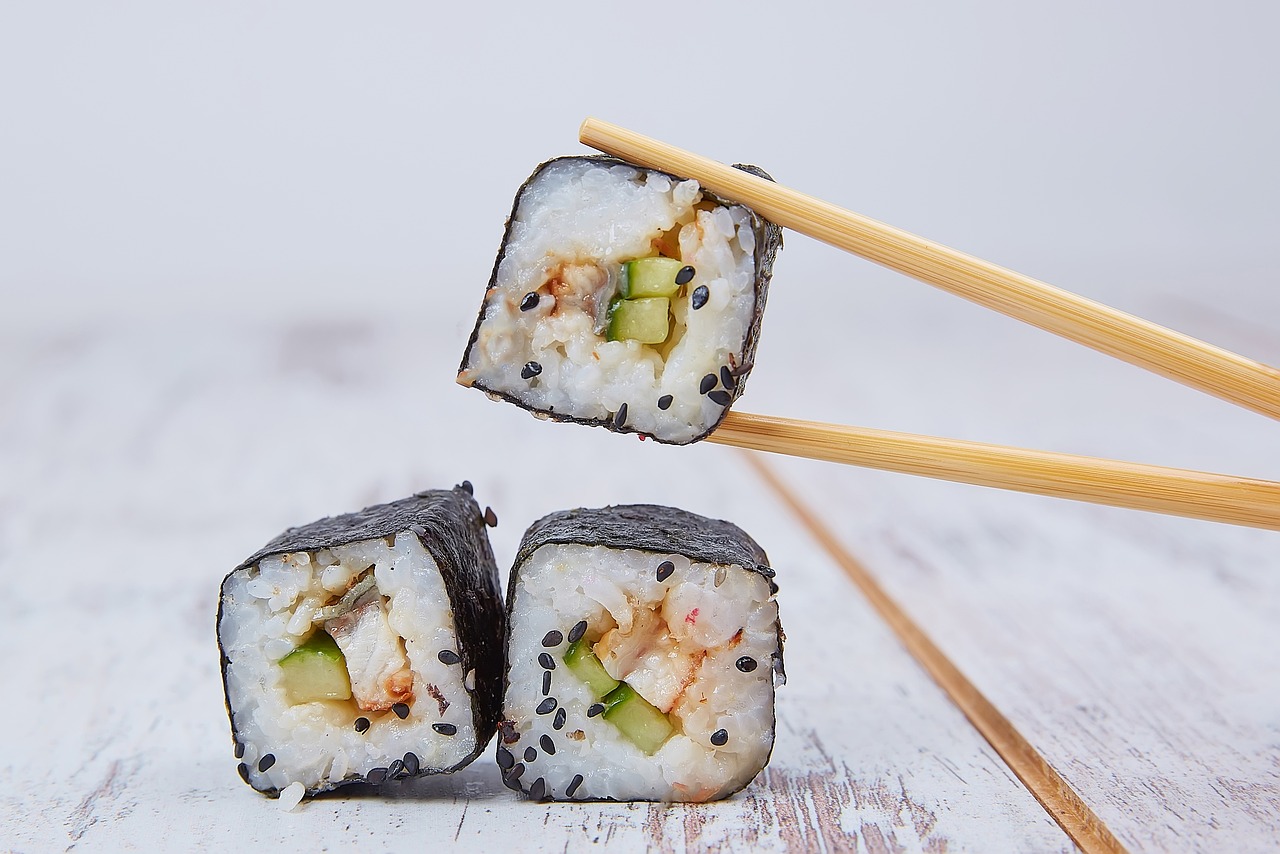
The Seafood & Nikkei Experience
In Lima, the ocean isn't just a view; it's a clock. The city’s rhythm is dictated by the morning catch, and nowhere is this more evident than in its legendary cevicherías.
La Mar
If you want to find the heartbeat of Miraflores on a Saturday afternoon, follow the scent of lime and grilled octopus to La Mar. This is not a place for a quiet, contemplative meal; it is a definitive daytime celebration. Operating only from 1 pm to 6 pm, it captures the ephemeral nature of the freshest seafood.
The vibe is electric—a "boozy lunch" atmosphere where the clinking of pisco sour glasses competes with the coastal breeze. For Micha, La Mar is the essential starting point for any visitor. The menu is a sprawling tribute to the Pacific, ranging from classic ceviches to tiraditos and whole grilled fish served with a rustic, smoky char.
- Vibe: Lively, sunlit, and unpretentiously sophisticated.
- Must-Order: The classic Ceviche, the Tiradito Nikkei, and the whole fish of the day prepared over open flames.
- Chef’s Take: "It’s the perfect introduction to the city’s energy. On weekends, the music and the crowd create something magical."
Al Toke Pez
On the other end of the spectrum lies Al Toke Pez, a humble counter in Surquillo that proves fine-dining technique isn't reserved for white tablecloths. Chef Tomás 'Toshi' Matsufuji, a PhD holder turned culinary rebel, applies high-end Nikkei sensibilities to street-food prices.
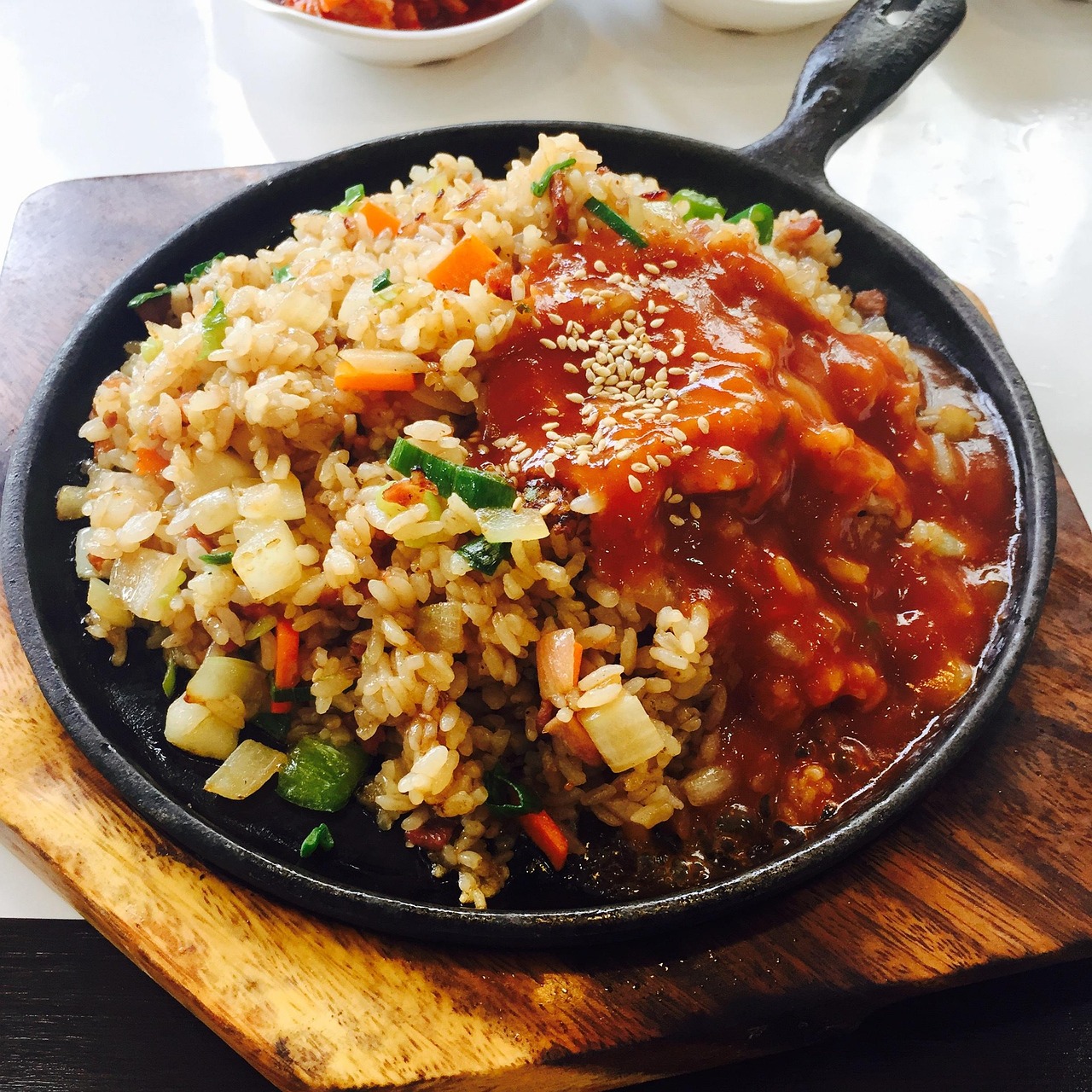
There are no reservations here, and the space is cramped, but the food is revelatory. Watching Toshi command the wok is a masterclass in heat management and timing. The chaufa (fried rice) arrives with a smoky wok hei that rivals the best in Asia, while the ceviche remains crisp, bright, and unapologetically bold.
"Toshi brings an incredible level of skill to a very accessible format. It’s street food with a chef’s soul. His stir-fries are among the best you will ever taste." — Mitsuharu Tsumura
Heritage Flavors: Chifa and Northern Cuisine
To understand the best restaurants in Lima, Peru, one must look beyond the coast. The city is a melting pot of regional Peruvian styles and immigrant influences, most notably from the Chinese community.
Titi (Chifa / Chinese-Peruvian)
'Chifa' is a term unique to Peru, representing the century-old fusion of Cantonese techniques with local ingredients. It is a staple of the Peruvian diet, and Titi is its crown jewel. While often overlooked by international guides in favor of more 'modern' spots, Titi has been a local legend for over 50 years.
The restaurant feels like a journey back in time, where the service is impeccable and the recipes have been guarded through generations. The Carne al Ajo (garlic beef tenderloin) is a testament to the power of high-quality Peruvian produce handled with Cantonese expertise.
- Address: Av. Javier Prado Este 1212, San Isidro.
- Vibe: Mid-century classic; dignified and deeply nostalgic.
- Must-Order: Fried wontons (the gold standard), and the Carne al Ajo.
Fiesta
For those seeking the soul of Northern Peru without leaving the capital, Fiesta is non-negotiable. This is high-end Northern coastal cuisine that honors ancient Moche traditions while embracing modern creativity. Chef Hector Solís has elevated regional dishes like Arroz con Pato (duck with rice) to fine-art status.
The star of the show is often the "Arroz al Fuego," a dish that brings the primal element of fire to the table. Micha points to Fiesta as a guardian of Peruvian heritage, specifically for their handling of the collarín (fish collar), a cut often discarded but here treated with the reverence of a prime steak.
"The lamb at Fiesta—the Seco de Cabrito—is so tender you could cut it with a spoon. It’s a masterclass in slow-cooking and regional spice." — Mitsuharu Tsumura
Casual Bites & Comfort Food
Lima’s food scene isn't just about three-hour lunches; it’s about the ritual of the "daily bite."
El Chinito
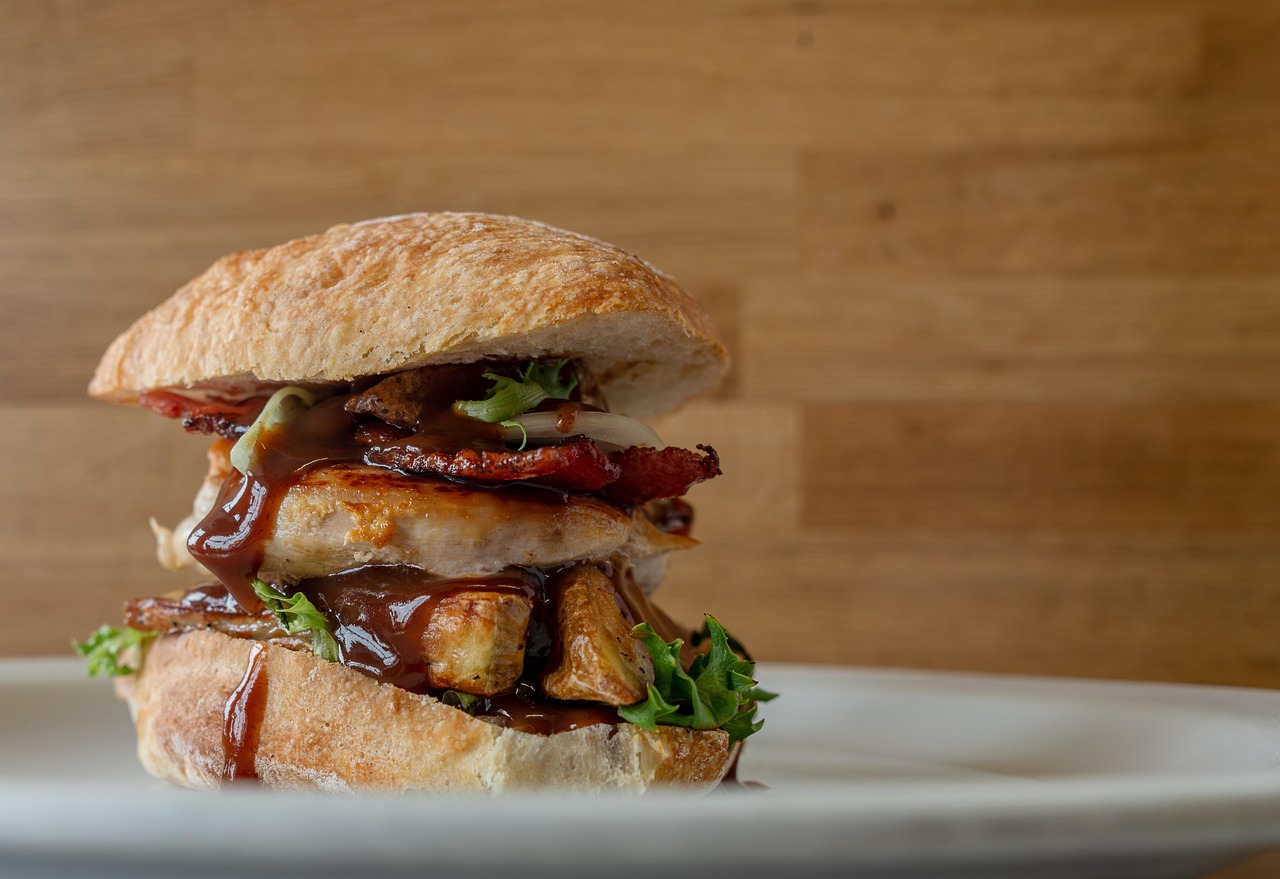
If there were a World Cup for breakfasts, the pan con chicharrón at El Chinito would be the perennial champion. This isn't just a sandwich; it’s a Lima institution. Established in 1960, this sanguchería serves a pork belly sandwich that is the stuff of legend.
Each sandwich is packed with approximately 350 grams of slow-cooked, melt-in-the-mouth pork, topped with crispy sweet potato slices and a bright salsa criolla (red onion relish). It is the ultimate local ritual, usually enjoyed with a steaming cup of coffee or a cold Inca Kola.
Buche
A newer addition to the scene, Buche represents the evolution of the casual Lima eatery. It’s a playful spot that mixes Traditional, Nikkei, and Chinese influences under one roof. Whether you’re stopping in for a butifarra (Peruvian ham sandwich) or a scoop of their artisan gelato, the focus is on high-quality, local ingredients served in a relaxed, contemporary atmosphere.
| Restaurant | Primary Cuisine | Signature Dish | Best Time to Visit |
|---|---|---|---|
| La Mar | Seafood | Ceviche Clásico | Lunch (1 PM) |
| Titi | Chifa | Carne al Ajo | Dinner |
| El Chinito | Creole/Sandwiches | Pan con Chicharrón | Early Morning |
| Al Toke Pez | Nikkei Street Food | Combined Trio | Mid-day |
Understanding Lima's Palate: A Fusion of Cultures
What makes the food in Lima so distinct? It is the intersection of extreme biodiversity and a history of cultural synthesis. Nikkei cuisine, the star of Maido’s menu and a pillar of Micha’s guide, is the perfect example. It isn't just "Japanese food in Peru"; it is a transformation.
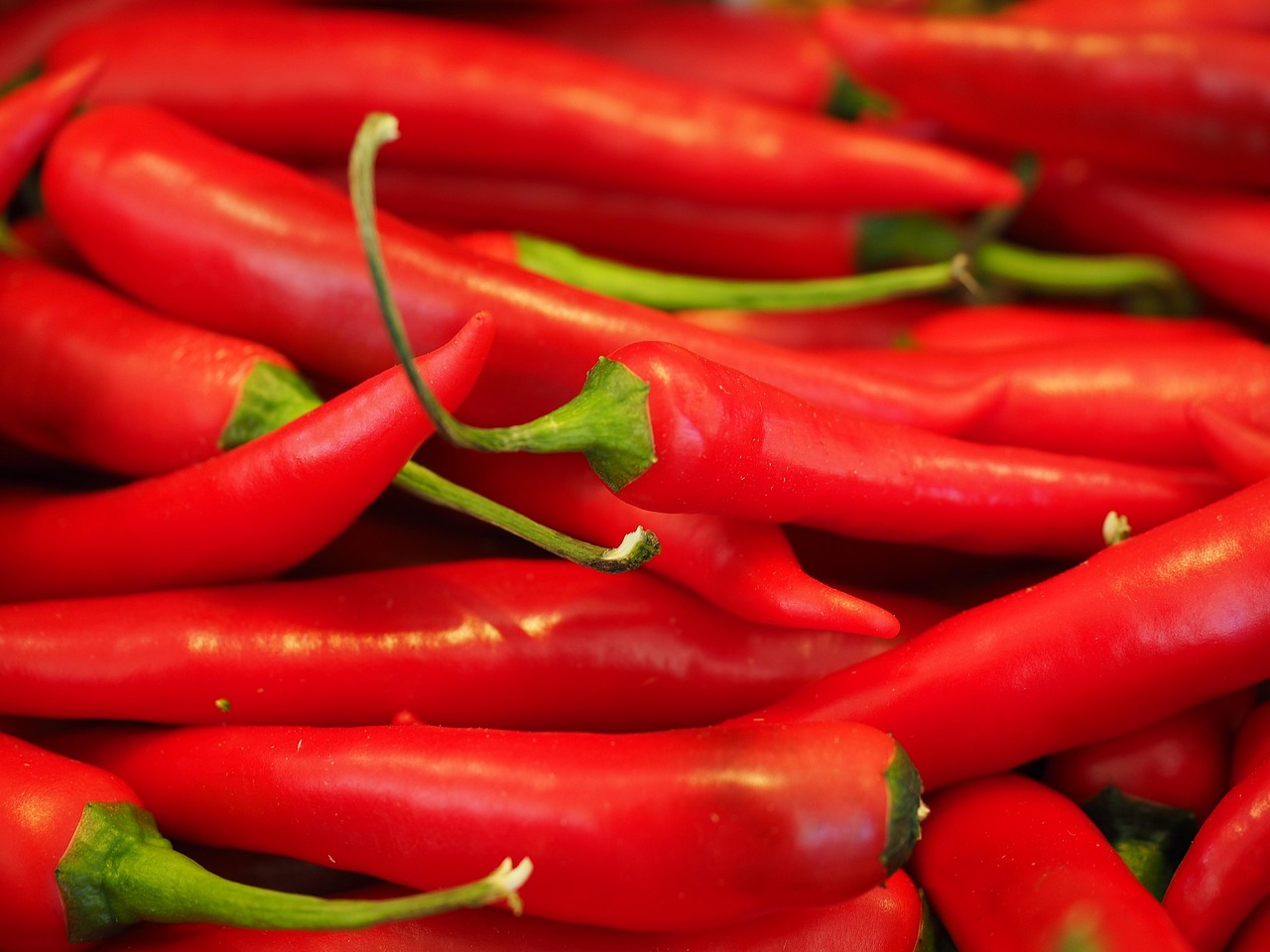
The Japanese immigrants who arrived in Peru over a century ago found themselves in a land of unimaginable bounty. They took their traditional techniques—slicing, steaming, raw preparations—and applied them to the bold flavors of the Andes and the Amazon. Today, a Nikkei dish might feature the delicate fattiness of an Amazonian paiche fish paired with the smoky heat of a rocoto chili or the earthy sweetness of a purple potato dried in the high Andean sun.
This spirit of fusion extends to every corner of the city, from the Italian-influenced Tallarín Verde to the West African roots of Anticuchos (grilled beef heart). Lima’s palate is a restless, evolving entity that refuses to be categorized.
FAQ: Planning Your Lima Culinary Trip
When is the best time to eat ceviche in Lima? Traditionally, Limeños eat ceviche only for lunch. While some modern restaurants serve it at night, the "freshness window" is widely considered to be between 11 am and 3 pm. Most traditional cevicherías, like La Mar, close by 5 or 6 pm.
Do I need reservations for these spots? For Maido and Fiesta, reservations are essential and should be made weeks (or even months) in advance. For La Mar, show up early as they typically do not take reservations and the wait times can be long. Spots like Al Toke Pez and El Chinito are strictly walk-in.
Is it safe to eat street food in Lima? Generally, yes, if you follow the crowds. High-turnover spots like Al Toke Pez are very safe. Always look for places where the food is cooked to order at high heat.
Conclusion
To eat in Lima is to participate in a conversation that has been going on for centuries. Through the eyes of Mitsuharu Tsumura, we see a city that balances the dizzying heights of global gastronomy with a deep, unwavering respect for its roots. Whether you are standing at a cramped counter in Surquillo or seated in the refined halls of San Isidro, the message is the same: the ingredients are sacred, the history is present, and the table is always open.
Don't just visit Lima to check off a list of "best restaurants." Visit to get lost in its flavors, to stay for those recommended 14 days, and to find that one dish—be it a simple pork sandwich or a complex Nikkei tiradito—that makes you want to come back.