Quick Facts
- The KFC Phenomenon: Approximately 3.5 million Japanese households celebrate Christmas with a "Party Barrel" of fried chicken, a tradition sparked by a 1970s marketing campaign.
- A "Pooping" Heritage: In Catalonia, traditions like the Tió de Nadal (a gift-giving log) and the Caganer (a figurine for the nativity) celebrate fertility and good luck through humorous, earthy symbolism.
- The Origin of Tinsel: The shimmering decorations on your tree likely trace back to a Ukrainian legend about a Christmas spider who spun golden webs for a family too poor to afford ornaments.
- Monstrous Monuments: The Gävle Goat in Sweden is a massive straw structure standing 43 feet tall, famously becoming the target of annual (and illegal) arson attempts.
- The Witch of Epiphany: In Italy, children wait for La Befana, a soot-covered old woman who delivers treats on January 5th, rather than Santa Claus on the 24th.
As the December frost begins to lace the windows of my studio, my thoughts invariably drift away from the standard imagery of snow-dusted pines and roasting turkeys. While many of us share the same calendar date, the way we invite the "holiday spirit" into our homes is as diverse as the spices in a well-traveled kitchen. Christmas is not a monolith; it is a vibrant, sometimes bizarre, and deeply soulful tapestry of local folklore and culinary evolution.
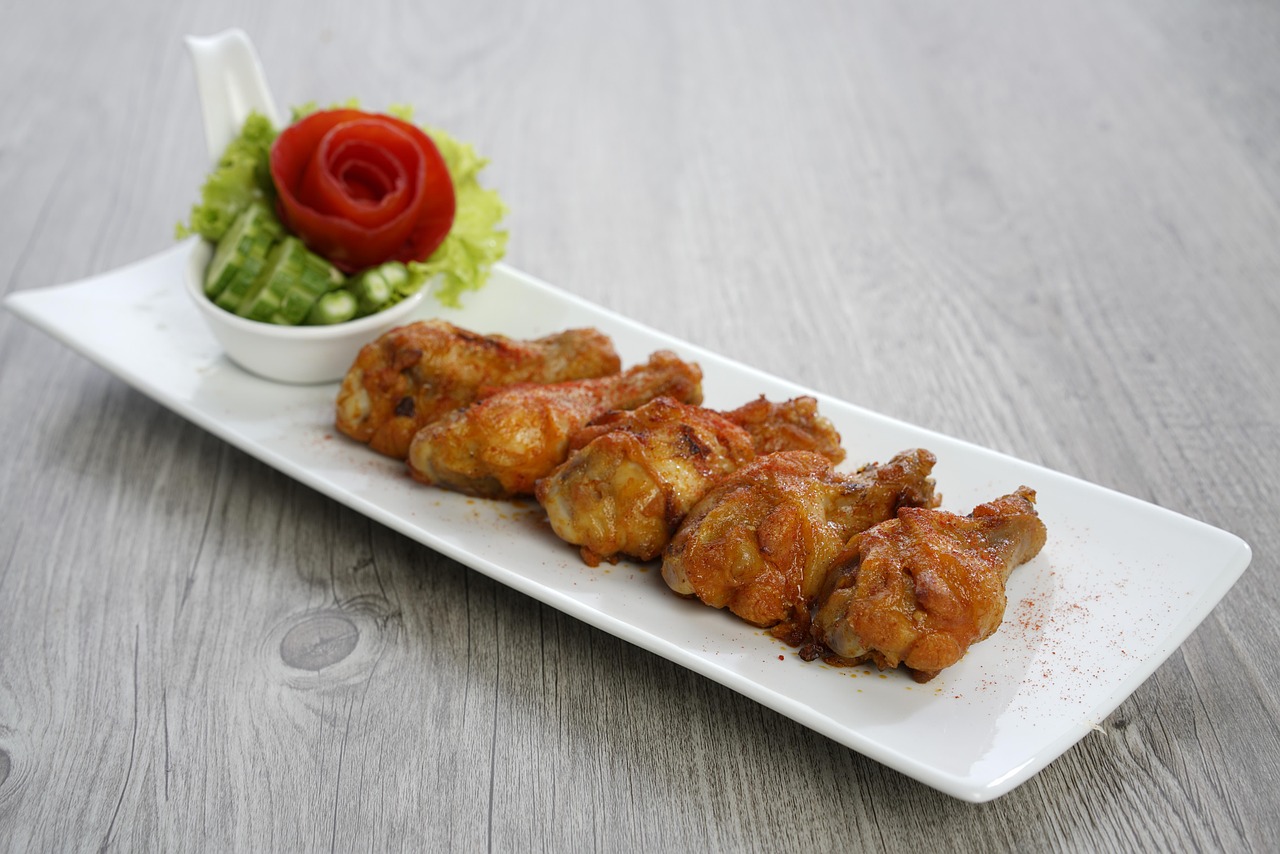
In Japan, the holiday isn't a religious observance but a cultural phenomenon centered around a red-and-white bucket of fried chicken. Why do people in Japan eat KFC for Christmas? It wasn't an ancient decree, but the marketing genius of Takeshi Okawara, the first KFC manager in the country. In 1970, he overheard foreigners in his store talking about how they missed having turkey for Christmas and realized a "Party Barrel" of fried chicken could be the perfect substitute. Today, an estimated 3.5 million Japanese households maintain this tradition, often ordering their meals weeks in advance to avoid the hours-long queues on December 25th.
From the alpine shadows of Central Europe to the sun-drenched barbecues of South Africa, join me on a journey through eleven of the world's most fascinating holiday customs.
1. The Finger-Lickin' Feast: Japan's KFC Tradition
To understand Christmas in Japan is to understand the power of branding turned into beloved ritual. Walking through the streets of Tokyo in late December, you won’t just see lights; you’ll see Colonel Sanders dressed in a full Santa Claus suit outside almost every KFC storefront. This isn't just a fast-food meal; it's a "Kurisumasu ni wa Kentakkii" (Kentucky for Christmas) experience.
The tradition evolved from a clever 1974 national campaign that filled a void in a country where Christmas had no historical roots. Since turkey was (and still is) nearly impossible to find in Japan, the fried chicken bucket became the modern Christmas roast.
- The Meal: A typical "Party Barrel" includes not just the signature chicken, but often a festive cake and sometimes even a commemorative plate or a bottle of wine.
- The Scale: Christmas Eve is the busiest day of the year for KFC Japan, with sales frequently reaching ten times their usual daily volume.
- The Aesthetic: The packaging is elaborately designed with holiday motifs, making the bucket a centerpiece of the dinner table.
2. The Scatological Fun of Catalonia: Caganer and Tió de Nadal
In the Catalonia region of Spain, Christmas takes a turn toward the earthy and the humorous. If you look closely at a traditional Catalan nativity scene, nestled behind a stable or tucked under a bridge, you will find the Caganer. This small ceramic figurine is depicted in the act of, quite literally, "fertilizing" the earth. Far from being seen as disrespectful, the Caganer is a symbol of prosperity and luck, ensuring the soil is fertile for the coming year.
Even more central to the Catalan home is the Tió de Nadal, or the "pooping log." This is a small hollow log with a painted smiling face, two wooden legs, and a traditional red Catalan hat (the barretina).
- The Care: Starting on the Feast of the Immaculate Conception (December 8th), children "feed" the log every night with scraps of fruit and bread, covering him with a blanket to keep him warm.
- The "Delivery": On Christmas Eve, children beat the log with sticks while singing a traditional song, demanding that he "poop" out presents.
- The Reward: When the blanket is finally lifted, the children find small candies, nuts, and torró (nougat) hidden underneath.

3. The Legend of the Ukrainian Christmas Spider
In Ukraine, the Christmas tree doesn't just sparkle with glass baubles; it is often draped in delicate, shimmering spider webs. This stems from a beautiful piece of folklore known as the "Legend of the Christmas Spider."
What is the story behind the Ukrainian Christmas spider? Legend tells of a poor, hardworking widow who lived in a small hut with her children. They had managed to grow a pine tree from a cone that fell on their floor, but when Christmas Eve arrived, they were too poor to decorate it. The widow went to bed weeping. Hearing her cries, the spiders in the hut spun intricate webs all over the tree. On Christmas morning, as the first rays of sun hit the branches, the webs magically turned into gold and silver.
- The Legacy: This story is the historical origin of modern Christmas tinsel.
- The Ornament: Today, Ukrainians decorate their trees with Pavuchky (little spiders) made of wire, beads, or glass to invite good fortune for the coming year.
- The Meaning: It serves as a poignant reminder that even in times of scarcity, there is beauty and magic to be found.
4. The Giant Gävle Goat in Sweden
Since 1966, the town of Gävle, Sweden, has erected a massive version of a traditional Swedish Christmas straw goat (the Gävlebocken). The tradition of the straw goat dates back to ancient Norse mythology, where goats pulled the chariot of the god Thor.
The Gävle Goat is a record-breaking monument, standing at a staggering 43 feet tall. It is constructed over several weeks using tons of straw and miles of rope. However, the goat is famous for more than just its size. Every year, a "battle" of sorts takes place between the authorities who build the goat and the citizens who attempt to burn it down.
- The "Tradition": Despite being illegal, the goat has been burned, smashed, or otherwise destroyed over 30 times in its history.
- The Security: The town now uses 24-hour security guards, double fences, and even flame-retardant coating to protect the goat, making the survival of the goat until New Year's Day a matter of national suspense.

5. Alpine Nightmares: The Krampus of Central Europe
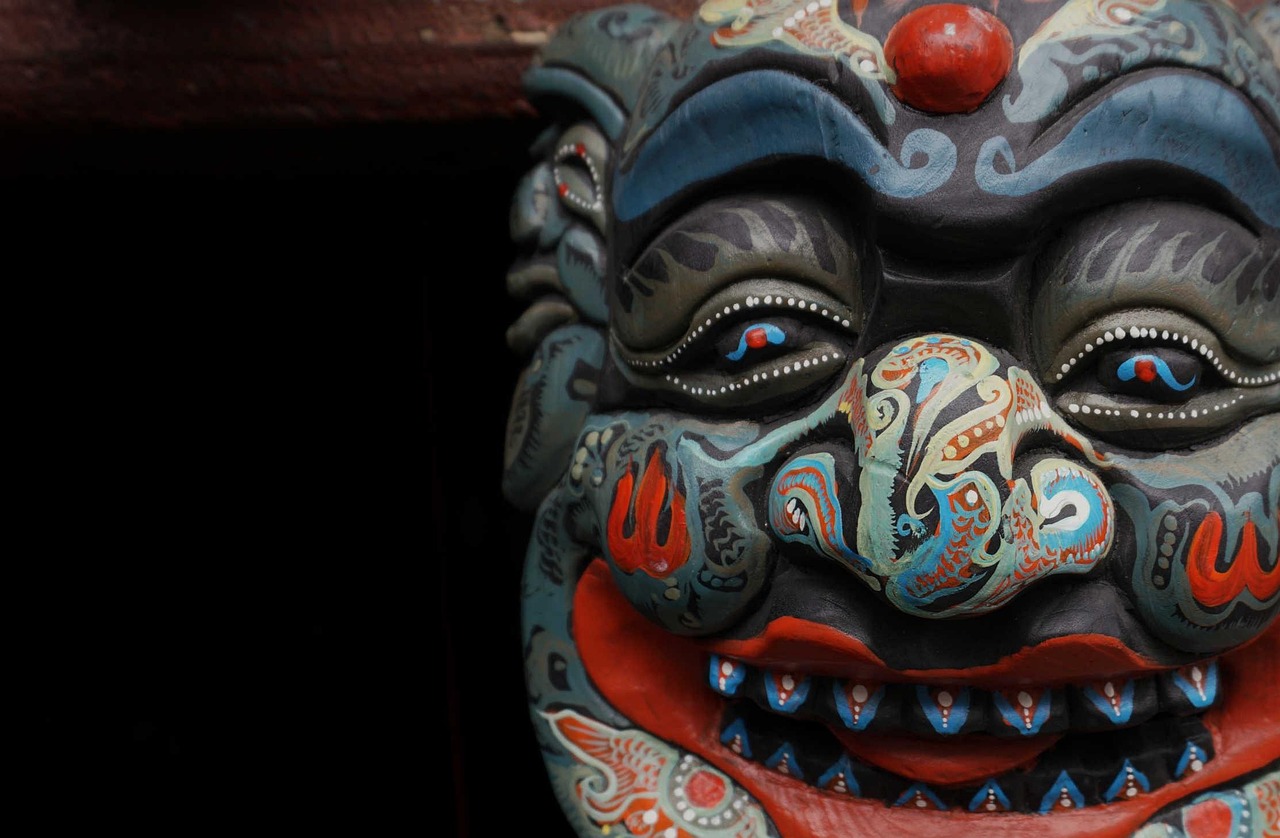
In the snowy peaks of Austria, Southern Germany, and the Czech Republic, Christmas has a dark side. While Saint Nicholas rewards the good children, his terrifying counterpart, Krampus, deals with the naughty. Krampus is a horned, anthropomorphic figure described as "half-goat, half-demon," who carries a bundle of birch branches and a sack to spirit away ill-behaved children.
- Krampusnacht: On the night of December 5th, men dress in elaborate, frightening costumes—complete with heavy hand-carved wooden masks and real animal horns—to participate in the Krampuslauf (Krampus Run).
- The Atmosphere: The air is thick with the sound of clanking cowbells and the smell of schnapps as these "monsters" roam the streets, playful yet menacing.
- The Contrast: It creates a fascinating balance of fear and festive joy, a reminder that the winter solstice was historically a time of both celebration and trepidation.
6. The Good Witch of Italy: La Befana
If you are a child in Italy, the Christmas season doesn't end on December 25th. You are waiting for January 5th, the Eve of Epiphany. This is the night when La Befana arrives.
Who is La Befana in Italian Christmas culture? She is a soot-covered, kind-hearted old woman who flies on a broomstick. According to legend, the Three Wise Men stopped at her house to ask for directions to the manger. She fed them and kept them warm but declined their invitation to join the search. Later, she regretted her decision and set out to find the Christ Child herself. She never found him, so now she leaves gifts for all children, just in case one of them is the one she seeks.
- The Treats: She enters through the chimney and fills stockings with candy and small toys for the good, and "coal" (usually black sugar candy) for the naughty.
- The Celebration: In Venice, people celebrate with the Regata delle Befane, where men dressed as the witch compete in a rowing race along the Grand Canal.
7. Rollerskating to Mass in Venezuela
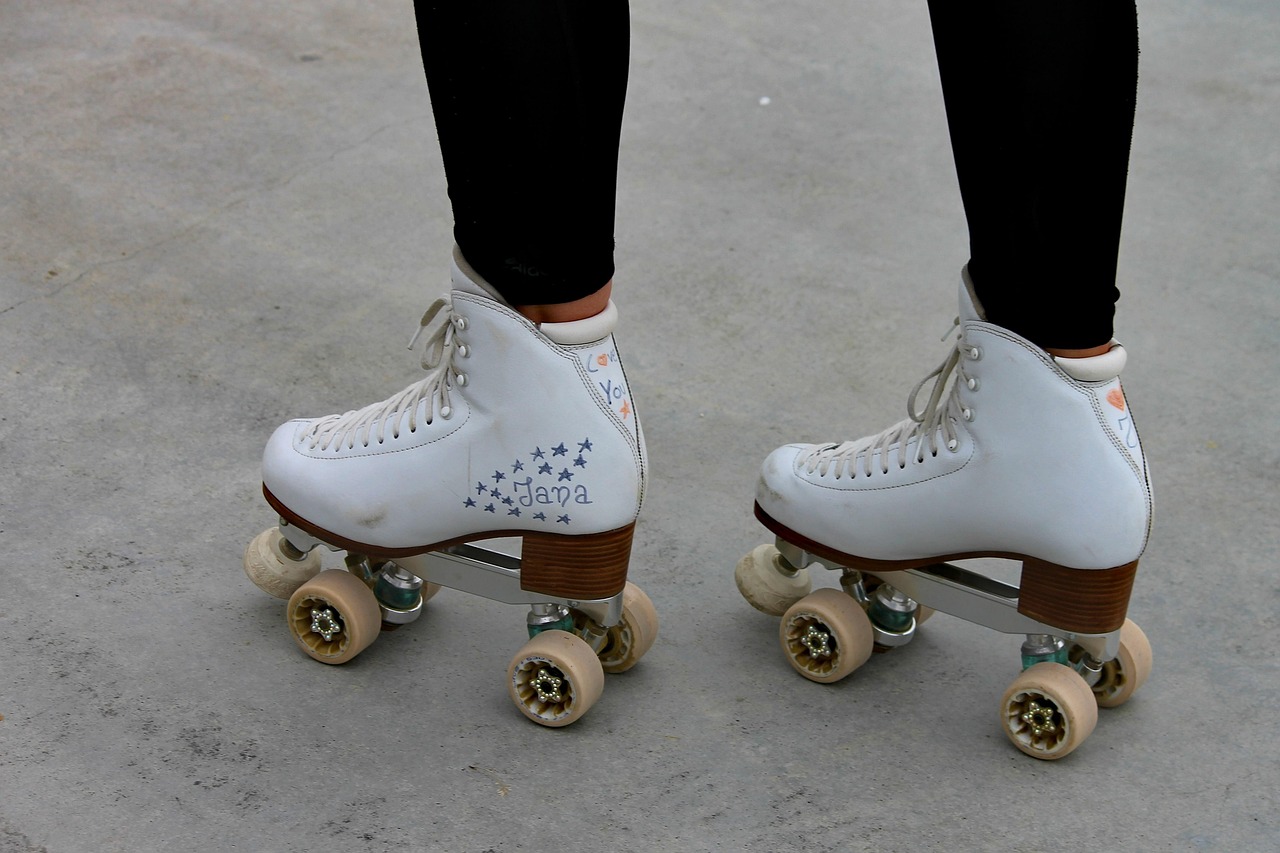
In the Venezuelan capital of Caracas, the commute to early morning Christmas Mass involves wheels rather than walking. From December 16th to 24th, the city closes its streets to cars until 8 a.m. to allow the residents to rollerskate to church.
- The "Patinatas": These events, known as Las Patinatas Navideñas, turn the city into a giant block party. Families wake up as early as 4 or 5 a.m. to the sound of firecrackers and bells.
- The Cuisine: After the service, skaters refuel on hallacas (tamales wrapped in banana leaves) and pan de jamón (ham-filled bread).
- The Community: It is a high-energy, joyful tradition that transforms a solemn religious duty into a communal celebration of movement and music.
8. Summer Braais in South Africa
For those of us in the Northern Hemisphere, Christmas is synonymous with "cozy." But in South Africa, December is the height of summer, with temperatures often soaring between 75 and 90 degrees Fahrenheit. Here, the traditional heavy roast is replaced by the Braai—the South African barbecue.
- The Menu: Families gather outdoors to grill marinated steaks, lamb chops, and sosaties (spicy meat skewers).
- The Dessert: The meal almost always ends with Malva pudding, a sweet, spongy apricot-flavored cake served warm with a rich cream custard—a delicious colonial legacy.
- The Setting: Many South Africans spend the day at the beach or by the pool, trading parkas for swimsuits and snowmen for sandcastles.
9. Giant Star Lanterns in the Philippines
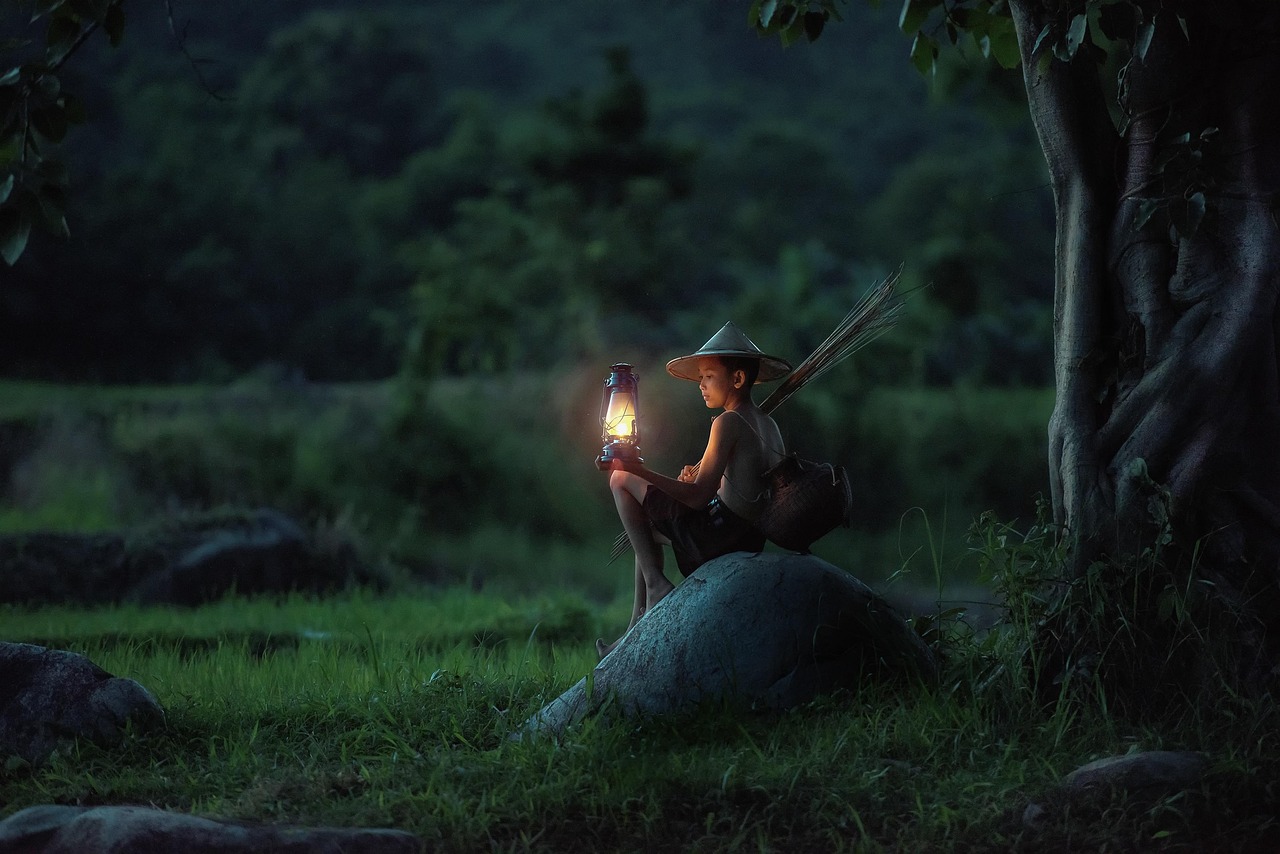
The Philippines is home to the world’s longest Christmas season, beginning as early as September. The ultimate symbol of this period is the Parol—a star-shaped lantern that represents the Star of Bethlehem.
The most spectacular display occurs in San Fernando, known as the "Christmas Capital of the Philippines." During the Giant Lantern Festival, villages compete to build the most elaborate lanterns. These aren't your average paper stars; they are massive structures of steel and bamboo, some reaching 20 feet in diameter, fitted with thousands of lightbulbs synchronized to music.
- The Engineering: Modern Parols use complex rotors and wiring to create kaleidoscopic patterns of light that pulse and dance.
- The Spirit: They symbolize the victory of light over darkness and the resilience of the Filipino spirit.
10. The Night of the Radishes in Mexico
On December 23rd, the city of Oaxaca, Mexico, hosts one of the world's most unique festivals: La Noche de Rábanos (The Night of the Radishes). Local artisans compete in a radish-carving competition that dates back to 1897.
These aren't the small, round radishes you find in a salad. These are specially grown, oversized, and often misshapen tubers. Artists spend hours carving them into intricate scenes, including nativity sets, local wildlife, and depictions of Oaxacan culture.
- The Craft: Because radishes wilt quickly, the sculptures only stay fresh for a few hours, making the festival an ephemeral celebration of skill and nature.
- The History: The tradition began when vegetable sellers started carving radishes into figures to attract customers to the Christmas market.
11. The Christmas Pickle in the United States
In many American households, there is a curious ornament hidden deep within the branches of the Christmas tree: a green glass pickle. The "tradition" dictates that the first child to find the pickle on Christmas morning receives an extra gift or the honor of opening the first present.
While often cited as a "traditional German custom" (the Weihnachtsgurke), most Germans have never actually heard of it. The most likely origin is an 1880s marketing push by the Woolworths department store to sell imported glass ornaments. Regardless of its disputed history, it has become a beloved game of observation and patience in many American homes.
Global Traditions at a Glance
| Country | Tradition | Category | Key Element |
|---|---|---|---|
| Japan | KFC Feast | Food | 3.5M households eating fried chicken |
| Spain (Catalonia) | Caganer / Tió de Nadal | Folklore | A "pooping" log that gives candy |
| Ukraine | Christmas Spider | Folklore | Web-like tinsel decorations |
| Sweden | Gävle Goat | Monument | 43-foot tall straw goat |
| Italy | La Befana | Folklore | An old woman delivering treats on Jan 5 |
| Venezuela | Caracas Rollerskating | Activity | Skating to early morning Mass |
| Mexico | Night of the Radishes | Art | Elaborate carvings from oversized radishes |
FAQ
Why do people in Japan eat KFC for Christmas?
The tradition started in 1970 after Takeshi Okawara, the first KFC manager in Japan, promoted a "Party Barrel" as a substitute for the traditional American turkey dinner. It was so successful that it became a national cultural staple.
What is the significance of the Ukrainian Christmas spider?
It symbolizes the idea that even the humblest creatures can bring beauty and wealth. It is also the legendary inspiration for the invention of Christmas tinsel.
Who is La Befana?
La Befana is an Italian folklore figure, an old woman who delivers gifts to children on Epiphany Eve (January 5th). She is considered Italy’s version of Santa Claus, though her story is tied to the Three Wise Men.
Is the Gävle Goat supposed to be burned?
Officially, no. The town of Gävle builds it as a festive monument. However, an "unofficial" tradition has developed where people attempt to burn it down, leading to a yearly high-stakes game of security versus arson.
Whether you’re biting into a piece of crispy fried chicken in Tokyo or searching for a hidden glass pickle in the Midwest, these traditions remind us that the holidays are a canvas for human creativity. They allow us to connect with our past, laugh at the absurd, and find warmth in the darkest months of the year.
If you’re feeling inspired to start a new tradition this year—perhaps a Catalan log for the kids or a South African style barbecue—remember that the best customs are the ones that bring your community together.