Quick Facts
- The Global Ranking: Mexico City is widely recognized as the city with the second-highest number of museums in the world, surpassed only by London, boasting hundreds of diverse collections.
- The Ultimate Must-See: The National Museum of Anthropology is the top-rated destination, featuring 23 rooms and the world's largest collection of ancient Mesoamerican artifacts, including the legendary Aztec Sun Stone.
- Muralist Icons: To see the definitive works of Diego Rivera, head to the National Palace, the Palace of Fine Arts, and the newly opened Museo Vivo del Muralismo.
- Visitor Volume: The National Museum of Anthropology attracts over 2 million visitors annually, marking it as a global titan of cultural tourism.
Introduction: The Museum Capital of North America
The air in Mexico City carries a certain weight—a mixture of petrichor from the afternoon rains and the invisible dust of empires long since folded into the earth. To walk these streets is to traverse a living palimpsest, where Spanish colonial cathedrals rest precariously upon the volcanic foundations of Aztec temples. It is a city of layered time, and there is no better way to peel back those layers than through its staggering density of cultural institutions.
Many travelers are surprised to learn that Mexico City features a uniquely high density of cultural sites, ranking second worldwide with literally hundreds of museums spanning thousands of years of history. Only London holds more. From the sun-drenched courtyards of Coyoacán to the brutalist grandeur of Chapultepec Park, the city offers an odyssey through human creativity. Whether you are chasing the ghost of Frida Kahlo or standing in the shadow of a monolithic monolith, the museum landscape here is not just a collection of objects—it is a sensory journey into the soul of Mexico.
| Museum Name | Best For | Must-See Artifact | Recommended Time |
|---|---|---|---|
| National Museum of Anthropology | Ancient History | Aztec Sun Stone | 3–4 Hours |
| Frida Kahlo Museum (Casa Azul) | Personal Narrative | Frida's Studio | 2 Hours |
| Palace of Fine Arts | Muralism & Architecture | Rivera's 'Man at the Crossroads' | 1.5 Hours |
| Templo Mayor | Urban Archaeology | Coyolxauhqui Monolith | 2 Hours |
| Museo Soumaya | European & Mexican Art | Rodin’s 'The Gates of Hell' | 2.5 Hours |
The 'Big Three' Icons: Don't Leave Without Seeing These
1. National Museum of Anthropology (Museo Nacional de Antropología)
If you have time for only one cultural stop, the National Museum of Anthropology is the undisputed must-see museum in Mexico City. Designed by Pedro Ramírez Vázquez, the building is a masterpiece of mid-century modernism, centered around a courtyard where a colossal "umbrella" fountain mimics the falling rain—a nod to the life-giving water so vital to Mesoamerican civilizations.
Inside, the museum houses 23 rooms that chart the rise and fall of civilizations like the Olmec, Maya, and Mexica (Aztec). The scale is humbling. In the Aztec Hall, you will find the Sun Stone, often erroneously called the Aztec Calendar. This massive basalt disk represents the five eras of the universe and remains one of the most significant archaeological finds in the Americas.
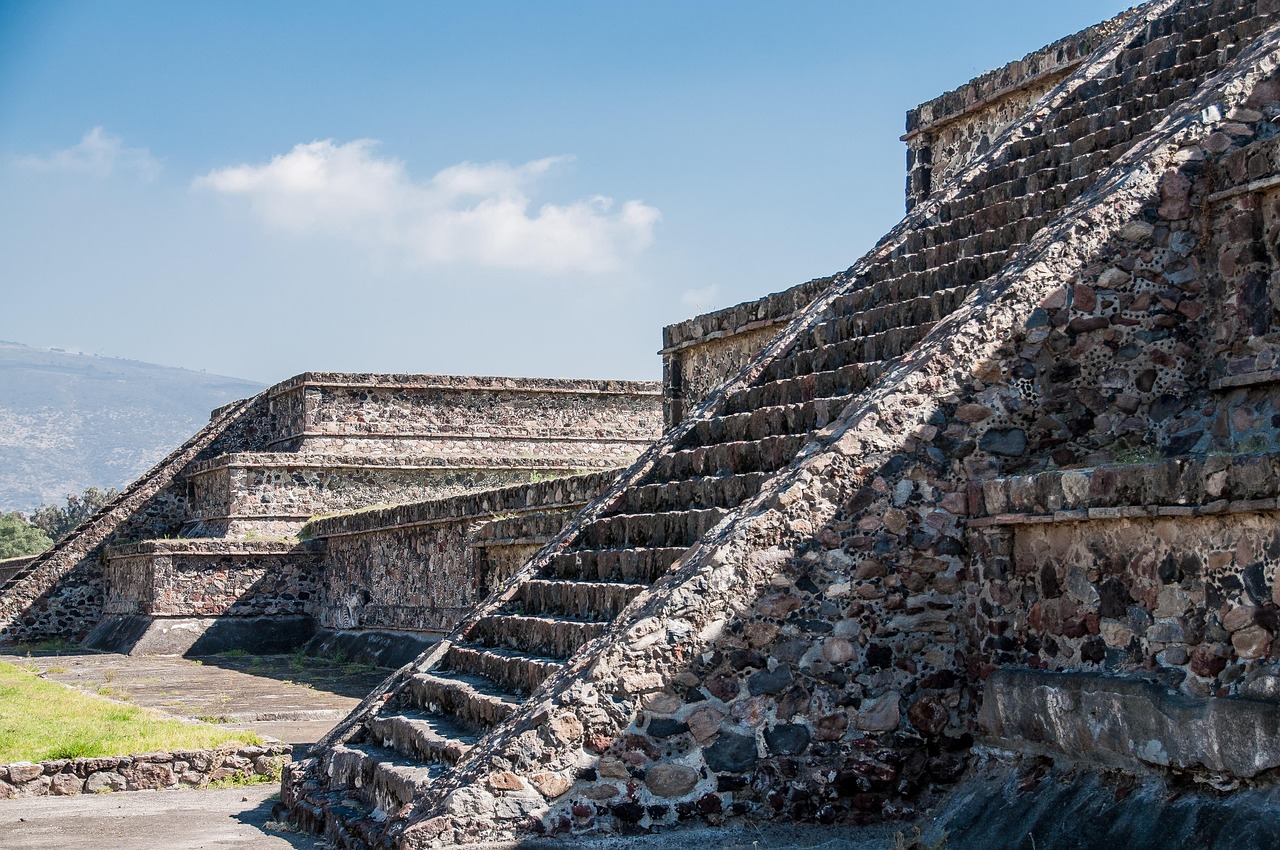
Olivia’s Pro Tip: Avoid "museum fatigue" by focusing on the ground floor's archaeology halls. The Teotihuacan and Mexica rooms are the crown jewels. If you have energy left, the second floor offers a fascinating look at modern indigenous cultures.
2. Frida Kahlo Museum (Casa Azul)
In the bohemian neighborhood of Coyoacán, the vibrant cobalt-blue walls of the Casa Azul rise like a fever dream. This was the house where Frida Kahlo was born, lived with Diego Rivera, and eventually breathed her last. Unlike the grand halls of anthropology, this is an intimate space. You can almost smell the turpentine in her studio and feel the weight of her presence in the small, sunlit kitchen adorned with traditional yellow tiles.
The collection includes her personal orthopedic corsets—painted with symbols of life and pain—and the lush garden that provided her with constant inspiration. Because of its global fame, tickets are notoriously difficult to secure.
Book Casa Azul Tickets Weeks in Advance →
3. Palace of Fine Arts (Palacio de Bellas Artes)
Standing at the edge of the Alameda Central, the Palacio de Bellas Artes is a sensory contradiction. Its exterior is a creamy, Art Nouveau dream of white marble, topped with a riotous yellow-and-orange dome. Step inside, and you are transported into a sleek, Art Deco interior that feels like a temple to industrial progress.
While it functions as the city's premier opera house, the second and third floors are a pilgrimage site for lovers of Mexican Muralism. Here, you will find some of the most iconic murals by Diego Rivera, David Alfaro Siqueiros, and José Clemente Orozco. Rivera’s Man, Controller of the Universe is particularly poignant—a recreation of the mural originally commissioned (and then destroyed) by the Rockefeller family in New York because of its anti-capitalist imagery.
Murals and Ancient Ruins in the Centro Histórico
The historic center is where the city’s heart beats loudest. It is a place of grand plazas and narrow alleys where history is painted directly onto the walls.
4. National Palace (Palacio Nacional)
Located on the eastern side of the Zócalo, the National Palace is the seat of the federal executive, but for art lovers, it is the site of Diego Rivera's magnum opus. His mural, The History of Mexico, wraps around the grand staircase in a kaleidoscopic sweep of color and narrative. It depicts the history of the nation from the pre-Hispanic era through the Conquest, the Inquisition, and into the socialist aspirations of the early 20th century.
5. Templo Mayor Museum
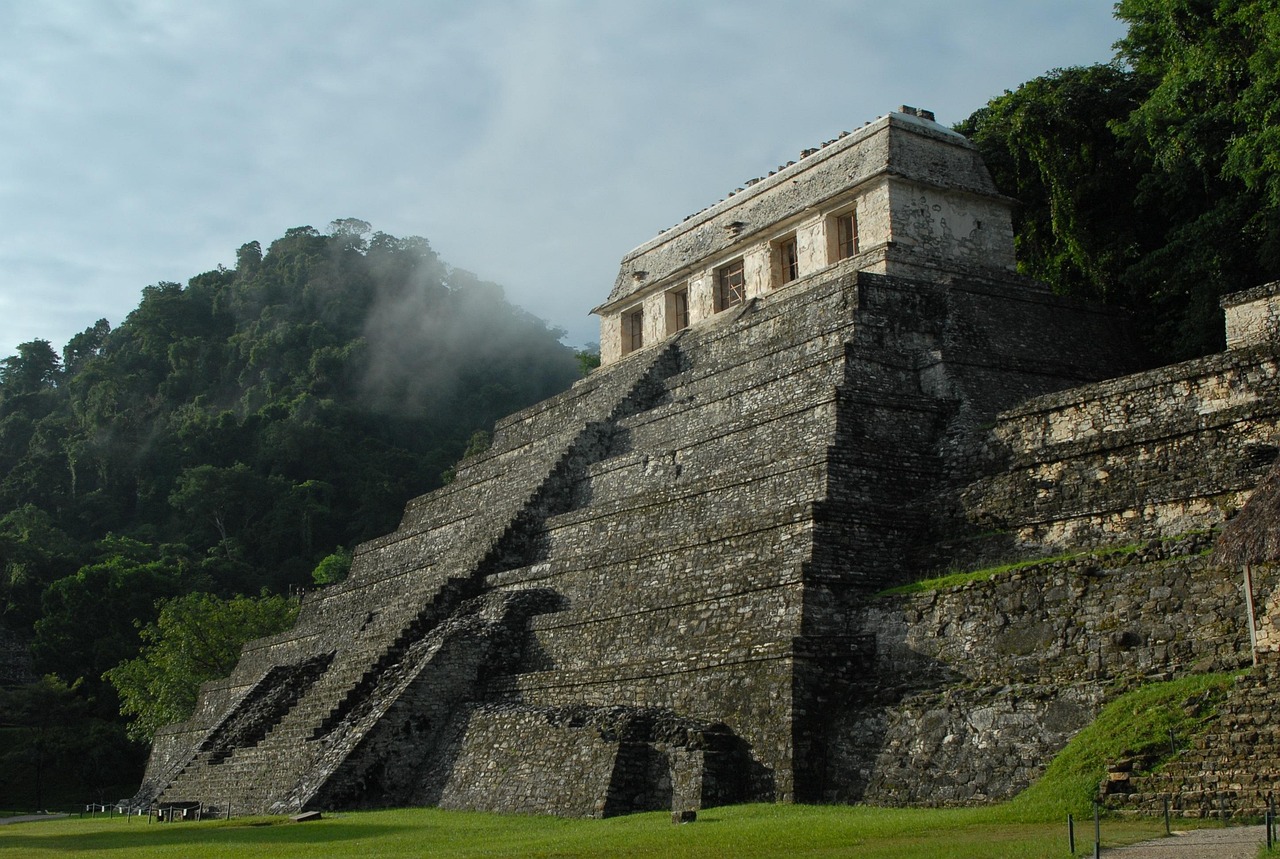
Just steps away from the Metropolitan Cathedral lies a wound in the earth that reveals the city's pre-Hispanic bones. Templo Mayor was the religious heart of Tenochtitlan, the Aztec capital. Until 1978, it lay forgotten under the city’s pavement. Today, you can walk through the excavated ruins and visit the adjacent museum, which houses eight rooms filled with offerings found on-site, including the massive circular relief of the moon goddess, Coyolxauhqui.
6. Museo Vivo del Muralismo
A newcomer to the cultural scene as of 2024, the Museo Vivo del Muralismo is housed in the beautifully restored Secretary of Public Education building. It features over 200 mural panels by Rivera and his contemporaries. This site is essential for those seeking a deeper, more quiet connection with the Muralist movement away from the crowds of Bellas Artes.
Modern Art & Architectural Wonders
While Mexico City honors its ancient past, it is also a global hub for contemporary design and avant-garde art.
7. Museo Soumaya
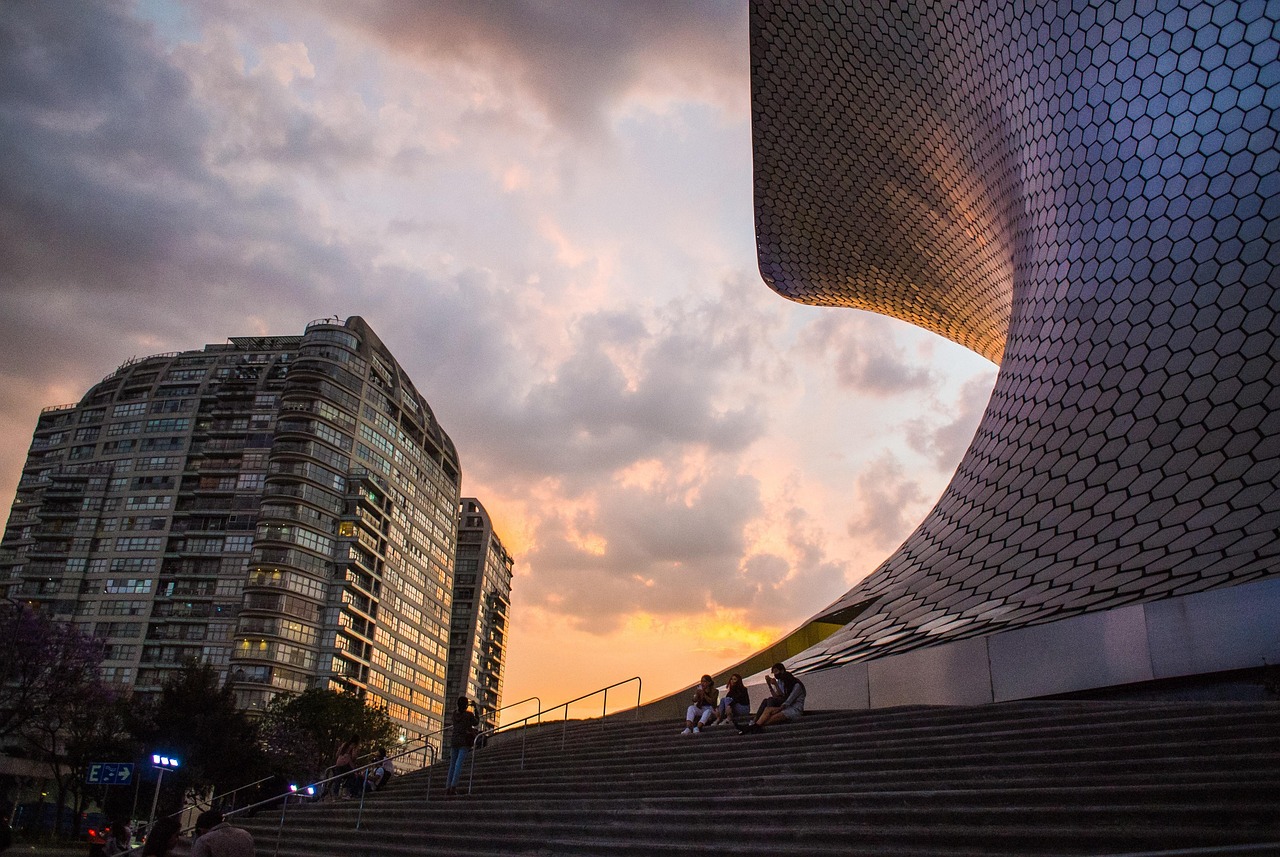
In the sleek district of Polanco, the Museo Soumaya glitters in the sun. Covered in 16,000 hexagonal aluminum tiles, its anvil-like shape is one of the most photographed buildings in the city. Founded by Carlos Slim, the museum houses a vast private collection of over 66,000 pieces. The top floor, bathed in natural light, holds the largest collection of Rodin sculptures outside of France. The best part? Admission is entirely free.
8. Museo Jumex
Located right next to the Soumaya, Museo Jumex offers a sharp aesthetic contrast. Designed by David Chipperfield, its sawtooth roof and minimalist travertine facade house one of Latin America's most significant private contemporary art collections. Expect to see works by Andy Warhol, Jeff Koons, and Damien Hirst, alongside rotating exhibitions of provocative Mexican artists.
9. Luis Barragán House and Studio
For those who believe architecture is art, a visit to the home of Pritzker Prize-winner Luis Barragán is a religious experience. Located in the San Miguel Chapultepec neighborhood, this UNESCO World Heritage site is a masterclass in the use of light, shadow, and bold Mexican pinks. It is a serene, introspective space that feels far removed from the city’s chaos. Note that visits are by guided tour only and must be booked well in advance.
The Hidden Gems & Specialized Collections
Beyond the headlines lie the specialized museums that capture the quirky, the artisanal, and the delicious aspects of Mexican life.
10. Museo de Arte Popular (Folk Art Museum)
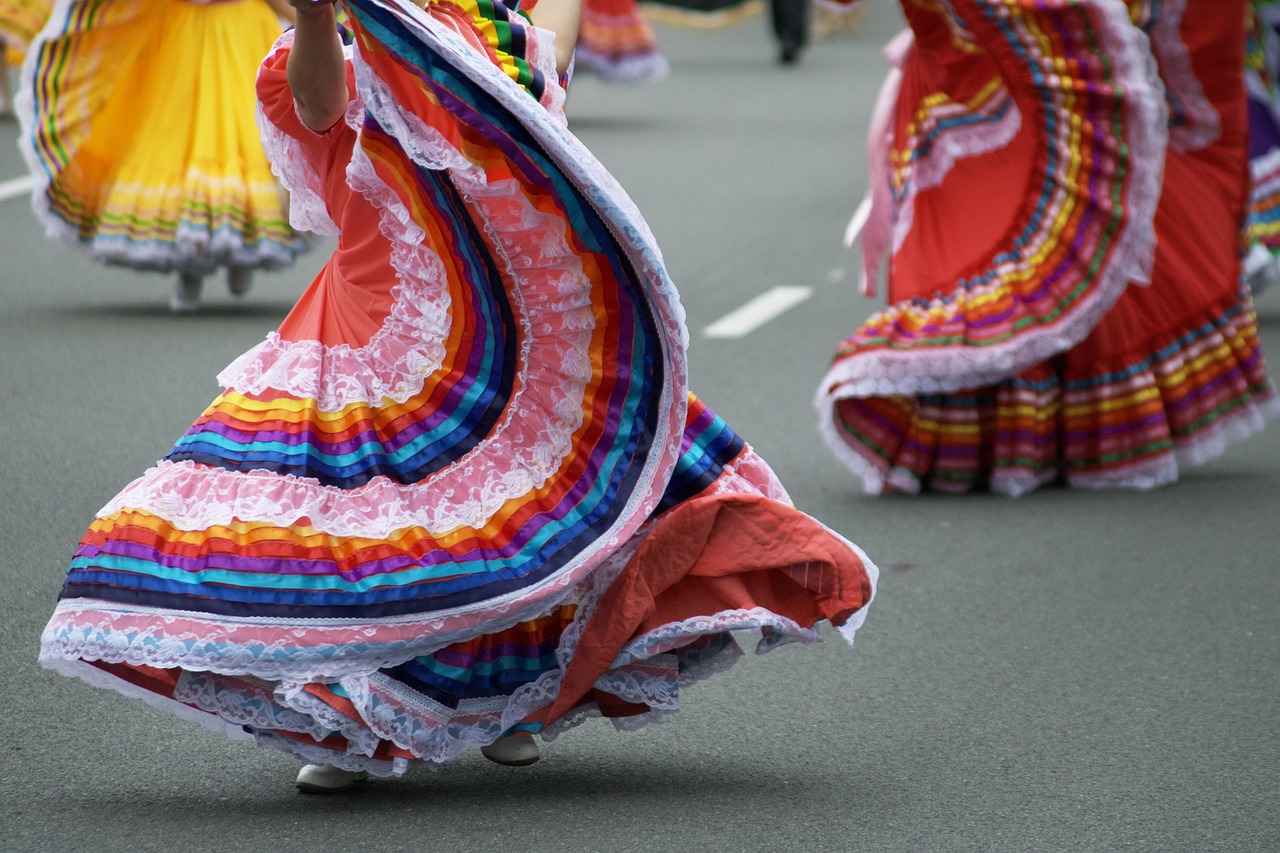
Housed in a stunning Art Deco fire station, this museum is a celebration of the artesania that defines Mexican craft. From the whimsical, multi-colored alebrijes (mythical creatures) to intricate beadwork from the Huichol people, the museum vibrates with creative energy. It is a testament to the fact that in Mexico, art is not just for galleries—it is part of the fabric of daily life.
11. MUCHO (Museum of Chocolate)
Chocolate has deep Mesoamerican roots, and MUCHO explores this history through a sensory lens. Visitors can learn about the transition of cacao from a sacred Mayan currency to a global delicacy. The "Chocolate Room," lined entirely with cocoa bars, fills the air with an intoxicating aroma that you’ll carry with you long after you leave.
12. Museo del Juguete Antiguo (Antique Toy Museum)
For a dose of nostalgia, this sprawling, slightly eccentric museum in the Doctores neighborhood holds one of the largest toy collections in the world. It is a labyrinth of glass cases filled with everything from Lucha Libre figures to vintage trains, offering a window into the childhoods of generations of Mexicans.
13. National Numismatic Museum
Tucked away in a former mint, this museum is a treasure trove for history buffs. You can see the heavy industrial machinery used to strike coins and learn how the silver of the New World once fueled the global economy.
14. Casa de las Mil Muñecas (New for 2024)
This "House of a Thousand Dolls" recently opened its doors, showcasing an incredible collection of dolls that track the social and fashion history of Mexico. It is as much an anthropological study as it is a toy collection.
15-19. Other Notable Mentions
- 15. Museo Tamayo: Contemporary art in a stunning concrete structure within Chapultepec Park.
- 16. Museo de Arte Moderno: Home to Frida Kahlo’s The Two Fridas.
- 17. Museo Dolores Olmedo: Famous for its xoloitzcuintli (hairless dogs) and peacocks roaming the grounds.
- 18. Museo Anahuacalli: A pyramid-shaped museum built by Diego Rivera to house his collection of pre-Hispanic art.
- 19. Franz Mayer Museum: The finest decorative arts collection in Latin America.
Planning Your Cultural Journey: Logistics & Strategy
Navigating Mexico City's museum scene requires a bit of tactical planning. The city is sprawling, and traffic can be a formidable foe.
- The 2-per-day Rule: To truly absorb the experience, limit yourself to two major museums per day. The Anthropology Museum alone can take four hours; pairing it with the nearby Museo Tamayo or Museo de Arte Moderno is a manageable strategy.
- Neighborhood Grouping: Group your visits by neighborhood to save time. Spend one day in the Centro Histórico (Templo Mayor, National Palace, Bellas Artes), another in Chapultepec (Anthropology, Tamayo), and a dedicated afternoon in Coyoacán (Casa Azul, Anahuacalli).
- Mind the Monday Rule: Almost all government-run museums are closed on Mondays. Save your Mondays for walking tours, markets, or private institutions like the Museo Soumaya, which stays open seven days a week.
Frequently Asked Questions (FAQ)
Q: Do I need to buy tickets in advance? A: For the Frida Kahlo Museum (Casa Azul), yes—absolutely. Tickets sell out weeks in advance and are only available online. For the National Museum of Anthropology and Templo Mayor, you can usually buy tickets at the entrance, though there may be a line.
Q: Are the museums wheelchair accessible? A: Most major museums like the Anthropology Museum, Soumaya, and Bellas Artes are fully accessible. However, smaller historic buildings or archaeological sites like Templo Mayor may have uneven surfaces and limited elevator access.
Q: Is photography allowed? A: Generally, yes, but without a flash. Some museums require a small fee (around 50 pesos) to use a professional camera, though phone photography is almost always free.
Conclusion & Travel Resources
Mexico City is a place that refuses to be forgotten. Its museums are not silent repositories of the dead; they are vibrant, loud, and deeply connected to the identity of the people who walk past them every day. From the volcanic stone of the Aztec ruins to the neon-lit galleries of Polanco, these 19 museums offer more than just a history lesson—they offer a way to understand the complex, beautiful, and resilient spirit of Mexico.
Pack your most comfortable walking shoes, keep an eye on the afternoon sky for rain, and prepare to be moved. The "City of Palaces" is waiting to share its secrets with you.