Quick Facts
- The Modern Hub: Song Wat is the current epicenter of Bangkok's creative revival, having seen a 50% growth in creative-led commercial occupancy since 2021.
- Gastronomy: For the ultimate culinary experience, look to Potong for Michelin-starred Thai-Chinese fine dining, or Khao San Sek for authentic, charcoal-grilled seafood.
- Nightlife Evolution: The scene has migrated from Soi Nana into hidden pockets like Goldsmith, a cocktail bar located in a former gold-working shop, and the breezy rooftop of Xin Xe Goi.
- The Luxury Boom: Chinatown is shedding its "budget-only" reputation with a projected 30% increase in high-end hospitality inventory following the arrivals of the Ritz-Carlton and InterContinental hotels.
- Getting There: The MRT Blue Line (Wat Mangkon Station) remains the most efficient gateway into the heart of the district.
The New Pulse: Why Chinatown is Evolving in 2025
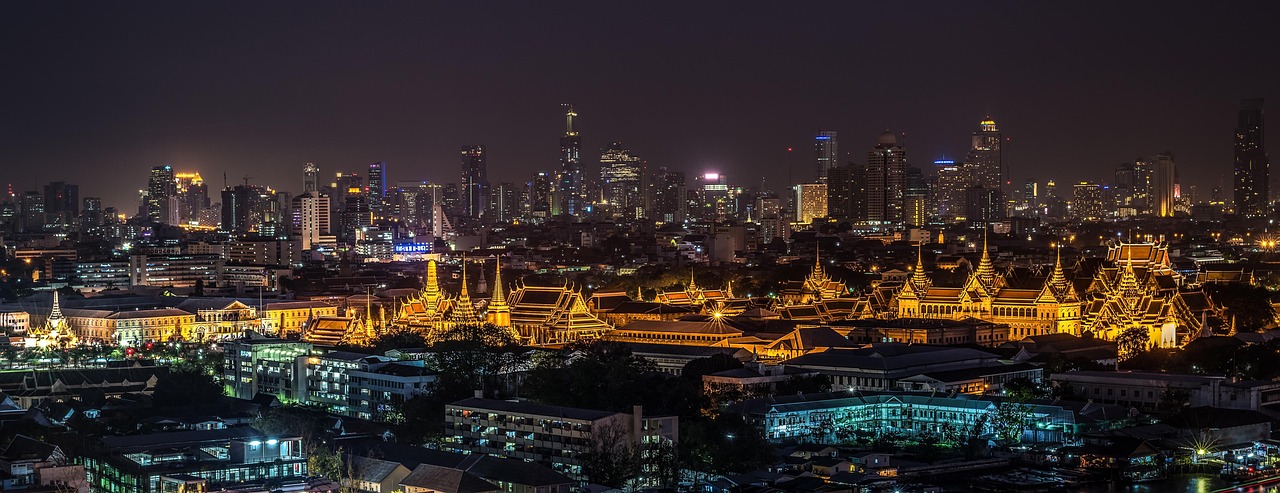
For decades, the narrative of Bangkok’s Chinatown was written in the neon-drenched chaos of Yaowarat Road. It was a place of sensory overload—the clatter of woks, the scent of medicinal herbs, and the push and pull of crowds hunting for the city’s best street food. But as we move through 2025, the neighborhood’s heartbeat has shifted. The energy has bled out from the main drag into the narrow, historic lanes of Song Wat and the quiet corners of the surrounding district.
The evolution is palpable. Where once only wholesale traders and family-run dispensaries stood, you now find a "Sino-chic" aesthetic that blends rough-edged heritage with modern luxury. Song Wat has emerged as the latest creative hub in Bangkok's Chinatown, a waterfront sanctuary where upcycled boutiques like A Thing Snuk and art galleries like TARS Unlimited reside within converted historic shophouses. This isn't just a facelift; it is a profound reimagining of one of the world’s oldest Chinatowns into a premier lifestyle destination.
Song Wat: The Waterfront’s Creative Renaissance
If Yaowarat is the neighborhood’s loud, beating heart, Song Wat is its soul. Established in 1906 following a massive fire, this riverside strip was once the city's primary trading hub for seeds, spices, and grains. Today, it maintains that "appealingly gritty" atmosphere but serves a new generation of entrepreneurs. The district has seen a staggering 50% growth in creative-led commercial occupancy since 2021, transforming it from a traditional trading lane into a curated playground for the city's tastemakers.
Walking down Song Wat feels like navigating a living museum. You might start your morning at Song Wat Coffee Roasters, where the aroma of high-grade beans mixes with the salty breeze from the Chao Phraya River. Just a few doors down, the traditional and the avant-garde collide. A Thing Snuk offers upcycled souvenirs that capture the neighborhood's essence, while TARS Unlimited showcases contemporary art that challenges the status quo.
The charm of Song Wat lies in its preservation. The architecture hasn't been torn down; it has been polished. You’ll see centuries-old pomegranate trees casting shadows over minimalist storefronts, and elderly residents playing mahjong next to digital nomads on laptops. It is this balance of history and innovation that makes Song Wat the most essential stop on any Bangkok Chinatown travel guide in 2025.
Pro-Tip: Song Wat is best explored during the daylight hours when the boutiques and galleries are open. Arrive around 10:00 AM to beat the heat, and plan for a late lunch at one of the riverside cafes.
Explore More of Bangkok’s Creative Districts →
Yaowarat: The Street Food Capital of the World
No guide to Chinatown is complete without the sensory explosion of Yaowarat Road. As the sun sets, the gold shops dim their lights, and a second city emerges: a kingdom of street food that has earned its reputation as one of the world's most vibrant dining scenes. In 2025, the classics remain, but new contenders are elevating the experience.
Navigating the main drag requires a strategy. You’ll want to hunt for the staples first: the crispy Hoy Tod (oyster omelette) served on sizzling plates, the legendary charcoal-grilled squid with spicy lime dipping sauce, and the silky bird’s nest soup that has been a local restorative for generations. However, for those seeking a more curated sit-down experience that doesn't sacrifice the "street" soul, Khao San Sek is the name on everyone’s lips. Located in a beautifully weathered shophouse, it offers authentic charcoal-grilled seafood and fiery curries that capture the true heat of Thai-Chinese cuisine.
Must-Try Street Food Checklist
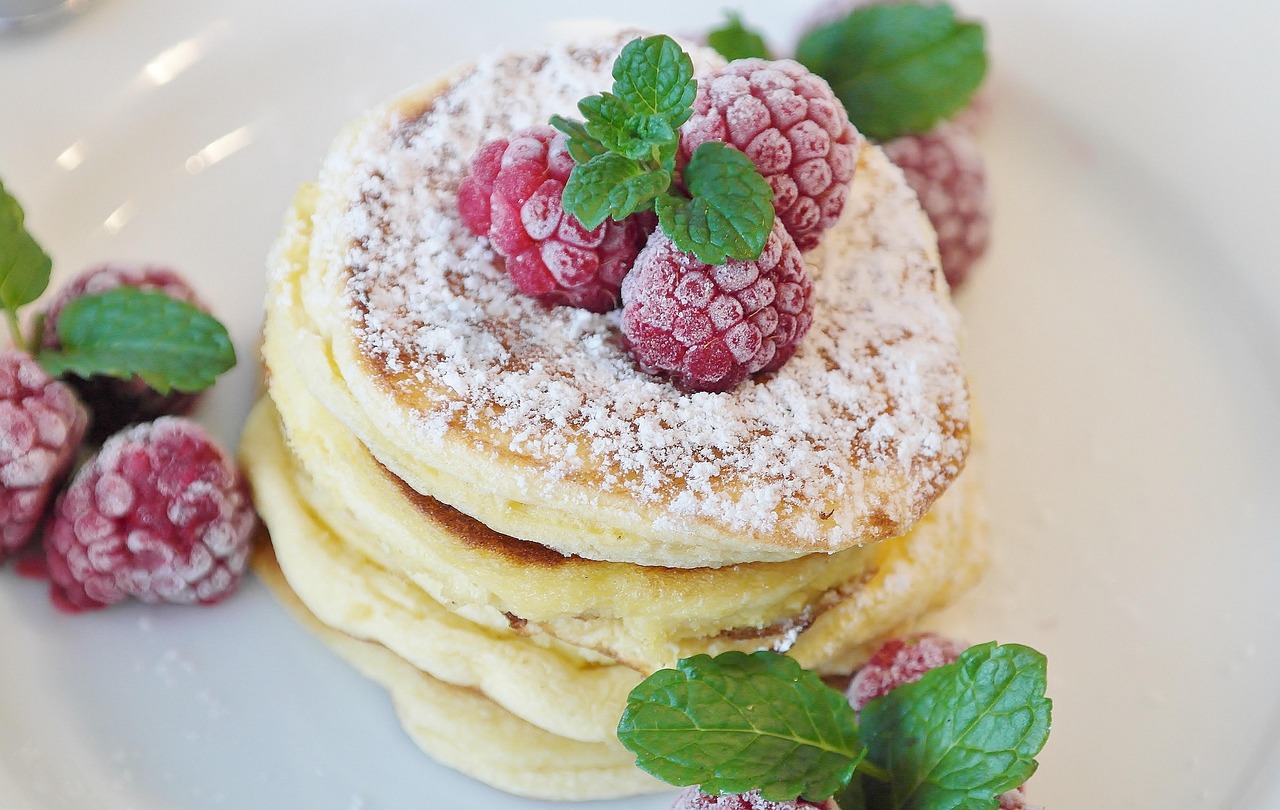
- Guay Jub Ouan Pochana: Peppery rolled rice noodles served in a former movie theater.
- Sweettime: For traditional Chinese desserts like black sesame ginger balls in hot syrup.
- Pa Tong Go Savoey: Charcoal-grilled Chinese donuts that are crisp on the outside and airy within.
Beyond Street Food: High-End Dining and Hidden Gems
While street food is the foundation, the best restaurants in Chinatown Bangkok are increasingly found in the realm of fine dining. The district is currently witnessing a culinary peak where heritage buildings are being repurposed into world-class gastronomic temples.
The undisputed crown jewel of this movement is Potong. Helmed by Chef Pam, this Michelin-starred destination is located in a historic dispensary that has belonged to her family for generations. The dining experience is a narrative-driven journey through Thai-Chinese heritage, using the "5 Elements" (Salt, Acid, Spice, Texture, and Maillard Reaction) to reinvent traditional flavors. It is more than a meal; it is a sensory exploration of the building’s history, from its days as a traditional medicine shop to its current status as a global dining icon.
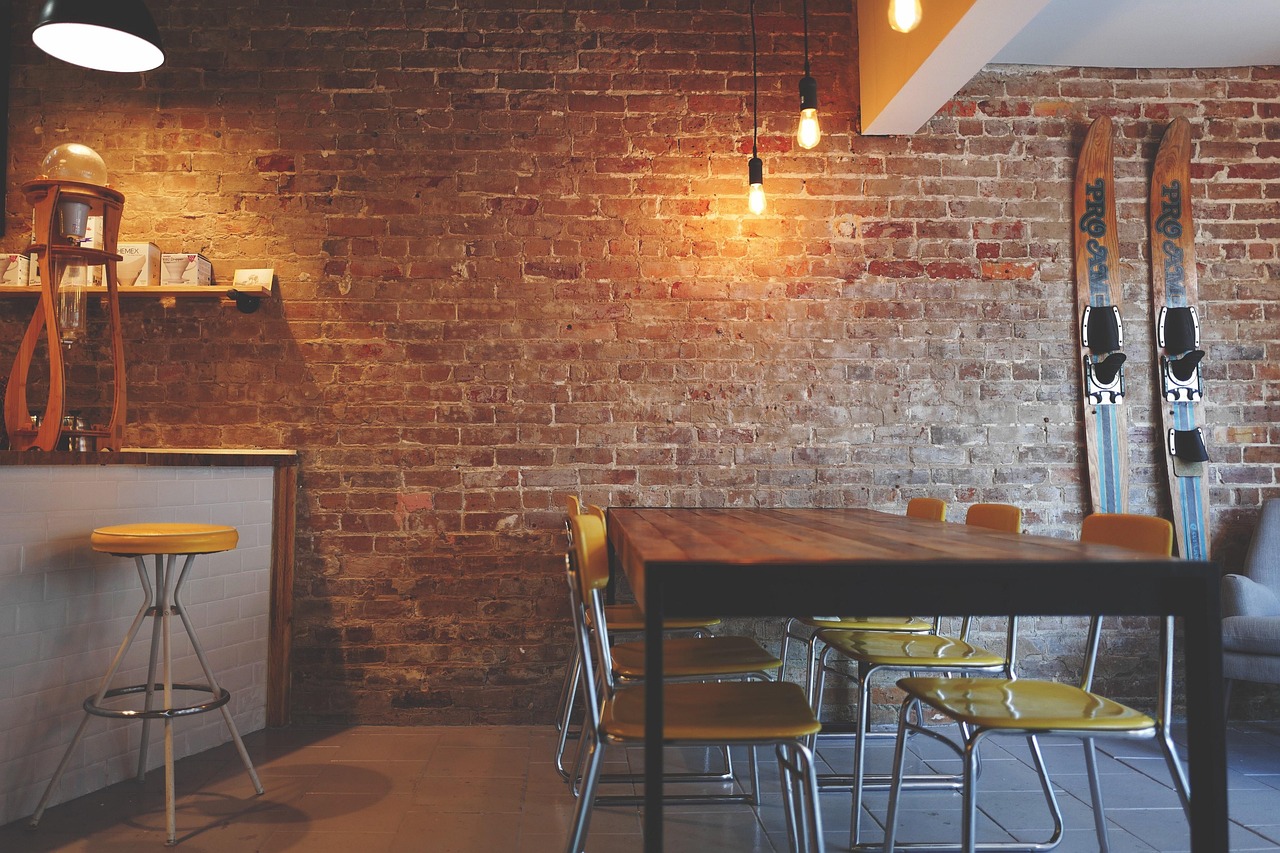
Across the street from the high-energy fine dining spots, you’ll find Charmkok. Perfect for those seeking something more grounded but equally refined, this spot specializes in Southern Thai lunch staples during the day and transitions into a "kap klaem" (drinking snacks) haven at night. It represents the "new" Chinatown—approachable, high-quality, and deeply rooted in local culture.
Soi Nana: The Original Cool Street
Before Song Wat took the spotlight, Soi Nana (the Chinatown version, not to be confused with the Sukhumvit red-light district) was the pioneer of the neighborhood’s revival. It remains a essential stop for its vintage-cool aesthetic and cafe-hopping culture.
The architecture here is characterized by narrow, brightly painted shophouses that have been lovingly restored. NANA Coffee Roasters (housed within the florist-themed Wallflowers Cafe) is a masterclass in atmospheric design, with winding wooden stairs and ivy-draped corners. For those who prefer tea and craftsmanship, Aoon Pottery offers a serene escape where you can sip tea from vessels fired in the back of the shop.
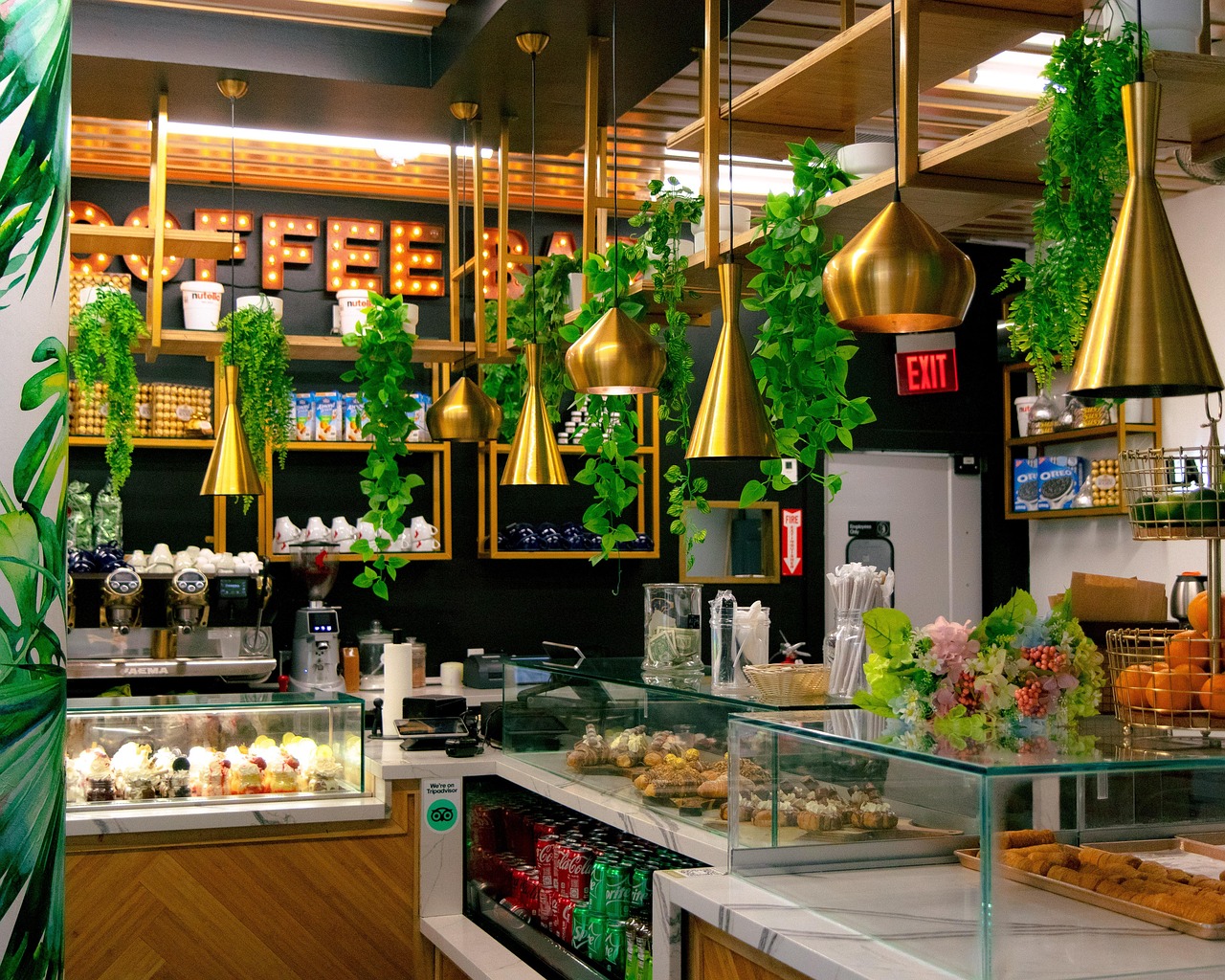
As night falls, Soi Nana transforms into a hub of "heritage nightlife." Bars like Ba Hao evoke the mood of a 1940s Shanghai speakeasy, serving craft cocktails and Chinese-inspired bar bites. It is the perfect place to witness the "Sino-chic" trend in its most established form.
Nightlife & Sundowners: Chinatown After Dark
The nightlife in Chinatown has expanded far beyond the boundaries of Soi Nana. The modern traveler is now looking for hidden doors and rooftop views that offer a respite from the humidity of the streets below.
One of the most exciting additions is Goldsmith. Located in a building that formerly housed a goldsmith’s workshop, the bar pays homage to its history with spirit-forward cocktails and an interior that feels like a vault of liquid gold. If you prefer your drinks with a breeze, the rooftop terrace at Xin Xe Goi provides a panoramic view of the neighborhood's terracotta rooftops and the glimmering neon of the Yaowarat main drag.
Whether you are looking for a complex botanical gin or a simple cold beer with a view, the district's nightlife is increasingly sophisticated, moving away from simple "bucket drinks" toward artisanal mixology and curated atmospheres.
Cultural Anchors: Temples & Traditions
Amidst the coffee shops and cocktail bars, Chinatown remains a deeply spiritual place. The cultural anchors of the district provide a necessary context to the modern developments happening around them.
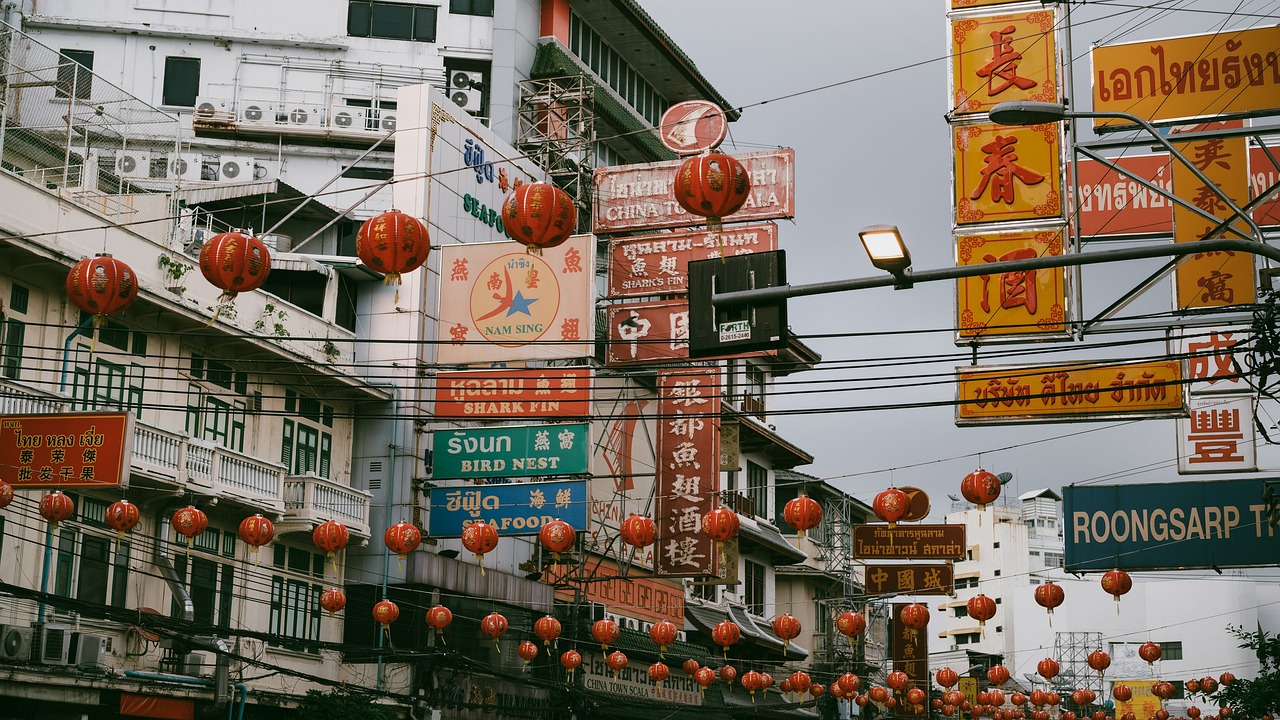
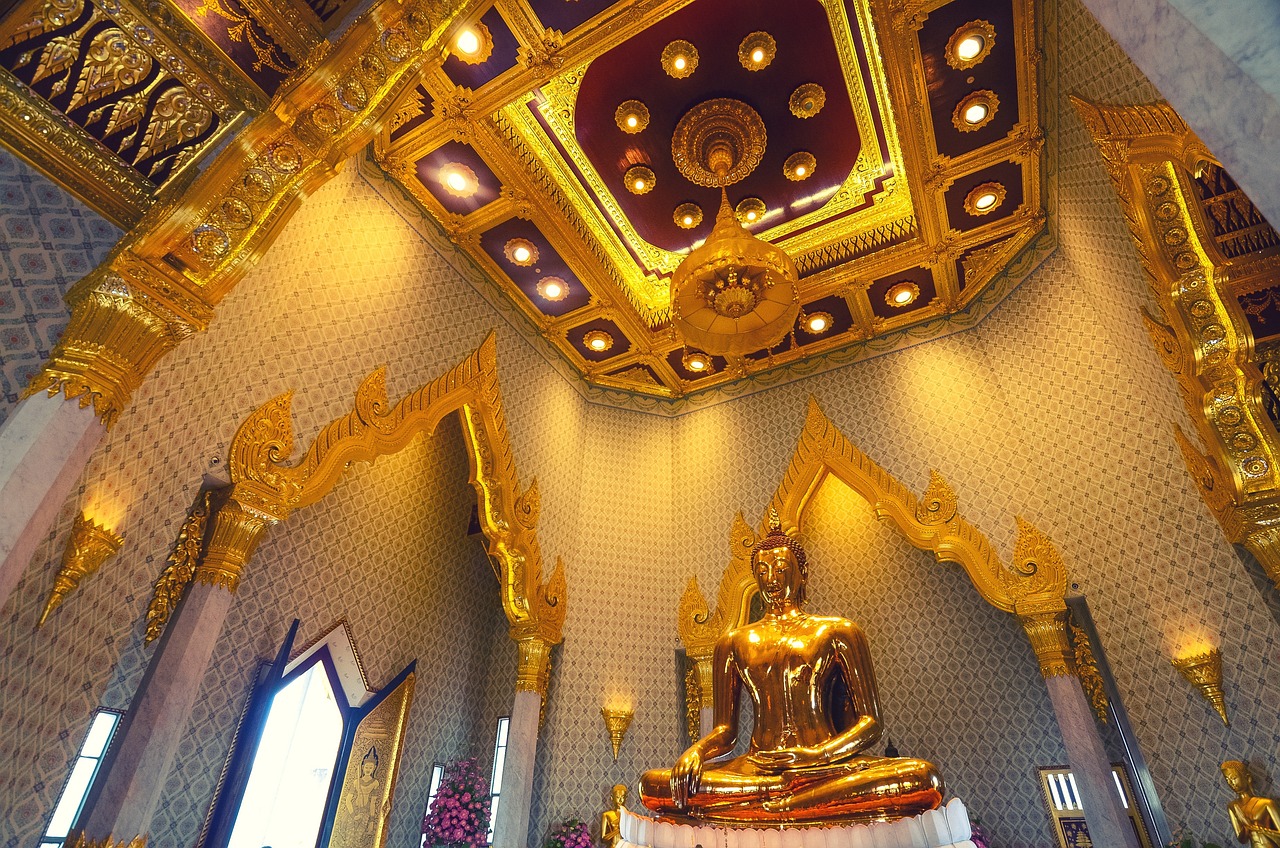
Wat Traimit is a mandatory stop for any visitor. It houses the world’s largest solid-gold Buddha, weighing 5.5 tonnes. The story of its discovery—hidden under plaster for centuries to protect it from invaders—is as captivating as the statue itself. Further into the heart of the district lies Wat Mangkon Kamalawat, the largest and most important Chinese-Buddhist temple in Bangkok. It serves as the epicenter of Chinese New Year celebrations, a time when the district is draped in red lanterns and the air is thick with the smoke of thousands of incense sticks.
For a different kind of cultural immersion, wander through Sampeng Lane. This narrow wholesale market is where the neighborhood’s commercial heart still beats loudest. From fabrics to electronics to festive decorations, it is a chaotic, colorful labyrinth that has remained largely unchanged for decades.
The Future of Chinatown: Luxury & Development
Chinatown is standing at a fascinating crossroads. While it prides itself on being "appealingly gritty," the influx of international investment is undeniable. The district is currently experiencing a luxury boom, with a projected 30% increase in high-end hospitality inventory. The upcoming openings of the Ritz-Carlton and InterContinental hotels signify a shift in the demographic of the district's visitors.
The challenge for the neighborhood in 2025 and beyond will be maintaining the delicate balance between high-end development and the preservation of its authentic, lived-in heritage.
| Feature | Old Chinatown (Yaowarat) | New Song Wat |
|---|---|---|
| Vibe | High-energy, chaotic, neon-lit | Creative, relaxed, riverside |
| Focus | Mass street food, gold, medicine | Boutiques, galleries, specialty coffee |
| Crowd | Tourists & street food lovers | Locals, artists, digital nomads |
| Best Time | Evening (6:00 PM onwards) | Daytime (11:00 AM - 5:00 PM) |
Essential Travel Tips: MRT & Best Times
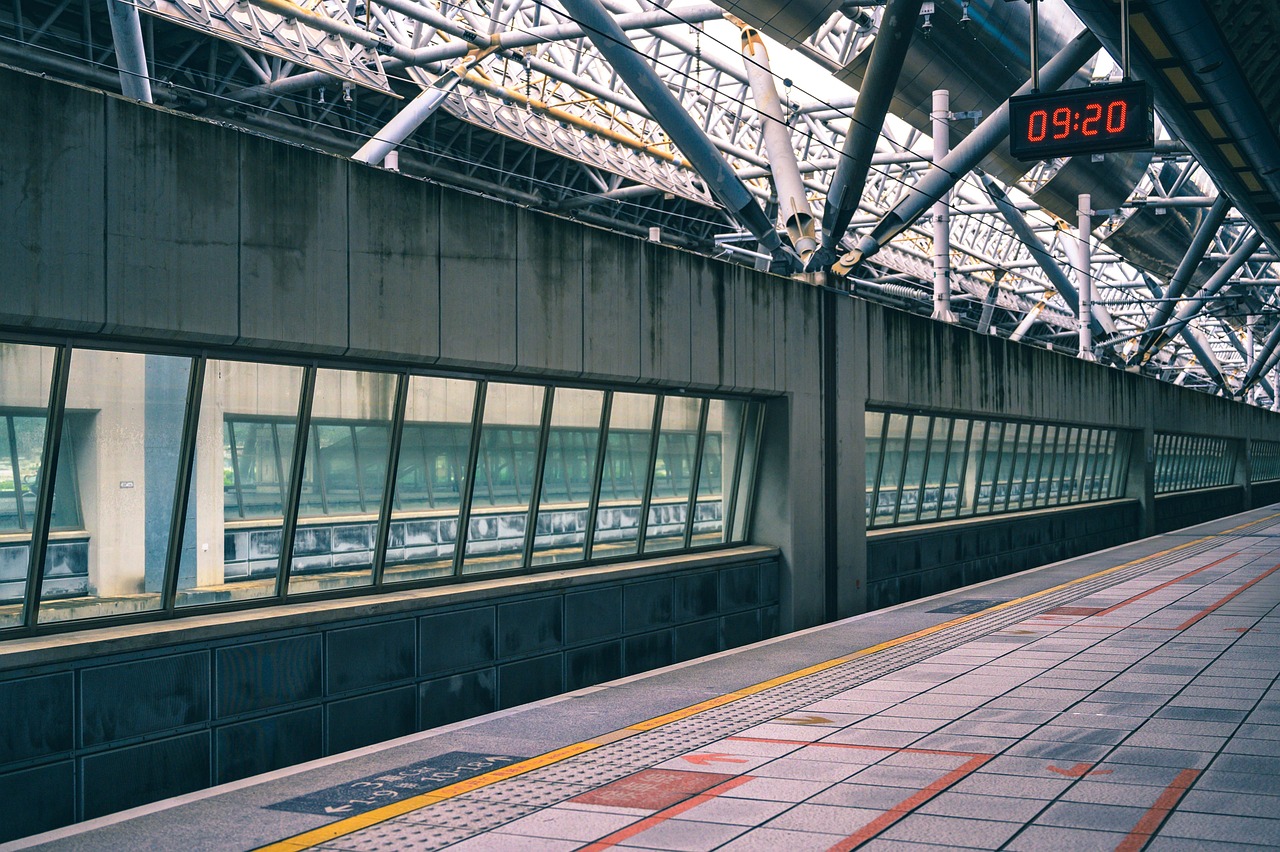
Getting to Chinatown has never been easier, thanks to the expansion of the MRT Blue Line. Wat Mangkon Station is an attraction in itself, featuring stunning themed architecture that mirrors the neighborhood's heritage. Alternatively, arriving via the Chao Phraya Express Boat at Ratchawong Pier offers a scenic entry point, particularly if you are heading straight to Song Wat.
Practical Logistics
- Best Time to Visit: November to February offers the best weather. Visit during the day for galleries and boutiques, and stay through the evening for the street food transition.
- Cash is King: While many restaurants and boutiques take credit cards or QR payments, the majority of street food vendors are cash-only.
- Dress Code: Wear comfortable shoes. The charm of Chinatown is found in the "walkability" of its hidden alleys, and you will easily clock 10,000 steps in an afternoon.
FAQ
Is Bangkok's Chinatown safe at night?
Yes, Chinatown is generally very safe. It remains bustling well past midnight, and the high foot traffic means you are rarely alone. However, as with any busy area, keep an eye on your belongings in crowded markets.
What is the best way to get from Song Wat to Yaowarat?
The two areas are within walking distance of each other (about 10-15 minutes). The best route is to walk through the small connecting alleys, which allow you to see the transition from the quiet riverside to the busy main road.
Do I need a reservation for restaurants like Potong?
Absolutely. Potong and other high-end spots in the area are often booked weeks in advance. If you plan on dining there, ensure you book as soon as your travel dates are confirmed.
Experience the Magic of Chinatown
Bangkok’s Chinatown is no longer just a destination for a quick street food dinner. It is a multi-layered district where 19th-century history meets 21st-century creativity. Whether you are sipping an artisanal latte in a Song Wat shophouse or marveling at the Golden Buddha, the neighborhood offers a depth of experience unmatched anywhere else in the city.