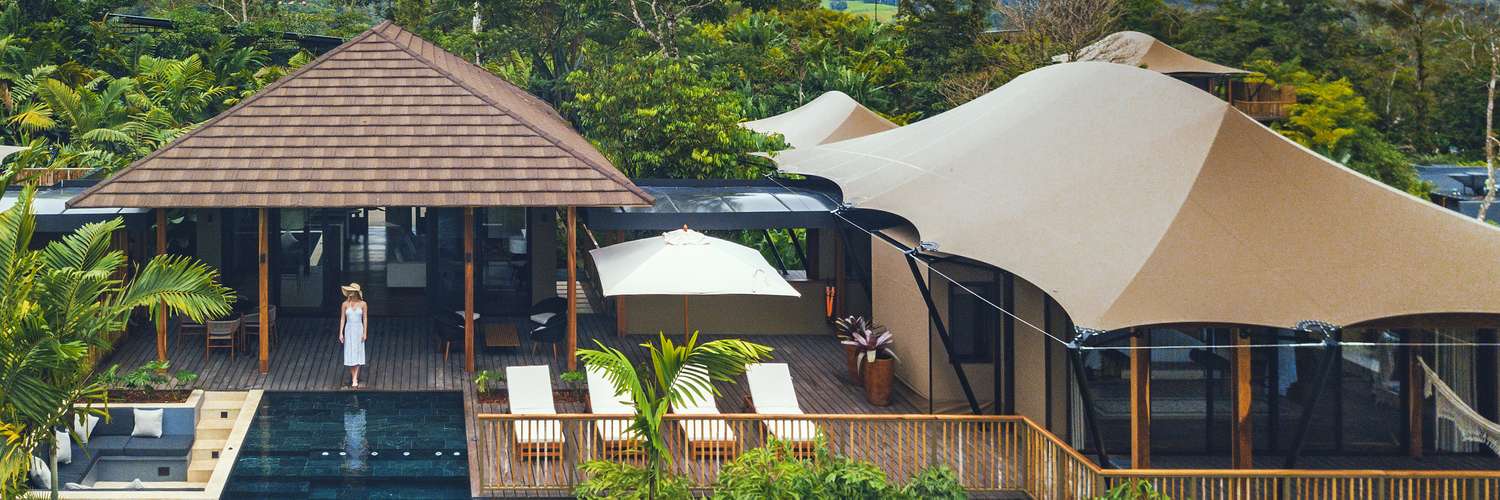
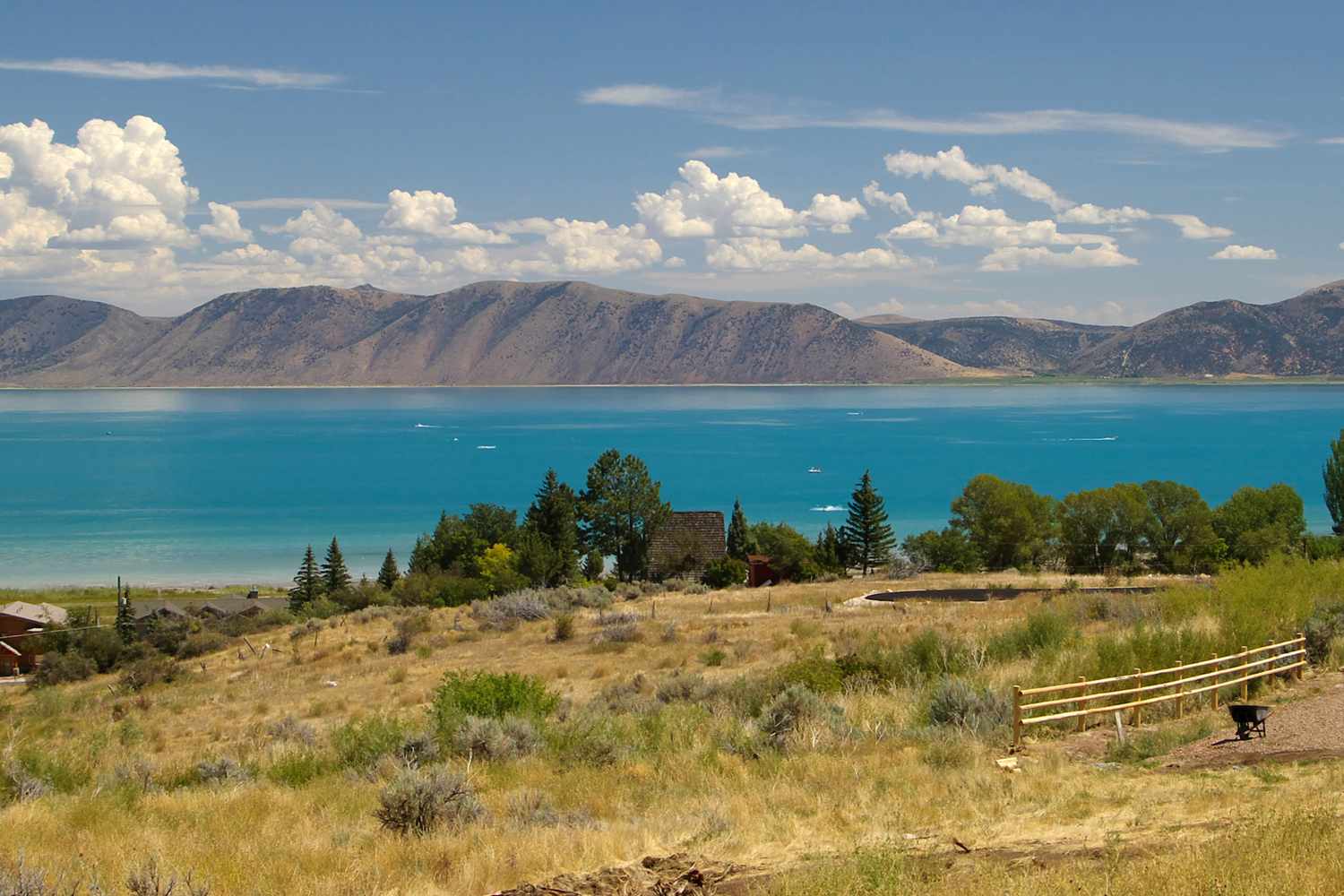
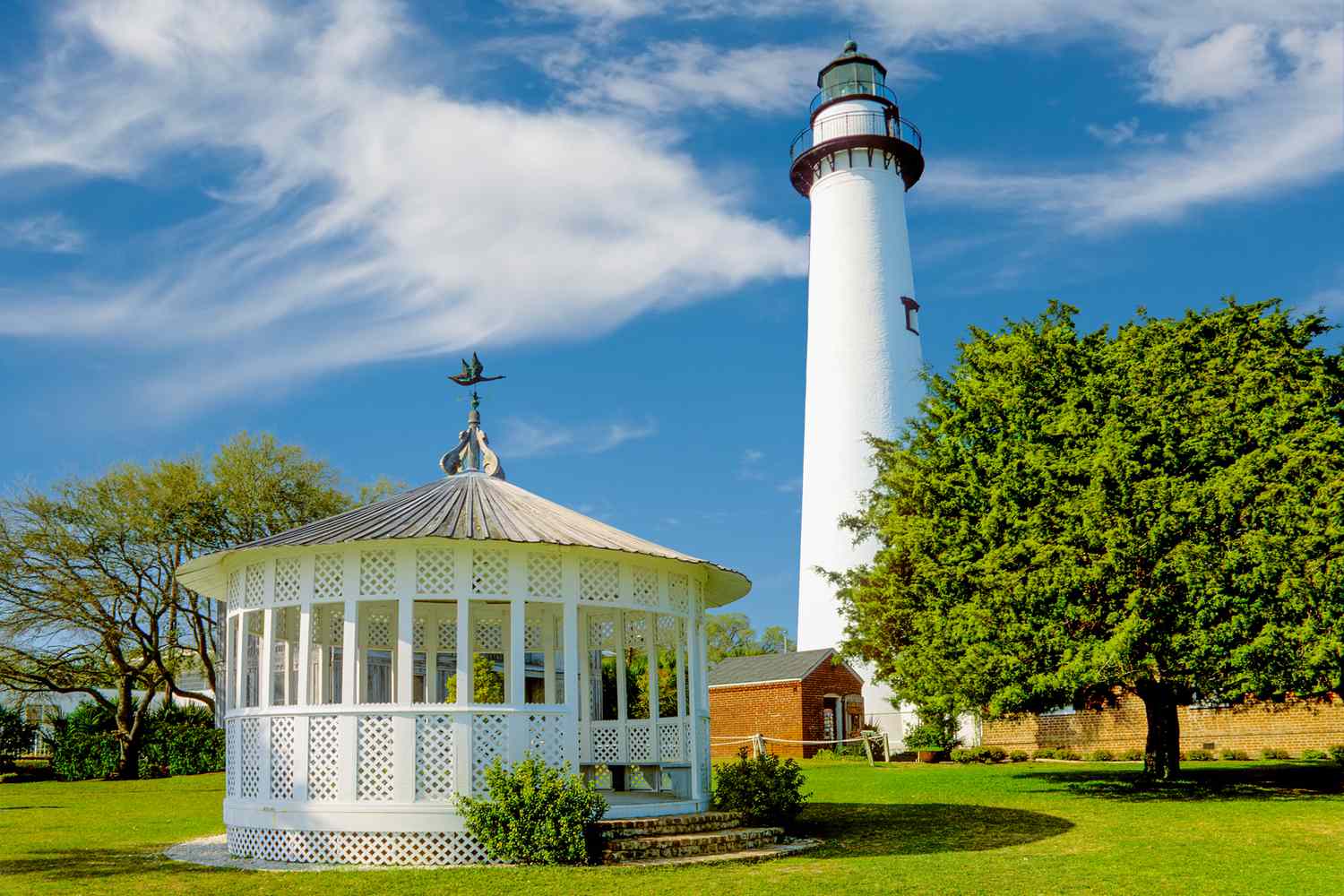
The dream of waking up to the rhythmic cadence of the Atlantic or the Pacific has long been a staple of the American psyche, but as we move into 2026, that dream is increasingly backed by more than just sentiment. Scientific research into "Blue Spaces" suggests that consistent proximity to water significantly reduces cortisol levels and improves cardiovascular health. However, for the modern professional or retiree, a beach town must be more than a summer escape; it requires the skeletal structure of a real city—top-tier healthcare, reliable infrastructure, and a robust year-round economy.
For those looking to make the leap this year, the landscape is diverse. Our top picks for year-round living in 2026 center on three distinct profiles: Naples (FL), Hilton Head Island (SC), and La Jolla (CA) represent the gold standard for infrastructure and lifestyle. For those prioritizing fiscal strategy, Savannah (GA) and Vero Beach (FL) offer a rare combination of coastal proximity and affordability, with median home values hovering between $320,000 and $355,000. While premium markets like Newport, RI, have seen prices surge by 14.7% over the last year, emerging value hubs in the Southeast continue to offer a cost of living nearly 8% lower than the national average.
The Financial Advantage: Coastal Living Without the Price Tag
Relocating to the coast does not always necessitate a seven-figure mortgage. In the current market, the "Value Coast" of the Southeast is attracting a new demographic of young families and remote workers who refuse to sacrifice urban amenities for salt air.
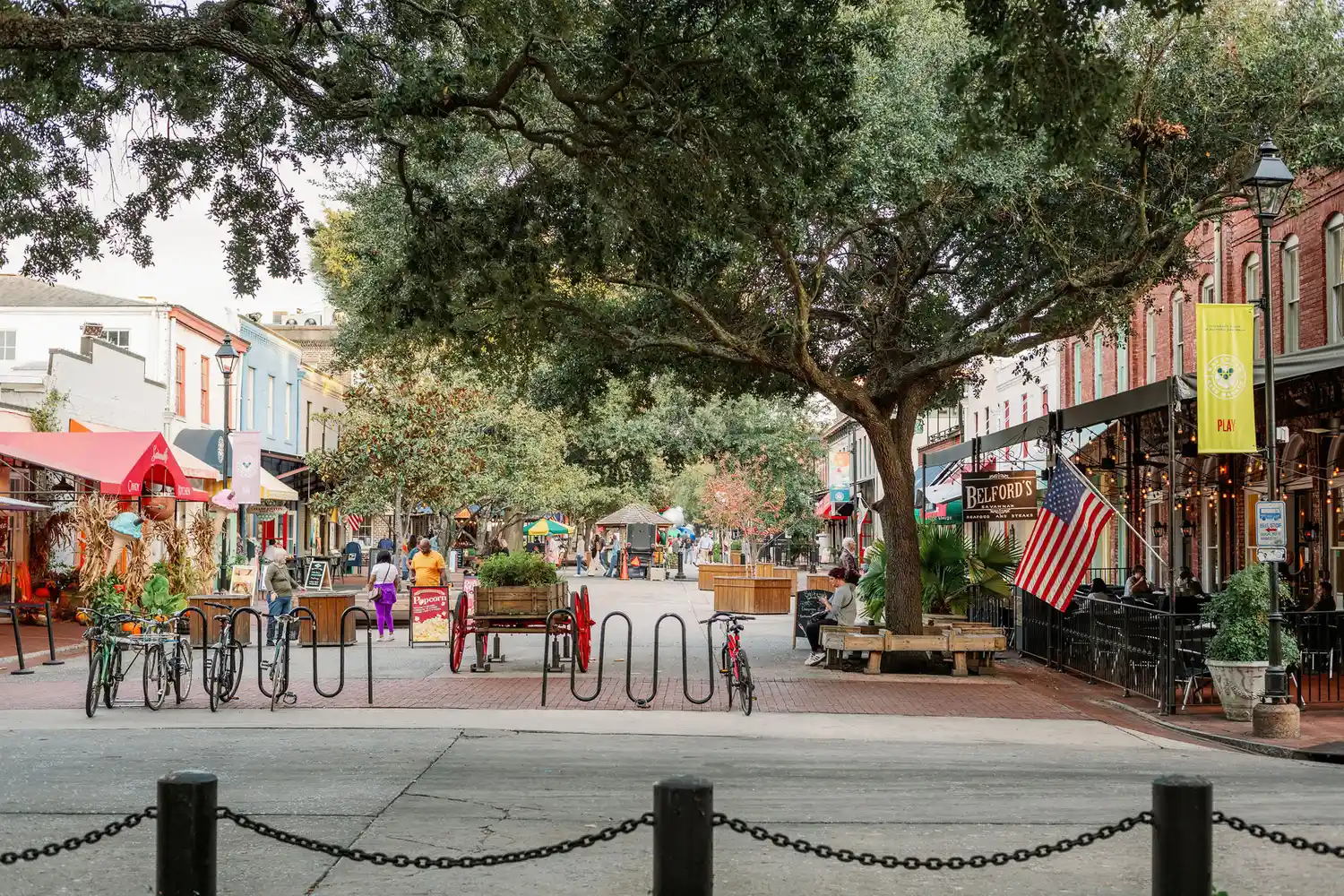
Savannah, Georgia
Savannah is perhaps the most strategic entry point for coastal living in 2026. While the historic district provides a cosmopolitan lifestyle filled with art galleries and world-class dining, the beaches of Tybee Island are a mere 20-minute drive away. As of early 2026, Savannah’s total cost of living remains 8% lower than the U.S. national average. With a median home value of approximately $320,000, it offers a financial cushion that is virtually non-existent in California or the Northeast.
Expert Insight: "Savannah is the rare 'bridge' city. You aren't just buying a beach house; you're buying into a 300-year-old cultural ecosystem that doesn't shut down when the tourists leave in September." — James Wright
Vero Beach, Florida
Further south, Vero Beach serves as the antithesis to the high-octane energy of Miami. This is the "Treasure Coast’s" best-kept secret for permanent residency. The town has strictly enforced building height restrictions, ensuring the shoreline remains pristine and the atmosphere stays low-key.
- Median Home Value: ~$355,000
- Climate: Tropical savanna (Year-round warmth)
- Key Appeal: Protected shorelines and a stable, non-transient community.
The Gold Standard: Infrastructure and Lifestyle
For many, the move to a beach town is about upgrading their quality of life through better infrastructure and tax advantages. In this category, two towns stand head and shoulders above the rest.
Naples, Florida
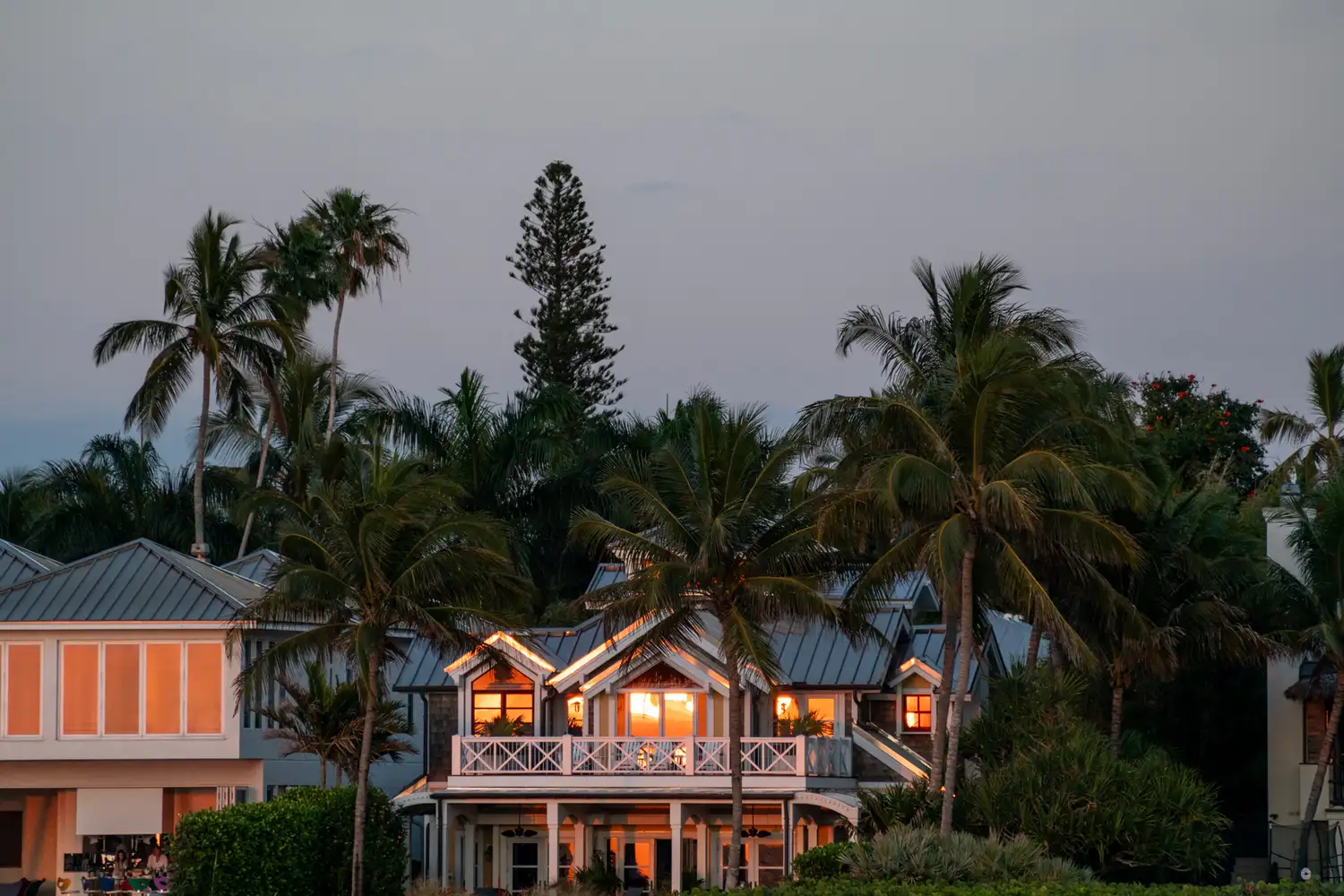
Naples is frequently ranked as the premier year-round beach town in the United States, and for good reason. It combines the financial allure of no state income tax with some of the highest-performing public infrastructure in the country. The "Old Naples" area remains a walkable masterpiece of Mediterranean-inspired architecture and luxury boutiques. Unlike many Florida towns that struggle with seasonal ebbs, Naples maintains a vibrant professional community and a world-class healthcare system that caters to its affluent resident base.
La Jolla, California
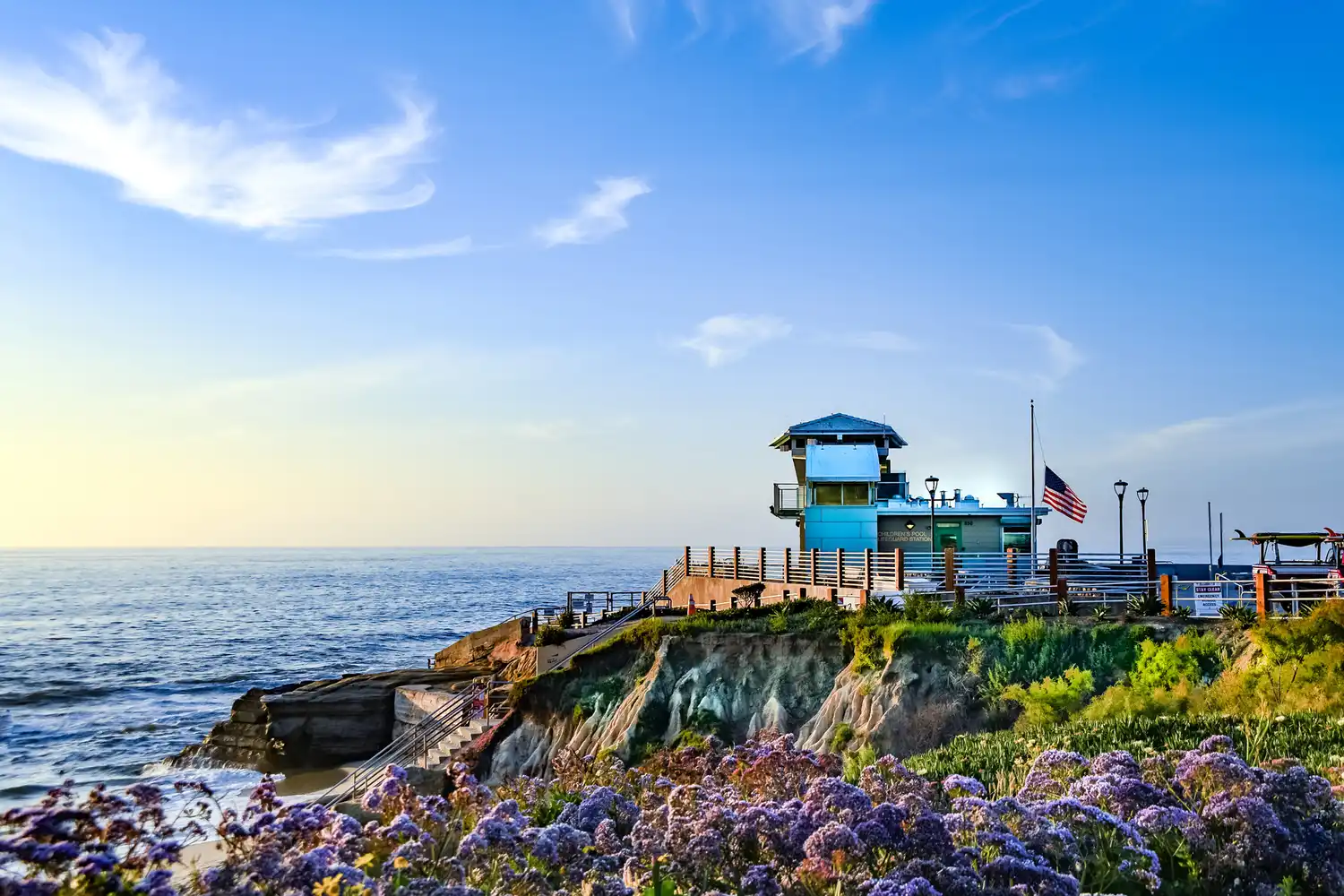
Known as the "Crown Jewel of San Diego," La Jolla offers a lifestyle that is almost impossible to replicate. It functions as a seaside village but sits within the orbit of one of the world's leading biotech and research hubs. For year-round residents, this means access to world-class medical facilities and high-performing schools. While the land scarcity keeps prices high, the "Blue Space" benefits here are unparalleled, with the La Jolla Cove providing a natural sanctuary for swimming and kayaking throughout the mild winters.
Southern Charm and Cultural Hubs
The Atlantic Southeast continues to dominate the relocation market due to its "shoulder season" appeal—spring and fall are often more pleasant than the height of summer.
Hilton Head Island, South Carolina
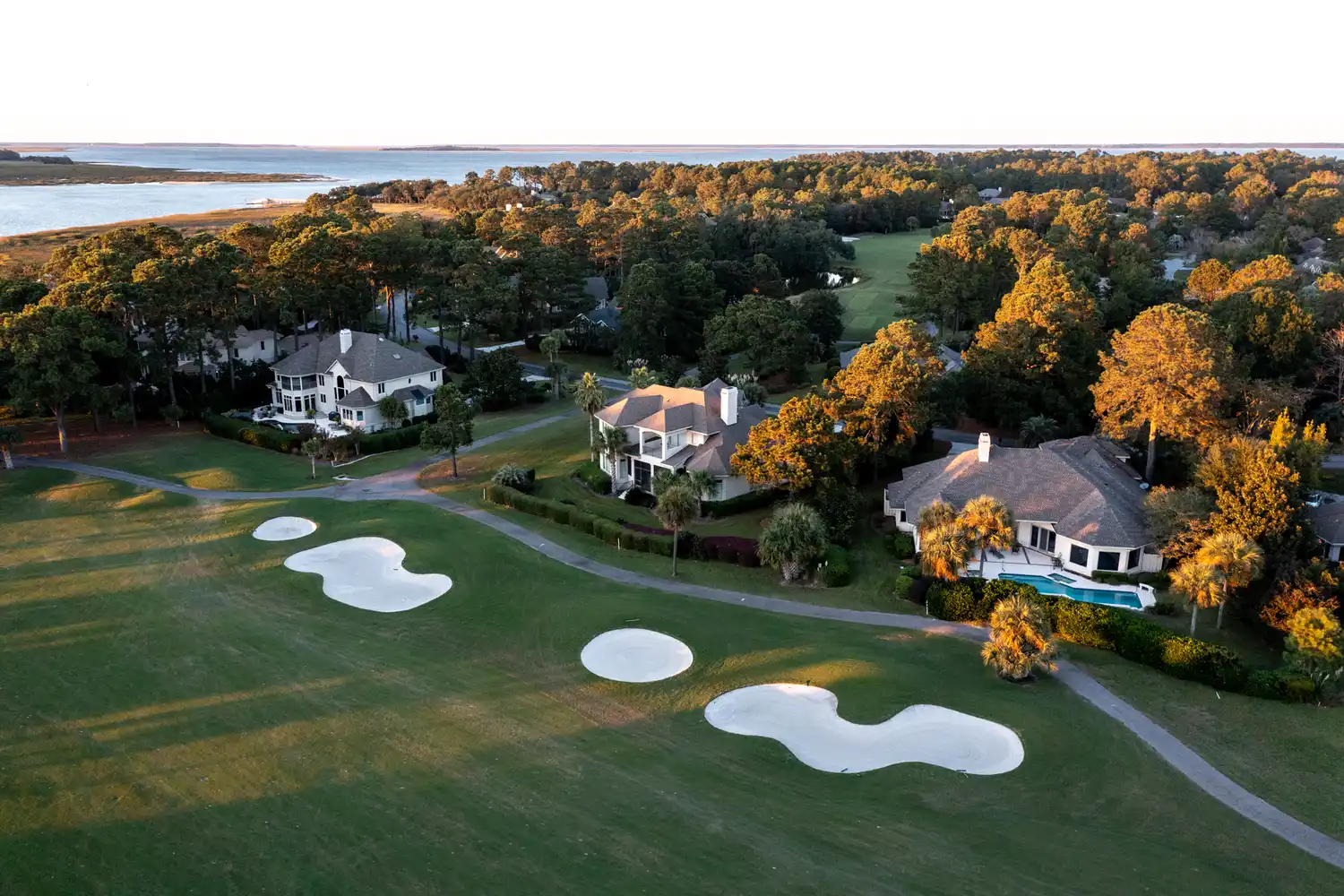
Hilton Head is a masterclass in environmentally conscious urban planning. The island is famous for its "gated plantations" which, despite the name, are modern, bikeable residential communities integrated into the maritime forest. With over 60 miles of public bicycle paths, it is one of the few beach towns where a car is truly optional for daily errands.
Charleston, South Carolina
While Charleston is often celebrated for its Gilded Age architecture, its proximity to Sullivan’s Island and Folly Beach makes it a top-tier year-round coastal contender. It offers a more sophisticated cultural calendar—including the Spoleto Festival—than almost any other town on this list.
Wilmington & Wrightsville Beach, North Carolina
Wilmington provides a gritty, creative energy paired with the pristine surf culture of Wrightsville Beach. It’s an ideal location for young professionals, offering a historic riverfront downtown that stays active 12 months a year.
The West Coast Icons: Natural Beauty Meets Urban Access
The Pacific coast offers a different kind of luxury—one defined by rugged cliffs and dramatic sunsets. However, the cost of entry is notoriously steep.
Malibu, California
Malibu is more than just a celebrity enclave; it is 27 miles of diverse coastal ecosystems. For year-round living, the "East Malibu" area offers easier commutes to Santa Monica and the tech hubs of Silicon Beach. Median home values here remain well above $3 million, making it an investment in both real estate and lifestyle.
Laguna Beach, California
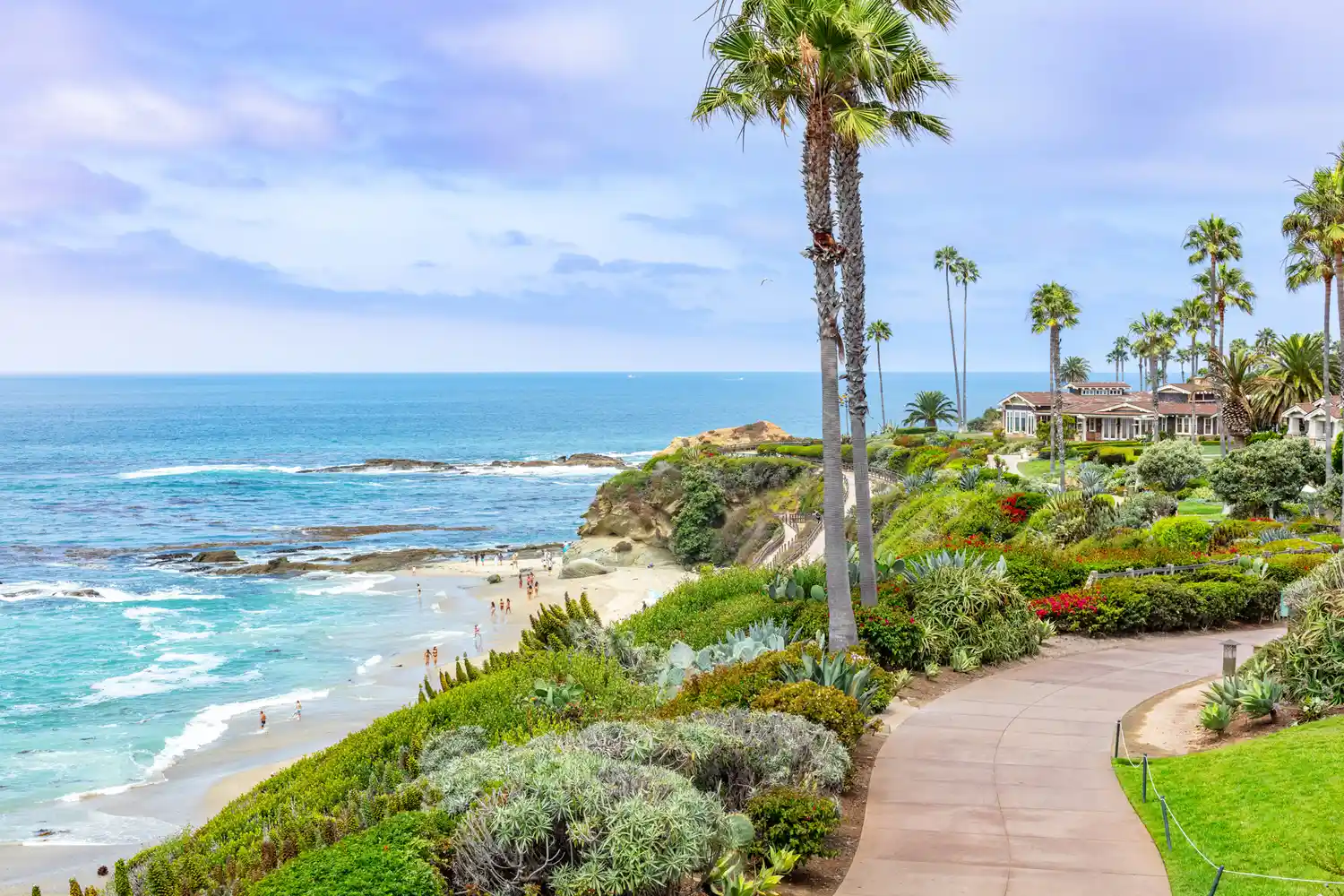
Laguna Beach balances its high cost of living (64.9% above the national average) with a world-renowned art scene and some of the most beautiful pocket beaches in the world. The town’s commitment to preserving its canyons and coastlines ensures that its natural beauty will never be eclipsed by overdevelopment.
Carpinteria, California
Often called "the last true beach town" in California, Carpinteria maintains a small-town population of roughly 13,000. Strict zoning laws protect the local character, preventing the encroachment of major hotel chains and maintaining a community-first atmosphere.
Mid-Atlantic and New England Heritage
For those who enjoy the change of seasons, the Northeast offers deep historical roots and a distinct maritime culture.
Cape May, New Jersey
Cape May is a National Historic Landmark, famous for its concentration of Victorian architecture. Unlike the "Jersey Shore" stereotypes, Cape May is a sophisticated, year-round community with a median home price of approximately $700,000.
Newport, Rhode Island
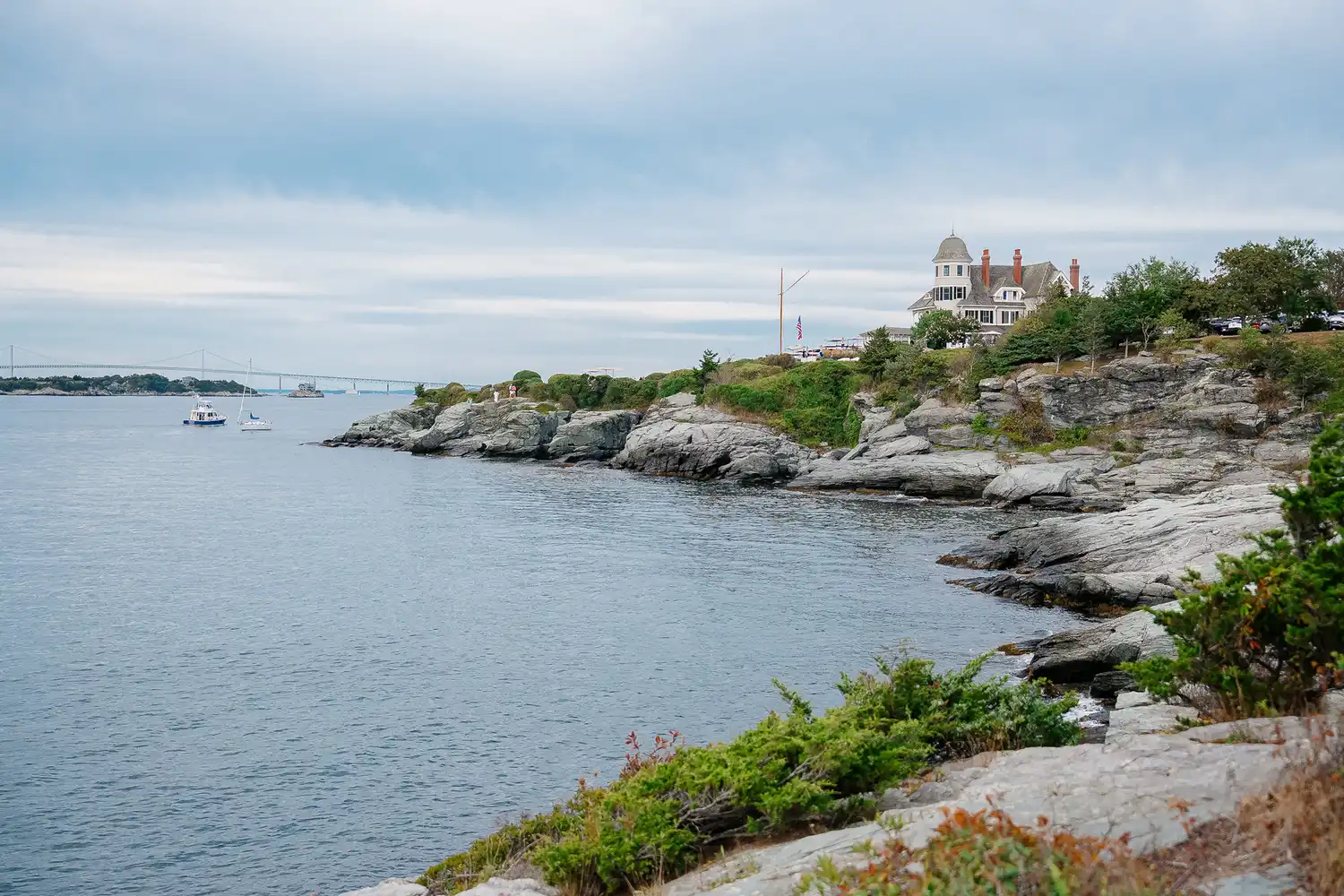
The "Sailing Capital of the World" has seen a massive influx of permanent residents recently. By late 2025, the market experienced a 14.7% price increase, with median values hitting $1.3 million. Living in Newport means living amidst Gilded Age history, with the Cliff Walk and legendary yacht clubs serving as your backyard.
The Pacific Northwest: Nature-First Living
The PNW offers a moodier, more introspective coastal experience, attracting those who prefer hiking boots to flip-flops.
Cannon Beach, Oregon
With its iconic Haystack Rock, Cannon Beach has become a haven for remote workers. The average home value is around $870,000, but the payoff is a direct connection to some of the most dramatic landscapes in North America and a 90-minute drive to the amenities of Portland.

Seaside, Oregon
Just north of Cannon Beach, Seaside offers a more affordable alternative with a more established tourism infrastructure, making it a practical choice for families.
Hidden Gems and New Contenders for 2026
Virginia Beach, Virginia
Often overlooked by travel critics, Virginia Beach is a powerhouse for year-round living. It boasts an 'A' rating for public schools and a diverse economy anchored by the military and a growing tech sector.
Seaside, Florida
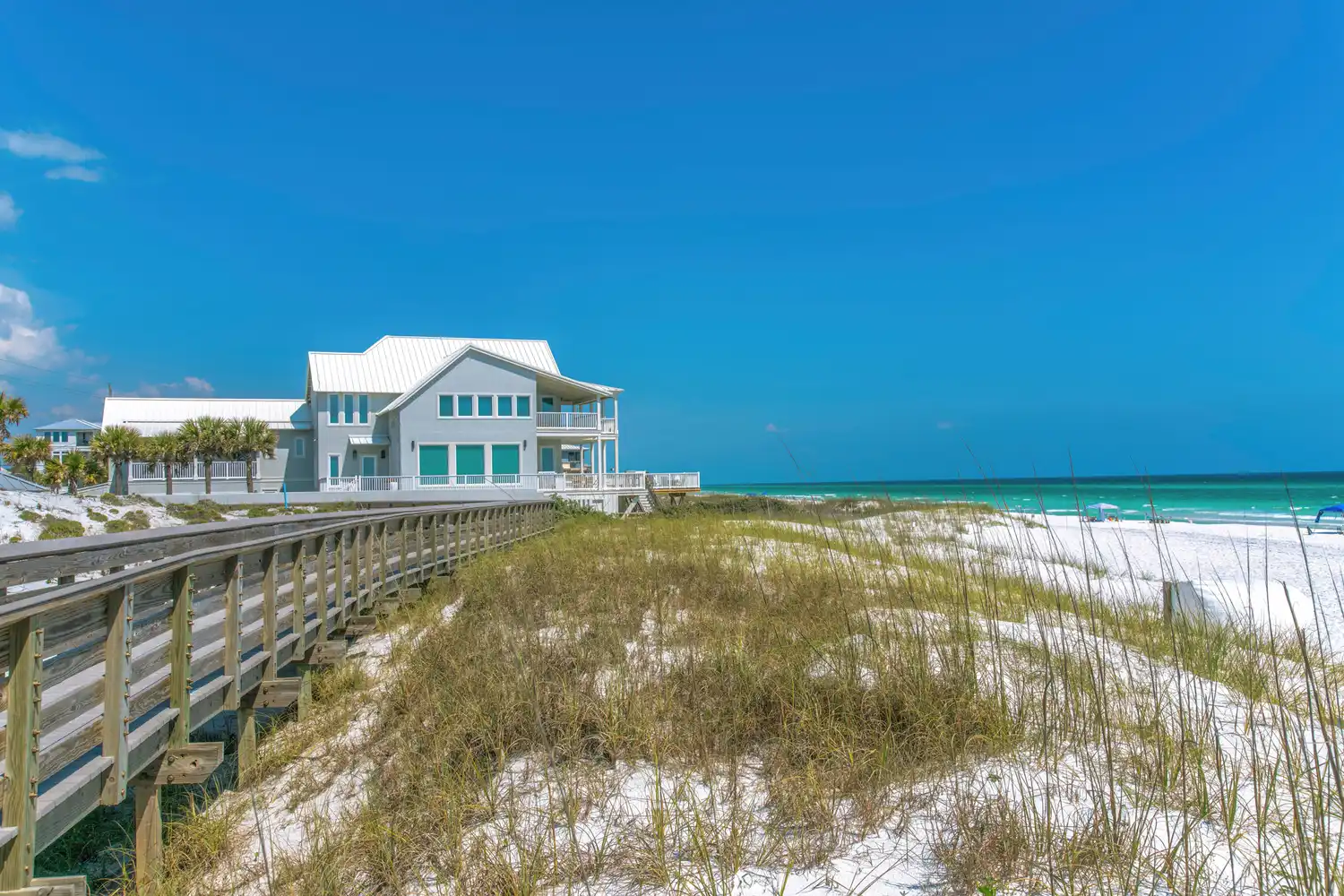
This master-planned community in the Florida Panhandle is the birthplace of "New Urbanism." Everything is designed to be walkable, with pastel cottages and white-picket fences that create a cinematic, community-focused environment.
Comparison Table: 2026 Real Estate Snapshot
| Town | Median Home Price (2026 Est.) | State Income Tax | Primary Climate |
|---|---|---|---|
| Savannah, GA | $320,000 | 5.49% | Humid Subtropical |
| Naples, FL | $650,000+ | None | Tropical |
| La Jolla, CA | $2,100,000 | 1% - 13.3% | Mediterranean |
| Newport, RI | $1,300,000 | 3.75% - 5.99% | Humid Continental |
| Hilton Head, SC | $580,000 | 7% | Humid Subtropical |
FAQ
Q: Is flood insurance a major factor in these towns? A: Absolutely. In 2026, insurance premiums are a critical part of the coastal living budget. Towns like Naples and Savannah have varying flood zones; it is essential to review the updated FEMA maps before purchase.
Q: Which town is best for young families? A: Virginia Beach and Hilton Head Island lead the pack due to their high-performing public schools and family-oriented recreational infrastructure.
Q: Can I really live in these towns year-round? A: Yes. All 15 picks were selected specifically because they do not "ghost" in the winter. They have year-round grocery stores, hospitals, and community events that sustain a permanent population.