Quick Facts
- Historical Origins: The hookah first emerged in the 16th century within the royal courts of Mughal India and the Persian Empire.
- Cultural Significance: Beyond the smoke, the ritual is a global symbol of hospitality, trust, and friendship, where the social gathering is often more important than the act of smoking.
- Assouline’s New Release: Mystic Mist: The Rituals of Huqqa is a visual odyssey documenting over 500 years of history through opulent photography and historical archives.
- Global Terminology: Known as shisha in the Arab world, nargile in Turkey, argileh in the Levant, and hubbly-bubbly in many Western circles.
- Pop Culture Presence: The practice has been immortalized in major global film franchises, including The Matrix Reloaded and Alice in Wonderland.
The Portal in the Smoke: An Introduction
There is a specific, nostalgic aroma that drifts through the evening air of global metropolises, from the neon-lit lounges of New York to the historic, cobblestone cafés of Amman. It is the sweet, thick scent of apple-infused tobacco and the rhythmic, melodic gurgle of water—a sensory portal that has connected civilizations for centuries. Hookah, also known as shisha or nargile, originated in the royal courts of Mughal India and Persia before spreading through Turkey, the Middle East, and North Africa to the West.
In their latest luxury volume, Mystic Mist: The Rituals of Huqqa, Assouline invites readers to step through this fragrant cloud into a world of tradition, craftsmanship, and leisure. The book is not merely a catalog of smoking pipes; it is a deep dive into a ritual that has outlasted empires. In an era defined by "fast" living, the hookah remains a steadfast antithesis—a slow, deliberate practice that demands presence and conversation.
The Roots of the Ritual: Competing Origins
The history of the water pipe is as layered as the flavored tobacco that fuels it. While several regions claim its birthright, historians generally agree that the device we recognize today evolved through a cross-pollination of Persian and Indian ingenuity during the 16th century.
One prominent theory attributes the invention to the Mughal physician Abu’l-Fath Gilani. Tasked with finding a way to "purify" tobacco smoke for Emperor Akbar, Gilani passed the smoke through a bowl of water, believing the liquid would filter out impurities. Simultaneously, in Safavid Persia, the qalyan was evolving. Persian artisans replaced the primitive coconut shells of earlier models with exquisite glass and silver, transforming a medical curiosity into a decorative masterpiece of the high court.
However, the history may go even deeper. Archaeologists have discovered water pipe remains in Ethiopia dating back to the 11th century, suggesting that the concept of water-cooled smoke may have indigenous African roots that predated the Mughal "official" invention.
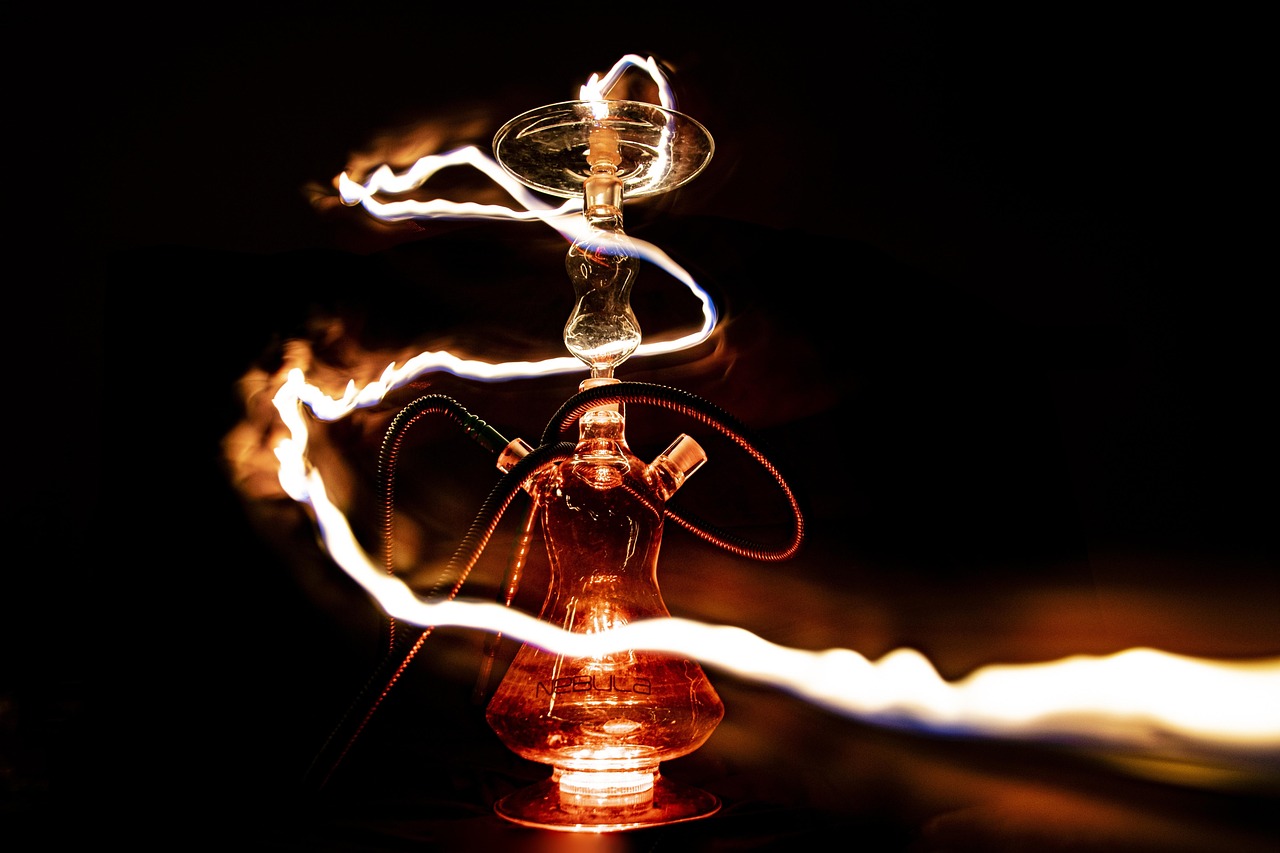
Regardless of the specific geographic starting point, the language of the hookah reflects its nomadic journey. To understand the ritual, one must understand its many names, each carrying the linguistic flavor of its home region.
At a Glance: Regional Variations of the Water Pipe
| Region | Local Name | Etymology & Nuance |
|---|---|---|
| Arab World | Shisha | From the Persian word shishe, meaning "glass." |
| Turkey | Nargile | Derived from the Sanskrit narikela, meaning "coconut." |
| Lebanon & Syria | Argileh | A Levantine variation of the Turkish term. |
| English-speaking | Hubbly-Bubbly | An onomatopoeic nickname mimicking the sound of the water. |
| India & Pakistan | Huqqa / Hookah | From the Arabic huqqa, meaning "box" or "small vessel." |
A 500-Year Global Journey: Timeline of the Pipe
The practice of hookah smoking spans over 500 years of history, originating in the 16th century and expanding globally through the 19th-century Orientalist movement. The journey of the pipe is a timeline of evolving aesthetics and social status.
- 16th–17th Century (The Golden Age of Courts): In Persia and India, the hookah was a symbol of high status. Owning a bejeweled pipe was a requirement for any noble household.
- 18th–19th Century (The Ottoman Refinement): As the practice moved into Turkey, it reached a pinnacle of craftsmanship. The Ottomans introduced the marpuc (the leather hose) and the ser (the ornate brass body). During this era, the hookah became a fixture of the "Coffee House" culture, a space for intellectual debate and political maneuvering.
- The 19th-Century Orientalist Movement: As European travelers ventured into the "Orient," they returned with stories—and pipes. The hookah became a symbol of exoticism in Western art and literature, often depicted in the paintings of Jean-Léon Gérôme.
- The Egyptian Innovation: It was in 20th-century Egypt that the ritual took its most modern turn with the creation of Mu’Assel. By mixing tobacco with honey or molasses, artisans created a wetter, more flavorful smoke that lasted longer and tasted sweeter, leading to the birth of the modern social hookah club.
Hookah in Art and Pop Culture: Beyond the Lounge
Assouline’s Mystic Mist does more than recount dates; it provides a visual feast that documents how this "mystic mist" has permeated global pop culture. The book highlights the hookah's cross-cultural reach by documenting its presence in at least 4 major global film franchises.
From the psychedelic, wisdom-granting Caterpillar in Disney’s Alice in Wonderland to the high-concept sci-fi aesthetics of The Matrix Reloaded, the pipe is often used as a cinematic shorthand for mystery, ancient wisdom, or a relaxed state of being. It appears in the campy cult classic Barbarella and even makes a brief, atmospheric appearance in the Bond film Casino Royale.
The book is further elevated by original photography from Oliver Pilcher. His lens captures the contemporary "HuqqA" culture in Dubai and Istanbul, showing how the tradition has moved from dusty backstreets to ultra-modern, neon-lit luxury lounges. The contrast between vintage 19th-century photography and Pilcher’s sharp, vibrant imagery proves that while the technology of the pipe has changed—moving from charcoal to electronic heat management—the soul of the ritual remains untouched.
The Social Heart: Hospitality, Trust, and Friendship
Why has the hookah endured while other social habits have faded? The answer lies in the philosophy of the ritual. Culturally, the hookah is a symbol of hospitality, trust, and friendship. Historians note that the social habit and ritual of gathering are often considered more significant than the act of smoking itself.
In many Middle Eastern cultures, offering a guest a hookah is an invitation to stay. To accept is to signal that you are not in a rush, that you value the host’s company, and that you are open to a long, unhurried conversation. It is a social contract signed in smoke.
"The hookah is the opposite of the cigarette. A cigarette is for the individual, for the person in a hurry. The hookah is for the community, for the person who has time to speak and, more importantly, time to listen." — Exerpt from Mystic Mist: The Rituals of Huqqa
For diaspora communities living in the West, the hookah lounge often serves as an act of "self-preservation." It is a cultural anchor—a place where the language, the music, and the slow pace of the homeland are preserved against the frantic backdrop of modern Western life. It is perhaps the last remaining space where "slow living" isn't a trend, but a centuries-old requirement.

Bringing the Tradition Home
As we look toward the future, the ritual of the hookah is evolving once again. Modern luxury lounges, such as the globally renowned HuqqA, are reimagining the experience for the 21st-century global citizen. These spaces blend high-gastronomy, architectural design, and premium shisha blends, ensuring the tradition remains relevant in a world of changing tastes.
Assouline’s Mystic Mist serves as the perfect companion for this new era. It is more than a book; it is a coffee table essential for any culture enthusiast or design lover. With its silk-bound cover and vibrant pages, it captures the "opulent, bejeweled" history of a practice that began in a Mughal court and ended up in the heart of global luxury culture.
FAQ
What is the difference between Shisha and Hookah? Technically, "hookah" (or huqqa) refers to the device itself—the pipe, bowl, and water chamber. "Shisha" (from the Persian shishe) originally referred to the glass base but has become the common term for the flavored tobacco used inside the pipe in many parts of the world.
Is Hookah originally from India or Persia? It is a shared heritage. While the first "water-filtration" pipe is often credited to the Mughal physician Abu’l-Fath Gilani in India, the Persians were responsible for evolving the design into the artistic glass and metal structures we recognize today. Both cultures played pivotal roles in its 16th-century development.
Why is Hookah a symbol of hospitality? Because the ritual is time-consuming. Preparing and smoking a hookah can take one to two hours. Offering one to a guest is a way of saying, "Your company is valued, and I am in no rush for you to leave." It fosters an environment of trust and relaxed dialogue.
Discover the World of Mystic Mist
Experience the rich tapestry of shisha culture through the lens of history’s most beautiful book. Whether you are a connoisseur of the pipe or a lover of global history, Mystic Mist is your guide to the ritual that conquered the world.