There is a specific kind of clarity in the Vancouver air—a crispness that rolls off the Pacific and filters through the ancient cedars of Stanley Park. For years, this West Coast metropolis has been a whisper in the ears of environmentalists as a model for urban sustainability. In 2024, that whisper became a definitive statement.
Vancouver has officially been named the world’s greenest city, securing the top spot in the 2024 Green City Index with an unprecedented score of 101.71. This ranking isn't merely a reflection of its scenic beauty; it is a data-backed recognition of a city that has successfully decoupled economic growth from carbon emissions. Outperforming historic sustainable giants like Oslo and Stockholm, Vancouver’s ascent is driven by a unique trifecta of abundant green space per capita, a near-total reliance on renewable energy, and some of the cleanest air on the planet.
But what does this mean for the person walking along the Kitsilano shoreline or the homeowner looking to retro-fit a heritage house in Mount Pleasant? To understand Vancouver’s victory is to look beyond the skyline and into the very infrastructure that keeps the city breathing.
The Data Behind the Title: Vancouver’s 2024 Performance
Vancouver’s top ranking is anchored in metrics that most urban centers only dream of achieving. While many cities struggle with aging coal-fired grids or suffocating smog, Vancouver has leveraged its geography and policy to create a blueprint for the future.
The city’s air quality is perhaps its most immediate triumph. In 2024, Vancouver recorded a PM2.5 reading of 4.2 micrograms per cubic meter, tying for the cleanest air among the top 10 greenest cities globally. This is not a happy accident; it is the result of decades of stringent emissions standards and a massive push toward electrification in both the transit and building sectors.
Quick Fact: The Energy Profile As of 2022, Vancouver utilizes 98% renewable energy, largely sourced from British Columbia’s vast hydroelectric resources. This provides a low-carbon foundation that allows every other green initiative—from EV charging networks to electric heat pumps—to operate with maximum environmental efficiency.
Furthermore, the city offers its residents unparalleled access to nature. Vancouver provides over 1,200 square feet (119 square meters) of green space per capita. This isn't just "manicured lawn" space; it represents a sophisticated network of carbon-sequestering urban forests and integrated parklands that serve as the city’s lungs.
Global Comparison: The 2024 Green City Index Top 5
While Vancouver leads the pack, the 2024 Index highlights a fierce competition among European and North American cities.
| Rank | City | Green City Index Score | Key Performance Driver |
|---|---|---|---|
| 1 | Vancouver, Canada | 101.71 | Renewable Energy & Green Space |
| 2 | Oslo, Norway | 99.42 | Electric Vehicle Infrastructure |
| 3 | Stockholm, Sweden | 98.15 | Circular Waste Management |
| 4 | Munich, Germany | 96.77 | Public Transit Integration |
| 5 | Zurich, Switzerland | 95.30 | Water Quality & Efficiency |
The Eco-Traveler’s Guide to Vancouver
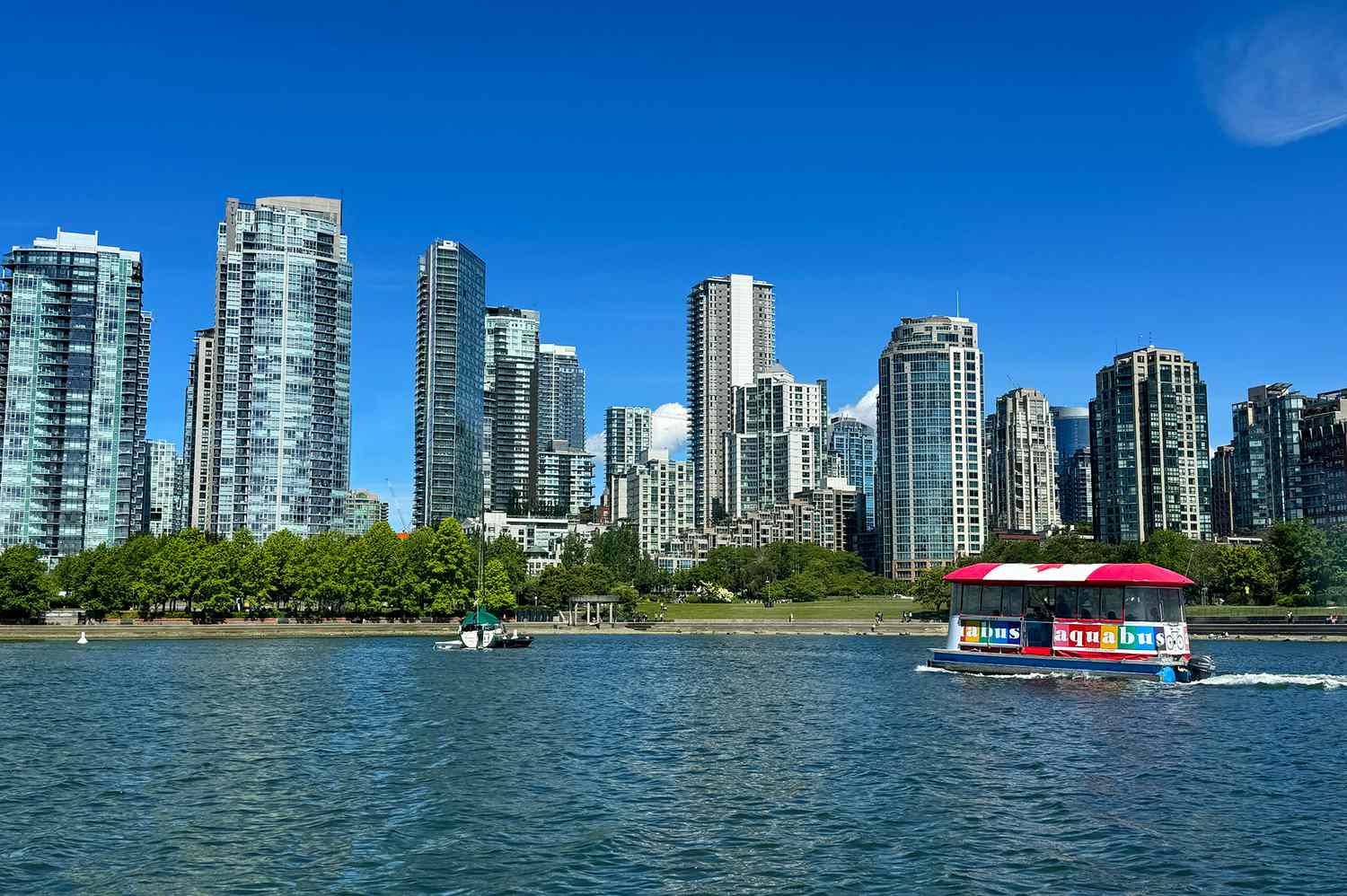
For the conscious traveler, Vancouver is less a destination and more an experience in "low-impact" living. The city’s infrastructure allows you to traverse its diverse neighborhoods without ever needing a combustion engine.
Sustainable Mobility and the 15-Minute City Vancouver’s public transportation system is a cornerstone of its sustainability, earning a mobility score of 58.1. The SkyTrain, North America’s longest automated driverless light rapid transit system, connects the airport to the downtown core in under 30 minutes. However, the true heartbeat of the city is its bikeability (Score: 50.3). The AAA (All Ages and Abilities) bike network allows travelers to cycle the entire 28-kilometer Seawall—the world’s longest uninterrupted waterfront path—offering a front-row seat to the intersection of urban architecture and the Salish Sea.
Immersive Green Spaces While Stanley Park is the crown jewel, boasting 1,400+ acres of integrated urban parkland, the "green" experience extends into the West End and South Cambie. These areas have pioneered "green-blue" infrastructure, where rainwater is managed through natural bioswales and urban wetlands rather than pipes, reducing the city’s heat island effect and fostering local biodiversity.
Conscious Tourism Tips:
- Stay Local: Look for accommodations in the downtown core that are LEED Gold or Platinum certified. Many hotels now offer "carbon-neutral" stays by offsetting guest footprints through local BC forest conservation projects.
- Eat Seasonal: Vancouver’s culinary scene is deeply tied to the "100-mile diet." Visit the Granville Island Public Market to source ingredients directly from Fraser Valley farmers.
- Zero-Waste Shopping: Neighborhoods like Main Street are hubs for "refill" culture, where you can find everything from biodegradable sunscreens to locally made textiles.
2026 Vision: The Future of Sustainable Living
While the 2024 accolades are impressive, Vancouver is already looking toward 2026. The city is currently undergoing a massive shift in how it views its "embodied carbon"—the emissions associated with building and maintaining homes.
By 2026, Vancouver’s sustainability will be driven by updated building bylaws and energy codes (specifically the VBBL 2025 updates) that make eco-friendly home renovations a standard for urban resilience and carbon reduction. The "Zero Carbon Step Code" is the next evolution of this identity. It mandates that new low-rise homes and duplexes must meet rigorous carbon-performance limits, effectively phasing out gas-fired systems in favor of high-efficiency electric alternatives.
The Rise of Modern Eco-Renovations We are seeing a trend toward "Deep Energy Retrofits." Homeowners are no longer just painting walls; they are installing triple-glazed windows and utilizing reclaimed timber to slash heating and cooling bills by 30-50%. These aren't just "green" choices; they are investments in urban resilience against the increasingly volatile Pacific Northwest climate.
Maya’s Insight: "The shift we're seeing in Vancouver is a transition from 'doing less harm' to 'active restoration.' When a homeowner replaces a gas furnace with a cold-climate heat pump, they aren't just saving money—they are helping the city maintain that 4.2 PM2.5 air quality reading for the next generation."
Financial Incentives for a Greener Home
Becoming the world’s greenest city requires more than just goodwill; it requires capital. Fortunately, Vancouver residents have access to some of the most robust financial incentive programs in North America to help transition their homes into the 2026 standard.
- CleanBC Better Homes Energy Savings Program: This provincial powerhouse offers up to $9,500 for window and door upgrades that meet high-performance thermal standards. It’s designed to encourage the "envelope-first" approach to energy efficiency.
- Heat Pump Rebates: Through a partnership between BC Hydro and provincial programs, income-qualified households can access up to $24,500 to switch from fossil fuel heating to electric heat pumps. This is a critical component of the city's plan to hit net-zero by 2050.
- The Canada Greener Homes Grant: On a federal level, residents can still tap into grants of up to $5,000 for various energy retrofits, alongside interest-free loans of up to $40,000 to finance larger projects like solar panel installations.
Comparison of Typical Energy Savings Post-Renovation:
| Upgrade Type | Estimated Rebate | Energy Bill Reduction | Carbon Footprint Impact |
|---|---|---|---|
| Heat Pump Installation | $6,000 - $24,500 | 20-40% | High (Removes Natural Gas) |
| Triple-Glazed Windows | Up to $9,500 | 15% | Medium (Thermal Retention) |
| Attic/Wall Insulation | Up to $3,500 | 10-15% | Medium (Reduced Load) |
Conclusion: A Living Laboratory
Vancouver’s title as the World’s Greenest City in 2024 is not a finish line; it is a proof of concept. It demonstrates that a major North American hub can prioritize renewable energy, protect vast tracts of urban nature, and maintain pristine air quality while remaining a global destination for travel and commerce.
As we look toward 2026, the focus shifts from the macro to the micro—from the city’s power grid to the individual’s living room. Through ambitious building codes and generous financial support, Vancouver is ensuring that its "green" status is woven into the very fabric of its neighborhoods. Whether you are visiting for a weekend or planning a lifetime in a net-zero duplex, Vancouver offers a glimpse into what a sustainable future actually looks like.
FAQ
1. Why did Vancouver score higher than European cities like Oslo in 2024? While Oslo leads in electric vehicle adoption, Vancouver’s 2024 score of 101.71 was bolstered by its superior "green space per capita" (1,200 sq ft) and its remarkably clean air (PM2.5 of 4.2). Additionally, Vancouver’s grid is almost entirely powered by renewable hydroelectricity, giving it a slight edge in total renewable energy usage compared to cities still transitioning their heating sectors.
2. Is it expensive to travel sustainably in Vancouver? Actually, many of Vancouver’s greenest features are its most affordable. The SkyTrain and extensive bus network are significantly cheaper than car rentals or ride-shares. Walking the Seawall or exploring Stanley Park is free, and the city’s focus on "local-first" dining often means higher quality food at various price points.
3. What are the 2026 building bylaw changes, and do they affect renters? The 2026 vision focuses on the Vancouver Building By-law (VBBL) 2025 and the Zero Carbon Step Code. While the regulations primarily affect new construction and homeowners doing major renovations, renters benefit from "urban resilience"—homes that are better insulated against heatwaves and smoke, and lower utility costs in high-efficiency buildings.