Quick Facts
- Rollout Timeline: Scheduled to begin service in 2026, starting with the Amtrak Cascades route in the Pacific Northwest.
- Scale of Investment: A fleet of 83 new "Amtrak Airo" trainsets, representing the largest single equipment upgrade in Amtrak’s 51-year history.
- Core Upgrades: Features include panoramic windows, 5G-enabled Wi-Fi, individual power/USB outlets, and a redesigned contemporary café car.
- Sustainability Impact: New hybrid power systems will reduce particulate emissions by an estimated 90% during diesel operations.
- Accessibility: Enhanced ADA compliance with spacious restrooms, onboard lifts, and dedicated wheelchair spaces.
The Dawn of a New Era in American Rail
For decades, the American rail experience has been a study in resilience—and, for many travelers, stagnation. While Europe and Asia have sprinted toward high-speed, ultra-modern rail networks, the United States has largely relied on the aging "Amfleet" equipment, some of which has been in continuous operation since the mid-1970s. However, the announcement of the "Amtrak Airo" signifies more than just a equipment refresh; it is a fundamental pivot toward modernizing the American corridor.
The Amtrak Airo initiative involves the deployment of 83 new trainsets, manufactured by Siemens Mobility in Sacramento, California. These trains are designed to replace legacy equipment on nearly a dozen routes across the country. Scheduled for a 2026 debut, the Airo is not a singular "train" but a versatile fleet platform capable of operating at speeds up to 125 mph while significantly reducing the environmental footprint of rail travel.
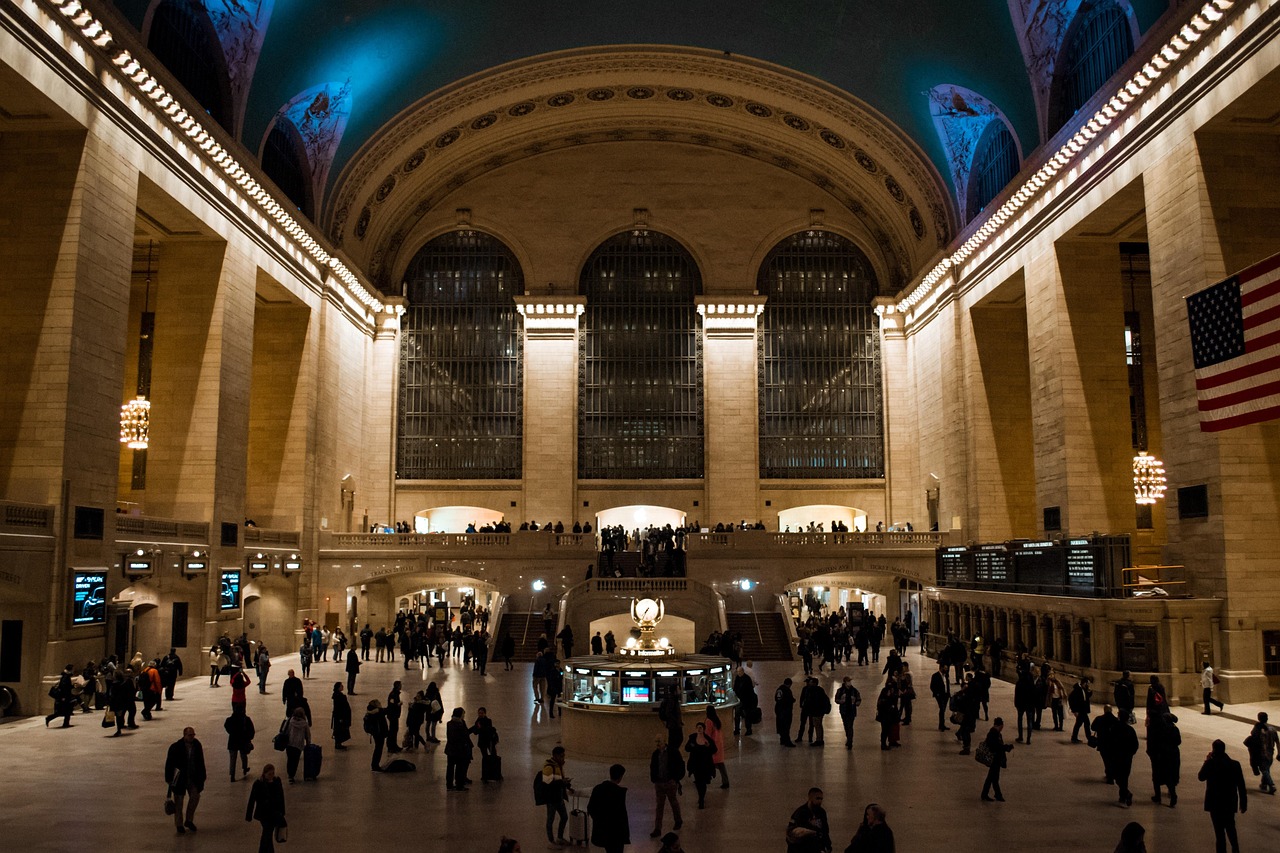
This transformation isn't just about speed or aesthetics. It’s an attempt to align the onboard experience with the prestige of world-class transit hubs like the Moynihan Train Hall in New York. By integrating hybrid power systems and state-of-the-art passenger amenities, Amtrak is positioning itself to compete not just with other trains, but with the regional airline industry and the personal automobile.
Inside the Cabin: A First Look at the New Passenger Experience
The interior design of the Amtrak Airo suggests a departure from the utilitarian, often cramped interiors of the current fleet. The focus here is on "harmonious design"—an industry term for creating a cohesive, calming environment through lighting, materials, and spatial arrangement.
Seating has undergone a complete ergonomic overhaul. Passengers will find adjustable headrests, more generous legroom, and a "four-seat table" configuration that facilitates both family travel and business collaboration. Every seat, regardless of class, is equipped with dedicated power outlets and USB-C ports, addressing one of the most frequent complaints among modern business travelers.
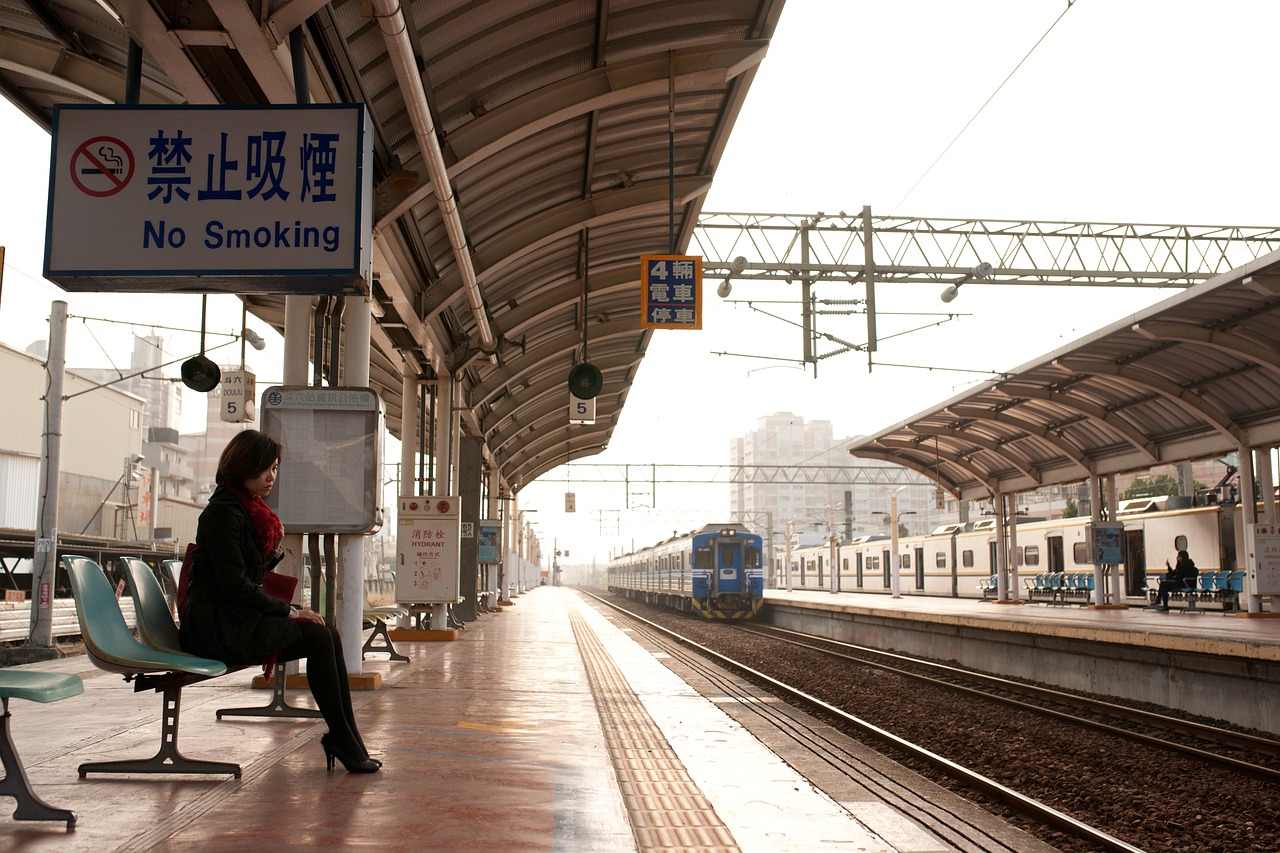
Beyond the seats, the most striking visual upgrade is the implementation of panoramic windows. In scenic corridors like the Pacific Northwest or the Hudson River Valley, the current fleet's smaller, often scratched windows have long been a limiting factor. The Airo’s expansive glass will offer unobstructed views, effectively turning the journey itself into a primary attraction.
Technologically, the Airo is a leap forward. The trains will feature 5G-enabled Wi-Fi, providing more stable connectivity through a more robust antenna system. To ensure safety and hygiene in a post-pandemic world, the restrooms have been redesigned with touchless controls for faucets, soap dispensers, and toilets.

The Redesigned Café Car
The café car is often the social heart of a medium-distance train journey. In the Airo fleet, this space has been reimagined as a contemporary "bistro-style" environment. Gone are the narrow, claustrophobic counters; they are replaced by modern service areas with self-service options and a wider array of fresh food choices. The design utilizes modern finishes and optimized lighting to create a space that feels more like a high-end coffee shop than a transit galley.
Accessibility and Inclusion
The Airo fleet places a heavy emphasis on ADA (Americans with Disabilities Act) accessibility. Each trainset includes level boarding or onboard lifts, spacious aisles, and redesigned restrooms specifically engineered for wheelchair maneuverability. Furthermore, the trains feature enhanced signage and audio-visual information systems to assist passengers with sensory impairments, ensuring that the future of rail is inclusive of all travelers.
Under the Hood: Speed, Power, and Sustainability
While the passenger-facing upgrades are impressive, the engineering driving the Airo is equally critical to its success. These trains are being built by Siemens Mobility, utilizing a platform that has already seen success in Europe and on Florida’s private Brightline service.
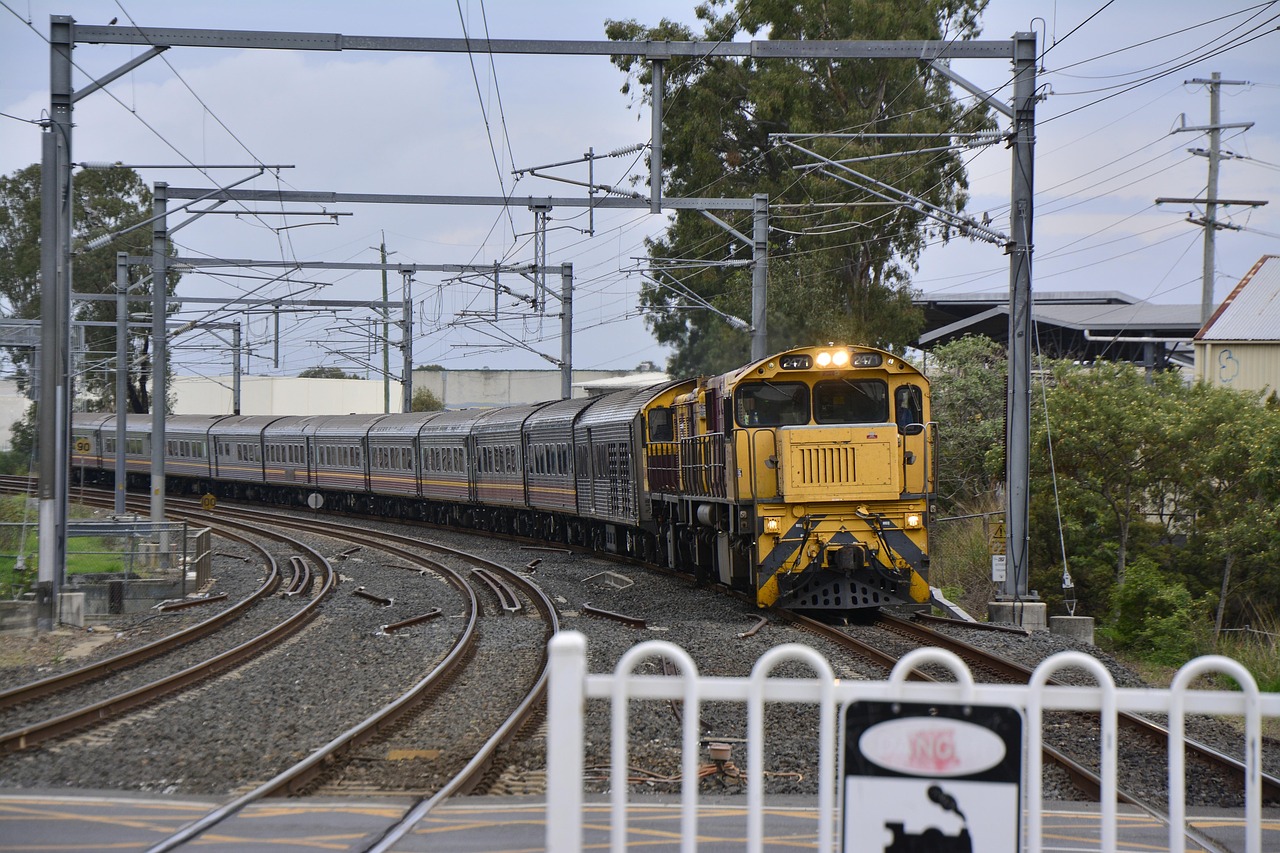
The defining feature of the Airo's powertrain is its hybrid capability. Many of Amtrak’s regional routes transition between electrified territory (like the Northeast Corridor) and non-electrified segments. Traditionally, this required time-consuming engine swaps at major stations. The Airo’s dual-power locomotives (Siemens Charger ALC-42E) can seamlessly switch between electric and diesel power, eliminating the need for these 15-to-20-minute stops and improving overall schedule reliability.
From a sustainability standpoint, the data is compelling. The Airo fleet will achieve a 90% reduction in particulate emissions compared to the legacy diesel locomotives they replace. When running in electric mode, the trains are carbon-neutral at the point of operation, provided the grid is powered by renewable sources.
A Comparison of the Fleet Transition
To understand the magnitude of this change, a direct comparison with the existing fleet is necessary:
| Feature | Current Fleet (Amfleet I/II) | Amtrak Airo (2026) |
|---|---|---|
| Max Speed | 110-125 mph | 125 mph (with better acceleration) |
| Windows | Standard rectangular | Panoramic / Extra-wide |
| Power/Tech | Shared outlets / Spotty Wi-Fi | Individual outlets / 5G Wi-Fi |
| Emissions | High (Tier 0/1 Diesel) | 90% Particulate Reduction |
| Restrooms | Manual / Aging | Touchless / Modern ADA |
| Engine Swaps | Often required (20 min delay) | Seamless Hybrid Transition |
Routes and Rollout: When Will You Ride?
The rollout of 83 trainsets is a logistical marathon rather than a sprint. Amtrak has confirmed that the first passengers to experience the Airo will be those in the Pacific Northwest.
The Debut: Amtrak Cascades (2026)
The Amtrak Cascades route, which connects Vancouver (BC), Seattle, and Portland, has been selected as the launch corridor. This route is an ideal testing ground due to its mix of urban density and breathtaking scenery, which will highlight the Airo's panoramic windows and hybrid efficiency.

Expanding to the East and Beyond
Following the successful integration of the Cascades fleet, Amtrak will pivot its attention to the high-volume routes of the East Coast and the Midwest. The following routes are prioritized for the Airo upgrade:
- Northeast Regional: The workhorse of the East Coast, connecting Boston, New York, and Washington D.C.
- Empire Service: Running from New York City to Albany and Buffalo.
- Keystone Service: Linking Philadelphia to Harrisburg.
- Downeaster: Connecting Boston to Portland and Brunswick, Maine.
- The Palmetto and Carolinian: Extending the Airo’s reach into the South.
- Ethan Allen Express: Serving Vermont and New York.
The goal is to have the majority of these routes transitioned by the late 2020s, providing a uniform, modern experience across the entire Amtrak corridor network.
The Reality Check: Maintenance and Infrastructure Challenges
As a travel critic, it is my responsibility to look beyond the sleek renderings and press releases. While the Airo fleet represents a massive leap forward, a significant logistical hurdle remains: where will these trains be serviced?
A recent report from the Office of Inspector General (OIG) highlighted a critical mismatch between fleet acquisition and infrastructure readiness. Currently, Amtrak’s maintenance facilities in Boston, Washington D.C., and New York are optimized for the 50-year-old cars they currently service. Many of these facilities will not be fully upgraded to handle the more complex Airo trainsets until 2029 or even 2031—several years after the trains are scheduled to enter service.
This "facility gap" poses a risk to the reliability of the new fleet. Without specialized bays and diagnostic tools, minor repairs could lead to extended downtime for the new equipment. Amtrak has countered this by introducing the "2026 Joint Fleet and Facilities Plan," a multi-billion dollar roadmap aimed at fast-tracking facility upgrades, but the timeline remains tight.
The Bigger Picture: US Rail in 2026 and Beyond
The introduction of the Airo is just one piece of a larger puzzle. To truly revolutionize American rail, the Airo must work in tandem with other major initiatives:
- NextGen Acela: The new high-speed trainsets for the Northeast Corridor, which are also facing delays but promise speeds up to 160 mph.
- Long-Distance Fleet Renewal: A separate multibillion-dollar project aimed at replacing the aging sleeper cars used on transcontinental routes.
- Private Competition: The success of Brightline in Florida and the development of Brightline West (connecting Las Vegas to Southern California) has created a "competitive spirit" that is finally forcing public rail to innovate.
When the Airo begins rolling across the country in 2026, it won't just be about new upholstery and faster Wi-Fi. It will be a litmus test for whether the United States can still execute a large-scale infrastructure project that meets 21st-century expectations. For the frequent traveler, the wait has been long, but the promised upgrades—from panoramic views to hybrid sustainability—suggest that the future of American rail may finally be arriving on schedule.

FAQ
Q: Will ticket prices increase once the Amtrak Airo is introduced? A: While Amtrak has not announced a specific price hike for Airo-operated routes, the company generally uses dynamic pricing. The increased demand for a more modern, comfortable experience often leads to higher average fares, though the added capacity of the new fleet may help stabilize prices in the long term.
Q: Are these high-speed trains? A: The Amtrak Airo is designed for a maximum speed of 125 mph. While this is faster than many current segments, it is considered "higher-speed rail" rather than "high-speed rail" (which typically exceeds 150 mph). Its main benefit is acceleration and efficiency rather than a significant increase in top-end speed over existing tracks.
Q: Will the Airo replace the long-distance sleeper trains? A: No. The Airo is designed for "corridor" service (trips typically under 500 miles). Amtrak has initiated a separate procurement process to replace its long-distance fleet (like the Empire Builder or California Zephyr), but those new trains are not part of the Airo rollout.
Plan Your Future Rail Journey
The modernization of American rail is a massive undertaking. To stay updated on specific route timelines and to book your travel on the current fleet, visit the official Amtrak portal.