The Historic Return: Milano-Cortina 2026 Overview
Italy is no stranger to the Olympic flame. In 2026, seventy years after Cortina d’Ampezzo first hosted the Winter Games in 1956 and twenty years after the world descended upon Turin in 2006, the spirit of international competition returns to the Italian Alps. But this is not an Olympic Games like any we have seen before. The Milano-Cortina 2026 Winter Olympics, scheduled to run from February 6 to February 22, 2026, represents a paradigm shift in how major sporting events are hosted.
Unlike the centralized "Olympic Park" models of the past, 2026 will be the most geographically expansive Winter Olympics in history. We are looking at a "widespread" Games, spanning over 22,000 square kilometers across four major regions: Veneto, Lombardy, Trentino, and Alto Adige (South Tyrol). While this decentralized approach breathes life into traditional Alpine villages, it presents a unique set of challenges for the traveler. You aren't just visiting a city; you are navigating a vast, mountainous terrain that bridges the cosmopolitan energy of Milan with the rugged, jagged peaks of the UNESCO-protected Dolomites.
Pro-Tip: When are the 2026 Winter Olympics held? The Milano-Cortina 2026 Games occur from February 6 to February 22, 2026. The Opening Ceremony is set for February 6 at Milan’s iconic San Siro Stadium, with the Closing Ceremony taking place in the historic Verona Arena.
The Opening Act: Milan, the Urban Heart
Milan serves as the sophisticated gateway to the 2026 Games. For those of us who have spent years exploring the Lombardy capital, seeing the San Siro Stadium—usually the hallowed ground for AC Milan and Inter Milan football fans—transformed into the venue for the Opening Ceremony will be a sight to behold. With 80,000 seats, it promises an atmospheric start to the festivities.
Beyond the ceremony, Milan will be the epicenter for ice sports. The Arena Milano-PalaItalia in the Santa Giulia district will host ice hockey, while the Unipol Forum will see the grace of figure skating and the intensity of short-track speed skating.
Navigating Milan during the Games requires an understanding of its evolving transit system. The newly completed M4 "Blue Line" connects Linate Airport directly to the city center in under 15 minutes, a godsend for international arrivals. However, for a more authentic Milanese experience, don't overlook the historic yellow trams. They may move slower, but they offer a panoramic view of the city's architectural evolution, from the Gothic Duomo to the futuristic skyscrapers of Porta Nuova.
The Queen of the Dolomites: Cortina d’Ampezzo
Traveling north from the urban sprawl, you reach the "Queen of the Dolomites." Cortina d’Ampezzo is perhaps the most glamorous mountain destination in the world, and in 2026, it returns to the spotlight. The Tofane mountain range will provide a breathtaking backdrop for women’s Alpine skiing, while the historic sliding center—newly renovated—will host bobsleigh, skeleton, and luge.
What sets the Cortina cluster apart for the 2026 Games is the commitment to being "Inclusive Games." Organizers are focusing heavily on accessibility, ensuring that pushchair-friendly trails and accessible viewing platforms allow everyone to witness the spectacle of the Dolomites. Even if you aren't an elite athlete, the sheer majesty of the vertical rock walls and the pink hue of the sunset—the "Enrosadira"—is a gold-medal experience in its own right.
Alpine Thrills: Bormio, Livigno, and Anterselva
The 2026 Games branch out further into the wilder corners of the Italian Alps. Bormio will host the men’s Alpine skiing on the legendary Stelvio piste, one of the most technical and demanding slopes on the World Cup circuit. If you’re a ski enthusiast, watching a downhill race here is the equivalent of watching the Monaco Grand Prix from the chicane.
Further west lies Livigno, often referred to as "Little Tibet" due to its high altitude and cold microclimate. This duty-free enclave will be the hub for Snowboard and Freestyle skiing, with a staggering 26 titles awarded here alone. It’s a high-energy, youth-centric cluster that contrasts beautifully with the traditional feel of the other venues.
Finally, we head to Anterselva (Antholz) in Alto Adige. The Südtirol Arena is widely considered the "temple of Biathlon." The local culture here is a fascinating blend of Italian and Austrian influences, where you’re just as likely to hear German spoken as Italian, and the local speck and rye bread are mandatory snacks for any spectator.
Logistics: What No One Tells You (Until Now)
This is the section that most travel brochures skip, but as a seasoned traveler, you need to hear it: The geography of the 2026 Games is difficult. Because the venues are spread across 22,000 square kilometers, you cannot simply "commute" from Milan to Cortina for a morning event and be back in time for dinner.
Travel Times and Expectations Expect inter-venue travel times to range between 2 to 5 hours. The distance from Milan to Cortina is roughly 400 kilometers, much of which involves winding mountain roads that can be unpredictable in February.
| Route | Estimated Travel Time | Best Mode of Transport |
|---|---|---|
| Milan to Verona | 1h 15m | High-Speed Rail (Frecciarossa) |
| Milan to Bormio | 3h 30m | Train + Regional Shuttle |
| Verona to Cortina | 2h 45m | Regional Bus/Private Transfer |
| Venice to Cortina | 2h 15m | Cortina Express Bus |
The ZTL Warning: Leave the Car Behind Italy is famous for its ZTL (Zona a Traffico Limitato)—restricted traffic zones. During the Olympics, these restrictions will be at an all-time high. Mountain roads in the Dolomites are narrow and prone to closures during heavy snowfall. Driving yourself is a recipe for frustration and heavy fines.
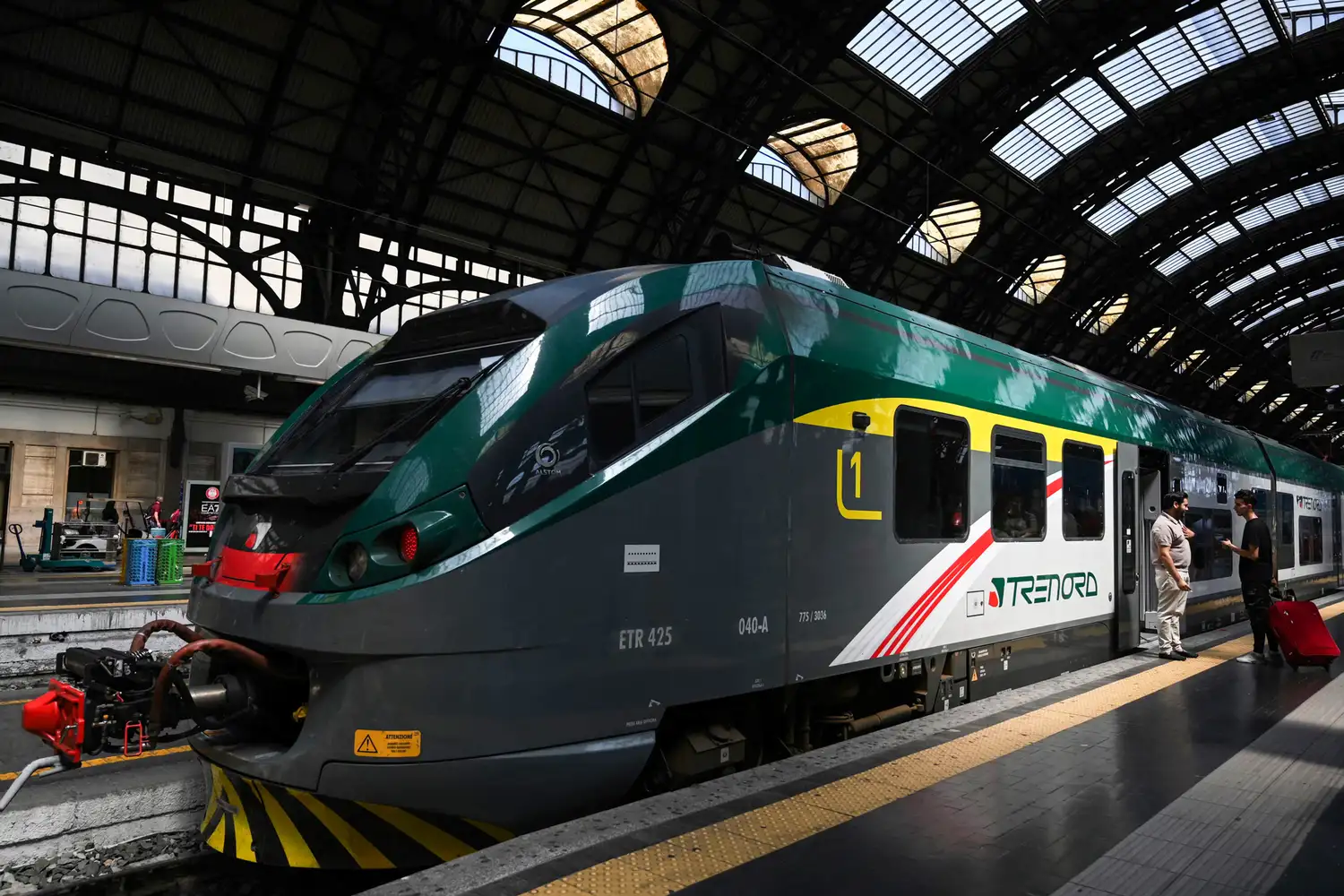
Pro-Tip: What is the best way to travel between Olympic venues in Italy? Public transport via Trenord and regional trains is highly recommended over driving. The Italian government is investing heavily in "Olympic corridors" to prioritize rail and shuttle services, ensuring spectators can bypass the traffic and parking nightmares of the Alpine passes.
Accommodation Hacks The traditional hotel hubs will be booked out years in advance. If Milan, Cortina, or Bormio are full, you must look to the "satellite" cities.
Pro-Tip: Where should I stay for the 2026 Olympics if Milan is full? Look for accommodations in nearby cities such as Monza, Bergamo, or Como. These cities are connected to Milan by frequent regional trains (usually 30–60 minutes), often offer better value, and provide a quieter escape from the Olympic crowds.
Beyond the Podium: The Cultural Overlap
The 2026 Winter Games are not just about sports; they are a celebration of the Italian dolce vita during one of the most vibrant months of the year.
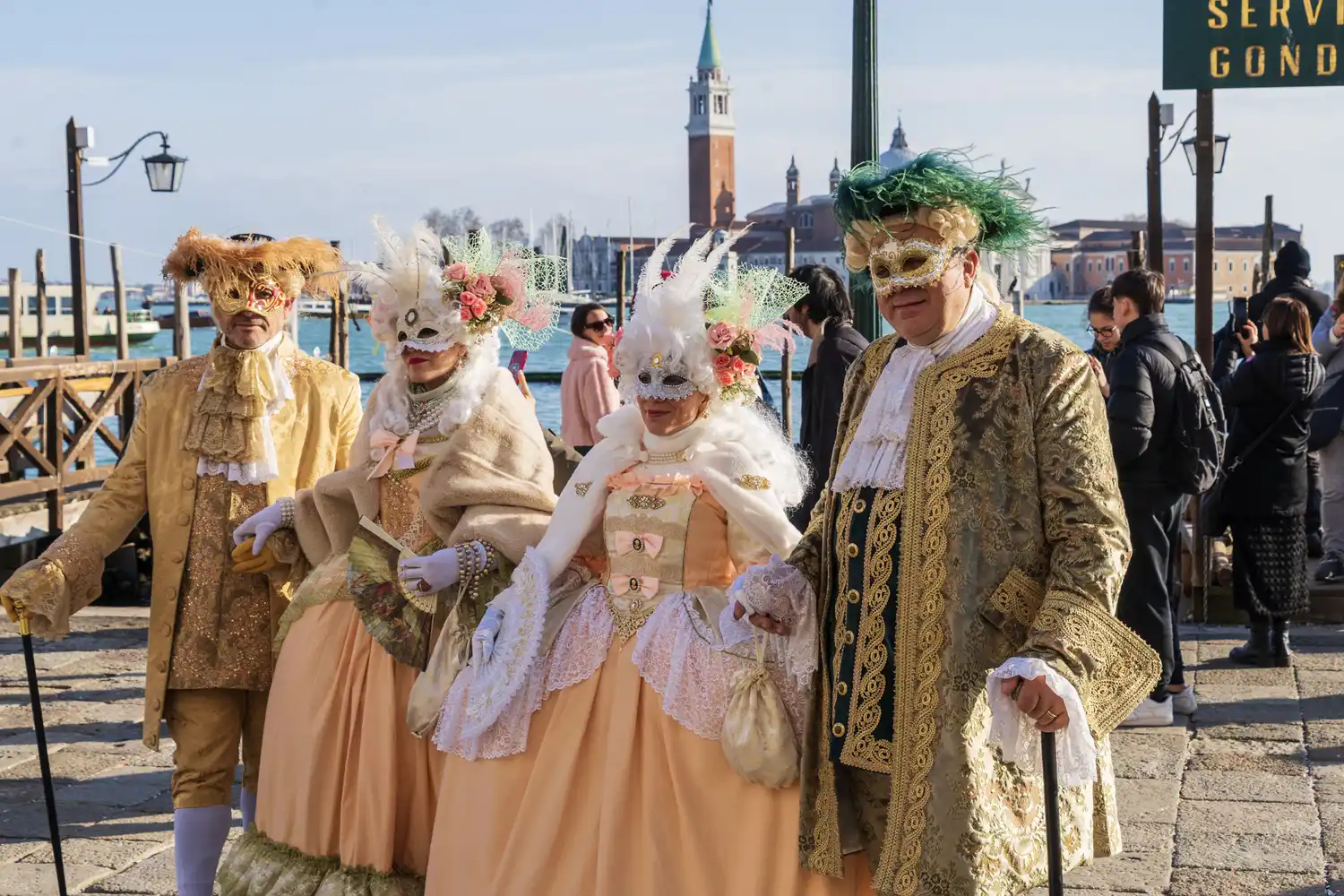
Venice Carnival 2026 In a rare stroke of luck for travelers, the Venice Carnival 2026 overlaps perfectly with the Games, finishing on February 17. Venice is one of the main transport hubs for the Cortina cluster. This means you can spend your morning watching the Women's Giant Slalom in the Dolomites and your evening watching masked revelers glide through the misty canals of Venice.
Regional Gastronomy: A Culinary Gold Medal The food of the 2026 Games is as varied as the landscape. In Milan, you’ll find the rich, saffron-infused Risotto alla Milanese. In the mountains of Cortina, the staple is Casunziei—half-moon pasta stuffed with beetroot and topped with poppy seeds and melted butter.
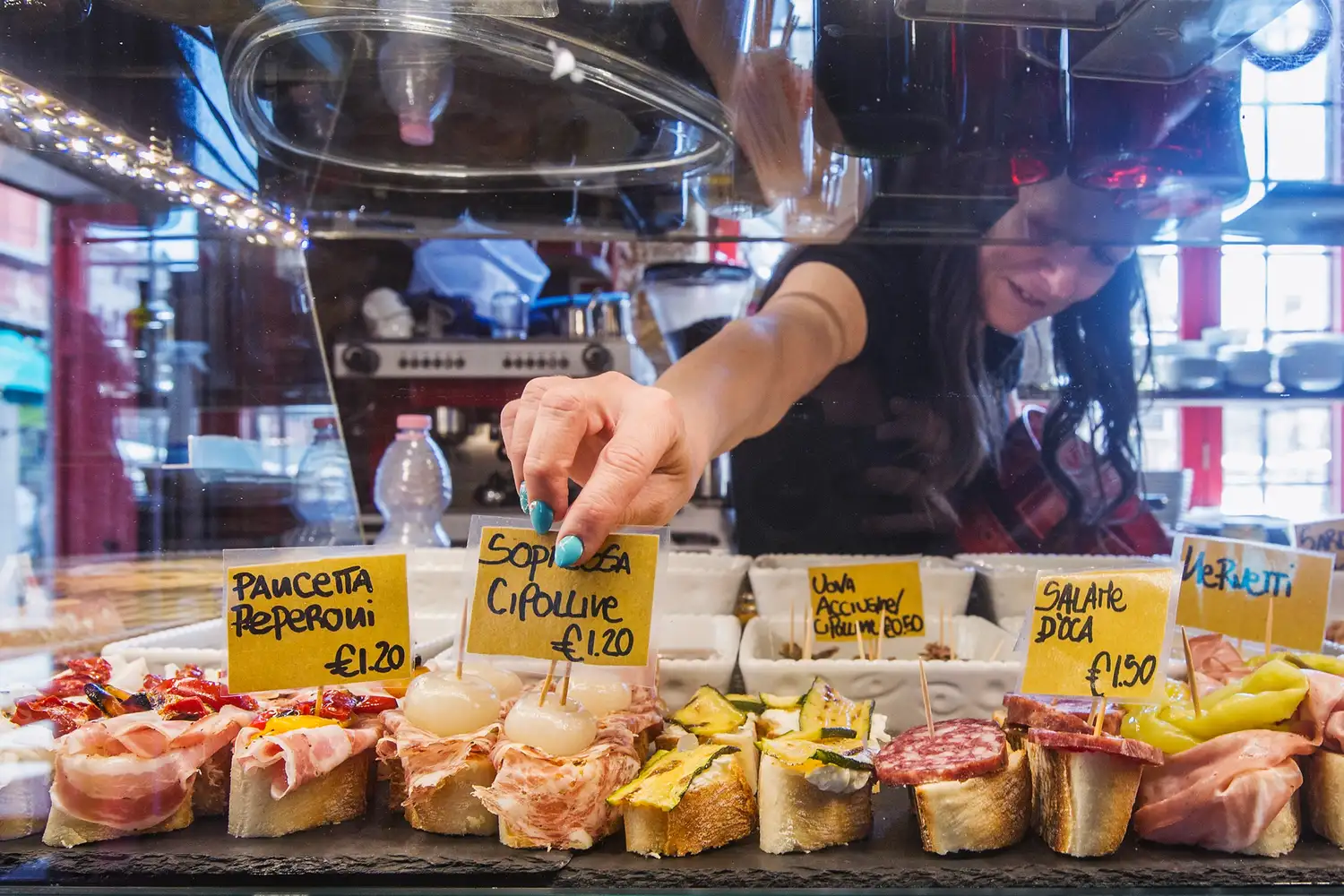
While you are in the Veneto region, do not miss the tradition of Cicchetti. These are small, Venetian-style tapas served in local wine bars called bacari. It is the perfect way to fuel up between events without committing to a full three-course sit-down meal.
Skiing like an Olympian One of the best-kept secrets of the 2026 Games is that while the Olympic runs are closed for competition, the rest of the Dolomiti Superski area—the world’s largest ski carousel—remains open. With a single pass, you can access hundreds of kilometers of groomed runs. You can literally ski between mountain villages to reach your spectator venue, combining a day of personal adventure with world-class spectating.
Safety, Tickets, and Entry Requirements
Traveling to Italy in 2026 requires more than just a plane ticket and a scarf. There are new administrative hurdles to clear.
- The Entry/Exit System (EES): By 2026, the European Union's new EES will be in full effect. This is an automated IT system for registering travelers from non-EU countries. Ensure your passport is biometric and check the latest visa requirements well in advance.
- Official Tickets: The Milano-Cortina 2026 official ticket app will be the only valid entry tool. Digital ticketing will be the standard to prevent fraud and streamline entry at remote mountain venues.
- Security & Safety: Download the "112 Where Are U" app. This is the official emergency app in Italy that allows operators to track your GPS location in case you get lost or injured in the mountain regions.
Frequently Asked Questions (FAQ)
Q: Can I see events in both Milan and Cortina on the same day? A: Realistically, no. Given the 2-5 hour travel time and the complexity of mountain transport, it is best to dedicate 2-3 day blocks to specific clusters rather than trying to hop back and forth daily.
Q: Will the mountain venues be too cold for children? A: February in the Alps can see temperatures drop well below -10°C (14°F), especially in Livigno and Anterselva. However, the "Inclusive Games" initiative means venues are being built with more warming huts and accessible facilities. Proper layering and thermal gear are essential.
Q: Do I need a special pass to enter the Olympic mountain towns? A: While the towns themselves remain open, certain "Green Zones" near competition venues will require a valid ticket or a specific spectator pass for entry during event hours.
Start Your Olympic Journey
The 2026 Winter Games will be a logistical masterpiece and a visual symphony. It asks more of the traveler—more planning, more transit time, and more regional exploration—but it offers a richer reward. You aren't just visiting a stadium; you are experiencing the very soul of the Italian North.
From the fashion runways of Milan to the sun-drenched peaks of the Dolomites, the 2026 Games are an invitation to see Italy at its most ambitious. Start your planning now, book your trains early, and prepare for a winter journey that will stay with you long after the final torch has been extinguished.