Quick Facts
- Transition Date: Southwest Airlines officially ended its 50-year open-seating tradition on January 27, 2026.
- New Seating Tiers: The cabin is now segmented into Extra Legroom (34-36" pitch), Preferred (standard pitch, front of cabin), and Standard (31" pitch).
- Boarding Logic: The carrier has moved to a group-based system (Groups 1-8) using "Wilma" (Window-Middle-Aisle) boarding to optimize turn times.
- Premium Priority: Passengers booked in Extra Legroom seats are guaranteed a boarding position no later than Group 2.
- Fare Structure: Four new fare bundles—Choice Extra, Choice Preferred, Choice, and Basic—replace the legacy Business Select, Anytime, and Wanna Get Away tiers.
For over half a century, Southwest Airlines operated as the great egalitarian of the skies. Its open-seating model was more than just a policy; it was a brand identity that prioritized speed and simplicity over the hierarchical cabin structures of its "Big Three" legacy competitors. However, on January 27, 2026, that era officially concluded. Driven by shifting consumer preferences and the relentless pressure of shareholder expectations, Southwest has undergone the most significant operational transformation in its history. This guide analyzes the new 2026 rules, the data behind the seat dimensions, and what travelers must know to navigate the new "LUV" experience.
The shift was not merely a whim of management but a calculated response to data. Internal Southwest surveys leading up to the change indicated that 80% of current customers and 86% of potential customers preferred assigned seating. Furthermore, the rise of the "premium leisure" traveler meant that a significant portion of Southwest’s flyer base was willing to pay a premium for extra space—revenue that Southwest was previously leaving on the table.
Understanding the New Seat Map: Extra Legroom & Preferred Rows
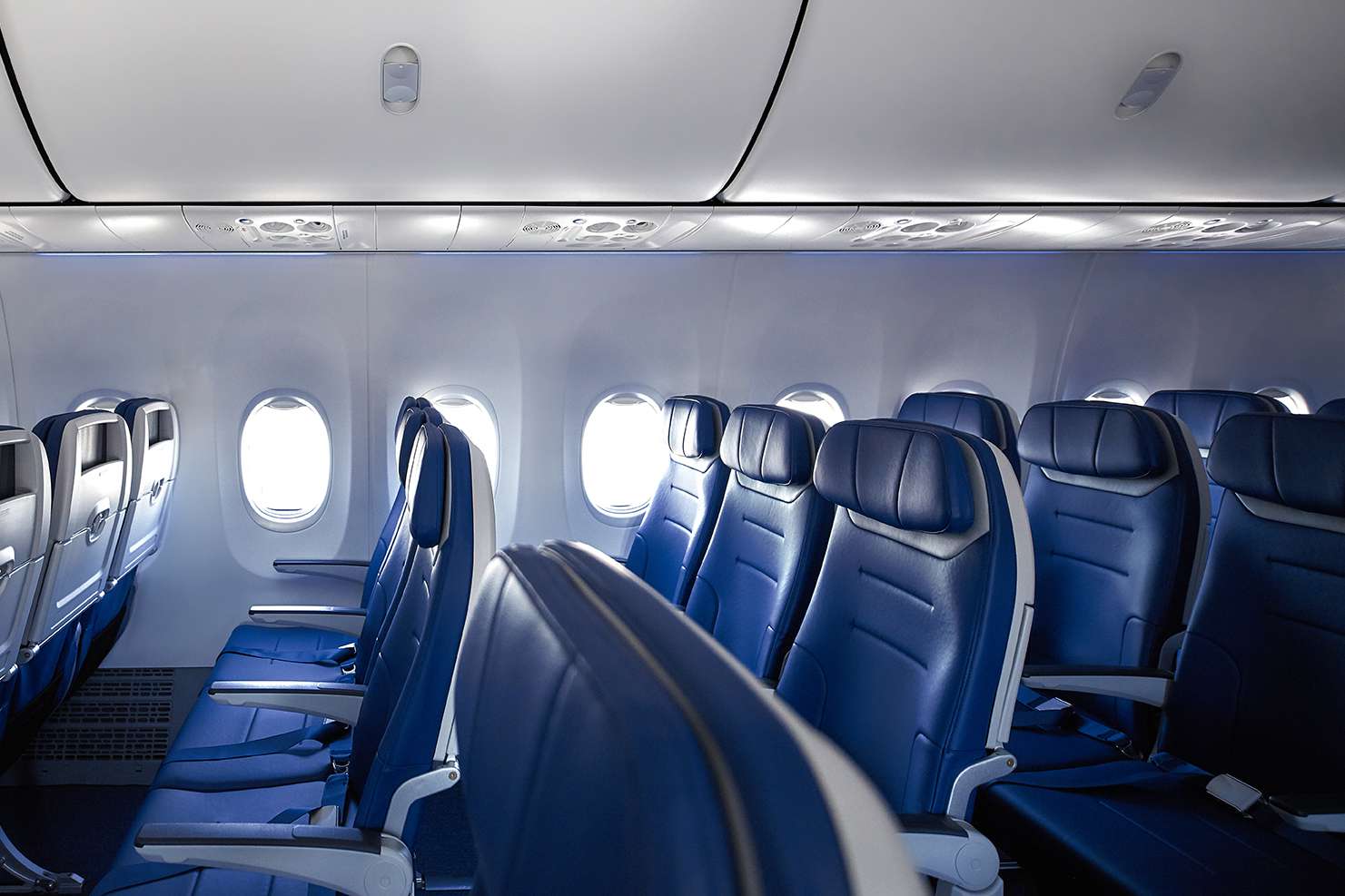
The most visible change for 2026 is the physical reconfiguration of the Boeing 737 MAX and -800 fleet. The cabin is no longer a sea of uniform legroom. Instead, Southwest has adopted a zoned approach that mirrors the "Economy Plus" or "Main Cabin Extra" products found on United or American Airlines.
Extra Legroom Seats occupy the first five to six rows of the aircraft, along with the emergency exit rows. These seats offer a 34-to-36-inch pitch, a significant upgrade from the previous fleet-wide average. For the business traveler or the long-haul flyer on a BWI-LAX route, this extra three to five inches of space represents a critical improvement in ergonomics and productivity.
Preferred Seats consist of the rows immediately following the extra legroom section. While the pitch remains at the standard 31 inches, these seats are marketed for their proximity to the front of the aircraft, ensuring a faster deplaning process.
Standard Seats make up the remainder of the cabin. While Southwest has maintained a respectable 31-inch pitch for these rows—avoiding the "ultra-low-cost" squeeze of 28 or 29 inches—they lack the priority boarding and location benefits of the higher tiers.
Expert Tip: If you are traveling on the Boeing 737-700, be aware that the extra-legroom footprint is smaller due to the shorter fuselage. Always check the specific aircraft type during the seat selection process to ensure you aren't paying a premium for a seat with limited recline near the lavatories.
The 2026 Boarding Process: From Positions to Groups
The iconic A/B/C 1-60 boarding poles have been retired to the archives of aviation history. In their place is a streamlined, group-based process designed to reduce the "gate lice" phenomenon and improve efficiency.
Southwest has implemented a Group 1 through 8 system. The logic behind this is a modified "Wilma" (Window-Middle-Aisle) approach. By boarding window seat passengers first, followed by middle and then aisle, the airline aims to reduce the "aisle dancing" that typically slows down boarding.
Under the 2026 rules, Southwest new boarding policy prioritizes high-value customers as follows:
- Group 1: A-List VIP and Choice Extra passengers in window seats.
- Group 2: Remaining Choice Extra passengers (Middle/Aisle) and A-List members. Extra-legroom customers are guaranteed to board no later than Group 2.
- Groups 3-5: Choice Preferred and Choice passengers, following the Wilma sequence.
- Groups 6-8: Basic fare holders and late check-ins.
This transition effectively ends the "Check-in at exactly 24 hours" ritual that defined the Southwest experience for decades. While some nostalgic flyers miss the "thrill of the hunt," the new system provides a level of certainty that modern travelers—particularly families and business professionals—have long demanded.
Deciphering the New 2026 Fare Bundles
The 2026 fare structure is designed to segment the market more effectively. While the "Bags Fly Free" policy remains a cornerstone of the brand (two checked bags are still included for most fares), the perks associated with each tier have shifted.
| Fare Tier | Seat Assignment | Boarding Group | Changeability | Rapid Rewards |
|---|---|---|---|---|
| Choice Extra | Included (Extra Legroom) | Group 1-2 | Fully Refundable | 14x Points |
| Choice Preferred | Included (Preferred) | Group 3-4 | Fully Refundable | 10x Points |
| Choice | Included (Standard) | Group 5 | Transferable Credit | 6x Points |
| Basic | Assigned at Check-in | Group 7-8 | Non-transferable | 1x Points |
The Choice Extra tier is the new flagship product. Beyond the Southwest extra legroom seats, it includes a premium beverage (alcoholic or specialty) and the highest point-earning potential. At the other end of the spectrum, the Basic fare is an aggressive play to compete with Frontier and Spirit, offering a seat at the back of the bus with limited flexibility, though notably still including a carry-on bag—a key differentiator from other basic economy products.
New 2026 'Customer of Size' Policy
One of the more contentious updates in the 2026 manual is the revised Customer of Size policy. Southwest has long been praised for its generous policy regarding passengers who require more than one seat, but the transition to assigned seating necessitated a change in protocol.
Under the new rules:
- Mandatory Purchase: If a passenger’s body encroaches upon the adjacent seat (specifically if the armrest cannot be fully lowered), the purchase of a second seat is mandatory at the time of booking to ensure seat inventory is accurately managed.
- Refund Conditions: Southwest will only issue a refund for the second seat if the flight departs with at least one open seat. This is a departure from the previous policy where refunds were often more liberal.
- 90-Day Window: Refund requests must be submitted within 90 days of travel.
While this change adds a layer of financial complexity for some travelers, Southwest justifies it by citing the need for "seat certainty" for all passengers. It eliminates the awkward "In-flight Shuffle" that occurred under the open-seating model when a Customer of Size would take a seat, only to have the flight reach 100% capacity later in the boarding process.
The In-Flight Experience: Premium Upgrades and Tech
To complement the new seating tiers, Southwest has overhauled its "soft product." The 2026 experience is noticeably more tech-forward.
The rollout of Viasat high-speed Wi-Fi is now complete across 95% of the fleet, providing enough bandwidth for streaming and video conferencing. Furthermore, the 2026 cabin features USB-A and USB-C power ports at every seat, regardless of the fare class.
For those in the Extra Legroom rows, the airline has introduced exclusive perks to justify the higher fare. This includes a selection of premium snacks—such as "Wonderful Pistachios"—and a complimentary premium beverage. While Southwest isn't moving toward a full "First Class" meal service, these incremental improvements bring the carrier into closer alignment with international "Premium Economy" standards.
Expert Tip: Pricing for these upgrades is dynamic. On a short-haul "puddle jumper" like Tampa (TPA) to Fort Lauderdale (FLL), an upgrade to Choice Extra might only cost $25. However, on a cross-country haul from Baltimore (BWI) to Los Angeles (LAX), expect to pay between $80 and $120 for that same extra legroom.
FAQ: Common Questions About Southwest’s 2026 Rules
Q: When did Southwest Airlines end open seating?
Southwest officially transitioned from open seating to assigned seating on January 27, 2026. All flights operated after this date follow the new assigned-seating protocols.
Q: Can I still get a refund for my "Customer of Size" extra seat?
Yes, but only if the flight has at least one unsold seat at the time of departure. You must submit your request within 90 days of the flight.
Q: Are two bags still free under the 2026 rules?
Yes. Despite the massive shift in seating and boarding, Southwest has maintained its "Bags Fly Free" policy for Choice Extra, Choice Preferred, and Choice fares. Basic fares may have restricted baggage rules depending on the route, so always check your confirmation.
Conclusion
The 2026 transition marks the end of an era for Southwest Airlines, but it also signals a necessary evolution. By adopting Southwest Airlines assigned seating 2026 and introducing extra legroom seats, the carrier has finally acknowledged that its passengers are not a monolith.
For the budget-conscious traveler, the Basic fare offers a way to keep costs low. For the business traveler, the Choice Extra tier provides the space and priority needed for a productive journey. While the "Wild West" days of racing for an exit row are over, the new era of Southwest offers something the airline previously lacked: a predictable, tailored, and modern flying experience. As a critic, I find the move balanced; they have managed to monetize their cabin without sacrificing the core DNA of friendliness and transparency that has kept them flying for 50 years.