Quick Facts
- Mandatory Tourist Levy: A fee of approximately $9 USD (IDR 150,000) is required for all international visitors, payable via the Love Bali portal.
- Cultural Conduct: Strict new regulations govern behavior at sacred sites, including mandatory traditional attire and prohibitions on certain activities.
- Logistical Standards: Visitors are now legally required to use licensed tour guides and must possess valid international driving permits for scooter rentals.
- Budget Benchmarks: A mid-range 10-day itinerary typically requires a daily budget of approximately $80 USD.
- Travel Infrastructure: Over 256 unique curated itineraries are available for the 2026 season, reflecting a more structured approach to island exploration.
Navigating the 'New Bali' in 2026
For decades, Bali has been the crown jewel of Southeast Asian tourism, often struggling under the weight of its own popularity. As we enter 2026, the provincial government has shifted its strategy from high-volume tourism to a "quality and dignity" model. This transition is not merely rhetorical; it is backed by a robust framework of new regulations and digital infrastructure designed to preserve the island’s spiritual heritage and natural environment.
For the modern traveler, this means the "Wild West" era of unregulated scooter rentals and informal temple visits has concluded. In its place is a more organized, respectful, and ultimately more rewarding experience. To navigate Bali successfully in 2026, one must understand that the island still wants tourists, but it expects them to be active participants in the preservation of Balinese culture.
The 2026 Entry Requirements: Tourist Levy & Official Apps
The most significant administrative change for 2026 is the full integration of the Bali Tourist Levy. If you are wondering, "Is there a tourist tax in Bali?", the answer is yes. Bali has implemented a mandatory tourist levy of approximately $9 USD (IDR 150,000) paid electronically to support island infrastructure and environmental preservation. This fee applies to every international visitor entering the province, including children.
Payments should ideally be made before arrival through the official Love Bali portal or mobile app. Upon payment, you receive a digital levy voucher that is scanned at checkpoints throughout the airport and major seaports. While counters are available on-site, pre-paying is highly recommended to avoid significant queues during peak arrival windows.
Beyond the levy, navigating Bali’s local economy and geography in 2026 requires a specific digital toolkit. The island’s infrastructure has become increasingly reliant on localized apps for everything from transport to food delivery.
| App Name | Primary Function | Why You Need It in 2026 |
|---|---|---|
| Love Bali | Regulatory Compliance | To pay and store your mandatory tourist levy voucher. |
| GoJek / Grab | Transport & Delivery | The "Uber" of SE Asia; essential for fair-priced rides and food. |
| Local Communication | The primary way to contact hotels, private drivers, and tour operators. | |
| PeduliLindungi (SatuSehat) | Health & Safety | Occasionally required for official health declarations or records. |

Cultural Etiquette: Respecting the Island of the Gods
The "New Bali" initiative places a heavy emphasis on Pura (temple) etiquette. In previous years, social media trends led to a rise in disrespectful behavior at sacred sites. In response, the provincial government has issued clear, non-negotiable guidelines.
What are the new rules for Bali tourists? Visitors must pay a $9 tourist levy via Love Bali, dress modestly at temples, use licensed tour guides, and strictly follow local traffic laws including wearing helmets and possessing valid licenses. Furthermore, tourists must behave respectfully in all public spaces, avoiding loud or disruptive behavior in residential areas and village centers.
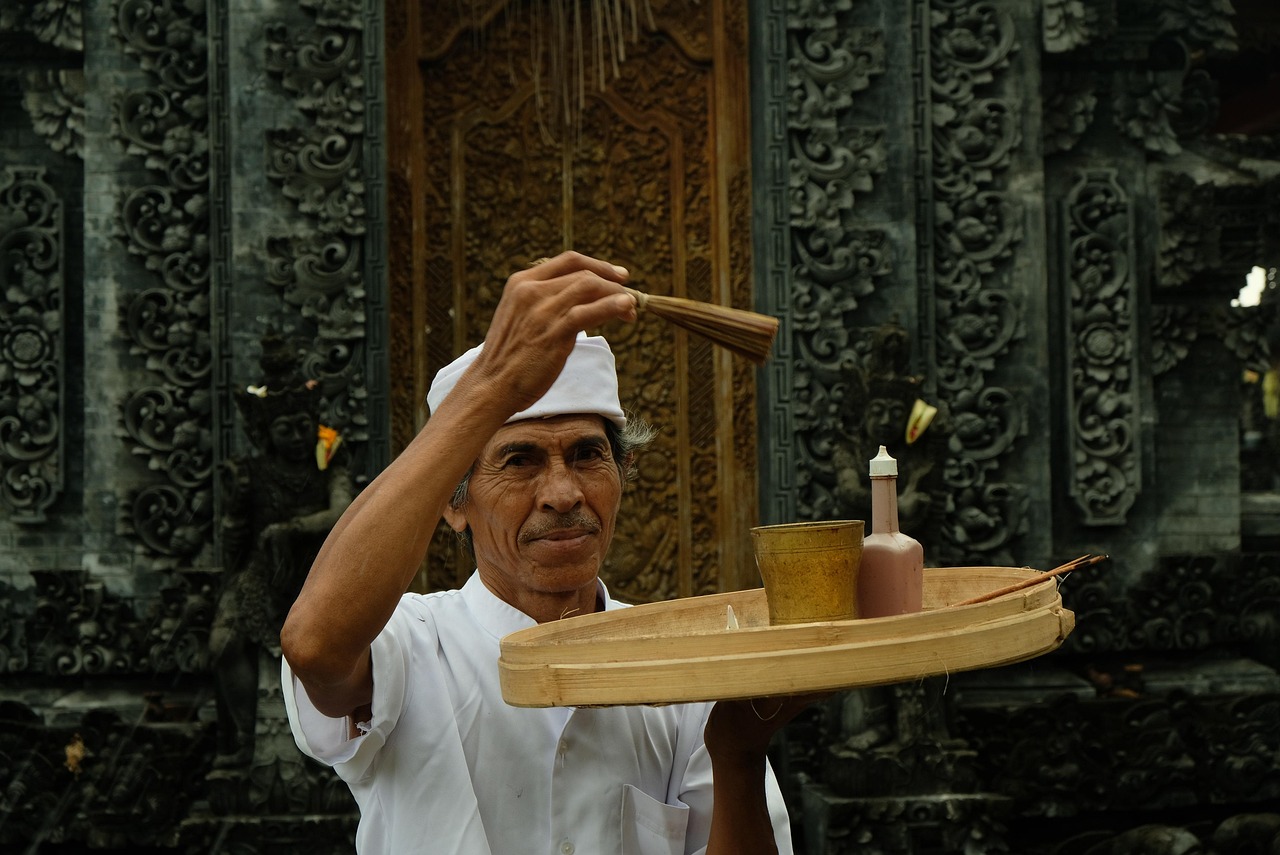
Temple visits, in particular, are now more strictly monitored. What can tourists not do in Bali temples? Tourists are prohibited from entering sacred sites unless worshipping in traditional attire, climbing sacred trees, taking nude photos, or entering while menstruating or in mourning (cuntaka). The concept of cuntaka is deeply rooted in Balinese Hinduism, referring to a state of ritual impurity. While it may seem intrusive to Western sensibilities, respecting these boundaries is a prerequisite for entry.
When visiting a temple, always ensure your shoulders and knees are covered. Most major sites like Pura Besakih or Uluwatu offer sarong rentals, but frequent travelers in 2026 are encouraged to purchase their own to support local artisans and ensure consistent compliance.
Money & Logistics: Budgeting for 2026
Despite the new taxes and the global rise in travel costs, Bali remains an accessible destination if managed correctly. Statistical data from the 2025-2026 season shows that a standard 10-day Bali-Lombok island-hopping itinerary typically requires a daily budget of approximately $80 USD. This figure covers mid-range accommodations, three local meals, transport, and one major activity or tour per day.
While digital payments (QRIS) have become ubiquitous in supermarkets and high-end boutiques, the traditional warung (small, family-run eatery) still operates primarily on cash.
Suggested Tipping Amounts (2026 Standards)
| Service Type | Recommended Amount | Context |
|---|---|---|
| Private Drivers | IDR 50,000 – 100,000 | Per full day of service. |
| Tour Guides | 10% - 15% | Based on the total tour cost. |
| Restaurants | Check the bill first | Many include a 5-10% service charge; extra is optional. |
| Hotel Porters | IDR 10,000 – 20,000 | Per bag. |
To avoid the most common logistics-related scams, travelers should only use authorized money changers that display a certification from Bank Indonesia. Avoid changers located in the back of small retail shops offering "no commission" rates that seem too good to be true. For transport, the use of GoJek or Grab provides a transparent, pre-negotiated price, eliminating the need for uncomfortable bargaining with "freelance" drivers at transport hubs.
Curated 2026 Itineraries: From 7 to 13 Days
The 2026 season offers an unprecedented level of choice for travelers, with over 256 unique itineraries currently curated by local and international agencies. Whether you are seeking spiritual rejuvenation in the highlands or rugged adventure in the outer islands, the following structures represent the most balanced approaches to the region.
Expert Tip: When selecting an itinerary, prioritize "Slow Travel." Rushing between five different regions in a week is the most common mistake. Bali's traffic in 2026, while managed better than in previous years, still requires patience.
The Essential 7-Day Guide: $599 Average Price
Focus: Ubud, Canggu, and Uluwatu. This itinerary is designed for first-time visitors who want a mix of culture, modern lifestyle, and coastal views.
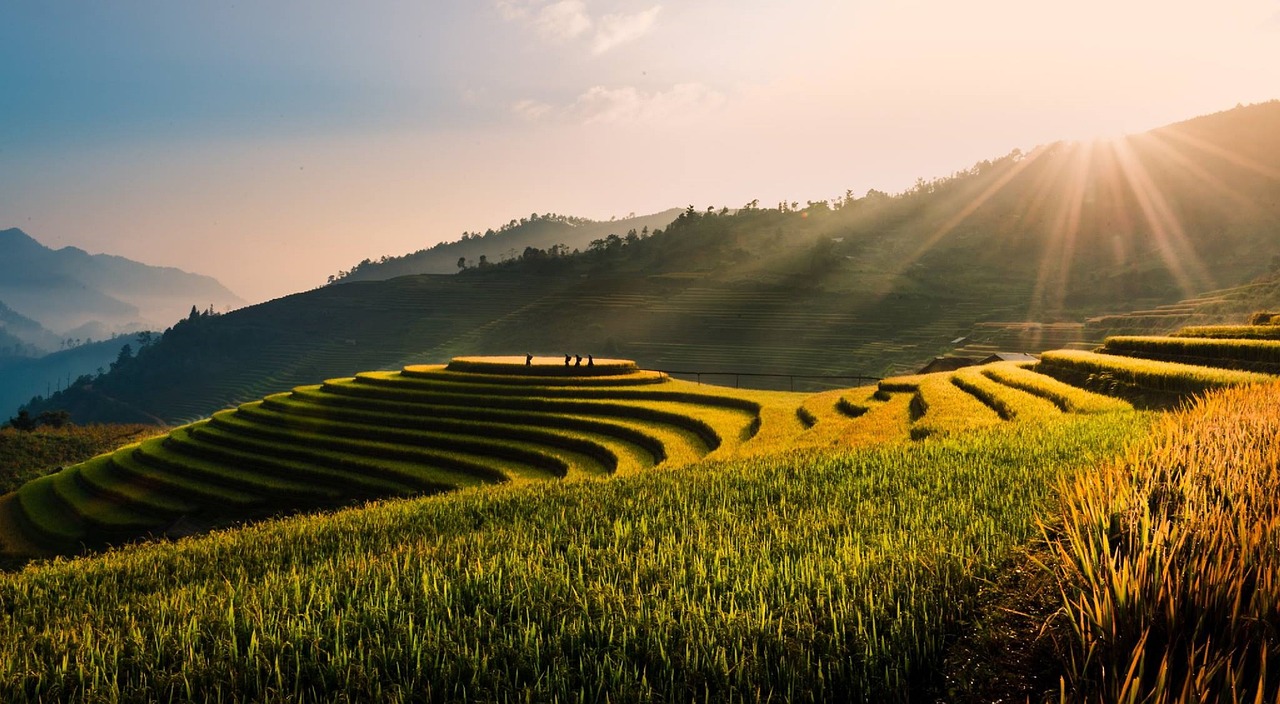
- Days 1-3 (Ubud): Start in the cultural heart. Visit the Tegallalang Rice Terraces early in the morning to beat the crowds and explore the Ubud Art Market.
- Days 4-5 (Canggu/Seminyak): Transition to the coast for world-class dining and beach clubs.
- Days 6-7 (Uluwatu): Conclude with dramatic cliff sunsets and a traditional Kecak Fire Dance performance.
The Ultimate 10-Day Island Hopper
Focus: Bali, Nusa Penida, and the Gili Islands. A favorite for photographers and adventurers. This route requires more logistical planning but offers the most iconic landscapes.
- Days 1-4 (Bali Mainland): Use Sanur as a base for its easy ferry access.
- Days 5-7 (Nusa Penida): Take a fast boat to explore Kelingking Beach and Broken Beach. Note that roads on Penida remain rugged; hiring a local driver is safer than renting a scooter here.
- Days 8-10 (Gili Trawangan/Air): Head to the Gili Islands (technically part of Lombok) for a car-free environment and exceptional snorkeling.

The 13-Day Deep Dive
Focus: Bali, Lombok, and Mount Rinjani. For the physically active traveler, this itinerary connects the cultural richness of Bali with the raw volcanic power of Lombok.
- Week 1: Follow the "Essential 7-Day" route but include North Bali (Munduk) for its waterfalls and cooler climate.
- Week 2: Fly or take a ferry to Lombok. Dedicate 3 days to trekking Mount Rinjani, followed by a recovery period in the surfing village of Kuta, Lombok.
Regional Highlights & Best Places to Stay
Choosing where to stay is the most critical factor in your Bali experience. In 2026, the distinctions between regions have become even more pronounced.
Ubud: The Cultural Heart Ubud remains the best choice for wellness enthusiasts and those seeking a connection with nature. Look for "Eco-Resorts" in the outskirts like Tegallalang or Sayayan to avoid the increasingly busy town center. It is the premier location for yoga retreats and authentic Balinese culinary workshops.
Uluwatu: Dramatic Cliffs & Surf Uluwatu has emerged as the luxury capital of the south. With its high-end villas perched on limestone cliffs, it is the best destination for sunsets and upscale dining. The surfing here is world-class but generally suited for intermediate to advanced levels.
Canggu & Seminyak: The Modern Hubs If you are a digital nomad or looking for the "social" side of Bali, these areas are unbeatable. Canggu offers a hipster, cafe-centric vibe, while Seminyak caters to those looking for high-end shopping and sophisticated nightlife.

Best Time to Visit in 2026
Bali’s climate is divided into two primary seasons, and your timing will significantly impact both your budget and your experience.
- Dry Season (April–October): This is the optimal time for exploration. Humidity is lower, and the weather is consistently sunny, making it ideal for hiking and beach activities. However, this is also peak season. Statistics show that flight and accommodation prices can rise by 30-50% between July and August.
- Rainy Season (November–March): Expect short, heavy bursts of tropical rain, usually in the late afternoon. While the landscape is at its lushest and greenest, sea conditions can be rough, occasionally affecting ferry schedules to Nusa Penida and the Gilis. This is the best time for budget travelers to find deals on luxury villas.

FAQ
What are the visa requirements for Bali in 2026? Most travelers can enter via a Visa on Arrival (VoA), which costs approximately $35 USD and is valid for 30 days. It can be extended once for an additional 30 days. Always check the official Indonesian immigration website (Molina) for the latest list of eligible countries and the option to apply for an e-VoA before you travel.
Is it safe to drink the tap water in Bali? No. Tap water in Bali is not potable for most visitors. Always drink filtered or bottled water. "Bali Belly" (traveler's diarrhea) is still a common concern; prioritize eating at busy establishments with high turnover and be cautious with ice in very remote areas, though most tourist hubs now use certified ice.
Should I rent a scooter or hire a private driver? In 2026, enforcement of traffic laws has increased. You must have an International Driving Permit (IDP) and a valid motorcycle license from your home country. If you are not an experienced rider, the congested and often unpredictable traffic makes hiring a private driver a much safer and more stress-free option. A full day with a private driver typically costs between $40 and $60 USD, including fuel.
Bali in 2026 is a destination that rewards the prepared. By respecting the new regulations and embracing the local customs, you contribute to the longevity of this unique island while ensuring your own journey is seamless.