Quick Facts
- The Geography: The Seychelles Outer Islands, known as Zil Elwannyen Sesel, comprise 72 remote coral atolls and sand cays. These are the most isolated parts of the archipelago, often closer to Madagascar than the capital, Victoria.
- The Ethos: Characterized by a "one island, one resort" policy, these islands prioritize high biodiversity and extreme privacy, offering a glimpse into Earth’s last truly wild places.
- The Protection: Seychelles is a global leader in marine conservation, having launched a $15 million Blue Bond to protect 162,000 square miles (30%) of its ocean territory.
- Top Wildlife Encounters: The islands are home to over 150,000 giant tortoises on Aldabra atoll and offer world-class opportunities for diving with manta rays and fly-fishing for giant trevally.
Introduction: Beyond the Inner Islands
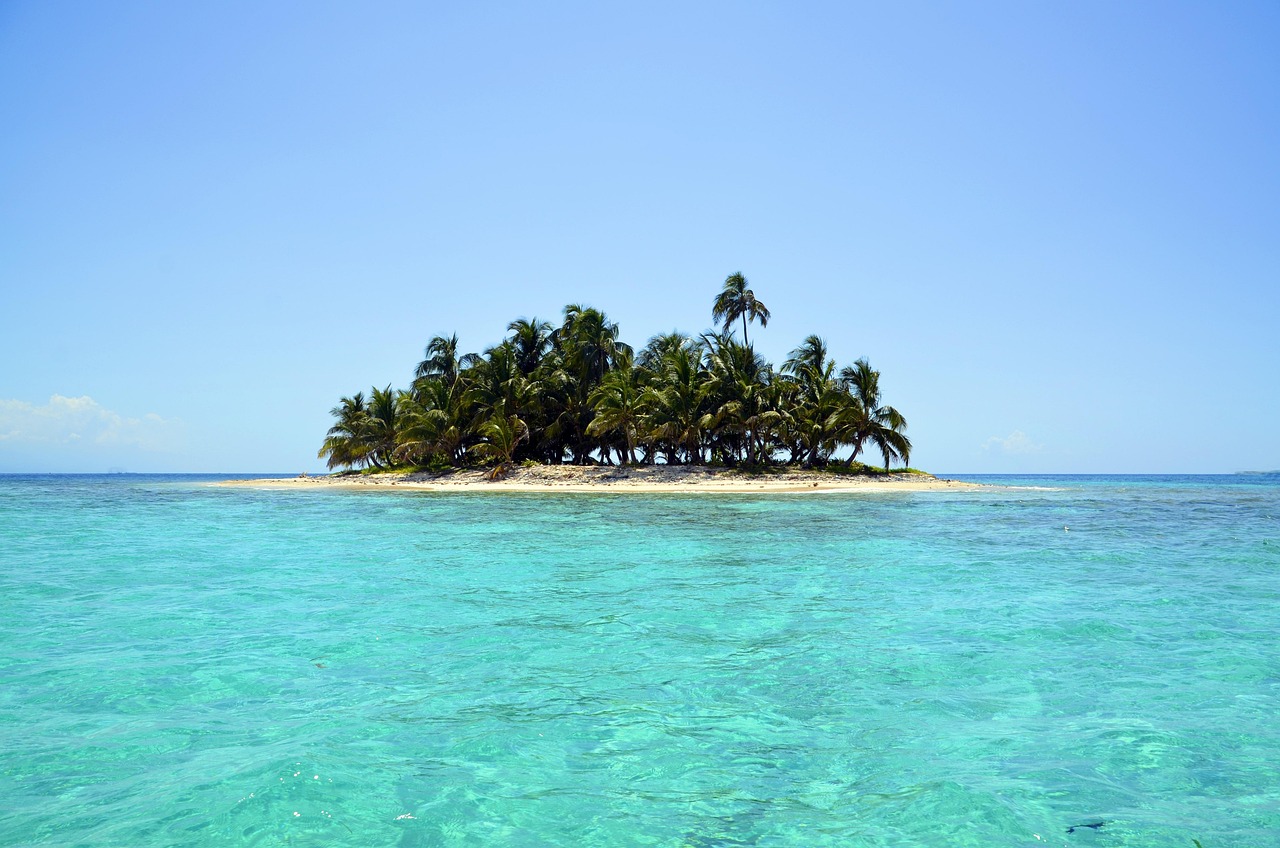
To many, the Seychelles are defined by the granite boulders of La Digue or the lush hills of Mahé. However, for those willing to venture hundreds of miles southwest across a lapis lazuli expanse, a different world awaits. The Outer Islands are not merely a continuation of the archipelago; they are a separate geological and ecological realm. While the Inner Islands are granitic and mountainous, the Outer Islands are primarily low-lying coralline atolls—fragile, shimmering rings of sand and reef that barely crest the surface of the Indian Ocean.
This is a landscape of extreme isolation. Reaching these outposts often requires private charter flights over tempestuous waters, arriving at places where the human footprint is intentionally kept to a minimum. The "One Island, One Resort" philosophy here isn't just about luxury; it’s a conservation strategy. By limiting human presence, these islands have remained sanctuaries for species that have vanished elsewhere, earning them the reputation of being the "Galápagos of the Indian Ocean."
The Blue Frontier: Conservation and the $15 Million Blue Bond
The preservation of this wilderness is not an accident of geography, but a result of pioneering sovereign policy. In 2018, Seychelles became the first country in the world to launch a "Blue Bond"—a $15 million sovereign bond designed to support the transition to sustainable fisheries and the protection of marine resources. This financial instrument has been instrumental in the country’s commitment to protect 30% of its exclusive economic zone (EEZ), totaling roughly 162,000 square miles of ocean.
This shift in perspective is profound. Where once green sea turtles were hunted, they are now protected with a reverence that borders on the sacred. This 30-year legacy of protection has allowed the marine environment to flourish. Perhaps the most vital, yet unsung, hero of this ecosystem is the seagrass.
"The vast seagrass meadows of the Outer Islands are the carbon sinks of the Indian Ocean. They sequester carbon at a rate up to 35 times faster than tropical rainforests, while providing a critical nursery for the rays, sharks, and turtles that define these waters." — Local Conservation Officer
Leading the Eco-Luxury Charge: Blue Safari Seychelles
In the Outer Islands, the line between hospitality and conservation is intentionally blurred. Leading this charge is Blue Safari Seychelles, an operator that has redefined what it means to travel to remote destinations. Their approach is built on low-impact hospitality, ensuring that the presence of travelers actually funds the protection of the environment they come to see.
Blue Safari’s operations are a masterclass in sustainable logistics. On islands like Alphonse, the resort utilizes extensive solar power arrays and sophisticated desalination plants to reduce its reliance on mainland resources. Furthermore, their "open ocean only" fishing policy ensures that the delicate reef ecosystems remain balanced and untouched by commercial or subsistence pressure.
When reading Blue Safari Seychelles reviews, a common theme emerges: the luxury here is not found in gold-plated faucets, but in the access to pristine nature. It is the luxury of standing on a sandbar at sunset, knowing there isn't another human soul for a hundred miles.
Explore Blue Safari Seychelles Reviews →
Essential Atolls: Where Nature Still Rules
Each atoll in the Outer Islands has a distinct personality, ranging from the rugged fortress of Aldabra to the diver’s paradise of Alphonse.
Aldabra: The UNESCO Crown Jewel
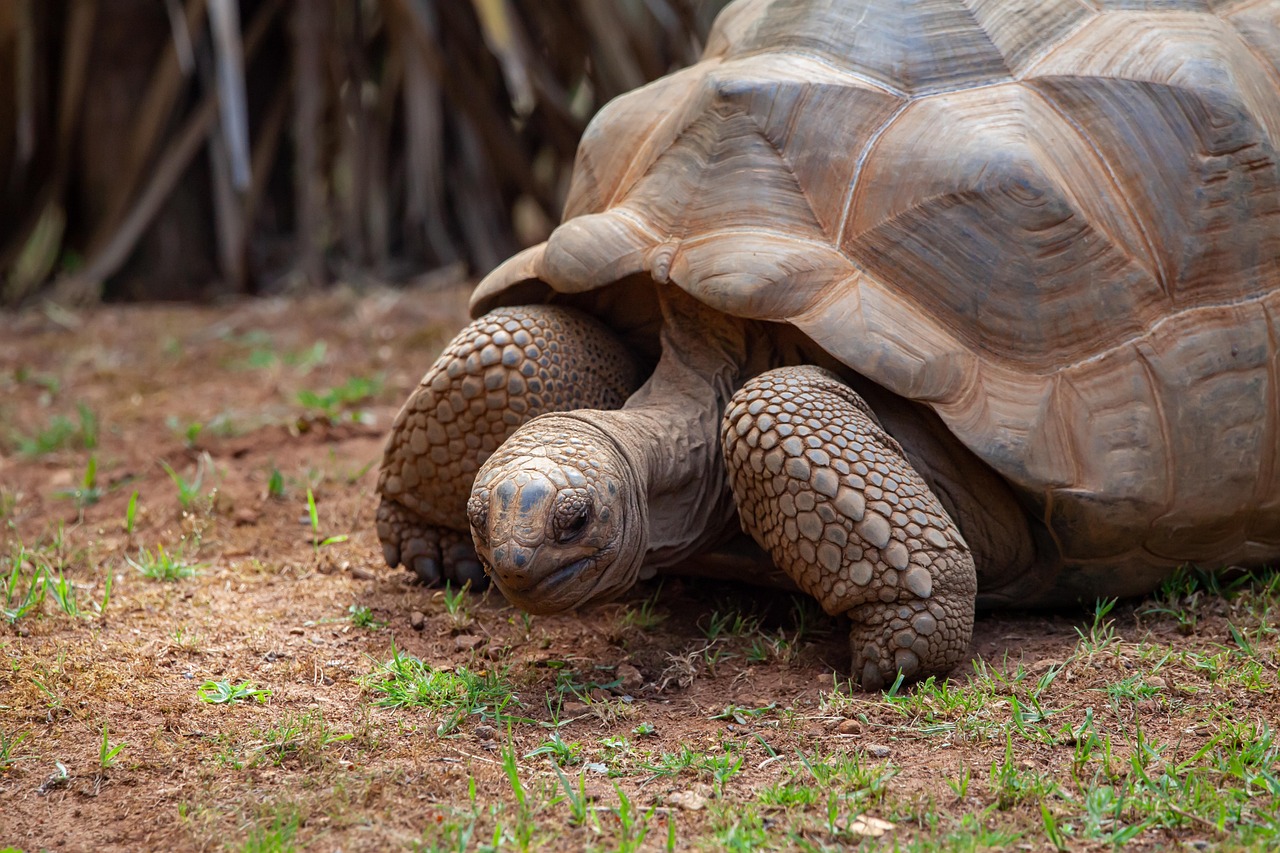
Aldabra is often described as one of the world's last great wildernesses. As the world’s largest raised coral atoll, it is so remote and so well-protected that it remains virtually unchanged by human history. It is a place of giants—specifically, the Aldabra giant tortoise.
- Key Statistic: Aldabra is home to over 150,000 giant tortoises, a population that significantly outnumbers the human residents of the entire Seychelles nation.
- The Experience: Visiting Aldabra is a privilege restricted to a few hundred people per year. It is a prehistoric landscape where blacktip reef sharks hunt in the shallow tidal channels and frigatebirds darken the skies.
Alphonse Island: The Gateway to the Deep
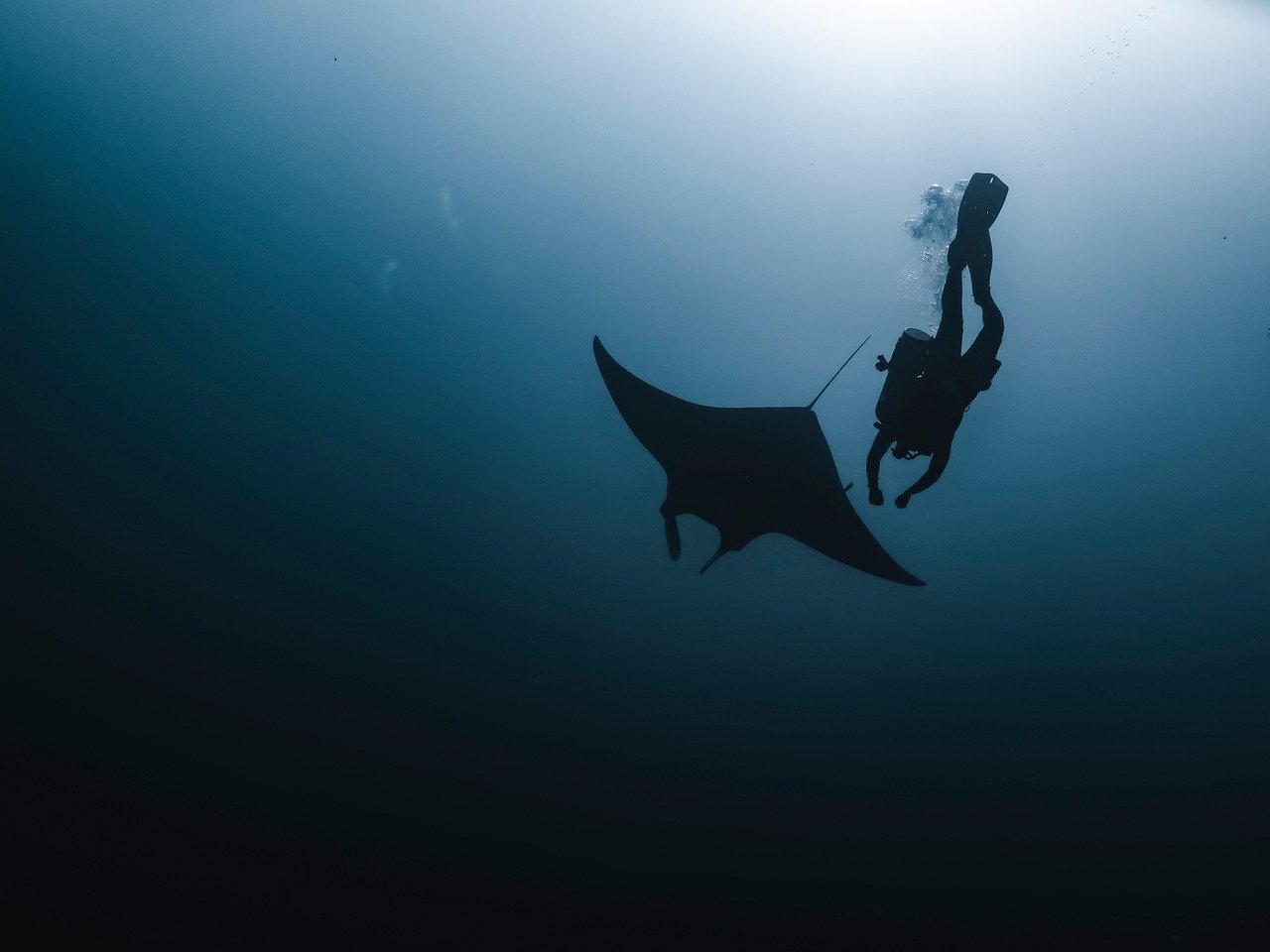
Alphonse is the most accessible of the Outer Islands and serves as the primary hub for diving with manta rays in Seychelles. The island is surrounded by the St. François and Bijoutier atolls, creating a vast lagoon that acts as a highway for pelagic life.
- Sustainability in Action: Alphonse features a massive organic farm that produces 90% of the plant-based food served across the Outer Island resorts, significantly reducing the carbon footprint of the supply chain.
- Marine Encounters: Between November and March, the waters are thick with plankton, attracting elegant manta rays. Snorkelers at St. François can find themselves gliding alongside these gentle giants in water so clear it feels like flying.
Cosmoledo: The Shark and Seabird Sanctuary
Known as the "Wild West" of the Seychelles, Cosmoledo is a place of raw, untamed energy. It is the ultimate destination for those seeking a "Blue Safari" in its truest sense.
- Accommodation: Here, luxury takes the form of eco-pods—repurposed shipping containers on Wizard Island that have been transformed into sophisticated, air-conditioned suites with minimal environmental footprints.
- The Wildlife: The atoll is famous for its population of boobies and terns, as well as the lemon shark pups that patrol the shoreline. For anglers, Cosmoledo is the undisputed world capital of fly-fishing for giant trevally (GT).
Astove: The Edge of the Abyss
Astove is famous for a geological phenomenon known as the "Astove Wall." Here, the sea floor drops vertically from a few feet to over 3,000 feet just meters from the shore.
- Diving the Abyss: Diving the wall is a transformative experience; the reef is a kaleidoscope of color that suddenly gives way to the deep, dark indigo of the open ocean.
- The Legend: The island is also home to the "Shangri-La" ghost yacht, a reminder of the treacherous reefs that have claimed many vessels over the centuries.
Comparing the Islands
To help you decide which remote atoll suits your explorer profile, consider this comparison:
| Atoll | Distance from Mahé | Primary Draw | Best For |
|---|---|---|---|
| Alphonse | 250 miles | Manta Rays & Diving | Families & First-timers |
| Cosmoledo | 645 miles | Giant Trevally & Birds | Hardcore Anglers & Adventurers |
| Astove | 655 miles | The Wall & Fly-Fishing | Divers & Solitude Seekers |
| Aldabra | 715 miles | Giant Tortoises | UNESCO Pilgrims & Naturalists |
Planning Your Trip: Logistics and Itineraries
Traveling to the Outer Islands requires meticulous planning. There are no commercial ferries; your journey begins at the IDC (Islands Development Company) hangar at Mahé International Airport. From there, a Beechcraft 1900D turboprop jet whisks you away on a flight that lasts between one and three hours, depending on your destination.
Suggested Itineraries
- The 5-Day "Luxury Explorer" (Desroches & Alphonse): Spend two nights at the Four Seasons Desroches for high-end R&R, followed by three nights on Alphonse for guided reef snorkeling and a visit to the tortoise sanctuary.
- The 10-Day "Blue Safari Expedition" (Alphonse, Cosmoledo, & Astove): This is the ultimate "Outer Island hop." It involves multiple charter legs, moving from the lush farm-to-table lifestyle of Alphonse to the rugged eco-pods of Cosmoledo, finishing with the deep-sea drama of Astove.
Cost Expectations
Luxury at the fringe of the earth comes with a price tag to match the logistics. Rates typically range from $1,100 to $4,500+ per person per night. These costs generally include all meals, most non-motorized activities, and a contribution to the island’s conservation fund.
What to Pack for the Outer Islands
Because these islands are remote, you cannot "pop to the shop" if you forget an essential.
- Reef-Safe Sunscreen: Non-negotiable for protecting the delicate coral.
- Polarized Sunglasses: Essential for spotting bonefish or rays in the flats.
- Long-Sleeved UPF Clothing: The sun at the equator is unforgiving, especially when reflected off white sand.
- Dry Bag: For boat transfers and keeping camera gear safe from salt spray.
- Lightweight Rain Shell: Tropical squalls can appear and disappear in minutes.
Summary of Top Activities
If you are looking for the absolute "must-do" experiences in the Seychelles Outer Islands, these three stand above the rest:
- Snorkeling with Manta Rays at St. François: A life-changing encounter with these majestic creatures in their natural cleaning stations.
- Tortoise Viewing on Aldabra: Walking among creatures that can live for 200 years on a UNESCO-protected atoll.
- Fly-Fishing for Giant Trevally at Cosmoledo: The ultimate test of strength and skill for any angler, set against a backdrop of pure wilderness.
FAQ
Q: Is it safe to travel to the Outer Islands? A: Yes. While remote, the resorts are highly professional and have sophisticated communication and emergency protocols in place. Medical evacuations are managed via private charter if necessary.
Q: When is the best time to visit? A: The "Outer Island season" typically runs from October to May. Outside of these months, the southeast trade winds can make the seas too rough for diving and the crossings between atolls uncomfortable.
Q: Do I need a special permit for Aldabra? A: Yes. Aldabra is a strictly controlled UNESCO site. Most visitors arrive via specialized expedition cruises or small-group charters approved by the Seychelles Islands Foundation (SIF).
Experience the Wild
The Seychelles Outer Islands are more than just a vacation destination; they are a reminder of what the world looked like before we paved it. In these remote atolls, nature isn't just a backdrop—it's the main event. Whether you are diving into the abyss at Astove or sharing a beach with a hundred-year-old tortoise on Aldabra, you are participating in one of the most successful conservation stories on the planet.