Quick Facts
- Social Wellness Redefined: It is a holistic health approach that prioritizes community and human connection as essential pillars of physical and mental well-being, shifting focus from solitary treatments to shared experiences.
- The Survival Factor: Strong social connections can increase the odds of survival by 50% compared to those with weak social ties, making community as vital to longevity as diet or exercise.
- A Shift in Industry: Modern wellness retreats are pivoting from "monastic silence" to social hubs, investing millions into communal spaces like the $4 million Santosha Wellness Club.
- Longevity Trends: The 2025 wellness market is dominated by "social health," with high-end brands launching longevity clubs that emphasize group interaction over isolated biohacking.
The End of Solitary Wellness: From Monastic to Communal
For decades, the peak of luxury wellness was defined by silence. We sought out "monastic" retreats where the goal was to disappear into a white-robed void, whispered conversations were the only permitted sound, and the most interaction you had with another human was a therapist’s hands on your back. We chased "biohacking" in isolation—sitting in hyperbaric chambers, wearing blue-light-blocking glasses alone in darkened rooms, and tracking our sleep cycles with clinical obsession.
But something shifted. Perhaps it was the collective realization that we are "starving" for connection in an era of digital saturation, or perhaps it was the 2023 World Health Organization (WHO) declaration that loneliness is a global health threat. Today, the "lone wolf" approach to health is being replaced by a hunger for tribe.
Social wellness is a holistic health approach that prioritizes community and human connection as essential pillars of physical and mental well-being. It’s the understanding that your "screaming abs" or perfectly optimized circadian rhythm mean very little if you have no one to share a meal with. We are moving away from solitary biohacking and toward a future where the most effective longevity tool in your kit isn't a supplement—it’s the person sitting across from you.
The Science of Connection: Why We Can’t Thrive Alone
Modern wellness isn't just about feeling good; it’s about survival. While the biohacking community spent years focusing on telomeres and mitochondrial health, social scientists were discovering that our relationships might be the most potent medicine of all.
The statistics are jarring. The WHO identifies loneliness as a global health concern comparable to smoking 15 cigarettes a day or struggling with obesity. When we lack social connection, our bodies enter a state of chronic "biological stress." Our cortisol levels spike, inflammation rises, and our immune systems weaken. Conversely, when we engage in meaningful human interaction, our brains release oxytocin—the "cuddle hormone"—which naturally lowers blood pressure and repairs the heart.
Core Data: The Survival Odds
Research indicates that strong social connections can increase the odds of survival by 50% compared to those with weak social ties. In the quest for longevity, your social circle is statistically more significant than your gym membership.
This shift in perspective is fundamentally changing how we view "longevity." It’s no longer just about adding years to your life through tech; it’s about adding life to your years through laughter, shared stories, and the psychological safety of belonging.
The Evolution of the Spa: From Monastic to Social
If the traditional spa was a temple of silence, the modern wellness club is a clubhouse of connection. The rigid rules of the past—no phones, no talking, no alcohol—are being relaxed in favor of environments that foster organic interaction.
Historically, destination spas were designed for the "monastic" traveler. You ate at a solo table, you walked the labyrinth in silence, and you retreated to your room by 8:00 PM. Today, major wellness brands are investing millions to tear down those walls—literally.
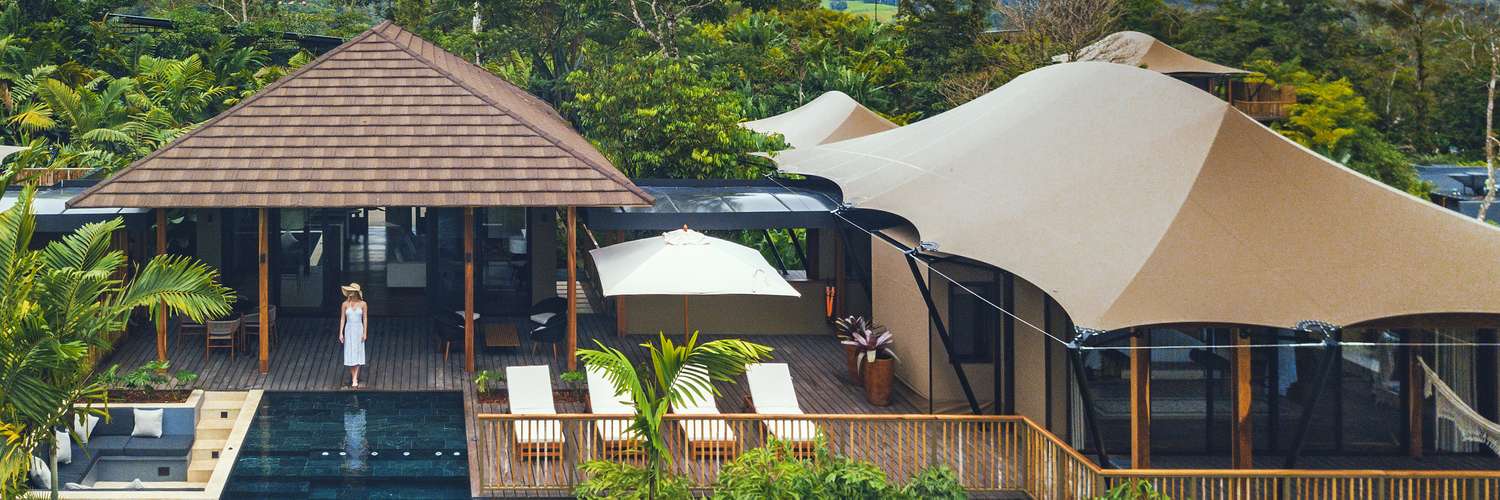
Take, for example, the recent $4 million expansion of the Santosha Wellness Club. This isn't just a gym or a spa; it’s an architectural testament to the "social health" movement. The design prioritizes open-air clubhouses and "third spaces" where guests can linger after a workout. Instead of ushering guests into private, darkened treatment rooms, these modern sanctuaries are introducing communal dining, fire pits for group storytelling, and shared "living rooms."
Modern spas are evolving by introducing social settings such as communal dining, open-air clubhouses, and group activities like hiking or whiskey tastings to foster organic interaction between guests. They are recognizing that the "treatment" isn't just the massage; it’s the conversation that happens afterward.
2025 Trend Watch: The Rise of Social Wellness Travel
As we look toward 2025, the travel industry is doubling down on "social wellness." We are seeing a departure from the "wellness retreat" as a place to hide, and an embrace of it as a place to find your tribe. Here are the key trends defining this era:
- Social Hydrotherapy Circuits: The days of soaking in a silent hot tub are over. The new "social plunge" involves group ice baths and communal steam rooms. Brands like Remedy Place and Othership are leading the charge, turning the traditionally solitary experience of "contrast therapy" into a high-energy group activity where participants breathe and endure the cold together.
- Wellness Light: Many travelers are moving away from the "all or nothing" monastic approach. This has birthed the "Wellness Light" trend, where intense yoga and meditation are balanced with social rituals like whiskey tastings, line dancing, or group hikes. It’s about the joy of movement and the pleasure of company, acknowledging that a glass of wine with a new friend can be just as "healthy" as a green juice.
- Communal Longevity Clubs: High-end longevity is no longer a solo pursuit. The 2025 wellness market shows a significant shift toward "social health" with major retreat brands investing millions into communal expansions. New "longevity clubs," some with annual fees exceeding $35,000, focus on group-based programs involving vision boarding, shared meals, and collaborative health goal-setting.
The common thread across these trends is the "group-first" mentality. Whether it’s a shared hike through the redwoods or a communal "breathwork" session, the goal is to create shared memories that bond participants long after the retreat ends.
Finding Your Tribe: How to Choose a Connection-Focused Retreat
If you’re looking to escape the isolation of modern life and dive into social wellness, not all retreats are created equal. To ensure you’re choosing a program that fosters genuine connection rather than just "co-existing," look for these specific markers:
| Feature | What to Look For | Why it Matters |
|---|---|---|
| Architecture | Open-air clubhouses, shared lounges | Encourages spontaneous "collision" and conversation. |
| Dining Style | Communal "family-style" tables | Breaking bread together is the oldest way humans build trust. |
| Activity Mix | Group-based workshops (e.g., pottery, hiking) | Provides a "low-stakes" way to interact without the pressure of networking. |
| Schedule | "Social hours" mixed with "Me time" | A balance ensures introverts don't burn out while providing ample connection. |
When researching, look for language like "community-focused," "participatory," or "shared journey." If a resort’s website focuses exclusively on "private villas" and "secluded treatments," it may still be operating on the old monastic model.
For those ready to experience this shift first-hand, brands like Canyon Ranch and The Retreat at Blue Lagoon are pioneering this "social-first" architecture.
Explore Community Retreats at Canyon Ranch →
Beyond the Retreat: Bringing Social Wellness Home
The true test of a wellness journey is what happens when you return to your daily life. It is easy to feel connected when you are surrounded by like-minded people in a beautiful resort; it is much harder when you are back to the "grind" of remote work and digital errands.
To bring the "social wellness" philosophy home, we must rethink our relationship with health from "results-driven" to "relationship-driven."
- Choose Participatory Exercise: Instead of the solitary Peloton ride, join a local run club or a CrossFit box. The "participatory" nature of these group workouts provides a built-in community that keeps you accountable and emotionally buoyed.
- Design Your Own 'Third Space': Create a weekly ritual that has nothing to do with work or family obligations—a Sunday morning coffee meet-up or a monthly "longevity dinner" with friends where you discuss health goals.
- Prioritize Face-to-Face: In the digital age, we often mistake "interaction" (likes, comments) for "connection." Social wellness requires the physical presence of others—the eye contact, the shared laughter, and the "micro-moments" of resonance that only happen in person.
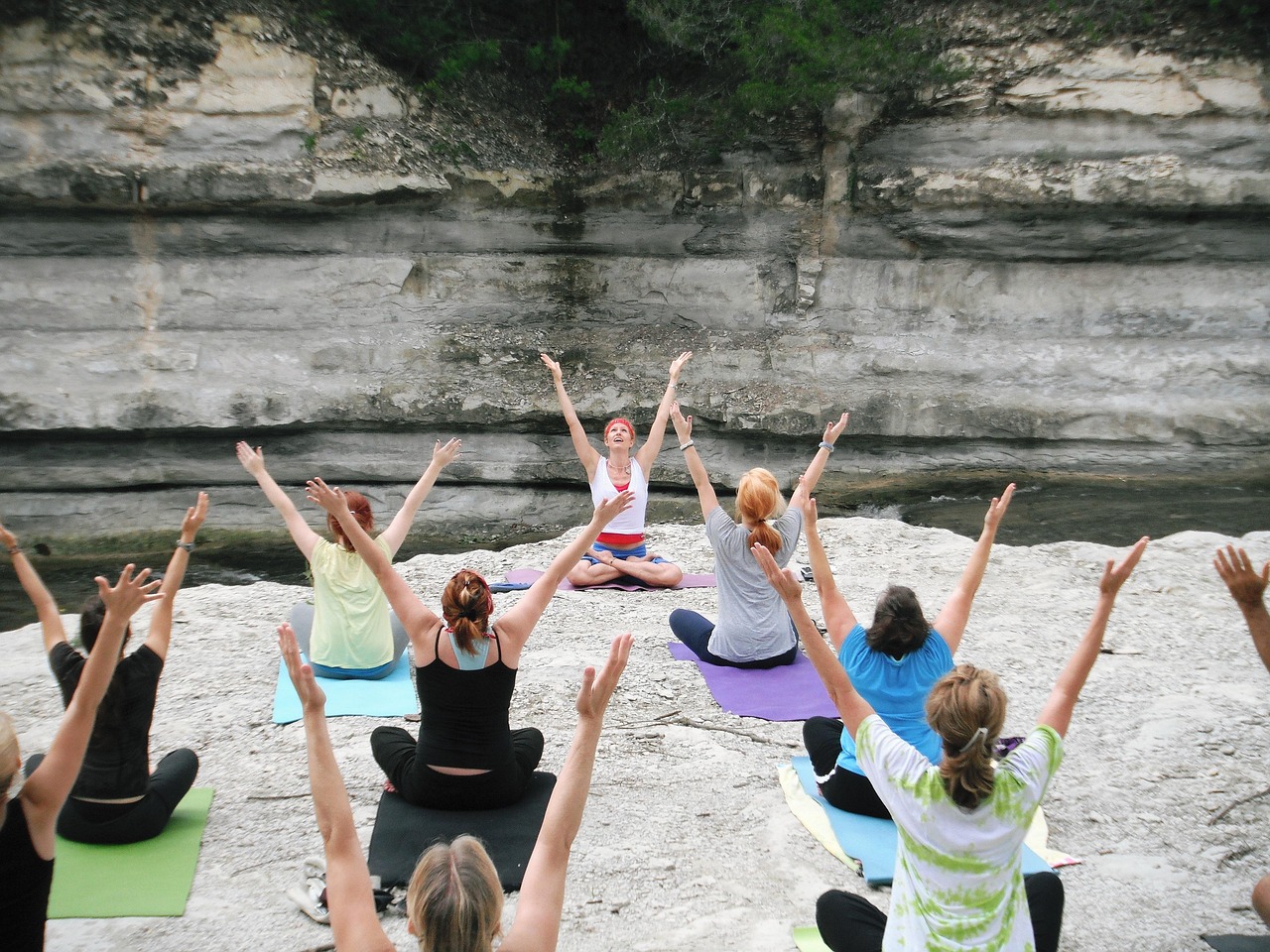
As we move toward 2025, the definition of a "healthy life" is expanding. It is no longer enough to be physically fit and mentally sharp in a vacuum. To be truly well is to be connected. In the end, the future of wellness isn't found in a laboratory or a high-tech wearable—it’s found in the community we build and the tribes we choose to join.
FAQ
1. Is social wellness travel suitable for introverts? Absolutely. Modern social wellness retreats aren't about constant "extroverted" partying. They are designed with a balance of "Me time" and "We time." The goal is to provide structured opportunities for connection—like communal dining or group hikes—which actually take the pressure off introverts to "initiate" social interaction.
2. How does social wellness help with longevity? Social wellness reduces chronic stress and inflammation. When we feel connected, our bodies produce hormones like oxytocin and dopamine, which have a protective effect on the heart and immune system. As the core data shows, strong social ties can increase survival odds by 50%.
3. What is the difference between a traditional spa and a social wellness club? A traditional spa focuses on solitary treatments and silence. A social wellness club (like the new Santosha Wellness Club) focuses on communal spaces, group activities, and "participatory" wellness where the community is part of the healing process.
Ready to Find Your Tribe?
The era of lonely longevity is over. If you're tired of "optimizing" your health in isolation, it's time to explore a retreat that prioritizes the most important nutrient of all: human connection.