"Auvergne is more of a secret than a province," wrote the legendary French journalist Alexandre Vialatte. It is a sentiment that has held true for decades. While the lavender fields of Provence and the sun-drenched docks of the Riviera capture the global imagination, the heart of France remains a land of quiet, brooding majesty. To travel here is to step into a landscape shaped by fire and cooled by time—a central French region defined by a staggering topography of nearly 200 dormant volcanoes and a historic "Spa Route" comprising 17 major thermal towns.
For the discerning traveler looking toward 2026, Auvergne represents the ultimate "slow travel" destination. It is a place where the geological past dictates the rhythm of the present, offering a rare combination of rugged outdoor exploration and Belle Époque refinement. From the UNESCO-listed peaks of the Chaîne des Puys to the mineral-rich waters of Vichy, Auvergne is a testament to the restorative power of the earth itself.
The Sleeping Giants: Exploring Europe's Largest Volcanic Field
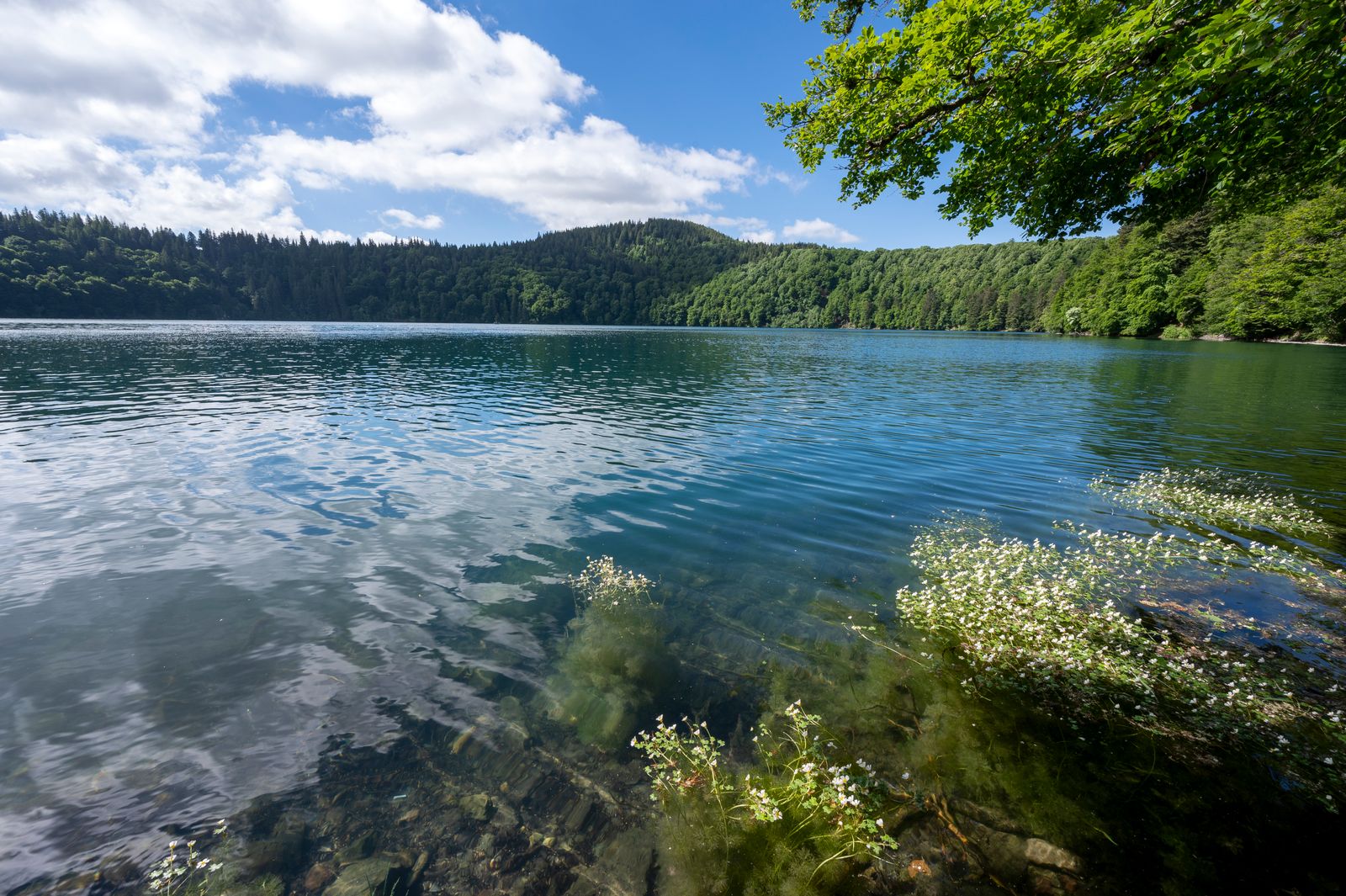
The defining characteristic of Auvergne is its verticality. This is home to the Massif Central, a highland region where the earth’s crust once buckled and birthed the Chaîne des Puys. This UNESCO World Heritage site is a chain of approximately 200 dormant volcanoes, stretching across the horizon like a series of green velvet mounds. Unlike the jagged, intimidating peaks of the Alps, these "puys" (domes) possess a softened, ancient geometry that invites exploration rather than conquest.
At the heart of this volcanic field stands the Puy de Dôme. Known as the "Olympus of France," its summit offers a 360-degree panorama of the surrounding craters. History here is layered: atop this volcanic giant sit the ruins of the Temple of Mercury, a 2nd-century Roman sanctuary that serves as a reminder that these peaks have been sacred sites for millennia.
Further south lies the Puy de Sancy, the highest point in central France. Reaching its summit involves a dramatic ascent through sub-alpine meadows. In the summer, it is a hiker's paradise; in the winter, it transforms into a niche skiing destination. Standing atop the Sancy, one feels the sheer scale of the Auvergne—a landscape that feels more like the Scottish Highlands or the Icelandic interior than the stereotypical French countryside.
The Route des Villes d’Eaux: A 19th-Century Wellness Revival
If the volcanoes provide the drama, the water provides the soul. The same subterranean forces that created the puys also gave birth to hundreds of mineral springs. This led to the creation of the Route des Villes d’Eaux (The Water Towns Route), a network of 17 historic thermal stations that once served as the summer playgrounds for European royalty and the literary elite.
In Auvergne, "wellness" is not a modern marketing buzzword; it is a state-sanctioned medical tradition. In 2024, over 470,000 people undertook state-funded thermal cures in France, with the Massif Central serving as the primary hub for this healthcare heritage. Unlike the sterile luxury spas of London or New York, the thermal baths of Auvergne—or thermalisme—focus on the therapeutic properties of "living water."
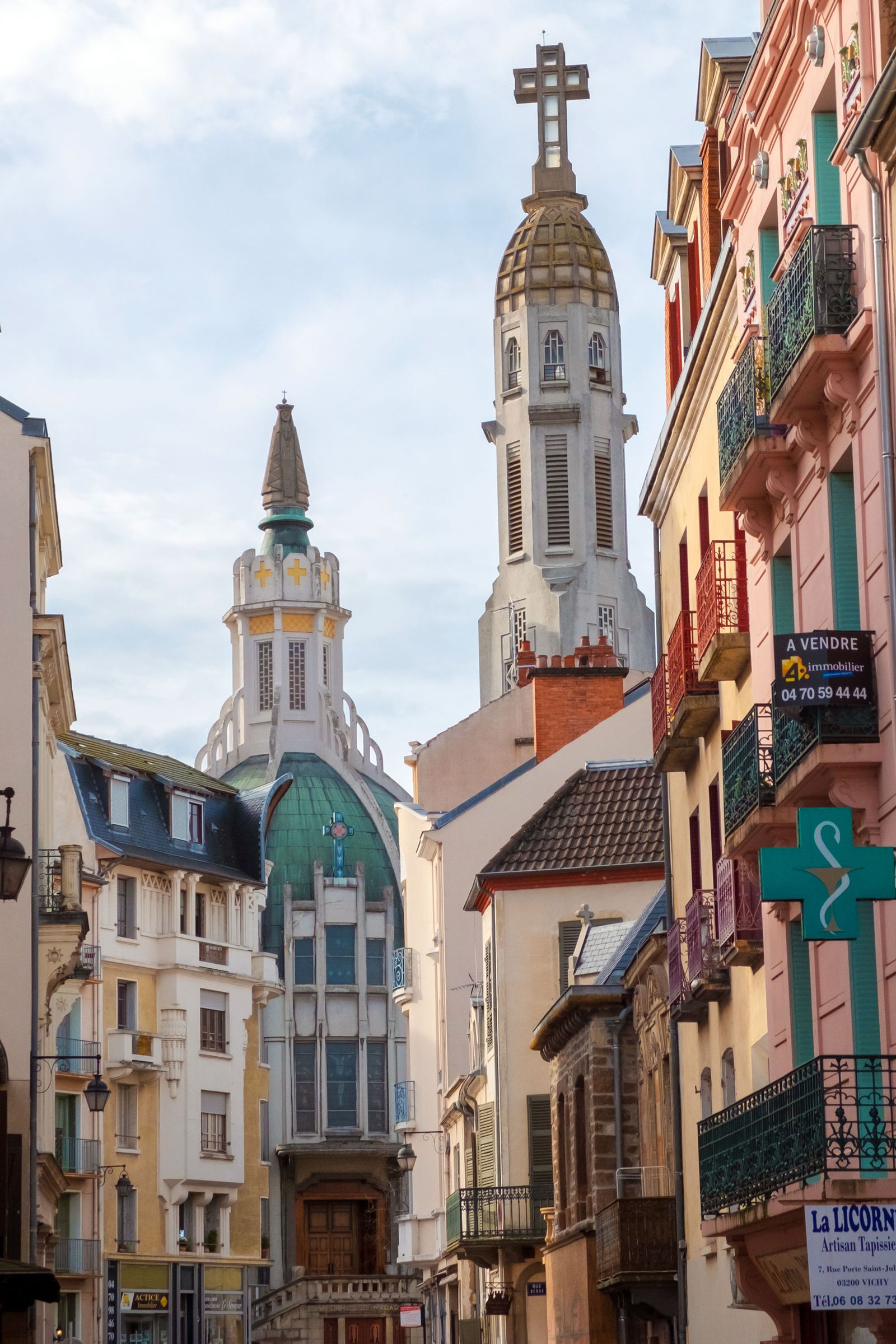
Vichy: The Queen of Spa Towns Vichy is the crown jewel of this route. Granted UNESCO World Heritage status as part of the "Great Spa Towns of Europe," Vichy feels like a grand film set. Transformed by Napoleon III into a world-class resort, the town is a masterclass in Art Nouveau and Neo-Moorish architecture. The Hall des Sources, a stunning glass-and-wrought-iron pavilion, allows visitors to taste the waters from five different springs, ranging from the temperate Célestins to the sulfurous Hôpital.
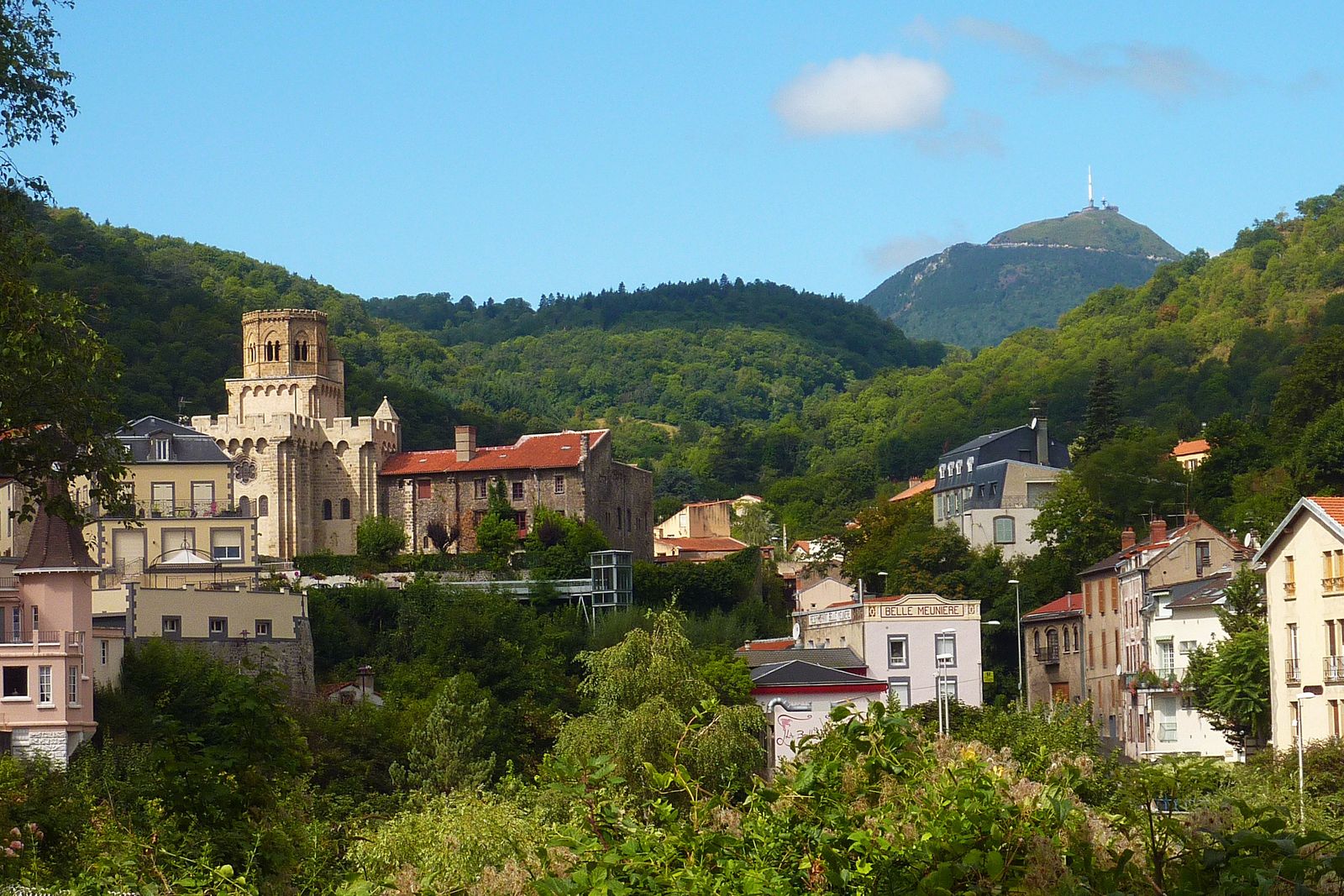
Mont-Dore and Royat While Vichy is grand, Mont-Dore is intimate and atmospheric. Its thermal baths are housed in a neo-Byzantine palace, featuring vast lava-stone columns and intricate frescoes. It was a favorite haunt of George Sand and Marcel Proust, who came to breathe the mountain air and soak in the silica-rich waters. Nearby, Royat-Chamalières offers a glimpse into the Belle Époque, where the Roman-inspired baths were built directly over the "red waters" known for their cardiovascular benefits.
Beyond the Springs: Medieval Strongholds and Dynastic Birthplaces
To understand the French identity, one must look to Auvergne. This region is the ancestral cradle of the Bourbon dynasty, the royal house that ruled France for centuries.
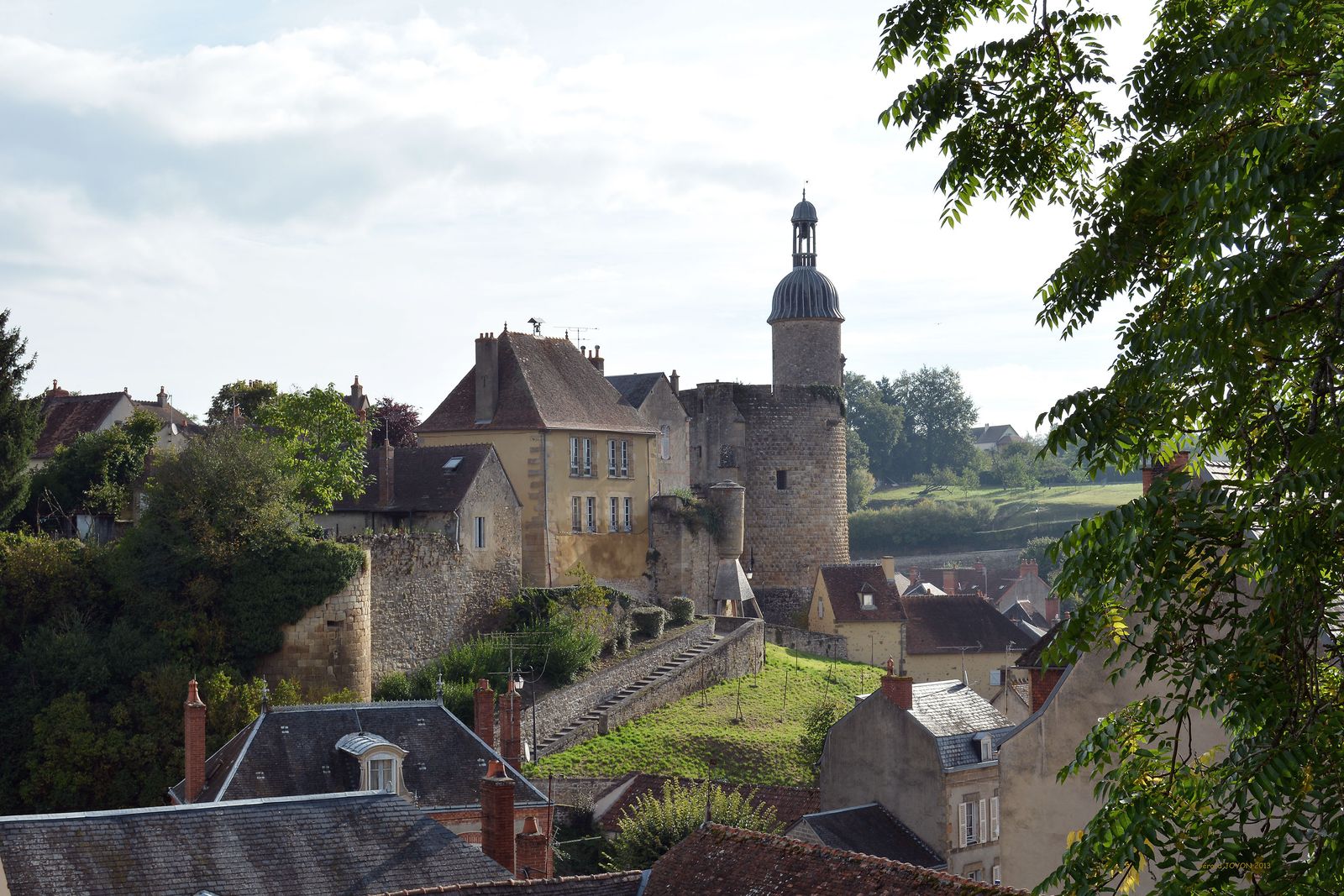
A visit to Bourbon-l’Archambault is essential for any history enthusiast. This quiet town was the birthplace of the House of Bourbon. Once a formidable fortress with 15 towers, the remaining three towers still loom over the valley. The town also pays homage to its ancient roots; its name derives from Borvo, the Celtic god of healing waters, bridging the gap between the region's volcanic springs and its noble history.
Further south, the landscape becomes even more dramatic at Le Puy-en-Velay. This is perhaps one of the most visually striking towns in Europe. It is famous for its "volcanic chimneys"—sheer basalt pillars that erupt from the valley floor, each topped with a medieval chapel or statue. The Chapelle Saint-Michel d’Aiguilhe, perched precariously atop a 280-foot needle of rock, is a feat of 10th-century engineering that defies belief.
Traveler’s Tip: Le Puy-en-Velay is the traditional starting point for the Via Podiensis, one of the most popular routes of the Camino de Santiago. Even if you aren't walking to Spain, the energy of the pilgrims and the sight of the Black Madonna in the cathedral give the town a palpable spiritual weight.
For a taste of the feudal past, the Château de Murol offers a perfectly preserved glimpse into medieval life. Built on a basalt promontory, the castle provides panoramic views of the Massif du Sancy. During the summer months, costumed reenactments bring the fortress to life, making it a highlight for families and history buffs alike.
A Taste of the Volcanic Soil: Auvergne’s Gastronomy
The cuisine of Auvergne is, quite literally, grounded. The mineral-rich volcanic soil produces ingredients with a depth of flavor rarely found elsewhere. This is a region of hearty, rustic fare designed to sustain farmers and shepherds through high-altitude winters.
The undisputed stars of the table are the Five PDO Cheeses of Auvergne. Nowhere else in France are five different cheeses from such a small area protected by the Appellation d'Origine Protégée (AOP) status.
The Famous Five: Auvergne’s AOP Cheeses
| Cheese | Texture | Flavor Profile | Best Wine Pairing |
|---|---|---|---|
| Saint-Nectaire | Semi-soft, creamy | Nutty, earthy, hints of mushroom | Côtes d’Auvergne Rouge |
| Cantal | Firm, crumbly | Milky when young; peppery when aged | Strong Red (Syrah) |
| Salers | Firm, traditional | Intense, grassy, floral notes | Saint-Pourçain |
| Bleu d’Auvergne | Creamy blue | Strong, spicy, well-salted | Sweet white (Sauternes) |
| Fourme d’Ambert | Supple blue | Mild, delicate, buttery | Fruity Pinot Noir |
Beyond cheese, look for Truffade (a decadent dish of sliced potatoes sautéed with lardons and melted fresh Tome cheese) and Aligot (mashed potatoes beaten with garlic and cheese until they reach a ribbon-like elasticity).
To wash it down, explore the burgeoning world of Volcanic Wines. The Côtes d’Auvergne AOC is gaining international traction. Vines grown in basaltic soil produce Gamay and Pinot Noir with a distinct smokiness and minerality that reflects the terroir in its purest form.
Planning Your 2026 Journey: Logistics and Timing
As Auvergne prepares for an influx of "secret-seekers" in 2026, planning ahead is key to capturing the region’s authentic spirit.
- Best Time to Visit:
- May & June: For the Vichy Napoleon Festival and the blooming of wild orchids in the mountain meadows.
- September: For the "Roi de l’Oiseau" Renaissance festival in Le Puy-en-Velay.
- Getting There: The gateway to the region is Clermont-Ferrand. It is well-connected by train from Paris (approx. 3.5 hours). However, once you arrive, hiring a car is essential. The true magic of Auvergne lies in the winding D-roads that connect hidden hamlets and volcanic trailheads.
- Where to Stay:
- Vichy: For luxury, stay at the Vichy Célestins Spa Hotel, which has direct access to the thermal baths.
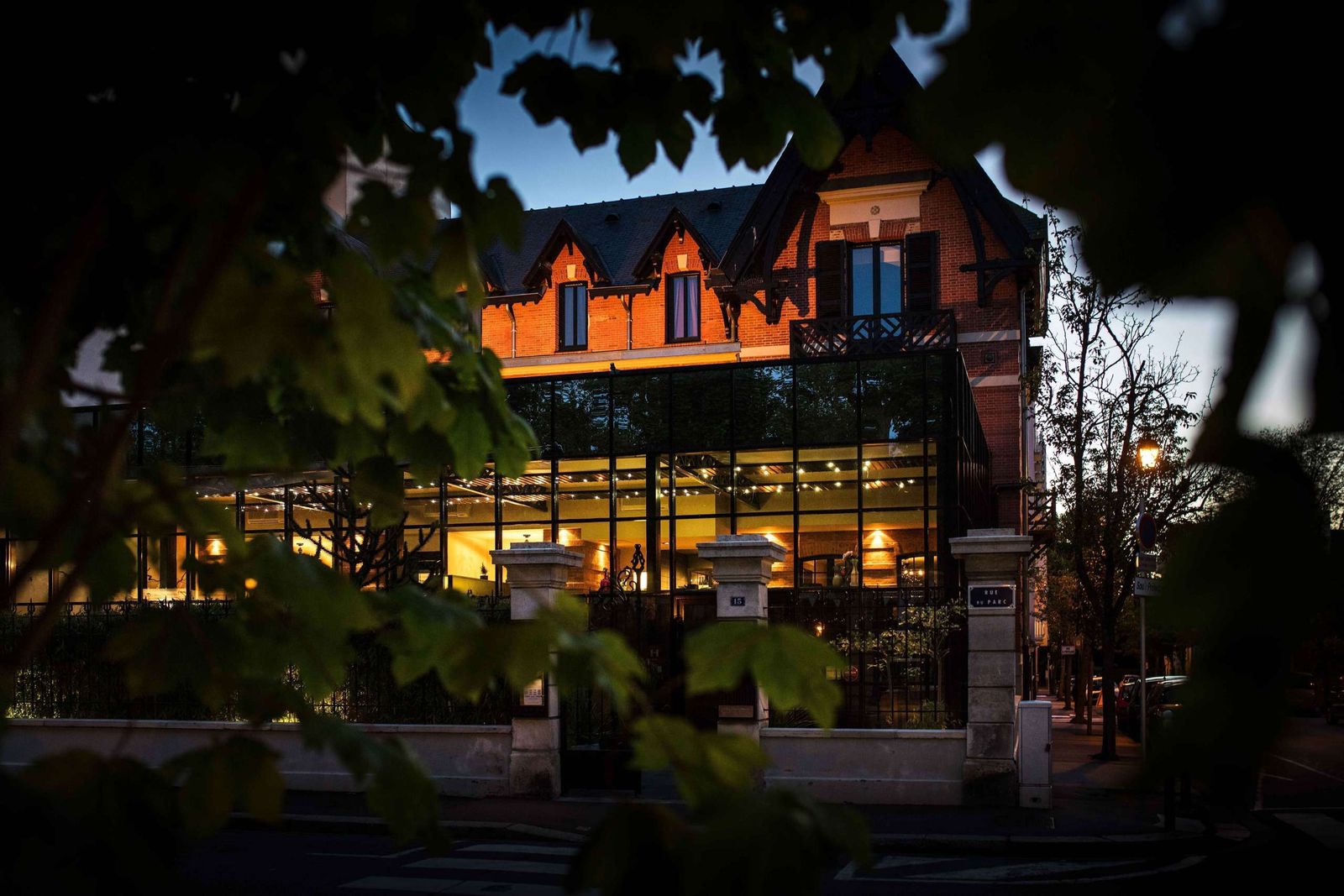
- The Countryside: Look for a Mas (traditional farmhouse) or a "Gîte de France" in the Cantal region for a truly immersive experience. For a gastronomic splurge, the five-room Maison Decoret in Vichy offers Michelin-starred dining in a former chalet built for Napoleon III’s officers.
FAQ
What is the best way to get to Auvergne from Paris?
The most efficient way is the SNCF Intercités train from Paris Gare de Bercy to Clermont-Ferrand. The journey takes roughly 3.5 hours. From Clermont-Ferrand, you can rent a car to explore the Puy de Dôme and the surrounding spa towns.
Are the volcanoes in France still active?
No, the volcanoes in the Chaîne des Puys are considered dormant. The last eruption occurred approximately 6,700 years ago. Geologically speaking, they are "young," but there is no current volcanic activity, making them perfectly safe for hiking and paragliding.
Can international tourists access the thermal baths in Vichy?
Absolutely. While many locals use the baths for 21-day medical cures covered by insurance, the major spa centers like Vichy Célestins offer "Thermal Spa" day passes and shorter wellness programs for international visitors focusing on relaxation and skincare.
What is the most famous food I must try in Auvergne?
If you only try one thing, make it Truffade. It is the quintessential comfort food of the region—a rich, savory mountain dish of potatoes and Tome fraîche cheese that perfectly represents the rustic, hearty nature of Auvergnat culture.
Conclusion
Auvergne is not a region that reveals itself all at once. It requires a willingness to wander—to drive into a bank of morning mist and emerge above a crater, to sit in an Art Nouveau café and sip sulfurous water that was once rain a thousand years ago. In 2026, as the world grows louder and more crowded, the silent peaks and healing springs of France's secret heart offer something increasingly rare: a place to breathe, a place to heal, and a place to remember what it feels like to be truly off the beaten path.