Quick Facts
- Distance & Duration: 74 miles (120km) covered over 10 grueling but rewarding days.
- The Route: A south-to-north traversal starting from the rugged coast of Pererenan and finishing on the serene northern shores near Tejakula.
- The "Why": A regenerative pilgrimage designed to combat the loss of 25% of Bali's agricultural land over the last 25 years.
- Difficulty: Moderate to Challenging. Expect humidity, narrow irrigation walls, and deep-jungle mud.
- Cultural Focus: Deep immersion in the Subak irrigation system, organic farming, and traditional Balinese village life.
Introduction: Beyond the Beach Clubs
Forget the infinity pools in Ubud and the neon-soaked beach clubs of Canggu for a second. If you want to see the real Bali—the one that isn't curated for an Instagram grid—you have to get your boots muddy. I’m talking about the kind of mud that stains your socks for weeks and reminds you exactly where you’ve been.
Recently, I found myself standing on the black volcanic sands of Bali’s south coast, watching the Indian Ocean crash against the shore. I wasn't there to surf. I was there to walk. Specifically, to take on the Astungkara Way, a 74-mile (120km) regenerative tourism trail that slices through the heart of the island. It’s a 10-day odyssey that starts on the south coast and ends on the north, but it’s far more than just a cross-island hike.
The Astungkara Way is a "farming pilgrimage" designed to reconnect travelers with the origins of their food and the people who grow it. In a world where tourism often feels like a transaction, this is a transformation. It’s a call to "tread lightly," shifting the focus from what we can take from a destination to what we can leave behind.
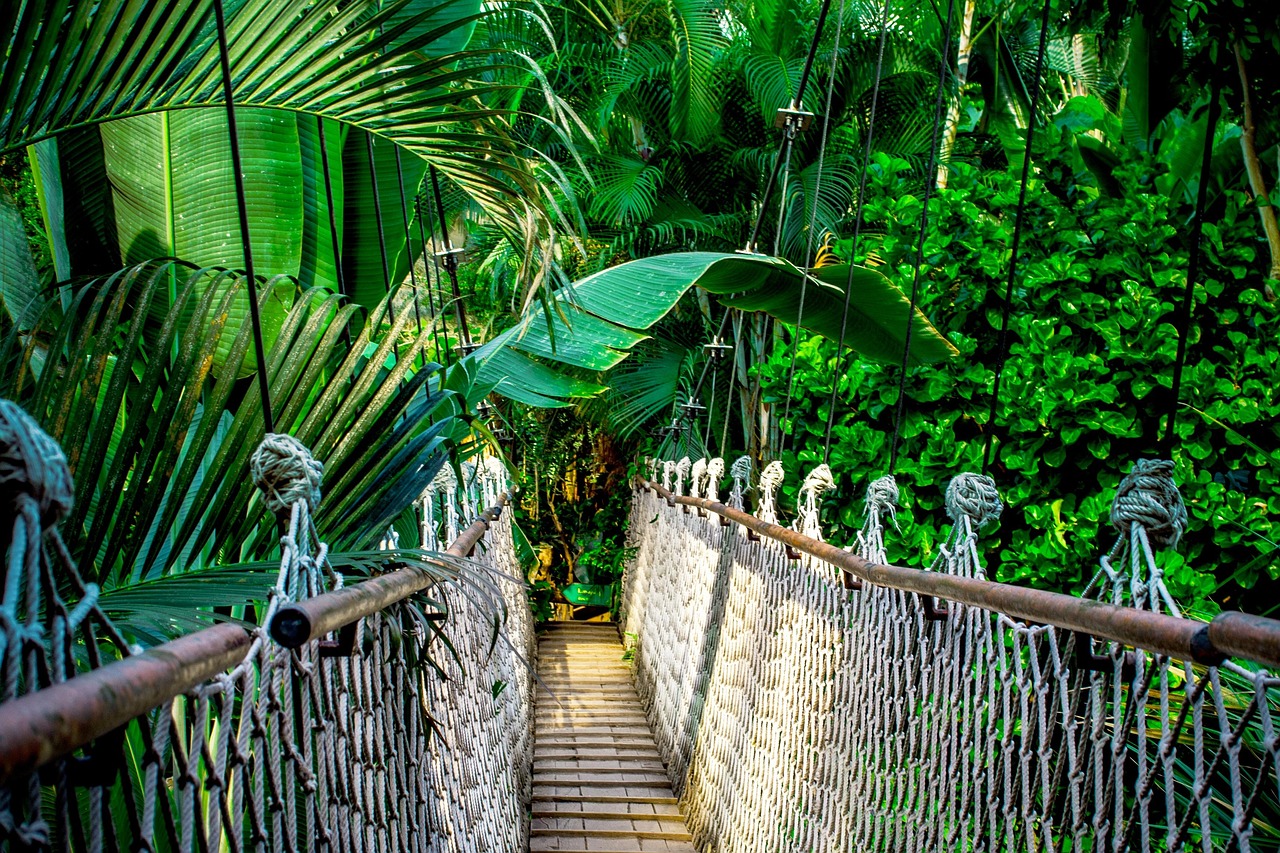
The Mission: Treading Lightly on a Changing Island
The word Astungkara translates roughly to "God willing" or "hopefully," a common refrain in Balinese daily life. It’s a fitting name for a project born out of a sense of urgency. Here’s the reality check: Bali has lost 25% of its agricultural land over the past 25 years due to rampant tourism and infrastructure development. The rice paddies that define the island’s silhouette are disappearing, replaced by concrete villas and shopping strips.
When I first heard that statistic, it hit me hard. We often view Bali as this eternal tropical paradise, but the landscape is under siege. The Astungkara Way was built to challenge this narrative. By guiding hikers through the island’s interior, the trail funnels much-needed economic support into remote farming communities that haven't seen a dime of the traditional tourism pie.
This isn't a "look but don't touch" experience. It’s a "get in the dirt and participate" experience. You aren't just an observer; you're a temporary part of the ecosystem. Whether it’s learning how to compost at a community garden or understanding why a specific type of heirloom rice is vital to local rituals, the mission is to make you realize that the food on your plate has a story, a face, and a legacy worth protecting.
The Route: From Sea to Summit to Sea
The journey begins at Pura Gede Luhur Batu Ngaus, a temple perched on a rocky outcrop where the spray of the ocean hits your face. From there, you turn your back to the sea and head inland. Over the next 10 days, the elevation rises and the humidity thickens as you navigate a landscape of emerald-green rice terraces, dense bamboo forests, and hidden river valleys.
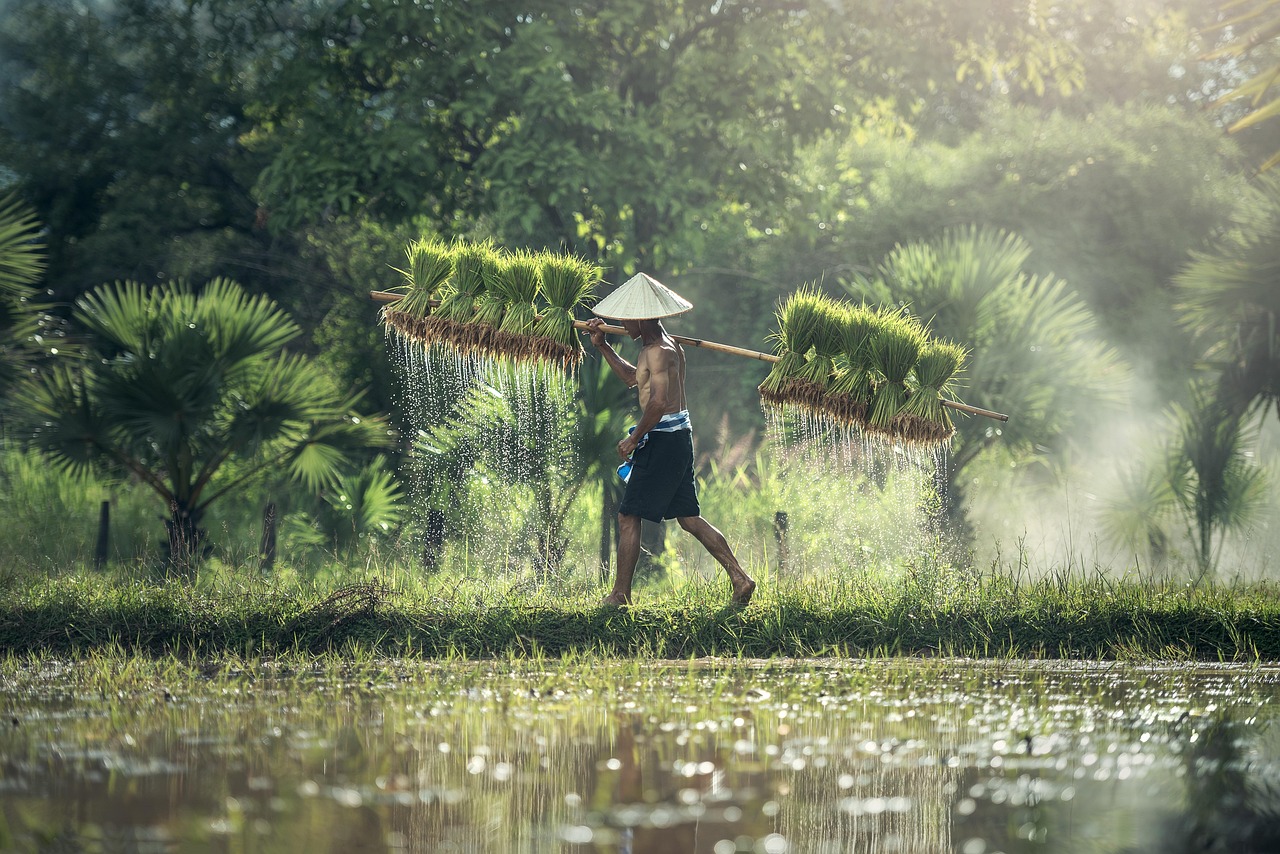
The backbone of this trek is the Subak. These are 1,200-year-old irrigation networks that distribute water through a complex system of canals and tunnels. Recognizing these as a UNESCO World Heritage site is one thing; balancing on a six-inch-wide concrete wall over a rushing canal while teetering next to a 30-foot drop into a rice terrace is quite another. It requires focus, a bit of grit, and a serious appreciation for ancient engineering.
Pro-Tip: Mind the Walls. The Subak paths are functional, not decorative. They can be incredibly narrow and slippery after a rain. Invest in shoes with aggressive lugs—your standard gym sneakers won't cut it when you're navigating mossy irrigation ridges.
Along the way, you’ll pass through villages where the sound of the gamelan replaces the roar of motorbikes. You’ll stay in local homestays, eating meals prepared with ingredients harvested just hours before.
For those looking for expert guidance through the most remote sections, I highly recommend checking out the local trail partners who live and breathe this terrain.
Explore the Great Bali Trail Partners →

What 'Regenerative' Looks Like in Practice
I get asked this all the time: "Marcus, isn't 'regenerative tourism' just a fancy word for eco-friendly?" Not quite. Sustainable travel aims to do no harm, but regenerative tourism aims to improve the place you visit.
On the Astungkara Way, this looks like dirt under your fingernails. Regenerative tourism in Bali differs from traditional travel by inviting visitors to participate in local ecosystems, such as planting rice seeds and supporting organic farming communities. Instead of staying in a resort that consumes massive amounts of water, you’re learning about how the Subak manages water as a communal resource.
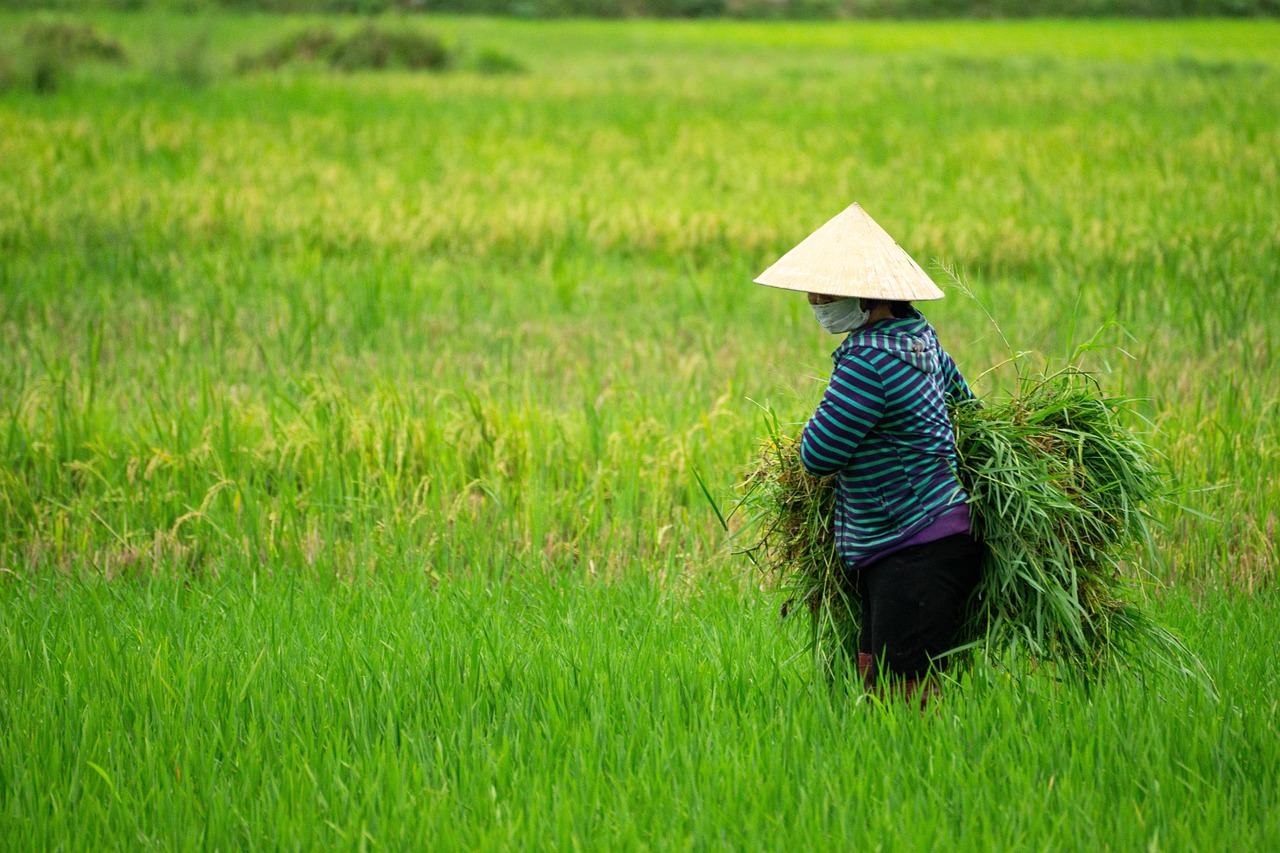
One afternoon, I found myself knee-deep in a muddy paddy at the Subak Uma Lambing. We weren't just watching a farmer; we were helping him prepare the soil for a new cycle of rice. Later that week, at the Jiwa Community Garden, we learned the art of hot composting—turning what others see as waste into the "black gold" that feeds the soil. It’s an eye-opening process that makes you rethink every piece of food scrap you’ve ever thrown away.
Key Regenerative Experiences on the Trail:
- The Rice Cycle: Hands-on participation in planting, harvesting, or processing heirloom rice.
- Composting Workshops: Learning the biological alchemy that turns organic matter into nutrient-rich soil.
- Tree Hugging: Visiting the "Ancient Tree" near Munduk, a giant that has stood for over 700 years.
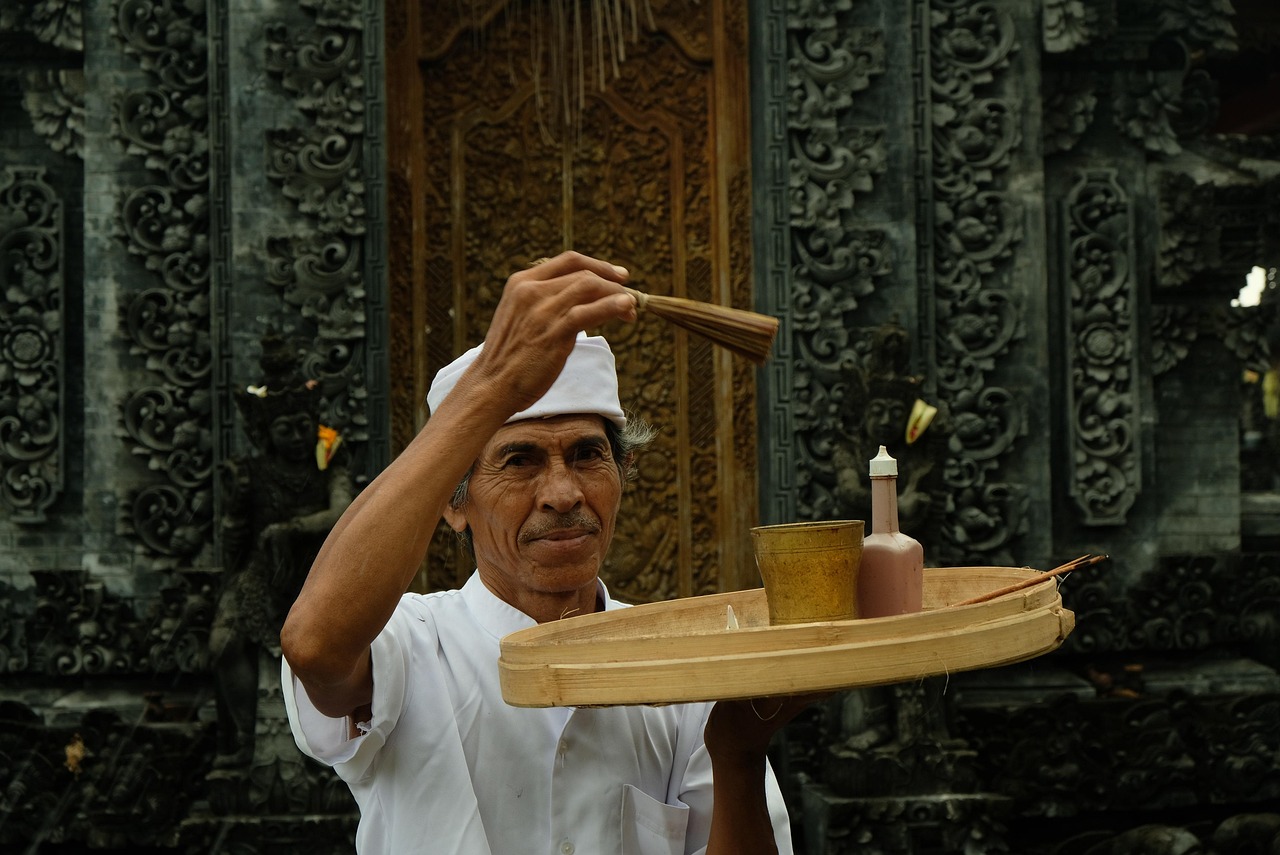
- Melukat: A traditional Balinese water purification ceremony at a sacred spring to cleanse the spirit before the final leg of the journey.
Essential Trekking Logistics
Don't let the "paradise" moniker fool you; this trek is a physical undertaking. You’ll be walking between 8 to 12 miles a day in high heat and humidity. Here is how to prepare for the trail.
Itinerary Options: 10 Days vs. 48 Hours
| Feature | The Full Pilgrimage | The "Taster" Trek |
|---|---|---|
| Duration | 10 Days / 9 Nights | 2 Days / 1 Night |
| Distance | 74 Miles (120km) | ~12 Miles (20km) |
| Route | South Coast to North Coast | Select sections (usually central Bali) |
| Focus | Deep immersion, farm stays | Introduction to regenerative concepts |
Best Time to Go
- Dry Season (April–October): The ideal window. Trails are firmer, and the views of the volcanoes are usually clear of clouds.
- Rainy Season (November–March): Only for the bold. Expect daily downpours, leech activity in the forest, and incredibly slick mud. However, the landscape is at its most vibrant green.
Packing List: The "Marcus-Approved" Essentials
- Footwear: Lightweight hiking boots or trail runners with excellent grip.
- Apparel: Breathable, moisture-wicking fabrics. Avoid cotton—it stays wet and causes chafing.
- Protection: A wide-brimmed hat, reef-safe sunscreen, and high-strength insect repellent.
- Gear: A 20-30L daypack with a rain cover and a high-quality dry bag for your electronics.
- Hydration: A 2-liter reservoir (like a Camelbak) plus a filtered water bottle (like a Grayl or LifeStraw) for emergencies.
For more information on the specific start dates and community-led workshops, visit the hub of the movement:
Check the Astungkara Learning Center →

Beyond the Trail: Extending the Journey
Once you hit the north coast and the saltwater of Tejakula washes the trail dust from your legs, you might not be ready to leave the rhythm of the island. Many trekkers choose to extend their stay by heading east.
From the finish line, it’s a relatively short journey to Lempuyang Temple for those iconic mountain views, or toward the highlands for a Mt. Batur sunrise hike. If you've still got the legs for it, the ascent of Batur provides a stunning perspective of the route you just traversed across the island.
By the end of the 10 days, your relationship with Bali will have fundamentally shifted. You’ll no longer see it as just a playground, but as a living, breathing landscape that requires our respect and our active participation to thrive.
FAQ
Q: Do I need to be an elite athlete to do the Astungkara Way? A: Not an elite athlete, but you need a decent base level of fitness. The challenge isn't just the distance; it's the heat, humidity, and uneven terrain. If you can walk for 5-6 hours on hilly terrain back home, you'll be fine here.
Q: Where do we sleep during the 10-day trek? A: Accommodation is a mix of simple village homestays and community centers. You’ll have a clean bed and a roof over your head, but don't expect luxury resorts. It’s all about authentic immersion.
Q: Is it safe to trek during the rainy season? A: It's safe if you are prepared, but be ready for delays. Trails can become "rivers" of mud, and the Subak walls can be very slippery. Most people find the dry season far more enjoyable.
Ready to see the Bali that the guidebooks missed? Stop being a tourist and start being a pilgrim. Join the movement to preserve Bali’s heritage one step at a time.