Quick Facts
- Difficulty Level: Non-technical but physically demanding; often called a "walk-up" mountain.
- Best Route for Families: Lemosho (8 days) is highly recommended for its superior acclimatization profile and success rates.
- Preparation Timeline: 3 to 6 months of consistent endurance training, including hiking with weighted packs.
- Long-Term Impact: 90% of teenagers who complete a high-altitude trek continue adventure travel into their 40s.
- Success Strategy: Following the "Pole Pole" (slowly, slowly) philosophy is essential for safety and summit success.
The Midnight Struggle: A Test of Wills
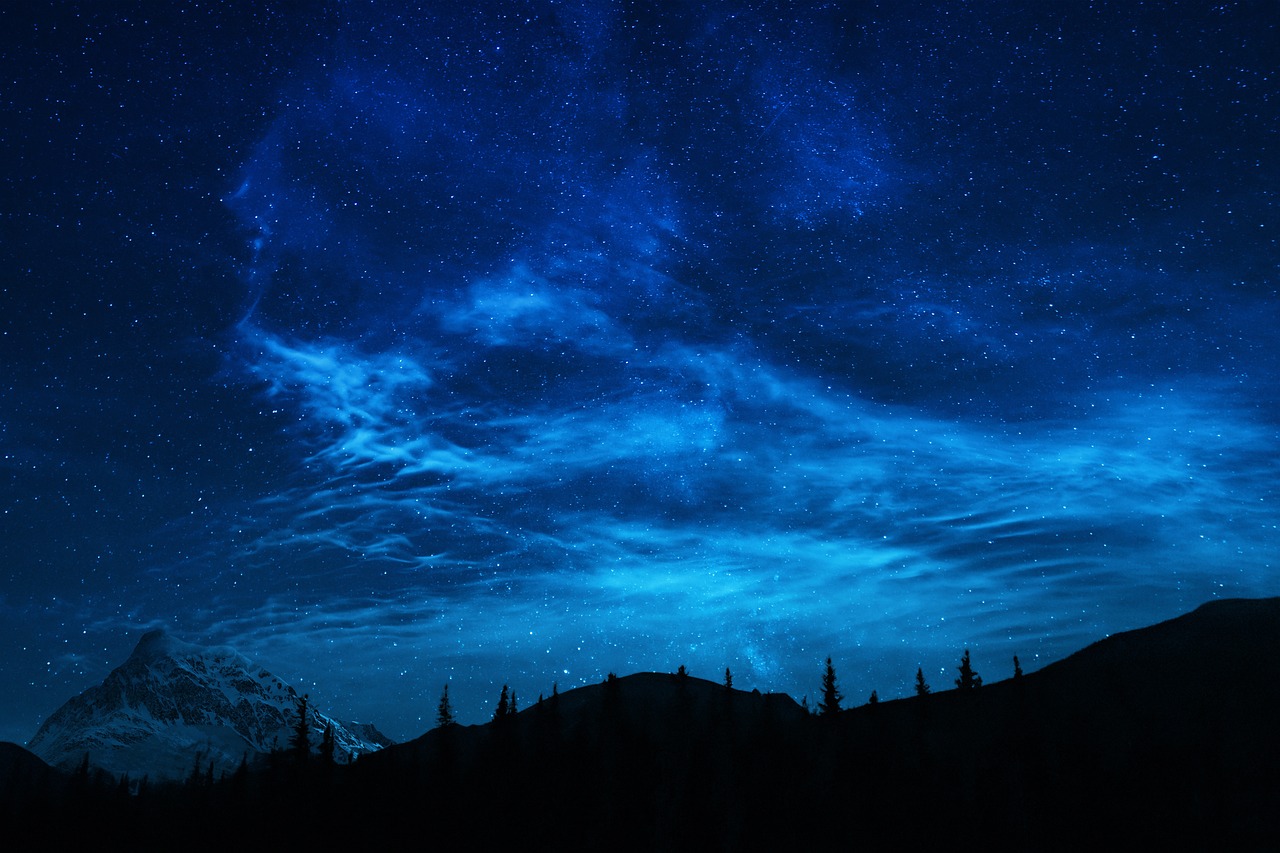
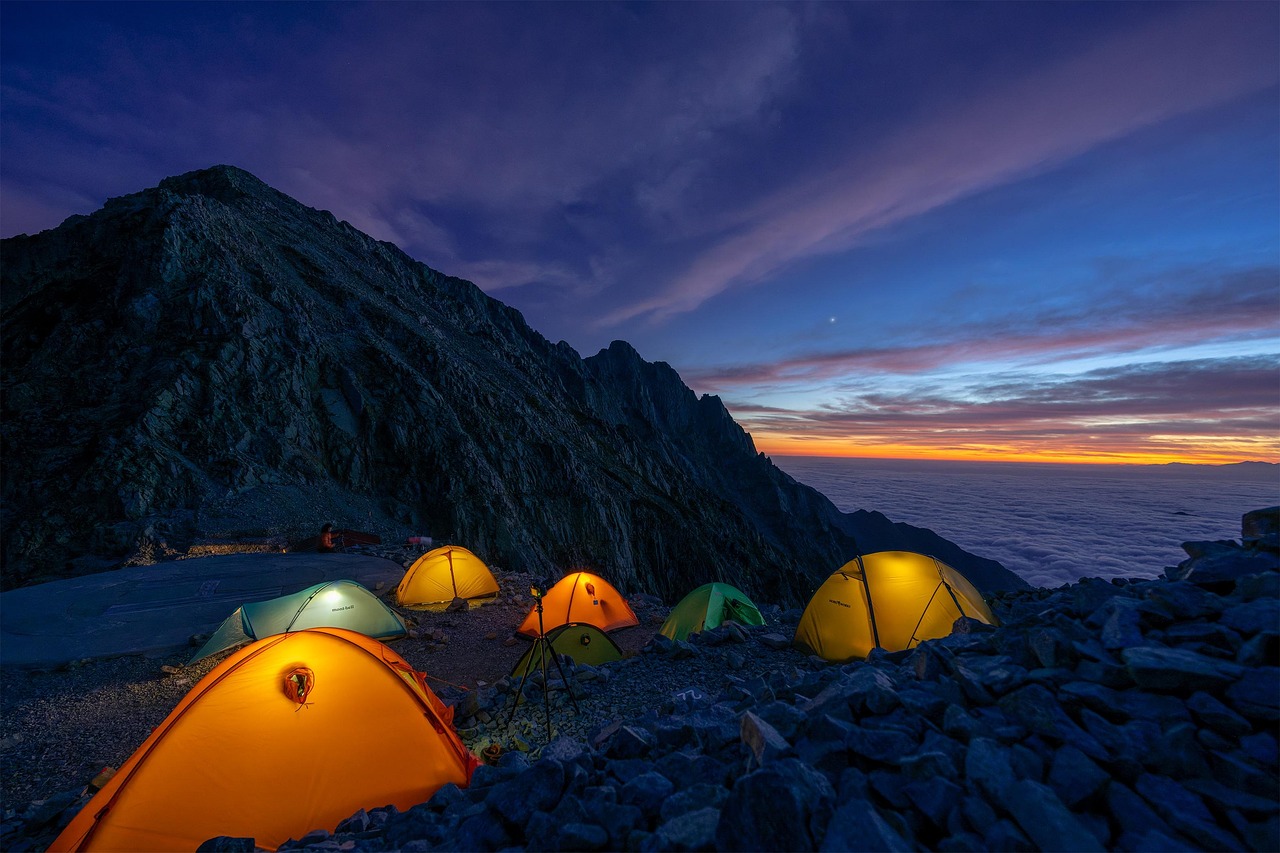
The air at 18,000 feet is thin, biting, and smells of ancient stone and ice. It was just after midnight when we stepped out of our tents at Barafu Camp. The beam of my headlamp caught the rhythmic puff of my daughter’s breath—tiny clouds of silver disappearing into the obsidian Tanzanian sky. Her shoulders, usually slumped over a smartphone back home, were squared against the wind. In that moment, the suburban comforts of weekend soccer games and grocery runs felt like a different lifetime.
Mount Kilimanjaro doesn’t require ropes or ice axes, but it demands something far more elusive: a quiet, stubborn resilience. As we began the final push toward Uhuru Peak, the "Roof of Africa," I realized this journey wasn't about the summit at all. It was about the grueling, freezing, and beautiful hours that led up to it. It was about seeing my child transform from a teenager into a mountaineer, and seeing myself not just as a provider, but as a partner in a struggle that would reshape our relationship forever.
Why Mount Kilimanjaro is the Ultimate Family Bonding Experience
When parents ask me for the "ultimate" adventure, I often point them toward Tanzania. Kilimanjaro is the most accessible of the Seven Summits, offering a non-technical yet profound physical challenge that fosters deep emotional connections. Unlike a beach vacation where everyone drifts toward their own screens or activities, the mountain forces a singular focus.
There is a unique magic in shared hardship. On the mountain, the hierarchy of "parent and child" begins to blur. You are both tired, you are both dusty, and you are both pushing against the same thinning oxygen. This shared struggle creates a level playing field that fosters a level of resilience and connection that is impossible to replicate at home.
Beyond the physical, there is the gift of a digital detox. In the shadow of the Shira Plateau, there is no 5G. The constant "ping" of notifications is replaced by the crunch of volcanic gravel. This silence allows for conversations that usually get buried under the noise of daily life. You learn about your child’s fears, their dreams for the future, and the music they actually like—all because there’s nowhere else to go but forward.
Preparing for the Climb: A Father-Daughter Team Effort
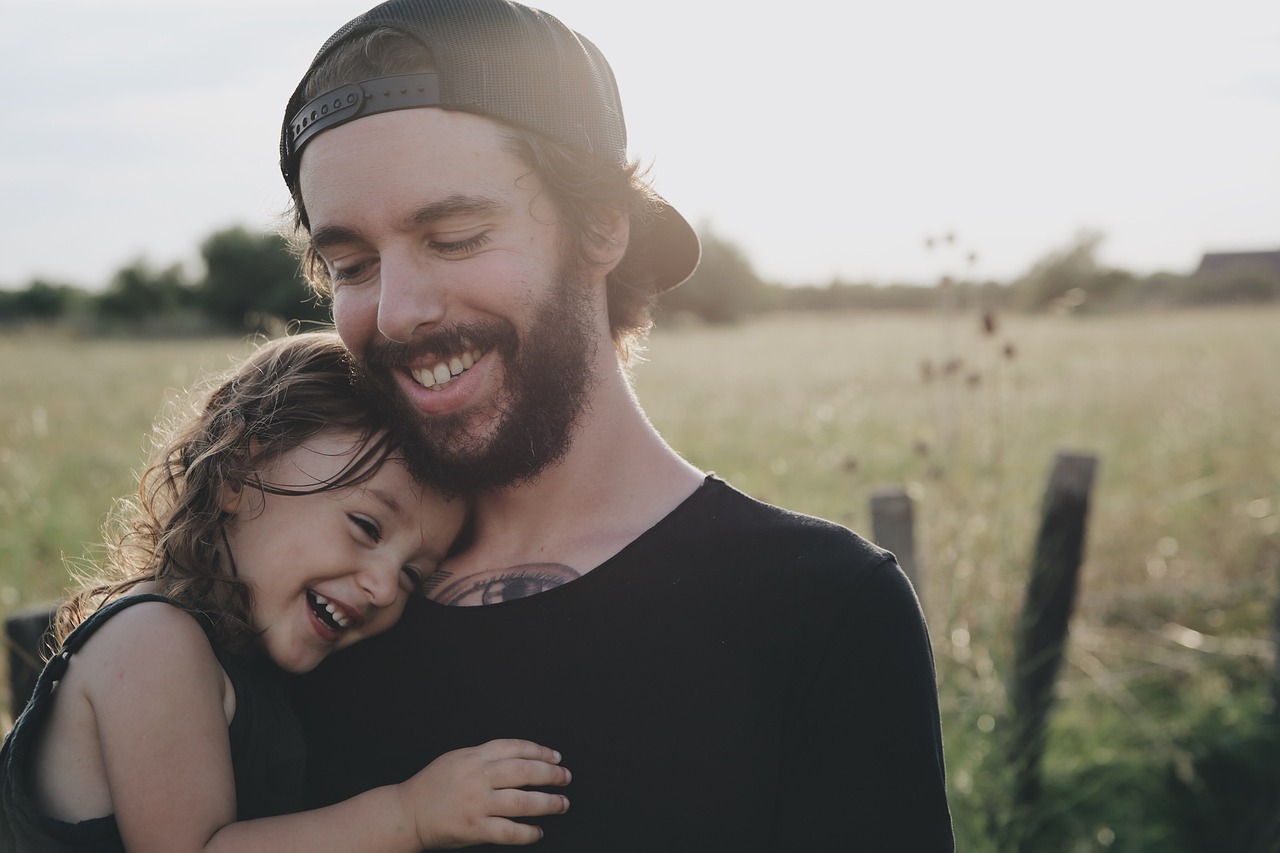
Preparation is where the bonding truly begins. For a teenager, the idea of climbing a 19,341-foot mountain can feel abstract until they feel the weight of a backpack on their shoulders.
Physical Conditioning
The best way for beginners and teenagers to prepare is through endurance training that mimics the mountain. We spent months walking miles through our local neighborhoods with weighted backpacks. It felt silly at first—climbing the local "hills" while neighbors walked their dogs—but it’s the most effective way to build the specific leg strength and cardiovascular endurance needed for 6-8 hours of daily trekking.
Sophia’s Tip: Don't focus on speed. Focus on "time on feet." Kilimanjaro is a marathon, not a sprint. Aim for 3-4 hour hikes on weekends to get used to the rhythm of walking while tired.
Mental Preparation
Mental toughness is just as important as physical fitness. I encouraged my daughter to read survival narratives and stories of previous Kilimanjaro climbers. We adopted a mantra from a fellow trekker on Reddit: "Pain is temporary, pride is forever." Understanding that discomfort is a natural part of the process—not a reason to stop—is the most valuable lesson a young traveler can learn.
Gear Essentials for Two Generations
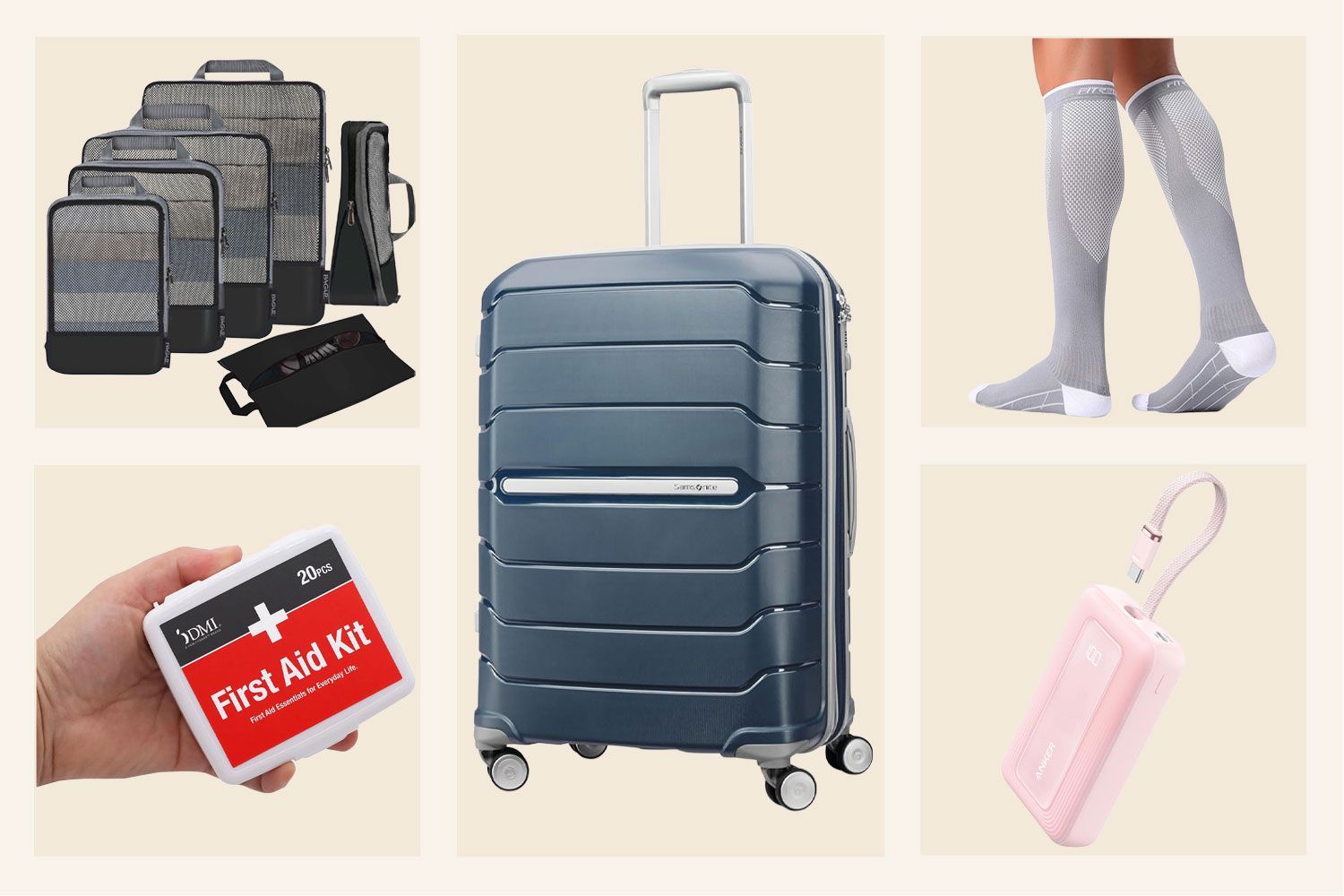
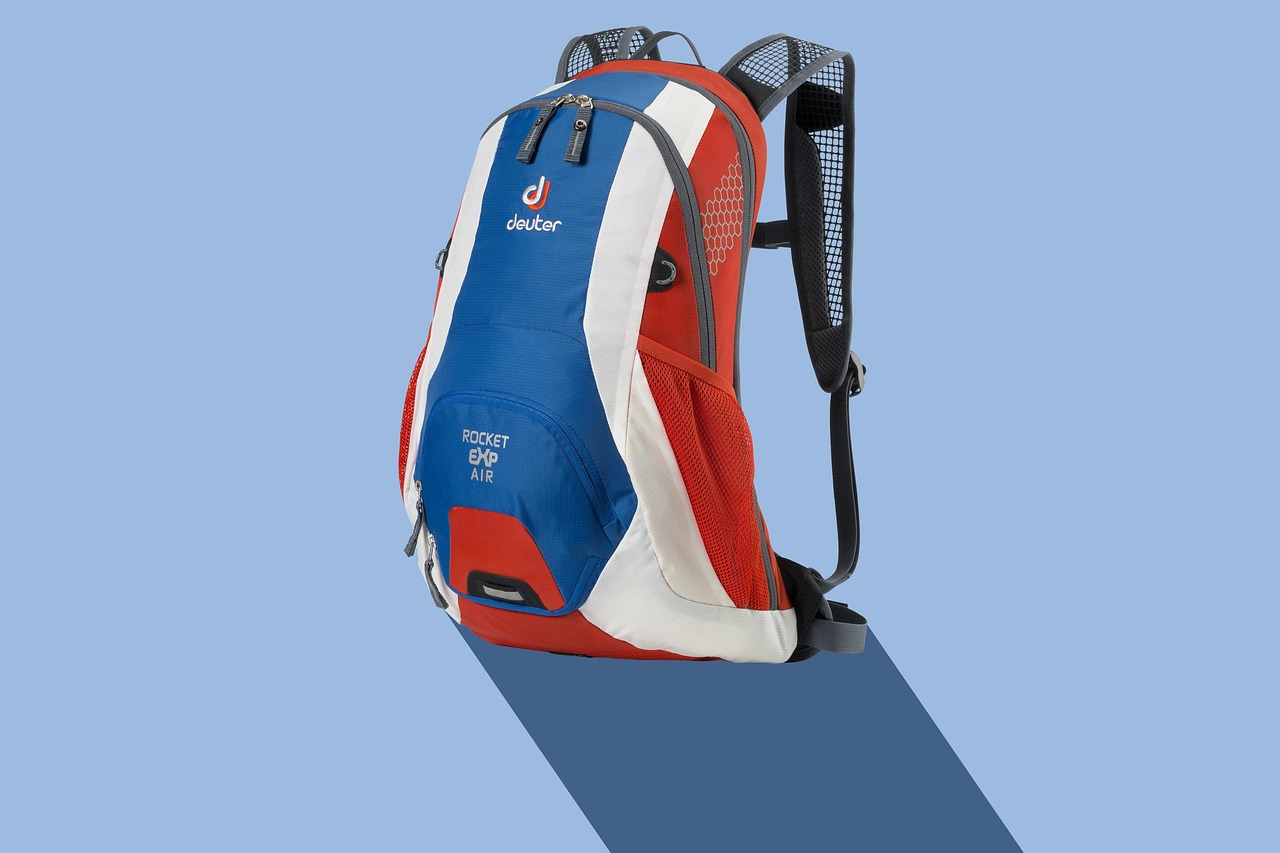
When you're packing for two, organization is key. Quality gear isn't just about safety; it’s about comfort. If a teenager is cold, they are miserable. If they are miserable, the bonding stops.
- Layering System: Moisture-wicking base layers, a heavy down jacket for the summit, and a reliable waterproof shell.
- Broken-in Boots: Never wear brand-new boots on the mountain. Spend at least 50 miles in them before you depart.
- Comfort Items: A deck of cards, a favorite snack (energy gels are great, but a Snickers bar is a morale booster), and a portable power bank for the occasional photo.
Choosing the Right Route for Success
Selecting the right path up the mountain is perhaps the most important decision a parent will make. While there are several routes, two stand out for family adventures: the Lemosho and the Machame.
| Feature | Lemosho Route (Recommended) | Machame Route |
|---|---|---|
| Duration | 7–8 Days | 6–7 Days |
| Success Rate | Very High (90%+) | High |
| Difficulty | Moderate | Strenuous |
| Scenery | Diverse (Rainforest to Arctic) | Dramatic, but steeper |
| Family Suitability | Excellent (Better acclimatization) | Good (Better for active teens) |
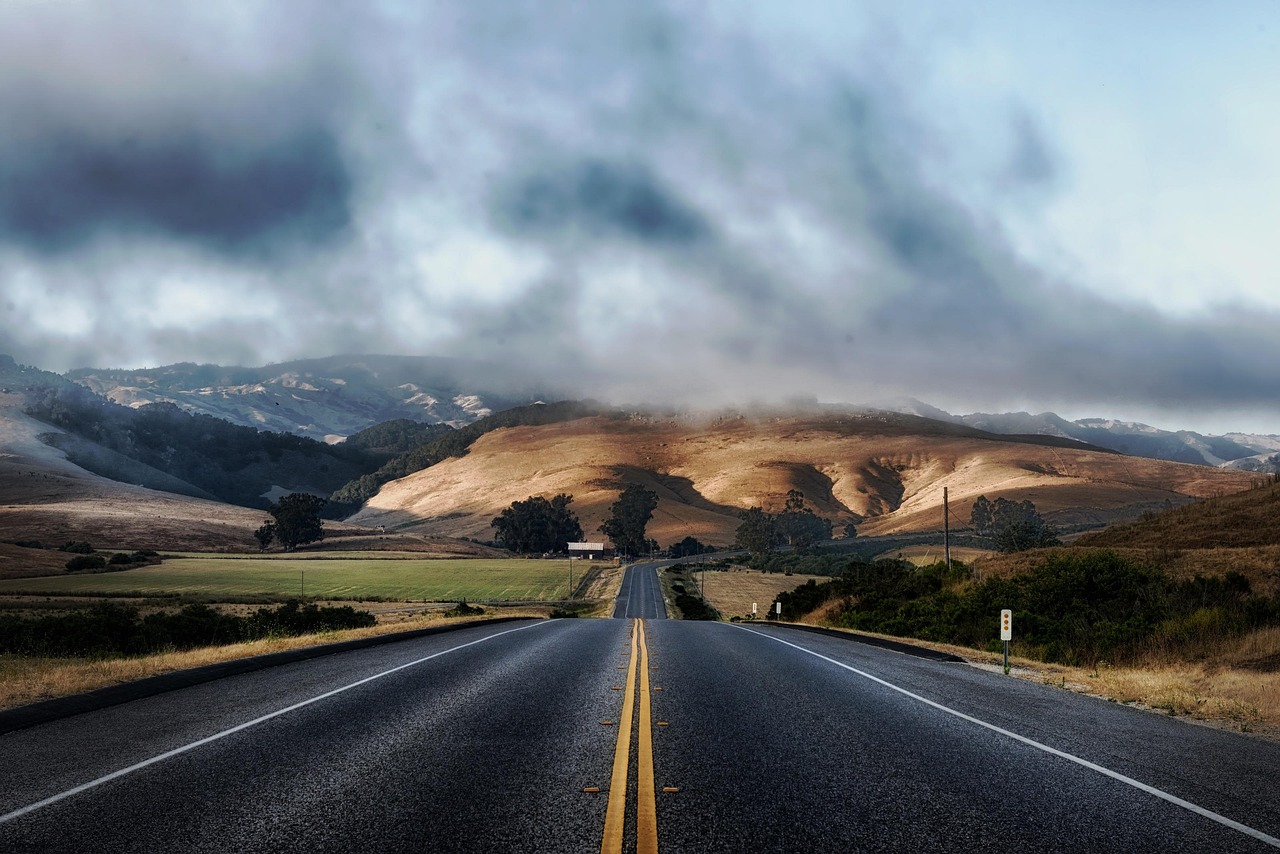
The Lemosho Route is my top pick for families. It begins on the western side of the mountain and offers an extra day or two for acclimatization. This is crucial because altitude sickness doesn't care how fit you are; it only cares how fast you go. The "Pole Pole" (slowly, slowly) philosophy is the law of the mountain. By moving slowly, you give your body—and your child’s body—the best chance to adjust to the thinning air.
Life on the Mountain: The Daily Routine
A typical day on Kilimanjaro starts with a "hot wash" (a basin of warm water brought to your tent) and a hearty breakfast. The trekking usually lasts until mid-afternoon, leaving plenty of time for camp life.
These afternoon hours are when the real memories are made. We spent our time trading stories with our guides and playing cards in the mess tent. Our support team—the porters and guides—were the heartbeat of the expedition. They didn't just carry our gear; they sang songs to keep our spirits high and doted on my daughter, making sure she always had enough ginger tea to settle her stomach.
The challenge, of course, is the altitude. There were days when the fatigue felt heavy, like walking through deep sand. Watching my daughter manage her own energy, listen to her body, and push through the "wall" of exhaustion was a masterclass in developing independence. As a parent, the hardest part is resisting the urge to "fix" their discomfort. Sometimes, the best support you can give is simply walking silently beside them.
The Summit and Beyond: The Long-Term Impact
Standing at Uhuru Peak as the sun began to rise over the curve of the Earth was an emotional crescendo I’ll never forget. There were tears, yes, but mostly there was a profound sense of quiet accomplishment. My daughter didn't just climb a mountain; she discovered a version of herself that was capable of doing hard things.
The statistics back up this anecdotal transformation. Research shows that multi-generational adventure travelers report a 40% increase in long-term family communication levels after completing a significant physical challenge like a Kilimanjaro summit. The shared vocabulary of the climb—the inside jokes about "Pole Pole" and the memory of that final, frozen sunrise—becomes a permanent bridge between parent and child.
Furthermore, data suggests that 90% of teenagers who participate in high-altitude treks before age 18 continue to pursue international adventure travel as a primary hobby well into their 40s. These trips serve as a catalyst for personal growth, helping children feel valued and capable in a world that often underestimates them.

FAQ: Planning Your Family Trek
What is the minimum age for climbing Kilimanjaro? The official minimum age set by the Kilimanjaro National Park is 10 years old. However, for a successful and enjoyable trip, most experts suggest waiting until a child is at least 12 to 14, when they have more physical stamina and mental maturity to handle the summit night.
How safe is the climb for beginners? With a reputable guide company, Kilimanjaro is very safe. Guides are trained to monitor oxygen saturation levels and pulse rates twice daily. The primary risk is Altitude Sickness (AMS), which is mitigated by choosing a longer route (like Lemosho) and drinking plenty of water.
What is the best time of year to go? The best windows are from January to March (colder but clearer) and June to October (busier but generally dry). Avoid the long rainy season in April and May.
Start Your Journey
If you've been waiting for the "right time" to take a truly transformative trip with your child, this is it. Kilimanjaro isn't just a destination; it's a rite of passage. It will challenge you, exhaust you, and eventually, it will change the way you look at your family and what you can achieve together.
Explore Family Kilimanjaro Packages →
Ready to take the first step? Download our comprehensive training guide for beginners to start your journey to the Roof of Africa.