Quick Facts
- A City in Transition: Boston is evolving beyond its colonial "Freedom Trail" identity, highlighting unheard narratives through new multicultural history tours and public art.
- The 2026 Milestone: The city will celebrate the U.S. Semiquincentennial (250th Anniversary) and host seven FIFA World Cup matches at Gillette Stadium, alongside the return of Sail Boston.
- A Global Table: The culinary scene is shifting toward Dorchester and Jamaica Plain, where BIPOC-owned restaurants are earning national acclaim for flavors of the Global South.
- Modern Stays: New luxury landmarks like Raffles Boston are blending international hospitality with historic Back Bay architecture.
The New Revolutionary Spirit
For generations, the narrative of Boston was etched in red brick and granite—a story of Paul Revere’s midnight ride and the solemnity of the Old North Church. But if you walk the streets today, you’ll find that the "Cradle of Liberty" is rocking to a different rhythm. The city is currently undergoing a profound metamorphosis, one that feels less like a quiet evolution and more like a second American Revolution. Under the leadership of Mayor Michelle Wu, Boston is intentionally de-centering the singular colonial myth to make room for a vibrant, polyphonic chorus of voices that have long been part of the city’s fabric, yet rarely occupied the spotlight.
As we approach 2026, a year that marks both the 250th anniversary of the American Revolution and Boston’s role as a host city for the FIFA World Cup, the city is racing to redefine itself. This isn't just about polishing old statues; it’s about a living, breathing multiculturalism that spans from the aromatic kitchens of Dorchester to the high-tech laboratories of Kendall Square. The revolutionary spirit hasn’t left Boston; it has simply moved into the future.
Reclaiming the Narrative: Multicultural History Tours
While the traditional Freedom Trail remains a rite of passage, the most compelling stories are now being told on the paths less traveled. Travelers seeking a more comprehensive understanding of the city should look toward the Afrimerican Academy’s Black-history tours in Roxbury. Here, the narrative shifts from the 18th-century tea ships to the mid-century civil rights landmarks and the vibrant contemporary life of the city’s Black community.
Similarly, the Boston Immigrant History Trail in Chinatown and the Boston Little Syria Project offer a sensory-rich deep dive into the waves of migration that shaped the city. Interactive placards and guided walks trace the legacy of Syrian and Lebanese merchants and Chinese laborers who built the foundations of modern Boston. For those asking what the best multicultural history tours in Boston are, these community-led initiatives offer an authenticity that polished museum exhibits often lack. They represent a city finally ready to listen to its own complex heritage.
From Redcoats to Robots: The Innovation Trail
If the 1700s were defined by political philosophy, the current era is defined by scientific audacity. The Innovation Trail is Boston’s answer to "nerd tourism," bridging the gap between the historic Downtown and the futurist skyline of Kendall Square. This four-mile trek isn't just about high-tech gadgets; it’s about the human stories behind the patents.
You might find yourself standing at the site of Lewis Latimer’s patent office—the Black inventor who played a crucial role in the lightbulb and telephone—before moving toward the Ether Dome at Massachusetts General Hospital, where the first public demonstration of inhaled ether as a surgical anesthetic took place. The trail culminates in the whimsical, gravity-defying architecture of the MIT Stata Center, designed by Frank Gehry.
Cultural shifts are also physical here. In nearby Cambridge, the Street Theory Collective has established a 6,000-square-foot hub dedicated to contemporary BIPOC art. It stands as one of the largest new cultural spaces in the Greater Boston area, proving that the city's innovation isn't just happening in lab coats, but in the hands of muralists and community organizers.

A Culinary Renaissance: BIPOC-Owned Gems
The old stereotypes of Boston as a city of only "chowdah and beans" are being dismantled one plate at a time. The city’s culinary center of gravity is shifting toward neighborhoods like Dorchester and Jamaica Plain, where a new generation of chefs is exploring the "Global South."
One cannot talk about this movement without mentioning Comfort Kitchen in Dorchester. Situated in a restored historic comfort station, the restaurant is a love letter to the flavors of the African Diaspora. Imagine tender hunks of suya beef, West African jerk roasted chicken, and spice-laden grains that tell a story of global trade and cultural resilience. Then there is Jadu, an Indian-accented wine bar that brings a sophisticated, neon-hued energy to the local dining scene, pairing adventurous natural wines with masala-spiced snacks.
Editor’s Tip: Don’t skip the cocktails at these new BIPOC-owned establishments. They often incorporate ingredients—hibiscus, tamarind, cardamom—that reflect the heritage of the chefs, offering a liquid history lesson in every glass.
The impact of these flavors hasn't gone unnoticed. The recent arrival of the MICHELIN Guide in Massachusetts (through its Green Star and Discovery programs) has finally begun to shine a light on the culinary depth found in Boston’s diverse enclaves, moving beyond the traditional white-tablecloth establishments of the Back Bay.
The Road to 2026: Global Milestones
The year 2026 will serve as the ultimate litmus test for Boston’s new identity. The city is preparing for a dual-pronged celebration that will bring the world to its doorstep. Under Mayor Wu's Commemoration Commission, the 250th anniversary of the American Revolution is being handled with a lens of radical inclusion, funding projects like the Boston Public Art Triennial to ensure the celebrations reflect all Bostonians.
Simultaneously, the city is gearing up for the FIFA World Cup 2026, where it is scheduled to host seven matches at Gillette Stadium. This will be one of the largest sporting events in the city’s history, necessitating a massive infrastructure and hospitality surge.
Major Events Scheduled for 2026
| Event | Date | Primary Location | Highlights |
|---|---|---|---|
| FIFA World Cup 2026 | June – July 2026 | Gillette Stadium | Hosting 7 matches including a quarterfinal. |
| Sail Boston 2026 | July 2026 | Boston Harbor | 25+ tall ships from around the world. |
| U.S. Semiquincentennial | All of 2026 | Citywide | "Revolutionary" public art and history trails. |
| Boston Public Art Triennial | Summer 2026 | Various Neighborhoods | Large-scale installations by global BIPOC artists. |
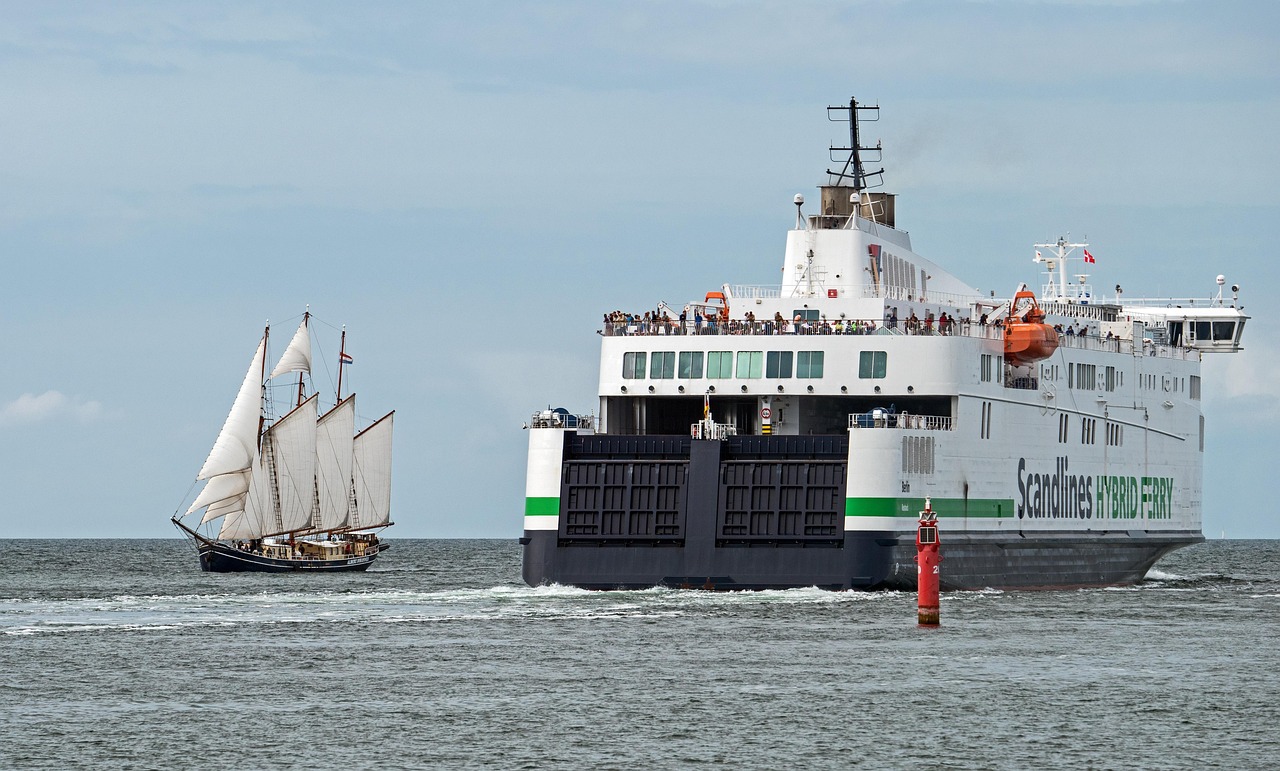
The return of Sail Boston will see the harbor filled with the masts of over 25 tall ships, a cinematic nod to the city’s maritime soul, while the nationwide Semiquincentennial celebrations will focus on the "unfinished business" of American democracy.
Where Modernity Meets History: Refined Stays
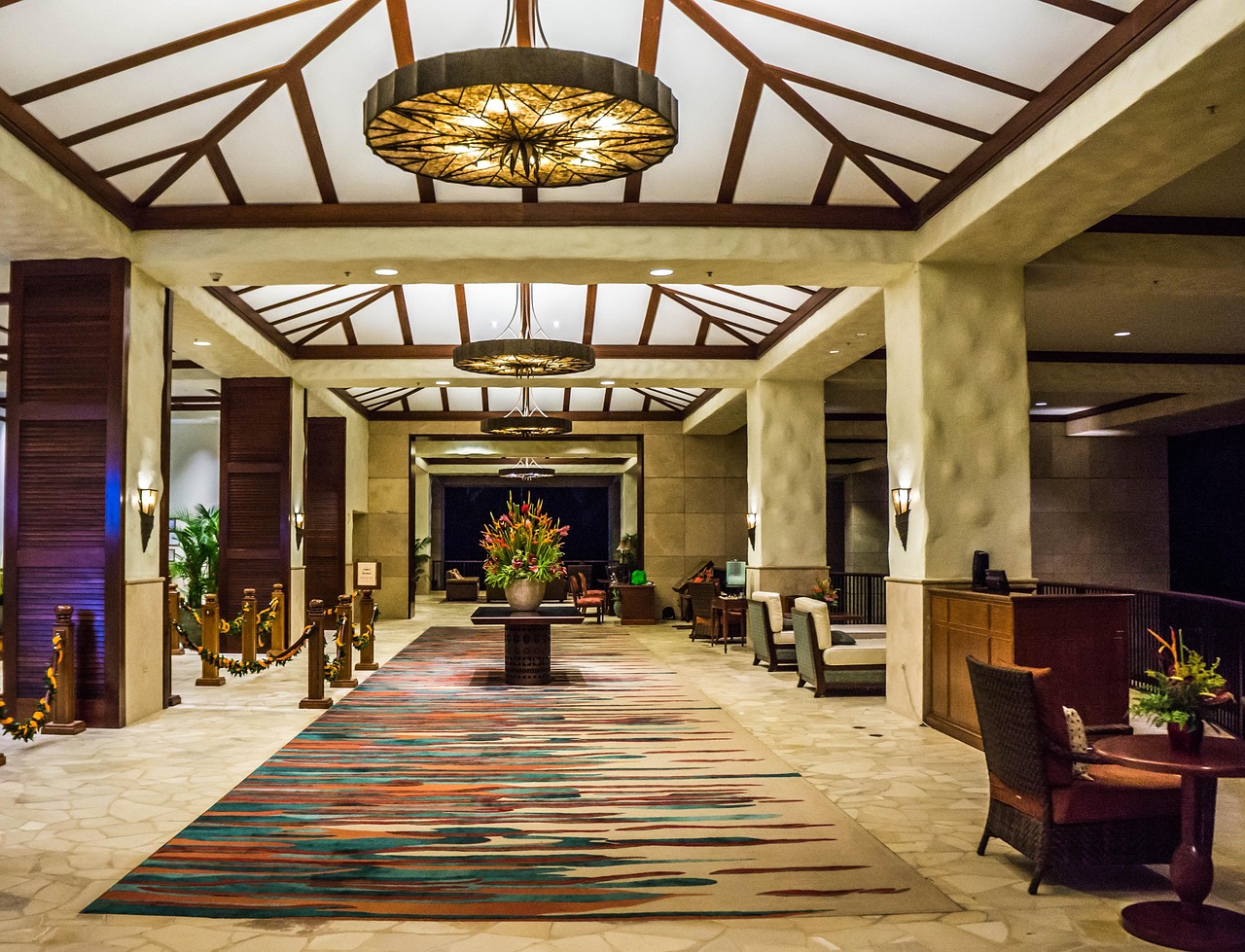
For the traveler, where you sleep should be an extension of the city’s narrative. The recent opening of Raffles Boston marks a significant moment: the first Raffles property in North America. Located in the Back Bay, it brings a level of Asian-inspired service and "sky-lobby" elegance that contrasts beautifully with the traditional brownstones below.
For a more classic New England experience reimagined, the Four Seasons Hotel Boston recently underwent a transformation by designer Ken Fulk. It now feels like a sophisticated private manor, with a lobby that acts as a "drawing room" for the city's intellectual elite. Meanwhile, XV Beacon remains the quintessential choice for those who want to feel the pulse of history on Beacon Hill, with its glossy red chesterfield booths and antique cage elevator.
Whether you are here for the football, the food, or the deep, complex layers of American history, Boston is no longer a city content to live in the past. It is a city writing its next chapter in real-time—vibrant, inclusive, and undeniably revolutionary.
FAQ
What are the best multicultural history tours in Boston? Travelers should prioritize the Afrimerican Academy’s tours in Roxbury for Black history, the Immigrant History Trail in Chinatown for a look at the Syrian and Chinese legacies, and the community-led walks through East Boston’s Latinx heritage sites.
How is Boston preparing for the 250th anniversary of the American Revolution? The city has established a Commemoration Commission focused on "Revolutionary Voices." This includes funding for neighborhood history trails, public art installations like the Triennial, and events that highlight the contributions of Indigenous, Black, and immigrant communities to the American story.
What major events are happening in Boston in 2026? 2026 will feature seven FIFA World Cup matches at Gillette Stadium, the Sail Boston tall ships festival in the harbor, and a year-long series of commemorative events for the U.S. Semiquincentennial (250th Anniversary).
Discover the New Boston
Ready to explore a city that bridges the gap between its storied past and a multicultural future? Start planning your journey now to catch the historic events of 2026.