Quick Facts
- Travel Time: Approximately 1 hour and 15 minutes drive (90km) northwest of Copenhagen.
- Michelin Recognition: Home to two Michelin-starred establishments: Restaurant Mota (1 star) and Dragsholm Slot Gourmet (1 star).
- Key Agricultural Heritage: The Lammefjord, a reclaimed seabed famous for its mineral-rich "Lammefjord carrots" and "Lammefjord potatoes."
- Best Season: May to September for the full "light of Odsherred" experience and local produce, though autumn offers a moody, atmospheric castle retreat.
From the Pantry of Copenhagen to a Culinary Frontier
To understand Odsherred, one must first look at the soil. It is a landscape defined by the violent withdrawal of the last Ice Age—a series of terminal moraines and rolling hills that give way to the flat, fertile expanse of the Lammefjord. For decades, this region was known quietly as "Copenhagen’s pantry." Its sandy soils and reclaimed seabed provided the capital’s kitchens with carrots so sweet they tasted of candy and potatoes with a waxy, buttery depth that defined Danish summer.
But in recent years, something shifted. The pantry doors swung open, and instead of just sending its bounty away, the chefs began to follow the ingredients back to the source. Odsherred has transformed from a mere supplier into a world-class food destination, attracting some of the most adventurous minds in the Nordic culinary scene. This isn't just about fine dining; it's about a visceral connection to the land. Here, the "terroir" isn't a marketing buzzword; it’s the salt in the air, the mineral tang of the Lammefjord soil, and the unique, ethereal light that has drawn painters to these shores for centuries.
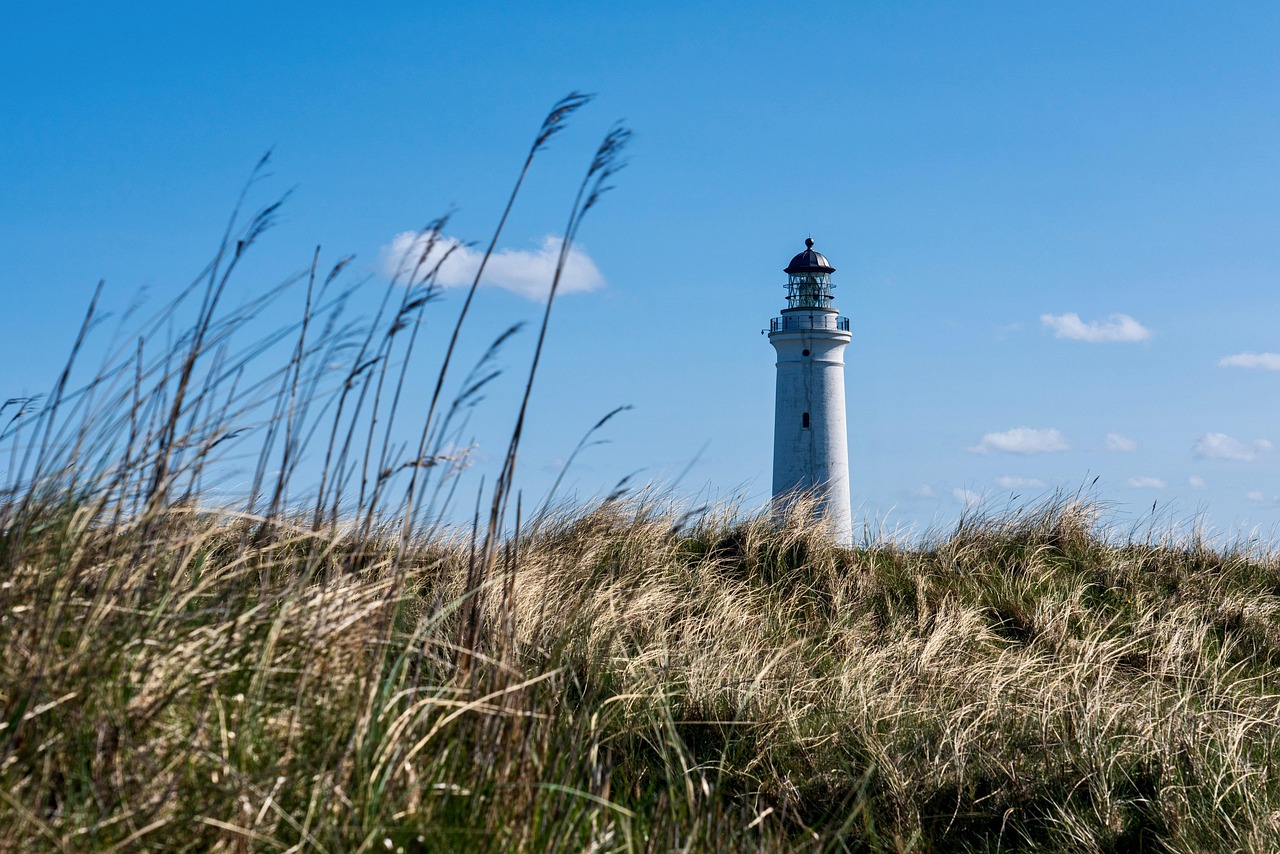
The transformation was catalyzed by a realization: Odsherred possesses a "self-confidence" that few other rural regions in Denmark can match. When you have some of the country’s most fertile land and a coastline brimming with seaweed and fresh seafood, why look toward Copenhagen for validation? Today, travelers journey here not just to escape the city, but to witness a culinary revolution that is hyperlocal, seasonal, and deeply rooted in the history of the land.
The Visionary of Anneberg: Restaurant Mota
If there is a single heart beating at the center of Odsherred’s modern food scene, it is Anneberg Kulturpark. Perched on a hill overlooking the Nykøbing Fjord, this complex was once a sprawling mental asylum. Today, its stately yellow buildings have been repurposed into a creative hub for artists, fermenters, and most notably, Restaurant Mota.
Chef Claus Henriksen, formerly the head chef at the legendary Dragsholm Slot and an alumnus of Noma, is the architect behind Mota. When he opened the restaurant in early 2022, the culinary world held its breath. The results were immediate and staggering: Mota earned its first Michelin star within just eight months of opening.
"I wanted to create a place that felt like home, but also like a laboratory for what this region can produce," Henriksen once remarked. "In Odsherred, the proximity to the ingredients isn't just close—it's immediate. We aren't just cooking with what's local; we are cooking with the identity of the fjord."

Dining at Mota is a sensory immersion. The menu is a love letter to the Nykøbing Fjord. You might find hake cured with sugar kelp, or a dessert infused with the piney scent of the surrounding forests. The wine list is equally thoughtful, often featuring local collaborations.
Mota at a Glance:
- The Vibe: Sophisticated yet minimalist, with high ceilings and a view that invites contemplation.
- Signature Dish: Look for anything featuring local seaweed or the seasonal catch from the fjord.
- The Ecosystem: Within the same park, visit Dansk Tang (Danish Seaweed) to learn about the "forests of the sea," or Contempehrary, which explores the possibilities of fermented local beans and grains.
Experience Mota’s Culinary Magic →
The Historic Anchor: Dragsholm Slot Gourmet
While Mota represents the new vanguard, Dragsholm Slot is the region's venerable soul. This 800-year-old white castle, a member of Relais & Châteaux, rises from the landscape like a ghost of Denmark’s feudal past. But inside its thick stone walls, the kitchen is doing anything but living in the past.
Dragsholm Slot Gourmet has long been the standard-bearer for New Nordic cuisine in West Zealand. The dining room, located in the castle’s historic cellars, provides a stark, beautiful backdrop for a 14-course tasting menu that is relentlessly seasonal. The connection between the castle and its surroundings is symbiotic; the castle sits on the edge of the Lammefjord, and its menus are dictated by the rhythm of the harvest.

To eat here is to taste the history of Danish land reclamation. In the late 19th century, a massive engineering project drained the Lammefjord, turning the seabed into some of the most mineral-dense farmland in Europe. The "Lammefjord gold"—the vegetables grown in this silt—forms the backbone of the Dragsholm experience.
Dining at the Castle:
- The Gourmet Experience: A Michelin-starred journey focusing on the "terroir" of the fjord.
- The Bistro: For those seeking a more relaxed but equally local meal, the castle's bistro offers classic Danish dishes with an elevated twist.
- The Legacy: Staying overnight in one of the castle's suites allows you to feel the weight of history before waking up to a breakfast that features house-made butter and bread from local grains.
The Terroir of the Reclaimed Seabed
It is impossible to talk about Odsherred without paying homage to the Lammefjord. If you drive through the region, you will see vast, flat fields where the horizon seems to stretch forever. This is the former seabed, and its soil is unlike any other. It is dark, heavy, and packed with the minerals of centuries of marine life.
The vegetables grown here have a distinct profile. The Lammefjord carrot, for instance, is protected under the EU's Geographical Indication (PGI) status, much like Champagne or Prosciutto di Parma. Because of the soil’s unique composition, these carrots have a higher sugar content and a crispness that lasts long into the winter.

When you dine in Odsherred, whether at a Michelin-starred restaurant or a roadside farm stand, you are tasting the Lammefjord. It is the reason the asparagus is so tender and the potatoes have a skin so thin they barely need peeling. Local farmers have embraced this identity, moving away from industrial agriculture toward organic and regenerative practices that honor the gift of the seabed.
Vines, Sands, and Salty Air: Casual Odsherred
While the fine dining scene is the headline, Odsherred’s charm lies in its variety. The region’s microclimate—particularly on the south-facing slopes—has made it a surprising hub for Danish viticulture.
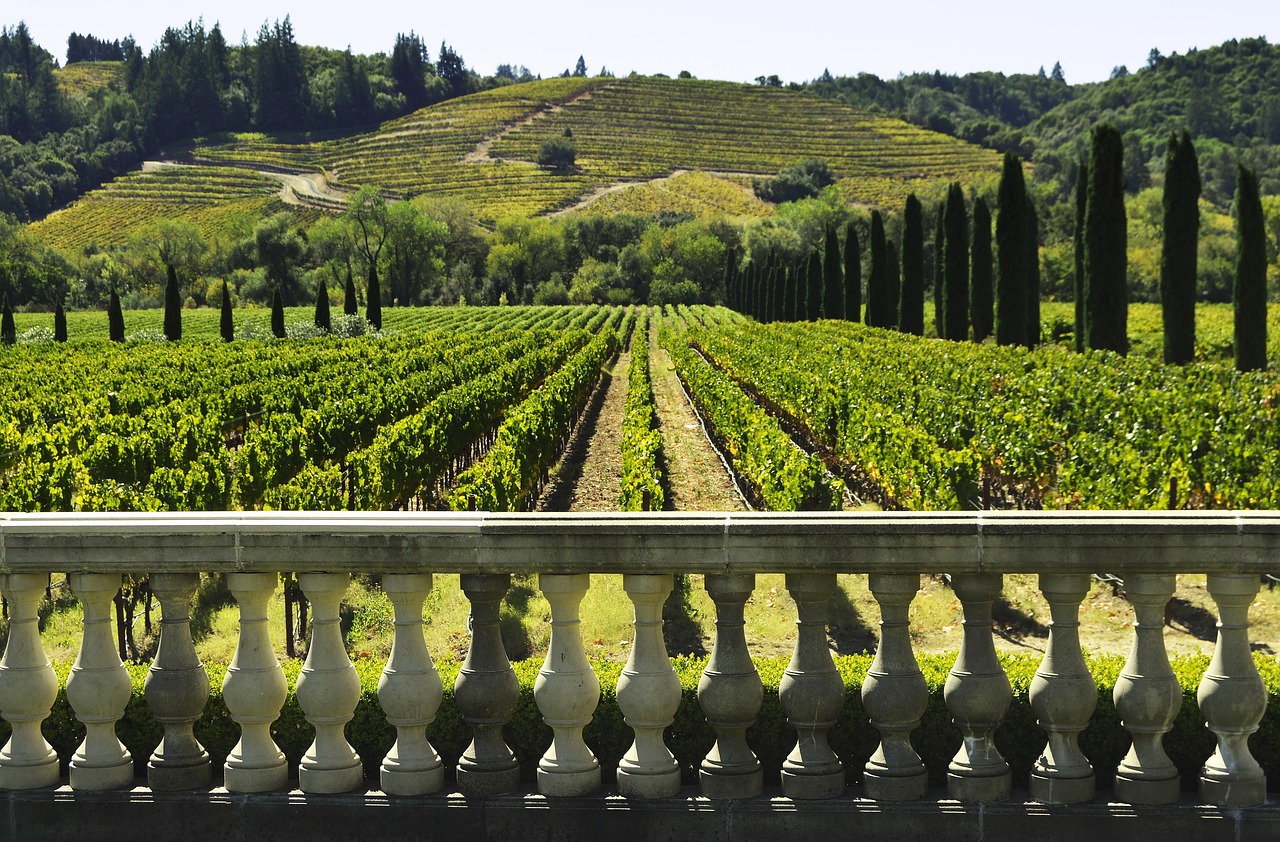
Ørnberg Vin is perhaps the most celebrated local vintner. Anders Ørnberg produces approximately 30,000 bottles of organic wine annually, focusing on the Solaris grape. His white and sparkling wines are clean, crisp, and high in acidity, perfectly mirroring the cool-climate character of the North. A visit to his vineyard feels like a discovery; standing among the vines, looking out toward the sea, you realize that Denmark’s wine story is only just beginning.
As you move toward the coast, the atmosphere shifts from the agrarian to the nautical. Lillero, located at Høve Strand, offers what can only be described as "barefoot luxury." It is a glamping destination where the team from the Michelin-starred Formel B in Copenhagen runs a beachside kitchen.
At Lillero, the menu is dictated by the sea and the fire. You dine in a tent or on the sand, with the sound of the waves as your soundtrack. It is high-end dining stripped of its pretension, celebrating the simple joy of a perfectly grilled langoustine or a glass of chilled wine as the sun dips below the horizon. This is where the famous "Odsherred light"—the same light that captivated the painters of the 19th century—is at its most magical.

For a more casual finish to your trip, head to the harbor towns of Rørvig or Odden.
- Rørvig Fisk: A classic harbor smokehouse where you can enjoy fresh shrimp, smoked mackerel, and the traditional Danish "Stjerneskud" (Shooting Star) open-faced sandwich.
- Havnebyens Kaffebar: A charming spot in Odden for a high-quality espresso and a slice of homemade cake after a walk along the rugged coastline of Sjællands Odde.
Planning Your Journey
Getting There
Odsherred is easily accessible from Copenhagen. The drive takes about 75 minutes via the Route 21 highway. Alternatively, you can take a regional train from Copenhagen Central Station to Holbæk, and then transfer to the local Odsherred line (Odsherredsbanen), which stops at Nykøbing Sjælland and Højby. However, to truly explore the scattered vineyards and farm shops, a car is highly recommended.
Where to Stay
- Dragsholm Slot: For the ultimate historic and gastronomic stay. Every room has a unique character, blending castle charm with modern Danish design.
- The Gæstehuset at Anneberg: Located right next to Restaurant Mota, these minimalist, comfortable rooms are perfect for those wanting to immerse themselves in the Kulturpark's creative energy.
- Lillero: For those who want to sleep under the stars in luxury safari tents with the ocean at their doorstep.
Best Time to Visit
The "Golden Season" is undoubtedly June through August, when the farm stands are overflowing with berries and the Lammefjord harvest is in full swing. However, visiting in the "shoulder" months of May or September offers a quieter experience and a better chance of securing reservations at Mota or Dragsholm.
Plan Your Odsherred Itinerary →
FAQ: Odsherred Food Guide
What are the Michelin star restaurants in Odsherred? Currently, Odsherred boasts two Michelin-starred restaurants: Restaurant Mota in Nykøbing Sjælland (1 star) and Dragsholm Slot Gourmet in Hørve (1 star). Both emphasize local ingredients and the unique terroir of the region.
How far is Odsherred from Copenhagen? It is roughly 90 kilometers from Copenhagen, taking about 1 hour and 15 minutes by car. It is one of the most popular weekend getaways for Copenhageners seeking nature and high-quality food.
What is the Lammefjord famous for? The Lammefjord is a reclaimed seabed that provides some of Denmark's most fertile agricultural land. It is world-renowned for its root vegetables, particularly the Lammefjord carrot and Lammefjord potato, which benefit from the mineral-rich silt and sand.
Is Odsherred suitable for families? Absolutely. Beyond the fine dining, there are numerous family-friendly activities, including crab fishing in Rørvig Harbor, visiting the local "Summer Land Sjælland" amusement park, and exploring the many safe, white-sand beaches like Gudmindrup Strand.
Conclusion
Odsherred is no longer just a weekend retreat for the city-weary; it is a destination with its own gravity. The region has found a way to honor its past—its Ice Age ridges, its ancient castle, and its reclaimed seabed—while allowing a new generation of chefs and vintners to redefine what "Danish food" means.
There is a quiet, confident energy here. It’s in the way Claus Henriksen talks about the fjord, the way Anders Ørnberg tends his vines, and the way the light hits the white walls of Dragsholm Slot at dusk. It is a place that demands you slow down, breathe in the salt air, and taste the soil. Just be sure to book your tables well in advance; the secret of Odsherred is well and truly out.