Quick Facts
- Top Rejection Cause: Selfies and AI-enhanced photos now lead the list of reasons why the U.S. State Department rejects applications.
- The Dress Code: Dark, solid colors (navy, charcoal, forest green) are required to provide contrast against the mandatory white background.
- The "No Glasses" Rule: Since 2016, glasses are strictly prohibited unless accompanied by a signed doctor’s statement for medical necessity.
- Biometric Integrity: Your photo will be scrutinized at an average of six checkpoints per international trip under ICAO standards followed by 191 countries.
Introduction: The Most Scrutinized Photo You’ll Ever Own
A passport photo is arguably the most scrutinized piece of media you will ever own. While we live in an era of ephemeral Instagram stories and filtered profile pictures, your passport photo is a high-stakes, 10-year commitment that serves as your primary biometric key. Approximately 22 million passport applications are processed annually in the United States alone, and the margin for error has never been thinner. With the implementation of stricter International Civil Aviation Organization (ICAO) biometric standards—now followed by 191 countries—the "administrative purgatory" of a rejected application is a reality for thousands of travelers every month.
The stakes are not merely aesthetic; they are logistical. Statistics indicate that a single passport photo is scrutinized at an average of six checkpoints per international trip, from airline check-in counters to automated border gates. For 2025, the scrutiny has intensified. The rise of AI-enhanced "beautification" tools and the persistence of "selfie culture" have forced government agencies to crack down on non-compliant images. To ensure your travels aren’t derailed before they begin, you must treat your photo session with the same precision as a legal deposition.
Decoding the 2025 Dress Code
One of the most frequent mistakes travelers make occurs before they even arrive at the studio: choosing the wrong attire. The primary goal of a passport photo is to create a clear, high-contrast distinction between the subject and the background. Because the U.S. and most international authorities mandate a plain white or off-white background, your choice of color is critical.
To avoid the dreaded "floating head" effect—where your torso blends into the background, leaving only your face visible to the scanner—you must wear dark, solid colors. The best colors to wear for a passport photo are navy blue, charcoal gray, forest green, or burgundy. These shades provide the necessary contrast to ensure your silhouette is clearly defined for biometric software. Conversely, you should strictly avoid white, cream, or light pastels. Busy patterns, such as polka dots or loud florals, can also distract the facial recognition algorithms and should be avoided in favor of minimalist, professional attire.
Beyond color, the style of clothing is subject to rigorous rules. Uniforms, or anything resembling a uniform (including camouflage or "tactical" fashion), are strictly forbidden. When it comes to necklines, a crew neck or a modest V-neck is ideal. Be cautious with strapless tops or wide boat necks; in the tight crop of a 2x2 inch photo, these can create the illusion that you are unclothed, which is an automatic ground for rejection.
Glasses, Jewelry, and Headcoverings
The "No-Glasses Rule" is perhaps the most strictly enforced regulation in the modern passport era. Unless you have a signed statement from a medical professional explaining that glasses cannot be removed for urgent medical reasons (such as recent eye surgery), you must take them off. Even if you wear prescription glasses every waking hour of your life, the risk of glare on the lenses or the frames obscuring the eye is deemed too high for biometric accuracy.
Jewelry and headcoverings follow a similar logic of visibility and "neutrality."
- Jewelry: Most jewelry is allowed if it is subtle. Small studs or thin necklaces are generally fine. However, large, "statement" jewelry that reflects light or obscures the ears or jawline should be left at home.
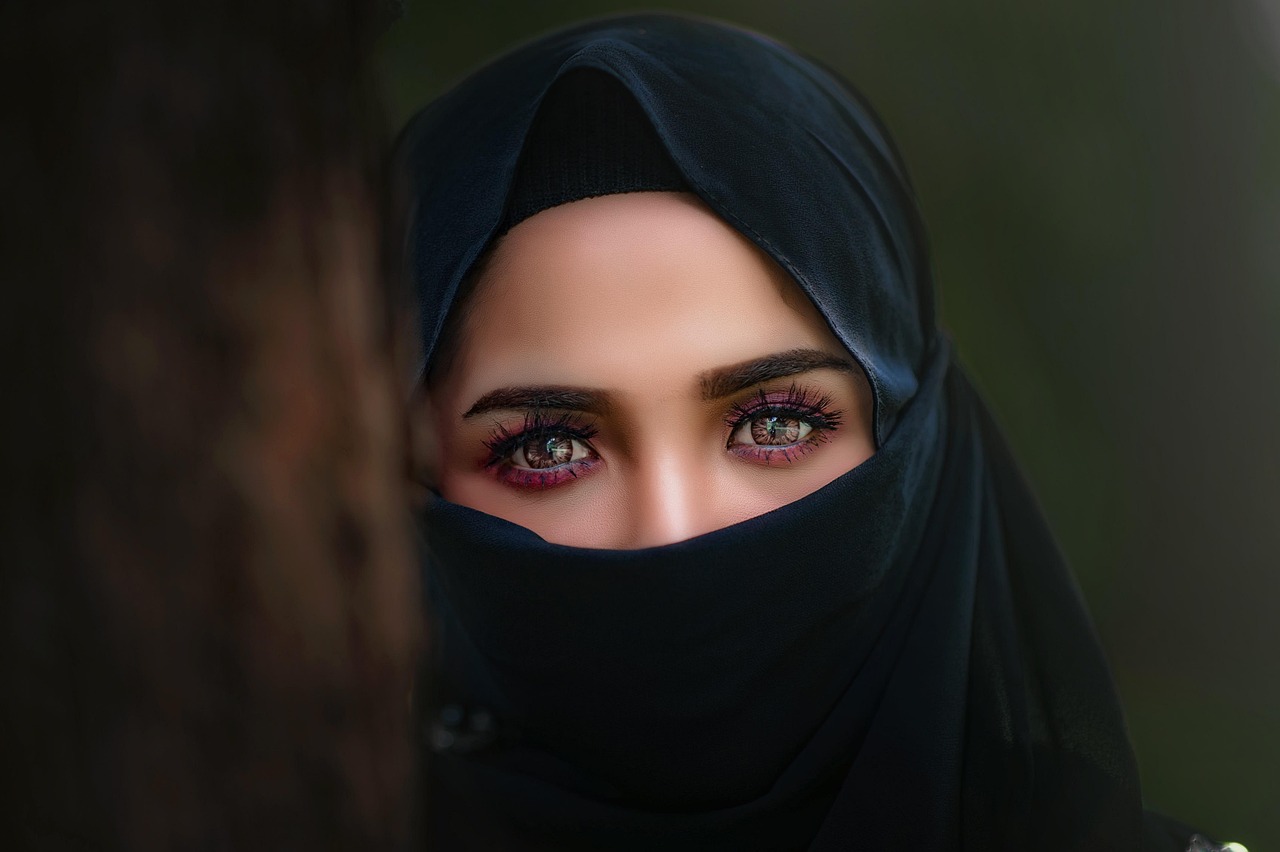
- Headcoverings: These are only permitted for religious or medical purposes. If you wear a hijab, turban, or other religious headwear, you must provide a signed statement verifying its daily use. Even then, the headcovering must not cast shadows on your face, and your full face—from the bottom of your chin to the top of your forehead—must be visible.
- Prohibited Tech: AirPods, wireless headsets, and even traditional "wired" headphones are strictly prohibited. These devices interfere with the "oval of the face" measurement required by border security software.
Facial Expression and Grooming: Beyond the 'Mona Lisa'
While you might want to look your best, a passport photo is not a glamor shot. The "Passport Makeup" trend currently circulating on social media can be dangerous if it involves heavy contouring. Biometric scanners look for the actual structure of your face—the distance between your eyes, the width of your nose, and the shape of your jawline. Excessive makeup that "re-shapes" these features can lead to issues at automated kiosks.
The Expression: The standard requirement is a "neutral facial expression," though a "natural, closed-mouth smile" is now generally accepted in the U.S. provided your eyes are open and clearly visible. Avoid the "Mona Lisa" smirk or anything that creates "squinting" of the eyes.
Hair and Grooming: Your hair should not obscure any part of your face. If you have long bangs, sweep them to the side. If you have high-volume hair, ensure it does not "spill" out of the frame, as the head height must occupy a specific percentage of the total image. For those with oily skin, use a blotting sheet before the photo; a "shiny" forehead or nose can create a hot spot of light that mimics a "white patch," potentially triggering a rejection.
Mastering the DIY Passport Photo at Home
With the rise of high-quality smartphone cameras, many travelers attempt to take their own photos. However, you must follow a very specific protocol to avoid rejection. First and foremost: Are selfies allowed for passport photos? No, selfies are strictly prohibited. The wide-angle lens of a front-facing camera distorts facial features (the "big nose" effect), and the visible extension of your arm in the frame is an automatic fail.
To successfully take a passport photo at home, you must recreate a studio environment:
- The Setup: Stand approximately 3 to 4 feet away from a white, untextured wall. Ensure the wall is "taut" and free of wrinkles if you are using a sheet as a backdrop.
- Lighting: Use natural, indirect light. Standing facing a window is best, as it provides even illumination across the face and eliminates harsh shadows behind the ears.
- The Gear: Use a tripod and a timer, or better yet, have a second person take the photo using the back-facing "telephoto" lens of a smartphone from at least 6 feet away. This minimizes facial distortion.

Digital Uploads and Technical Specs
For those renewing online, the technical specifications are just as important as your physical appearance. A photo that looks perfect to the human eye can be rejected by a server if the metadata or compression is incorrect.
| Criteria | Requirement |
|---|---|
| Dimensions | 2 x 2 inches (51 x 51 mm) |
| Head Height | 1 to 1 3/8 inches (25 to 35 mm) from chin to top of hair |
| File Format | .jpg, .jpeg, or .heif |
| File Size | Minimum 54 KB; Maximum 10 MB |
| Resolution | Minimum 600 x 600 pixels |
Pro Tip: Never use AI enhancement tools to "clear up" a photo. These tools often alter the pixel structure of the skin and eyes, which biometric systems flag as "manipulated media," leading to immediate rejection and potential delays in your application.

Where to Get Professional Photos
If the DIY route feels too risky, several retail options provide "guaranteed" passport photos. Pharmacy chains like CVS and Walgreens are the most convenient, typically charging between $15 and $17 for a set of two prints. Large retailers like Walmart and shipping centers like FedEx or UPS also offer these services, often at a slightly lower price point around $12 to $15.
For travelers with complex needs—such as "squirmy" infants or those requiring specific religious headwear adjustments—I recommend seeking out an independent professional photography studio. While the cost may be higher ($25–$40), their expertise in lighting and composition ensures a "one-and-done" success rate that retail clerks can't always match.
When Do You Need a New Photo?
A common misconception is that you only need a new photo when your passport expires. While a passport is valid for 10 years, significant changes in your appearance may necessitate an early renewal. According to official guidelines, you must update your photo if you have:
- Undergone significant facial surgery or experienced trauma.
- Added or removed large facial tattoos or piercings.
- Experienced a significant amount of weight loss or gain (typically cited as 50 lbs or more).
- Undergone a gender transition.
If your appearance has changed through normal aging or by simply growing a beard, a new photo is generally not required.

FAQ
Q: Can I wear a headband or a hair tie in the photo? A: Subtle hair ties are acceptable if they are used to keep hair away from the face, but large, decorative headbands are considered "hair accessories" and are generally prohibited if they obscure the hairline.
Q: Is "red-eye" in a photo okay if everything else is perfect? A: No. Any technical flaw, including red-eye, shadows on the face, or a blurred image, will result in an automatic rejection. Do not attempt to "Photoshop" the red-eye out yourself.
Q: What should I do if my photo is rejected after I’ve submitted my application? A: You will receive a formal letter or email from the State Department explaining the reason. You will be required to submit a new, compliant photo, which can delay your application by several weeks.
Ready to Secure Your Next 10 Years of Travel?
Don't let a "floating head" or a pair of glasses stand between you and your next destination. Precision is the key to a seamless application process. If you’re ready to start your application or need to find an official acceptance facility near you, visit the official government portal below.