Quick Facts
- The Best Value: A traditional abra (wooden boat) crossing on Dubai Creek costs just 1 AED (approximately $0.27), making it the city's most affordable and scenic heritage experience.
- The Ultimate Contrast: For a total change of scenery, Hatta offers a 100% terrain contrast from the coast with its rugged mountains and is located just a 90-minute drive from downtown Dubai.
- Culinary Capital: While the city is famous for fine dining, the heart of authentic Emirati and regional flavors lies in Bur Dubai, where centuries-old trade routes influenced the local palate.
- A Local Guide: Chef Sahar Parham Al Awadhi, the former lead pastry chef at the Burj Al Arab, is the visionary behind this guide, bridging the gap between historical heritage and modern culinary innovation.
Introduction: Beyond the Bling and Skyscrapers
When people say Dubai has no soul, I say they just haven’t been to the right places. To the uninitiated, the city is a forest of steel and glass, a playground of superlatives where the "biggest" and "tallest" are the only metrics of success. But for those who grew up here, the soul of Dubai isn't found in a shopping mall; it’s found in the scent of saffron-infused tea on a humid evening, the rhythmic creak of a wooden boat, and the cool shadows cast by a coral-stone wind tower.
Chef Sahar Parham Al Awadhi knows this duality better than anyone. As a pioneer of "New Emirati Cuisine," she spent years crafting world-class desserts at the iconic Burj Al Arab before turning her focus to the city’s roots. To her, the city is best understood through the concept of the "Abra"—the traditional boat that ferries people between the old and the new. Her upcoming restaurant, aptly named Abra (set to open in 2026), aims to serve as a bridge between these two worlds.
To see both old and new Dubai, you must be willing to travel between timelines. You can start your day in the narrow alleys of Bur Dubai, experiencing the traditional souks and 1-dirham abra rides across the Creek, and end it under the neon glow of the modern skyline or within the industrial-chic creative hubs of Al Quoz and Jumeirah.
Morning: The Cultural Heart of Bur Dubai
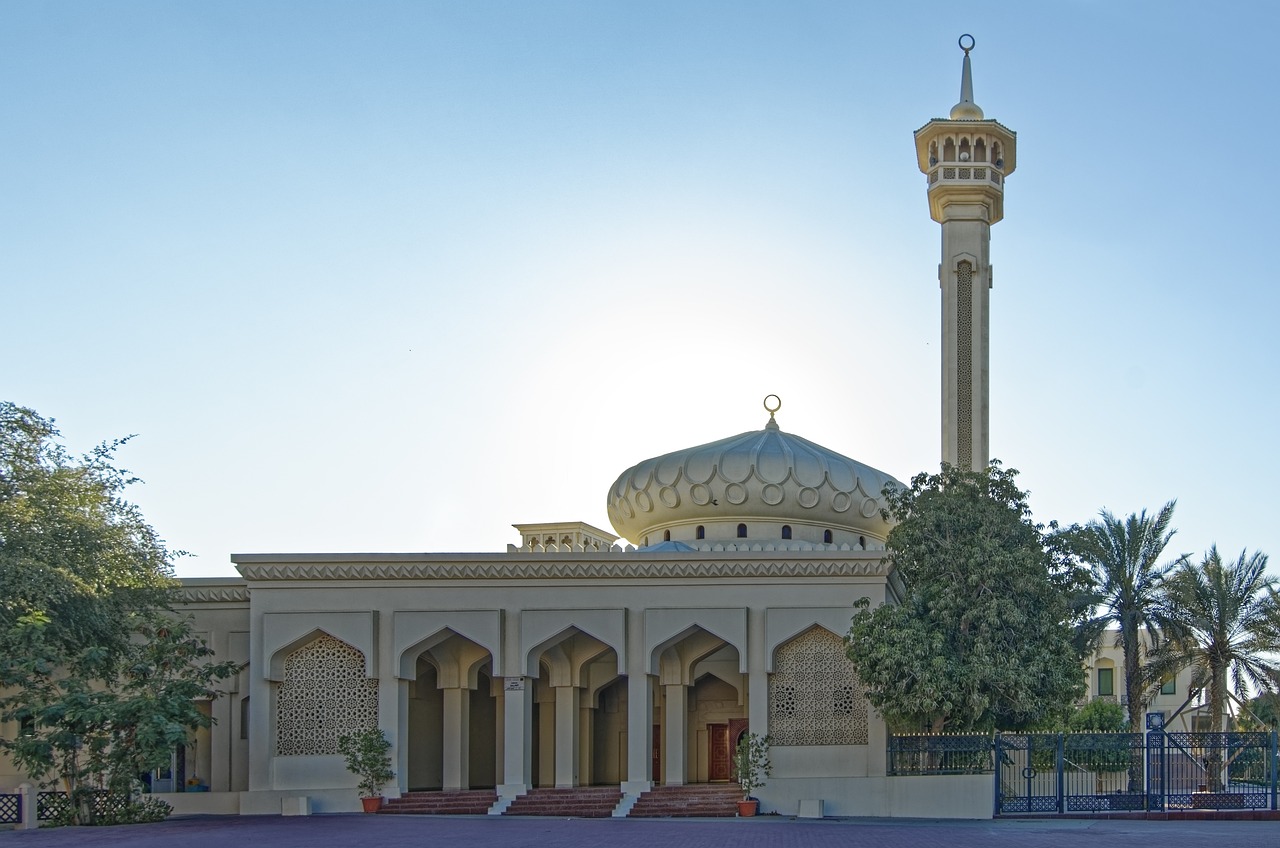
If you are wondering where the best place for traditional food in Dubai is, look no further than Bur Dubai. This is the city's cultural heart, a place where the air smells of roasting coffee and frankincense. It is here that the tapestry of Dubai’s identity—woven from Indian, Persian, and Filipino influences—is most visible on the plate.
Chef Sahar suggests starting your morning with a "breakfast of champions." This doesn't involve eggs benedict at a five-star hotel. Instead, head to Sangeetha for a paper-thin, crispy dosa, a nod to the decades of South Indian influence in the UAE. For something heartier, find your way to Foul Abu Al Abbas. This legendary spot serves Sudanese stew (foul), a staple that has nourished generations of locals and expats alike.
"Dubai’s food is a conversation between cultures," says Chef Sahar. "You can’t understand Emirati food without acknowledging the trade routes that brought cardamom from India and dried limes from Iran. In Bur Dubai, you taste the history of the world in a single bowl of stew."
After breakfast, wander through the Al Fahidi Historical District. Built in the late 19th century, this area is a labyrinth of gypsum and coral-stone buildings. Look up to see the barjeel—traditional wind towers that acted as ancient air conditioning, funneling the breeze down into the homes.
Mid-Morning: The Art and Architecture Loop
As the sun climbs higher, transition from the ancient to the avant-garde. A short 20-minute drive takes you to the neighboring emirate of Sharjah. While technically a different city, it is an essential part of the cultural fabric. The Museum of Islamic Civilization is a masterclass in history, while the nearby Rain Room—an art installation where you walk through a downpour without getting wet—represents the UAE’s obsession with cutting-edge technology.
Return to Dubai and head straight for Al Quoz. Once a gritty industrial zone filled with warehouses, it has transformed into the city’s premier creative destination. Alserkal Avenue is the epicenter of this movement, housing contemporary art galleries, independent cinemas, and artisanal coffee shops.
For a hit of nostalgia, Chef Sahar recommends Gerard Café. It’s not just a coffee shop; it’s a time capsule. Since 1981, it has served a secret-recipe cappuccino that has remained unchanged as the skyline grew around it. It is the perfect place to sit and observe the "new" Dubai—a mix of creative entrepreneurs and global artists—within a space that feels like a well-kept secret.
Afternoon: Dubai on Two Wheels
How can I see both old and new Dubai in a way that feels connected? Chef Sahar’s answer is simple: get on a bike. The Jumeirah coastline offers a dedicated cycling and running track that stretches for miles, offering a front-row seat to the city’s architectural evolution.
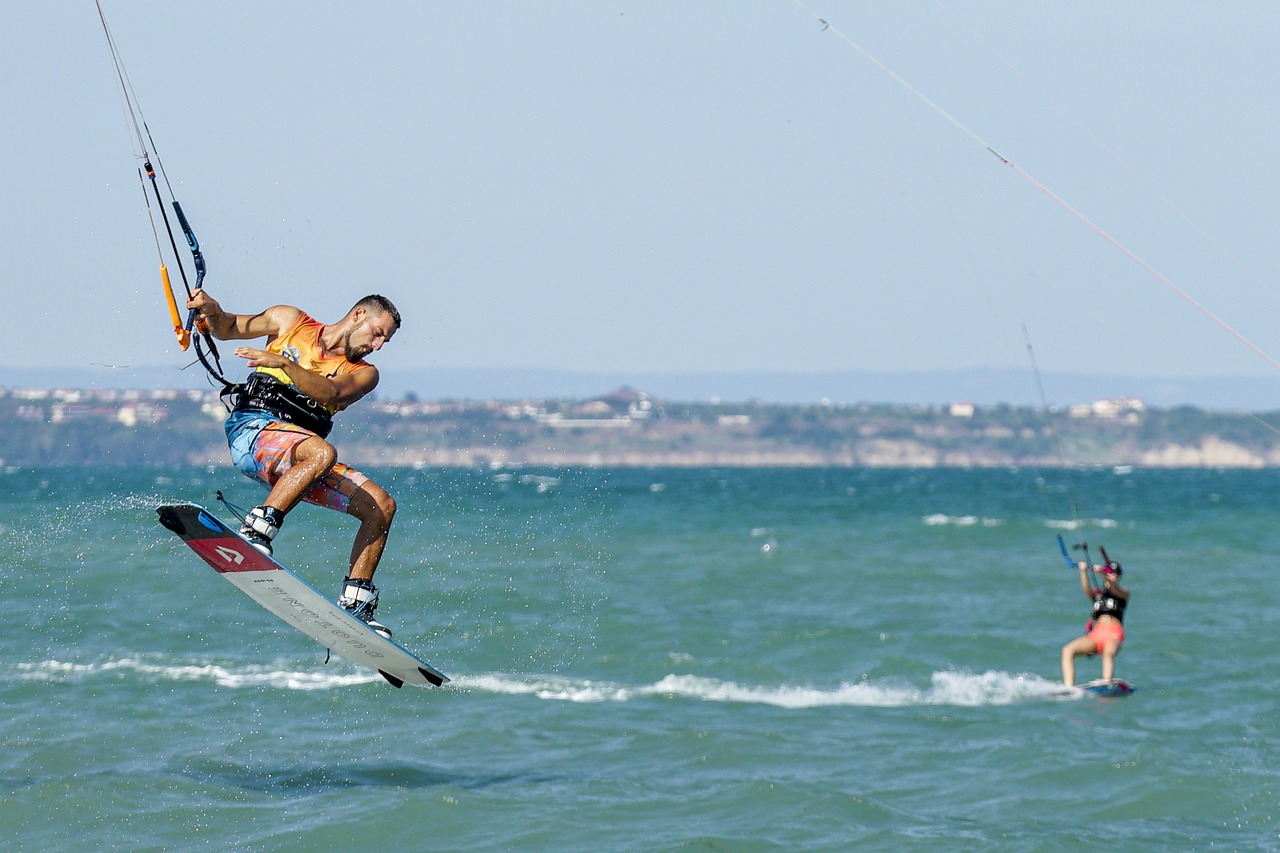
Starting from the Dubai Water Canal, you can cycle toward Kite Beach. To your left is the sparkling turquoise of the Arabian Gulf; to your right is the dramatic skyline. This route allows you to see the Burj Al Arab—the 1999 icon of modern Dubai—from the perspective of the public beach, where families gather for picnics and kitesurfers catch the wind.
If you need a midday recharge, stop at Feels for a healthy juice or Common Grounds for a nourishing bowl. These spots represent the modern, health-conscious side of the city that thrives alongside the traditional bakeries of the old town.
Sunset: The 1-Dirham Time Machine
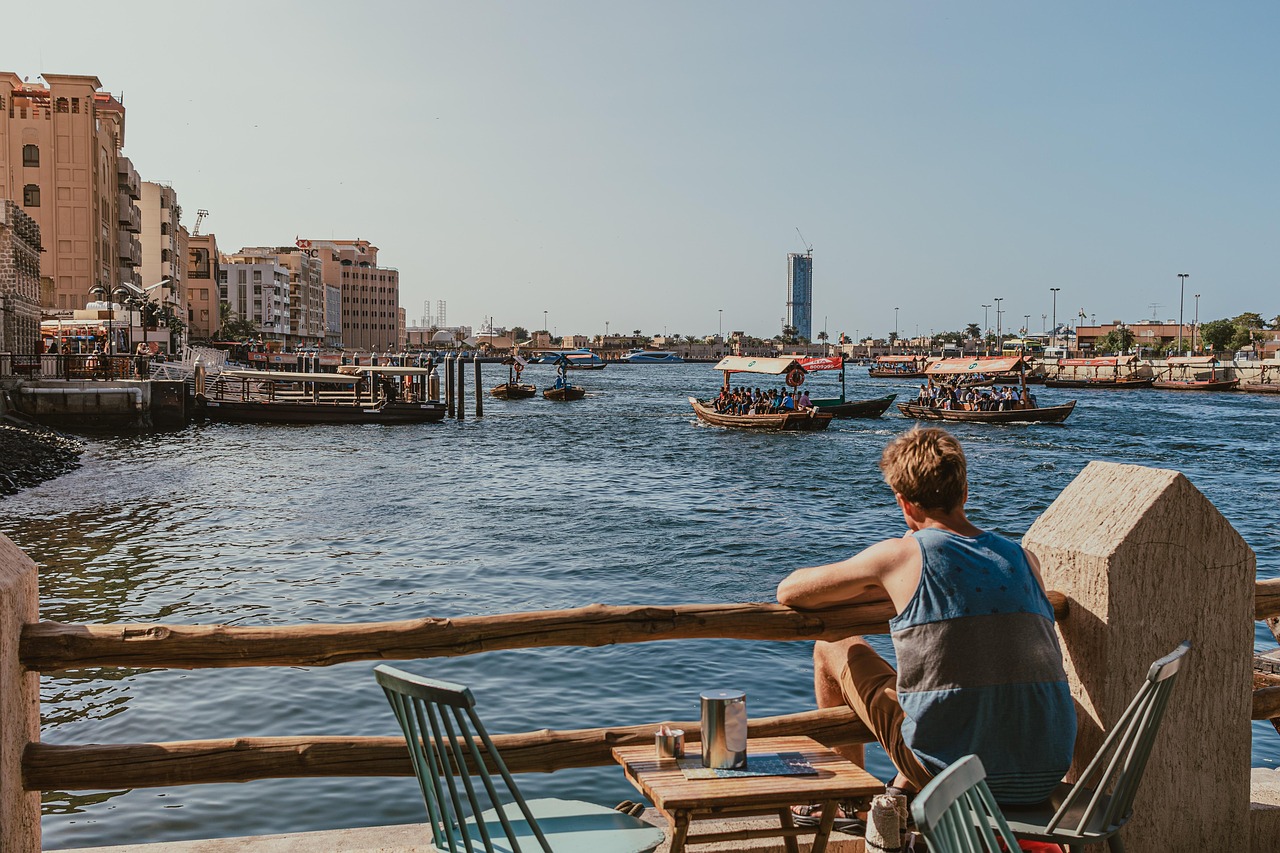
As the sky turns a dusty pink, make your way back to the Dubai Creek. This is where the city began as a small pearling and fishing village. To cross from Bur Dubai to Deira, skip the air-conditioned taxis and hop on a wooden abra.
There is no better deal in the city. For just 1 AED ($0.27), you can sit on the wooden bench of a boat that has barely changed in design for a century. As you cross the water, you are caught between two eras. In the foreground are the traditional souks—the Gold Souk and the Spice Souk—with their burlap sacks of turmeric and frankincense. In the distance, the Burj Khalifa and the Frame pierce the horizon.
"The abra ride is the most grounding experience in Dubai," Sahar notes. "The smell of the diesel, the salt in the air, and the sound of the small engine—it’s a sensory reminder that despite the skyscrapers, we are still a port city at heart."
Evening: Soulful Souvenirs and Sweet Stops
The evening is for exploration and indulgence. Instead of the standard mall souvenirs, look for homegrown brands that are reinventing Emirati heritage. In Al Quoz, Mirzam Chocolate creates bean-to-bar chocolate infused with local flavors like dates, fennel, and sea salt. In the Al Seef district, Tamashee offers high-quality leather sandals that modernize traditional Khaleeji footwear.
Comparison: Old Dubai vs. New Dubai
| Feature | Old Dubai (Bur Dubai/Deira) | New Dubai (Downtown/Jumeirah) |
|---|---|---|
| Primary Transport | Abra (1 AED) & Walking | Metro, Taxi & E-Scooters |
| Architecture | Coral stone & Wind towers | Steel, Glass & Skyscraper icons |
| Primary Vibe | Bustling, Historic, Sensory | Sleek, Modern, Luxurious |
| Dining Style | Street food & Heritage cafes | Concept dining & Michelin stars |
| Must-See | Spice Souk | Burj Khalifa / Kite Beach |
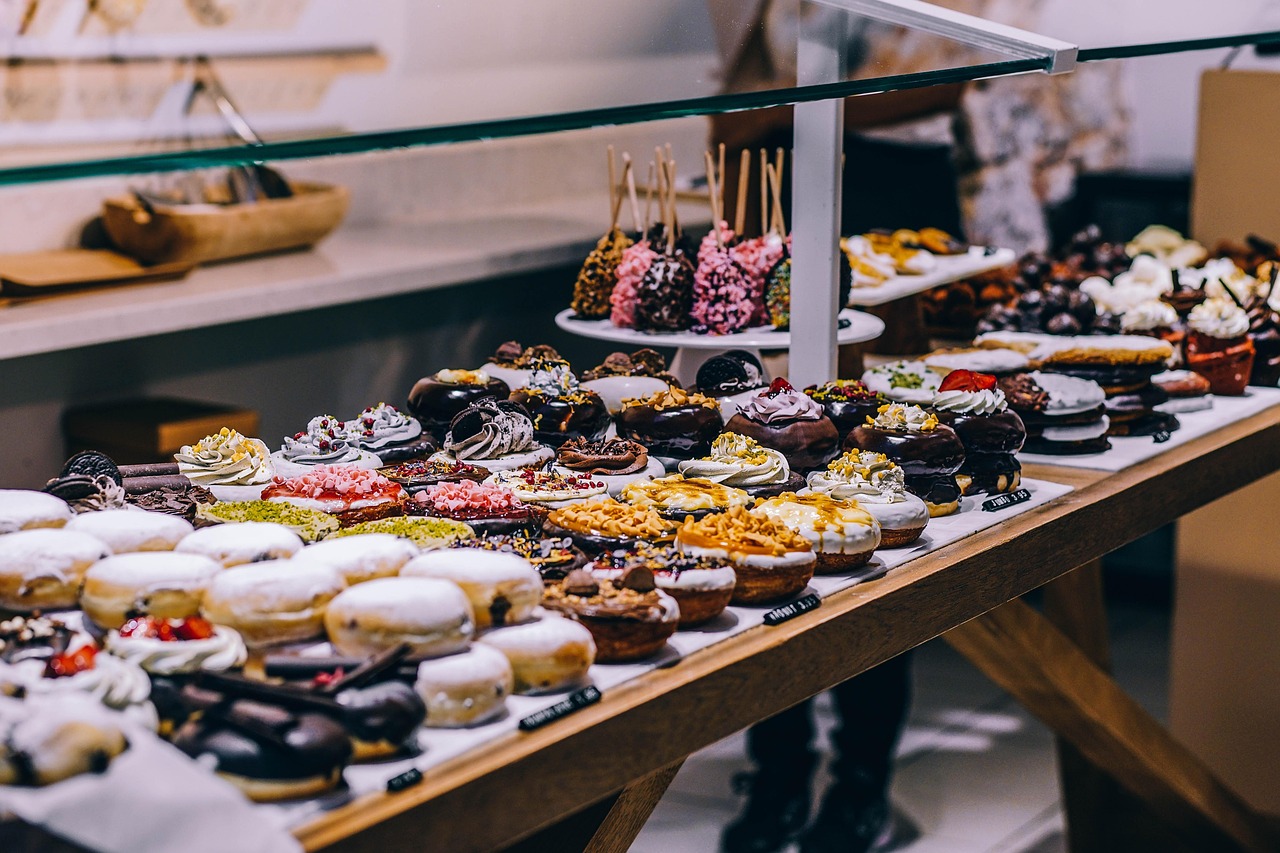
For dessert, Chef Sahar suggests a "cravings tour." For a taste of the past, visit the hidden sweet shops in Karama for Indian gulab jamun. To see how these traditions are being elevated, look forward to the opening of Abra in 2026, where Sahar will use her pastry expertise to reinterpret traditional recipes for a global audience.
Beyond the City: The Hatta Escape
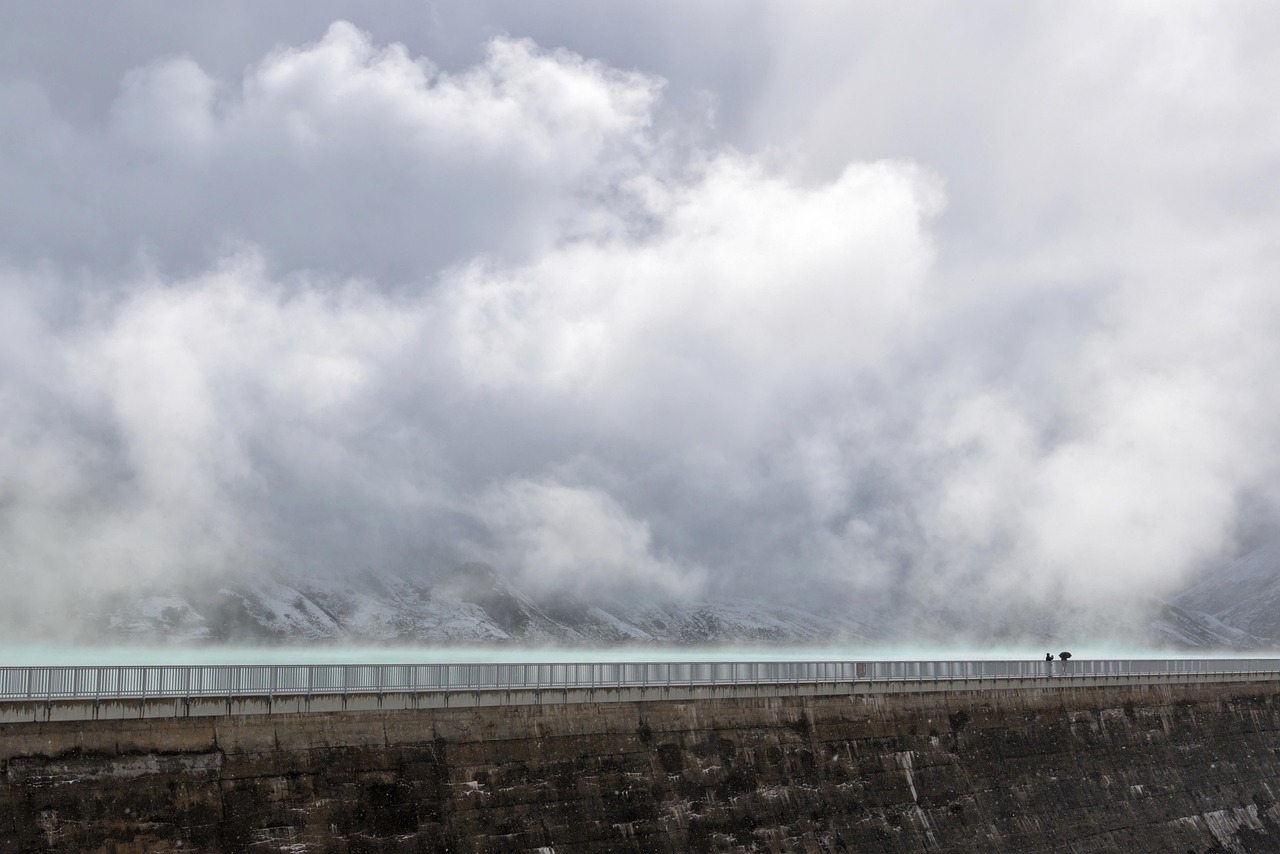
If you have an extra day, leave the urban sprawl behind. What are the most unique things to do in Dubai? For Chef Sahar, it’s the journey to Hatta. Located just a 90-minute drive from the downtown skyscrapers, Hatta offers a 100% terrain contrast. The flat desert gives way to the rugged Hajar Mountains.
Here, you can visit the Hatta Honey Farm, where you can wear a bee suit and learn about the local honey production—a vital part of Emirati agriculture. For the more adventurous, kayaking on the emerald waters of the Hatta Dam provides a peace and stillness that is impossible to find in the city center. It is a reminder that the "spirit" of Dubai isn't just in its buildings or its history, but in its diverse and surprising landscape.
FAQ: Navigating the Contrasts
Q: Is it easy to get between Old and New Dubai? A: Yes. The Dubai Metro’s Red Line connects the modern areas like Dubai Marina and Downtown to the historic districts of Bur Dubai and Deira. However, to truly see the contrast, we recommend taking a taxi or a bike along the Jumeirah coast for a more scenic transition.
Q: What is the best time of year to visit? A: To enjoy outdoor activities like cycling Kite Beach or hiking in Hatta, visit between November and March. During these months, the weather is pleasant enough to spend the entire day exploring the streets and waterways.
Q: Can I find authentic Emirati food in modern malls? A: While some mall restaurants offer Emirati dishes, the most authentic experiences are found in the older neighborhoods or through homegrown concepts like Mirzam. For a refined take on heritage flavors, keep an eye out for independent chef-led restaurants.
CTA: Plan Your Authentic Dubai Weekend
Ready to discover the soul of the city? Don't just stay in the tourist hubs—cross the Creek, taste the street food, and see the mountains.