Quick Facts
- Park Scale: Yellowstone encompasses 3,472 square miles—larger than Rhode Island and Delaware combined—yet only 2% of this vast wilderness is developed for visitor infrastructure.
- Geothermal Wonder: The park contains 60% of the world’s geothermal features, most of which are concentrated along the Lower Loop road system.
- Crowd Control: Despite attracting a record 5 million tourists in 2025, a small-group tour allows you to bypass the logistical headaches of parking and navigation.
- The "10-Person" Sweet Spot: A 10-passenger van is the largest vehicle allowed in many scenic pull-outs where massive commercial buses are banned, offering a more intimate and flexible experience.
Introduction: The One-Day Challenge in a Massive Wilderness
Imagine standing at the edge of a landscape so vast that the horizon seems to ripple with the heat of a thousand hidden fires. This is Yellowstone National Park—a 2.2-million-acre sanctuary of thundering waterfalls, roaming grizzly bears, and neon-colored boiling springs. For most travelers, the sheer scale of the park is paralyzing. With over 450 miles of roads and entrance gates separated by hours of driving, the question isn't just what to see, but how to see it without spending your entire vacation behind a steering wheel.
Many visitors wonder: Is a one-day guided tour of Yellowstone worth it? The short answer is a resounding yes. For first-time visitors or those with limited time, a guided tour eliminates the intense stress of navigating high-altitude mountain roads and the "parking lot prowl" at popular sites. More importantly, it guarantees that you will hit the heavy hitters—Old Faithful, the Grand Canyon of the Yellowstone, and Grand Prismatic Spring—within a tight timeframe that would be nearly impossible to manage solo.
By opting for a guided experience, you aren't just paying for a driver; you are investing in a curated narrative. You’ll learn about the delicate ecology of the mountain pine beetle, the history of the 1988 fires, and the complex reintroduction of wolves—all while someone else keeps an eye on the road and the local traffic (which, in Yellowstone, usually involves a 2,000-pound bison standing in the middle of the pavement).
The Small Group Advantage: Why 10 is the Magic Number
When it comes to touring Yellowstone, size matters. Large commercial motorcoaches carrying 50+ passengers often feel like "cattle calls." You wait 20 minutes for everyone to board, another 10 for a bathroom break, and you’re often restricted to the largest, most crowded parking lots.
What are the advantages of a 10-person small group tour in Yellowstone? A 10-person van offers the perfect equilibrium between social interaction and tactical agility. These smaller vehicles can pull into narrow overlooks that are off-limits to buses, allowing for "guerrilla-style" wildlife viewing. If a grizzly bear is spotted in a meadow, a 10-person van can pivot and park in seconds, whereas a large bus would likely have to keep driving.
Furthermore, the level of personalized attention is unparalleled. In a small group, your guide can provide:
- Photography Assistance: Guides are often expert amateur photographers who know exactly where the light hits the canyon at 10:00 AM.
- High-End Gear: Most boutique tours provide professional-grade Swarovski or Vortex spotting scopes, which are essential for seeing wolves or bears that might be half a mile away.
- Flexible Pacing: If the group is captivated by a particular geyser basin, the guide has the autonomy to linger, a luxury not afforded by rigid large-bus schedules.

Logistics: Starting Your Adventure from Cody, Wyoming
While Yellowstone has five entrances, the East Gate is often referred to as the "scenic gateway." This route begins in Cody, Wyoming, a town steeped in frontier history and founded by "Buffalo Bill" Cody himself. Starting here is a strategic masterstroke for a one-day trip because it provides direct access to the Lower Loop—the section of the park containing the highest density of iconic landmarks.
Where do Yellowstone guided tours from Cody, Wyoming typically depart? Most high-quality small-group tours offer hotel pickups in Cody starting around 7:00 AM. This early departure is critical to beat the mid-morning rush at the gate. Alternatively, for those already staying near the park boundary, many tours offer a secondary pickup at the Fishing Bridge General Store at 9:00 AM.
Pro Tip: The drive from Cody to the park entrance takes you through the Shoshone National Forest and the Wapiti Valley. Keep your eyes peeled even before you enter the park; this stretch is a "hidden" hotspot for bighorn sheep and elk.
The Ultimate 1-Day Itinerary: The Lower Loop Showcase
The Lower Loop is the heart of Yellowstone’s geothermal and geological drama. A 10-person guided tour focuses on this 96-mile circuit to ensure you see the "Big Three" without feeling rushed.
Morning: Hayden Valley Wildlife & The Grand Canyon
Your day begins with a climb over Sylvan Pass, where the early morning fog often clings to Sylvan Lake like a ghost. As you descend into Hayden Valley, the landscape opens up into a vast, rolling prairie. This is the park's premier wildlife theater. Your guide will use their radio network and expert eyes to scan for grizzly bears, bald eagles, and the massive herds of bison that call this valley home.
From the valley, you head directly to the Grand Canyon of the Yellowstone. While the canyon isn't as wide as its Arizona cousin, it is arguably more colorful, with volcanic yellow, pink, and orange walls. The highlight here is Artist Point, which offers a framed view of the 308-foot Lower Falls.

Mid-Day: Picnic and Paint Pots
By noon, the crowds at the main lodges can be overwhelming. This is where the guided tour shines. Instead of waiting in a 40-minute line for a mediocre burger, you’ll likely head to a secluded picnic area under the shade of lodgepole pines. Most 10-person tours provide a catered deli lunch, allowing you to refuel while listening to the wind hiss through the trees.
After lunch, you’ll explore the Fountain Paint Pot. This area is a geological "taster menu," featuring all four types of thermal features: geysers, hot springs, fumaroles (steam vents), and mud pots. The mud pots, in particular, are a sensory experience—bubbling like thick, grey oatmeal and emitting a distinct sulphuric "rotten egg" scent that reminds you exactly how active the volcano beneath your feet really is.

Afternoon: The Geothermal Giants
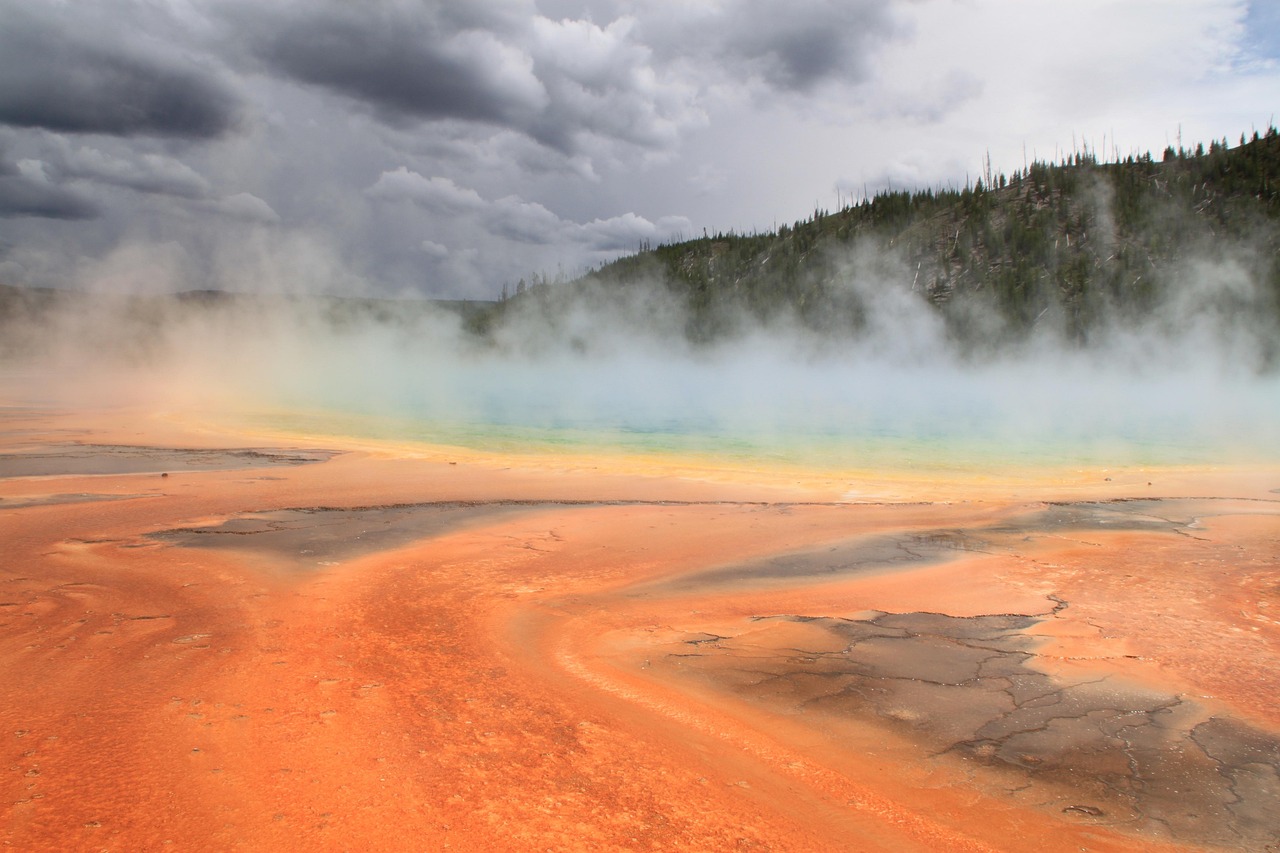
The afternoon is dedicated to the "superstars." First up is the Grand Prismatic Spring in the Midway Geyser Basin. This is the largest hot spring in the United States and is famous for its striking rainbow rings, caused by thermophilic (heat-loving) bacteria. Your guide will help you navigate the windswept boardwalks, explaining why the water is so blue (it's so deep and pure that it scatters blue light) and helping you time your photos between plumes of steam.
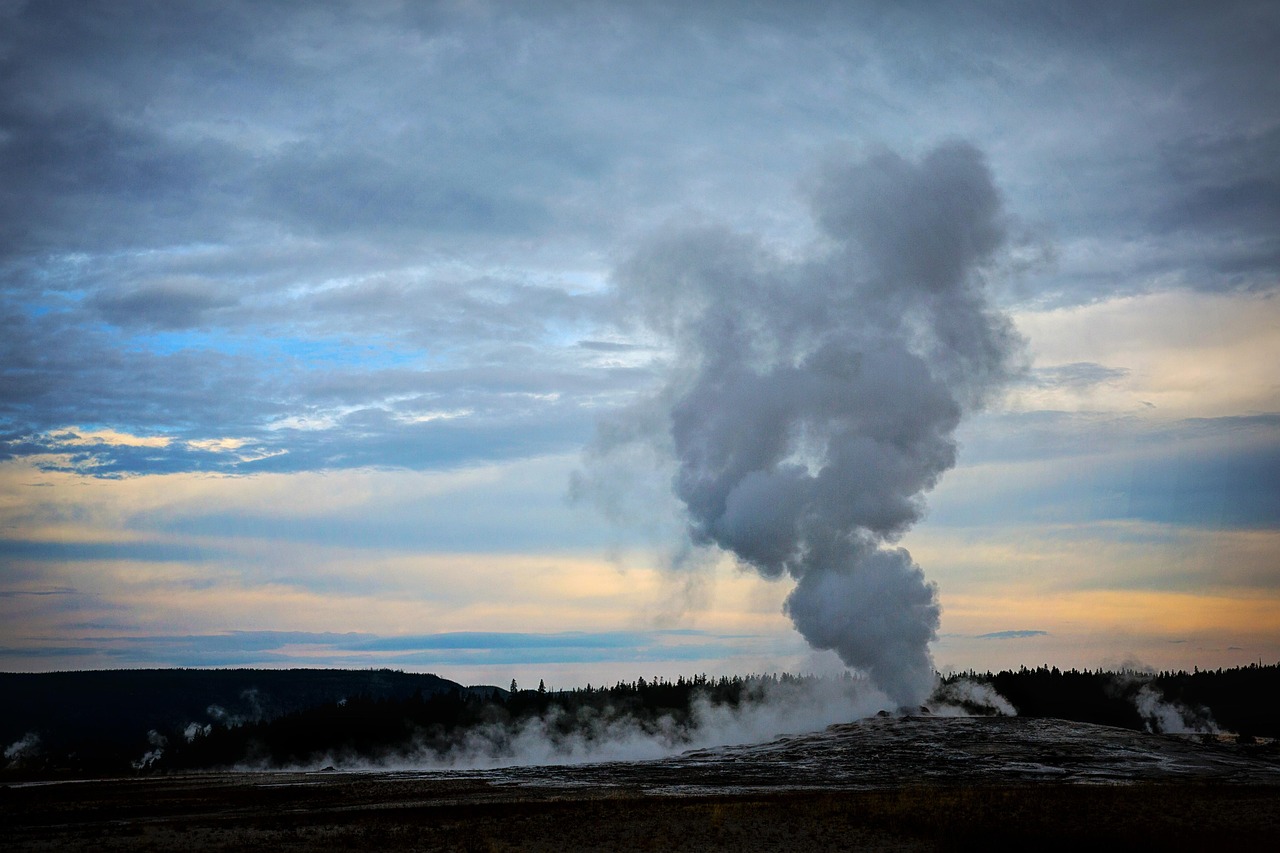
Next, the tour moves to the Upper Geyser Basin, home to the world’s most famous geyser: Old Faithful. While Old Faithful isn't the largest or most frequent geyser in the park, it is the most predictable, erupting roughly every 90 minutes. A professional guide tracks the National Park Service's predictions to ensure you arrive with plenty of time to find a seat on the viewing benches and perhaps even take a quick peek inside the historic Old Faithful Inn, the world's largest log structure.
Evening: Yellowstone Lake & West Thumb
As the sun begins to dip, the tour circles back toward the East Gate, stopping at the West Thumb Geyser Basin. This is one of the most serene spots in the park, where boiling turquoise springs sit right on the shoreline of the icy-cold Yellowstone Lake. In some spots, you can see geyser cones rising directly out of the lake water. It’s a poetic end to a day of extremes—fire meeting water at the roof of the Rockies.

Guided vs. Self-Guided: Making the Right Choice
Deciding between driving yourself and booking a tour often comes down to what you value most: complete autonomy or curated ease.
| Feature | Self-Guided Tour | 10-Person Guided Tour |
|---|---|---|
| Cost | Lower (Fuel + $35 entrance fee) | Higher ($250 - $350 per person) |
| Navigation | You drive; high stress in traffic | Professional driver; you relax |
| Wildlife | Luck-based; hard to spot while driving | High success; guides use scopes & radios |
| Education | Requires reading signs/guidebooks | Real-time expert commentary |
| Food | Long lines at park cafeterias | Catered picnic included |
| Flexibility | Total; leave whenever you want | Moderate; fixed route but flexible stops |
For many, the cost of a guided tour is offset by the "hidden" savings: you don't need to rent a large vehicle, you don't waste gas idling in traffic, and you don't spend half your day frustrated by the lack of parking at Grand Prismatic.
Essential Tips for Your Yellowstone Day Trip
To make the most of your 10-person tour, a little preparation goes a long way.
- The Layered Approach: Yellowstone’s elevation ranges from 6,000 to over 8,000 feet. It can be 35°F (1°C) when you leave Cody at 7:00 AM and 80°F (27°C) by the time you reach Old Faithful. Wear moisture-wicking layers and a windproof jacket.
- Connectivity Reality Check: Cell service in Yellowstone is almost non-existent. Do not rely on GPS or streaming music. This is another reason the guide is vital—they know the roads by heart and carry satellite communication for emergencies.
- Wildlife Etiquette: We are guests in the animals' home. Always maintain at least 100 yards from bears and wolves, and 25 yards from bison and elk. Professional guides strictly enforce these rules, ensuring both your safety and the well-being of the animals.

FAQ
Q: Do I need to worry about altitude sickness on a one-day tour? A: Most visitors feel the effects of the thinner air (shortness of breath, slight fatigue), but serious altitude sickness is rare on the loop roads. The best remedy is to stay hydrated; most tours provide unlimited bottled water to help you acclimate.
Q: Can a 10-person tour accommodate dietary restrictions? A: Yes. Because these tours are small and personalized, operators are usually very accommodating with 48 hours' notice. Whether you are vegan, gluten-free, or have nut allergies, just let the tour company know at the time of booking.
Q: What happens if it rains or snows? A: Tours typically run rain or shine. In fact, some of the most dramatic "steam" photos happen on cold or rainy days. Yellowstone's weather changes rapidly; if a storm rolls in at the Canyon, it might be perfectly sunny 20 miles away at Old Faithful.
CTA
Ready to experience the majesty of the world's first national park without the stress of the steering wheel? Join our expert-led, 10-person small group tour and see the very best of Yellowstone in just one day.