Quick Facts
- The Original Legacy: Denver’s Chinatown, once one of the largest in the West, was established in 1870 in what is now the Lower Downtown (LoDo) district.
- A Tragic Erasure: On October 31, 1880, an anti-Chinese riot devastated the community, leading to the lynching of Look Young and the eventual systemic demolition of the neighborhood by the mid-20th century.
- The Reclaiming: Today, a new generation of chefs—including James Beard finalists and Michelin honorees—are using their menus to honor this "erased" history.
- Modern Icons: Key restaurants leading this movement include Hop Alley, Yuan Wonton, MAKfam, and Nana’s Dim Sum.
- Community Advocacy: Colorado Asian Pacific United (CAPU) is the primary organization dedicated to correcting the historical narrative and memorializing Denver’s AAPI past.
Introduction: The Ghost of Hop Alley
To walk through the bustling brick-lined streets of Denver’s Lower Downtown—or LoDo, as the locals call it—is to participate in a sensory theater of the modern American city. There is the scent of expensive hops from craft breweries, the roar of the crowd at Coors Field, and the rhythmic clack of the light rail. But for those who know how to listen to the whispers of the pavement, there is a profound silence where a city once lived.
Unlike San Francisco, Vancouver, or New York, Denver has no ornate pagoda gates to mark its Chinatown. There are no red lanterns swaying over Market Street. Yet, in the late 19th century, this was one of the most vibrant Chinese enclaves in the United States. Today, Asian American and Pacific Islander communities make up approximately 4% of Denver's total population, but for decades, their physical history was systematically dismantled, paved over by parking lots and luxury lofts.
However, a cultural reclamation is underway. It isn't happening through city planning or grand monuments alone, but through the sizzling woks and steaming bamboo baskets of a new culinary vanguard. In Denver, the plate has become the primary site of historical preservation.
The History: What Was Hop Alley?
To understand the weight of a meal at a modern Denver Chinese restaurant, one must first understand what was lost. Denver’s Chinatown was established in 1870, just one year after the first recorded Chinese immigrant arrived in the city. Located primarily along Blake, Wazee, and Market Streets, it was a sanctuary for laborers who had finished building the transcontinental railroads and were seeking community.
The neighborhood was colloquially—and often derogatorily—called "Hop Alley," a reference to the opium dens that white residents used to characterize the area as a place of vice. In reality, it was a hub of laundries, grocery stores, and social clubs.
The turning point came on October 31, 1880. A localized brawl in a saloon spiraled into a full-scale anti-Chinese riot. A mob of thousands descended upon the neighborhood, destroying every Chinese-owned business and home. The most horrific casualty was Look Young, a local resident who was beaten and lynched by the mob. Despite the carnage, the community showed incredible resilience, rebuilding in the aftermath. However, the final blow wasn't a riot, but the "urban renewal" projects of the 1940s through the 1960s, which effectively erased the last physical vestiges of Denver's Chinatown from the map.

Reclaiming the Name: Hop Alley (The Restaurant)
When Chef Tommy Lee opened his second restaurant in the RiNo district in 2015, he made a choice that was both controversial and deeply intentional. He named it Hop Alley.
For Lee, using the name wasn't about celebrating the derogatory slang of the past; it was about reclaiming the narrative. "By using the name, we force people to ask what it means," Lee has often noted in interviews. The restaurant, which has earned a Michelin Bib Gourmand, serves as a living memorial, bridging the gap between historical tragedy and modern culinary excellence.
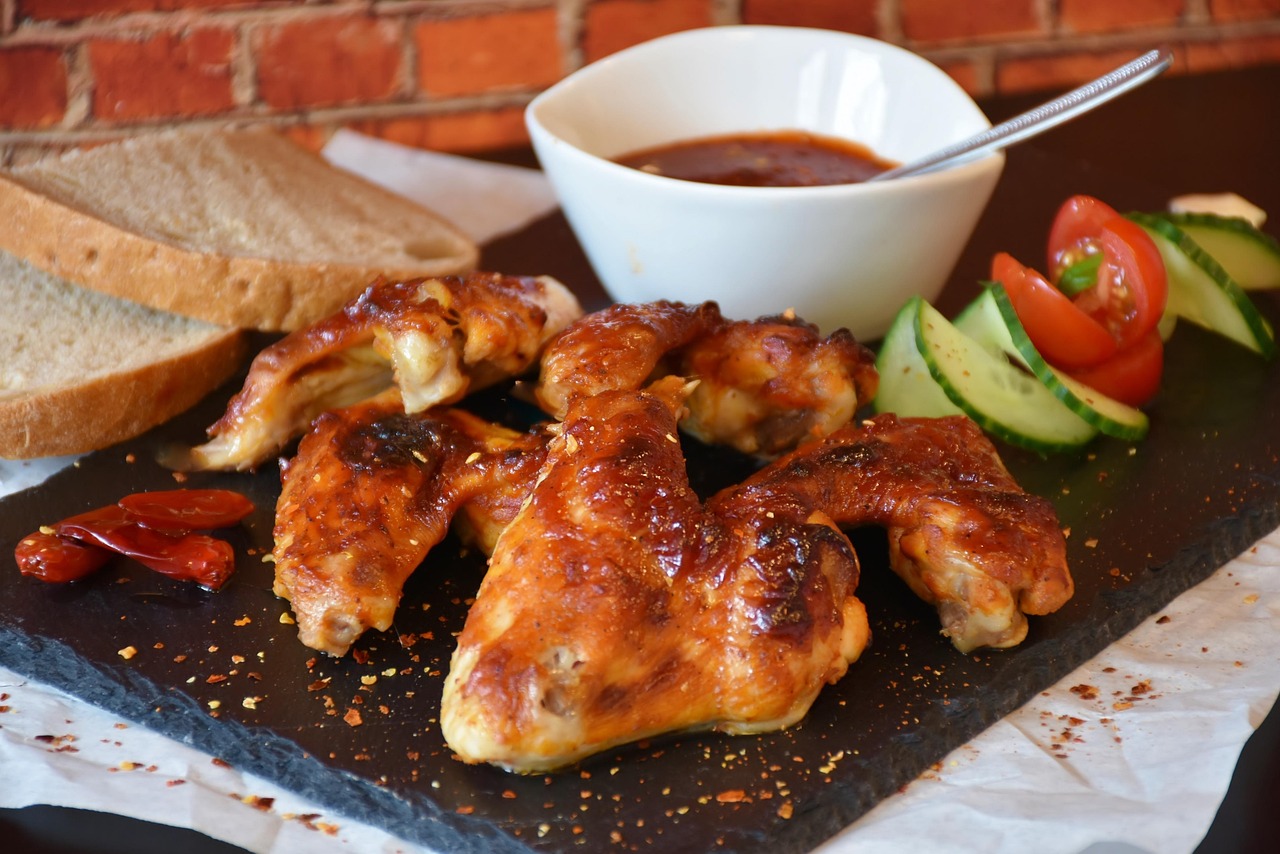
The atmosphere at Hop Alley is electric—dark wood, loud hip-hop, and the intoxicating aroma of wood-fired woks. The food is unapologetically bold. The La Zi Ji (chongqing chicken) arrives buried under a mountain of dried red chilies, offering a numbing, addictive heat that commands your full attention. The shrimp toast, topped with a delicate swirl of hot mustard and frisee, reimagines a dim sum staple with seasonal sophistication. Here, history is not a dusty textbook; it is a vibrant, spicy, and essential part of the Denver dining experience.
If You Go: Hop Alley
| Detail | Information |
|---|---|
| Address | 3500 Larimer St, Denver, CO 80205 |
| Price Range | $$$ |
| Must-Order | Bone Marrow Fried Rice, La Zi Ji, Chilled Tofu |
Preserving Family Legacy: Yuan Wonton & Nana’s Dim Sum
While Hop Alley reclaims the name, others are reclaiming the techniques and family stories that were nearly lost to the tides of assimilation.
Yuan Wonton, led by James Beard finalist Penelope Wong, began as a food truck that garnered a cult-like following—often selling out of hundreds of dumplings in mere minutes. Now settled into a brick-and-mortar space, Wong’s work feels like an act of ancestral devotion. To watch the kitchen staff at Yuan Wonton is to witness a masterclass in geometry and grace. Each pleat in a wonton wrapper is a tribute to the lineage of women who kept these recipes alive in private kitchens when the public world was hostile to their presence.
Wong has been a vocal advocate for the AAPI community, particularly during the #StopAsianHate movement, using her platform to connect the struggles of the past with the challenges of the present. Her dumplings are translucent, delicate, and filled with soul—whether it’s the classic shrimp and pork or more inventive seasonal fillings.
Similarly, Nana’s Dim Sum & Dumplings brings a sense of domestic intimacy to the Highlands and beyond. Founded by Jack and Kelly Liu, the restaurant is built around the recipes of Kelly’s grandmother. The open kitchen design allows diners to see the labor-intensive process of hand-folding, a visual reminder that Chinese culture in Denver is not a relic, but a living, breathing practice.

If You Go: Yuan Wonton
| Detail | Information |
|---|---|
| Address | 2878 Fairfax St, Denver, CO 80207 |
| Price Range | $$ |
| Must-Order | Chili Oil Wontons, Xiao Long Bao, Sesame Noodles |
Check Yuan Wonton's Schedule →
Modern Pride: MAKfam and The Diaspora
If the previous generation of Asian restaurants felt the need to "tone down" flavors for a Western palate, the team at MAKfam is doing the exact opposite. Founded by Doris Yuen and Ken Wan, MAKfam (short for "Mama and Kenneth’s Family") started as a stall in a food hall before expanding into a full-service restaurant in the Baker neighborhood.
MAKfam represents the "unapologetic" era of Denver’s Chinese food scene. Their menu features a "MSG is fine" philosophy, leaning into the deep, umami-rich flavors that define Hong Kong cafe culture. Their Mala Poutine—a brilliant fusion of Wan’s upbringing and traditional Sichuan flavors—is a testament to the evolving nature of the Chinese diaspora. Having received a Michelin Bib Gourmand, MAKfam proves that honoring heritage doesn't mean being stuck in the past; it means having the confidence to innovate.
"We aren't just cooking food; we are claiming space. For a long time, Asian businesses in Denver felt they had to be invisible to survive. We want to be loud." — Ken Wan, MAKfam
The Keepers of History: Colorado Asian Pacific United (CAPU)
While chefs nourish the body, Colorado Asian Pacific United (CAPU) nourishes the collective memory. This Denver-based organization has been instrumental in ensuring that the erasure of Chinatown is no longer a silent chapter in Colorado’s history.
For decades, the only marker of the 1880 riot was a small, inaccurate bronze plaque that focused more on the "white neighbors" who supposedly helped the Chinese than on the victims themselves. In 2022, after years of advocacy by CAPU, that plaque was finally removed.
CAPU’s Key Initiatives include:
- The Mural Project: A stunning mural at the fire station on 15th and Blake Streets, the site where Look Young was killed, which honors his life and the resilience of the community.
- Reclaiming the Story: A series of public exhibits and walking tours that map the "lost" Chinatown, providing a physical context for the history.
- Educational Outreach: Working with local schools to integrate AAPI history into the Colorado curriculum.
FAQ: Uncovering Denver’s Asian History
Where was the original Chinatown located in Denver? The heart of Denver’s Chinatown was located in the Lower Downtown (LoDo) area, specifically centered around 20th and Blake Streets. At its peak, it stretched several blocks, housing thousands of residents and numerous businesses.
Why is there no Chinatown in Denver today? The disappearance of Denver’s Chinatown was a two-fold process. First, the anti-Chinese riot of 1880 significantly damaged the community’s economic foundation. Second, mid-20th-century urban renewal and redlining led to the demolition of older buildings in LoDo to make way for modern infrastructure, effectively erasing the physical neighborhood.
What are the best woman-owned Asian restaurants in Denver? Denver has a wealth of incredible woman-owned AAPI establishments. Yuan Wonton (Penelope Wong), Sap Sua (Anna Nguyen), and Nana’s Dim Sum (Kelly Liu) are all highly acclaimed spots that prioritize heritage and community.
How can visitors support AAPI history preservation in Denver? The best way to support is to visit the historical markers curated by CAPU, dine at AAPI-owned businesses, and donate to organizations like the Asian Pacific Development Center or CAPU themselves.
Conclusion: A Seat at the Table
In the world of cultural reporting, we often look for monuments of stone and steel to tell us who lived where and what they valued. But in Denver, the most enduring monument to the "lost" Chinatown is made of flour, water, ginger, and fire.
The resilience of this community ensures that while the physical buildings of the 19th century may be gone, the culture is louder—and more delicious—than ever. When you sit down for a meal at Hop Alley or Yuan Wonton, you aren't just a customer; you are a participant in a grand act of remembering. You are acknowledging that Look Young and the thousands of Chinese residents who built this city are still here, in spirit and in flavor.
The table is set. The history is served. And finally, Denver’s Chinatown is getting the recognition it deserves.