Quick Facts
- Biodiversity Target: The Saudi Green Initiative aims to protect over 30% of the Kingdom’s land—approximately 249,000 square miles—by 2030.
- Flagship Species: The Arabian Leopard Program has successfully bred 27 leopards in captivity to date, aiming to restore a wild population that currently numbers fewer than 200.
- Economic Scale: The global ecotourism market is projected to reach $901 billion by 2026, a tide Saudi Arabia intends to lead through regenerative development.
- Reforestation Goal: Projects like Soudah Peaks are committed to planting 1 million native trees by 2030 to restore ancient cloud forests.
- Regulatory Shift: New mandatory environmental regulations for beach and coastal operators will take full effect in 2026, moving beyond voluntary "eco-friendly" labels.
The Lost Greenery of the Arabian Peninsula
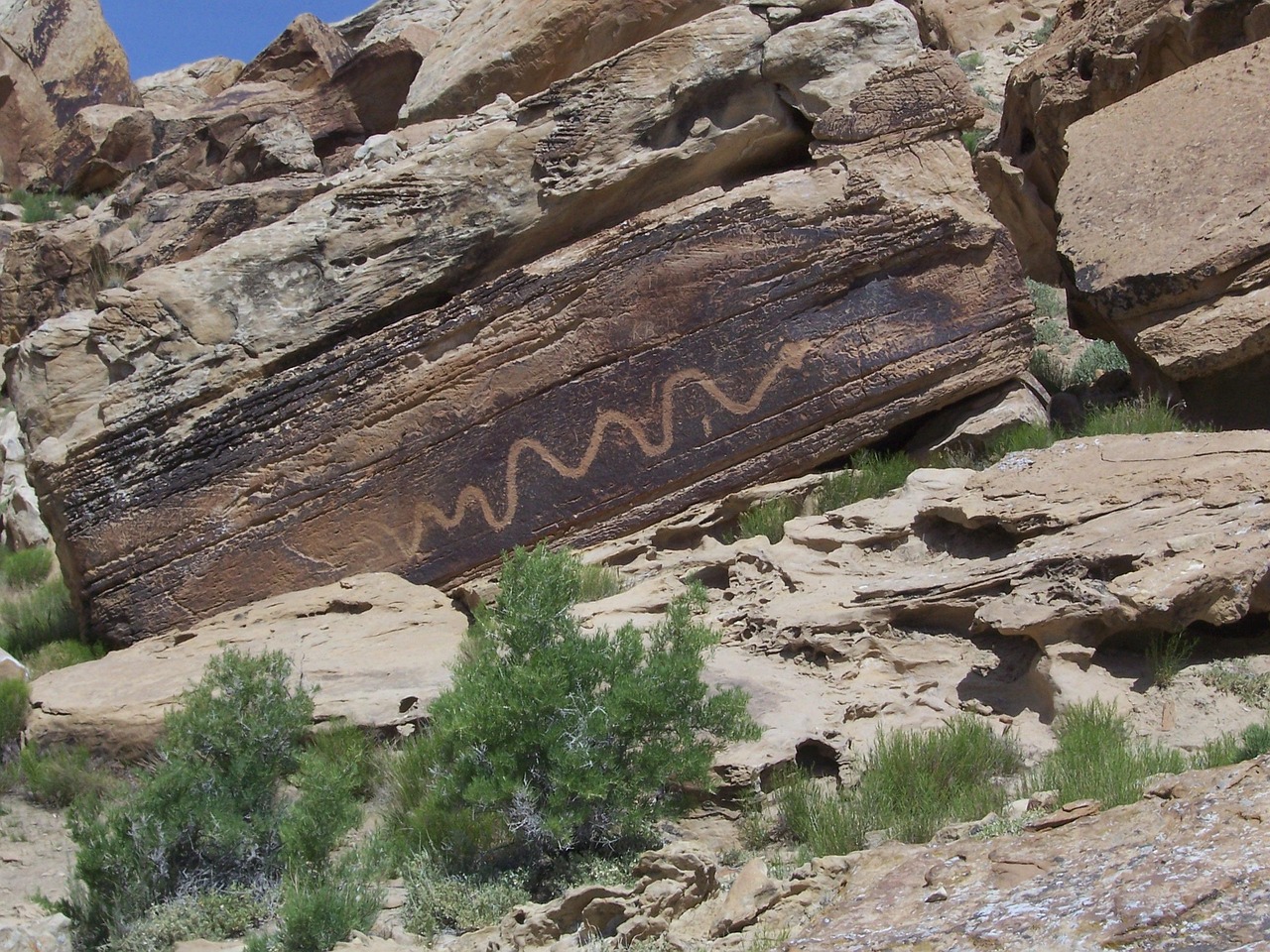
When one stands amidst the sun-scorched escarpments of Shuwaymis in northwestern Saudi Arabia, the initial impression is one of profound desolation. However, the rock faces tell a different story. Etched into the sandstone are thousands of years of biological history: petroglyphs of lions, cheetahs, and long-horned cattle grazing in what was once a lush, verdant savanna. These ancient carvings serve as more than historical curiosities; they provide a biological blueprint for one of the most ambitious environmental projects of the 21st century.
Saudi Arabia is currently leveraging tourism as a primary engine to restore this ancient biodiversity. By funneling revenue from high-end, sustainable projects like AlUla and the Red Sea into large-scale rewilding initiatives, the Kingdom is attempting to bridge the gap between its historical ecosystem and its modern economic mandate. This is not merely about planting trees; it is about the wholesale restoration of functional ecosystems that have been dormant for millennia.
The transition from a resource-dependent economy to a global tourism hub under Vision 2030 has necessitated a radical shift in land management. In my assessment, the most compelling aspect of this strategy is the "Contextual Pivot"—the recognition that for tourism to be sustainable in a desert climate, it must actively regenerate the environment rather than just "minimizing impact."
Vision 2030 and the Saudi Green Initiative
At the heart of this ecological pivot is the Saudi Green Initiative (SGI). While many nations struggle to meet modest conservation targets, the SGI has set a definitive goal: to increase protected land to approximately 249,000 square miles. This represents more than 30% of the Arabian Peninsula's total area. To put this in perspective, this is an area larger than the state of California, dedicated to the preservation of native flora and fauna.
The economic logic behind this is as sound as the environmental imperative. With the global ecotourism industry projected to reach a market value of $901 billion by 2026, Saudi Arabia is positioning itself as the premier destination for the "conscious traveler." This demographic doesn't just want a luxury villa; they want to know that their presence is contributing to the survival of a species or the restoration of a forest.
At a Glance: The Environmental Impact of Vision 2030
| Metric | Target / Current Status | Impact on Tourism |
|---|---|---|
| Protected Land | 30% of Saudi Arabia (249,000 sq miles) | Creation of vast nature reserves for wildlife safaris. |
| Tree Planting | 10 billion trees nationwide | Mitigating the "Urban Heat Island" effect and improving air quality. |
| Marine Protection | 30% of coastal and marine areas | Preservation of 300+ coral species and 16 dolphin species. |
| Market Value | $901 Billion (Global Ecotourism by 2026) | Attracting high-net-worth ESG-focused investors. |
Rewilding the Apex Predator: The Arabian Leopard Program
Perhaps no project encapsulates the Kingdom's commitment to biodiversity more than the Arabian Leopard Program. The Arabian leopard (Panthera pardus nimr) is the ultimate symbol of the region's wild heritage, yet it is currently one of the most endangered big cats on Earth. With fewer than 200 individuals remaining in the wild, the species was teetering on the edge of extinction.
The Royal Commission for AlUla (RCU) has transformed this narrative through a rigorous captive breeding and reintroduction program. To date, the program has successfully bred 27 leopards in captivity. These animals are not meant for a life behind bars; they are the vanguard of a rewilding effort that targets the Hijaz Mountains and AlUla’s Sharaan Nature Reserve.
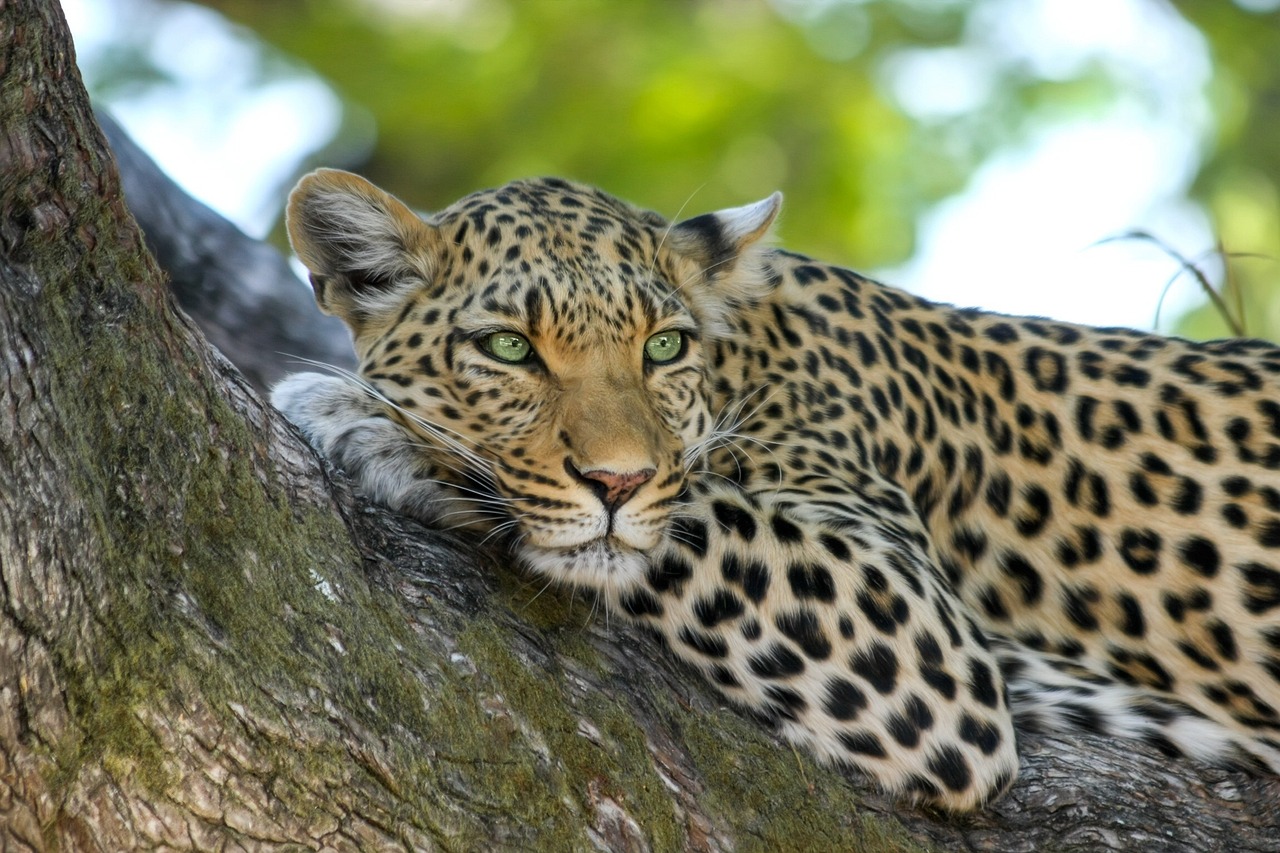
"The restoration of the Arabian leopard is about more than just one species," notes a wildlife consultant for the RCU. "It’s about the entire food chain. To support a leopard, you need healthy populations of mountain gazelles, ibex, and rock hyrax. You need the native acacia trees and shrubs to support those herbivores. The leopard is the catalyst for the entire ecosystem’s health."
This "top-down" conservation model is being integrated directly into the visitor experience. Future tourists in AlUla will likely participate in guided wildlife tracking excursions, where the "cost" of the tour directly funds the leopard’s habitat protection. It is a closed-loop system where the traveler’s curiosity pays for the species' survival.
Sustainable Tourism Hubs: AlUla and the Red Sea Project
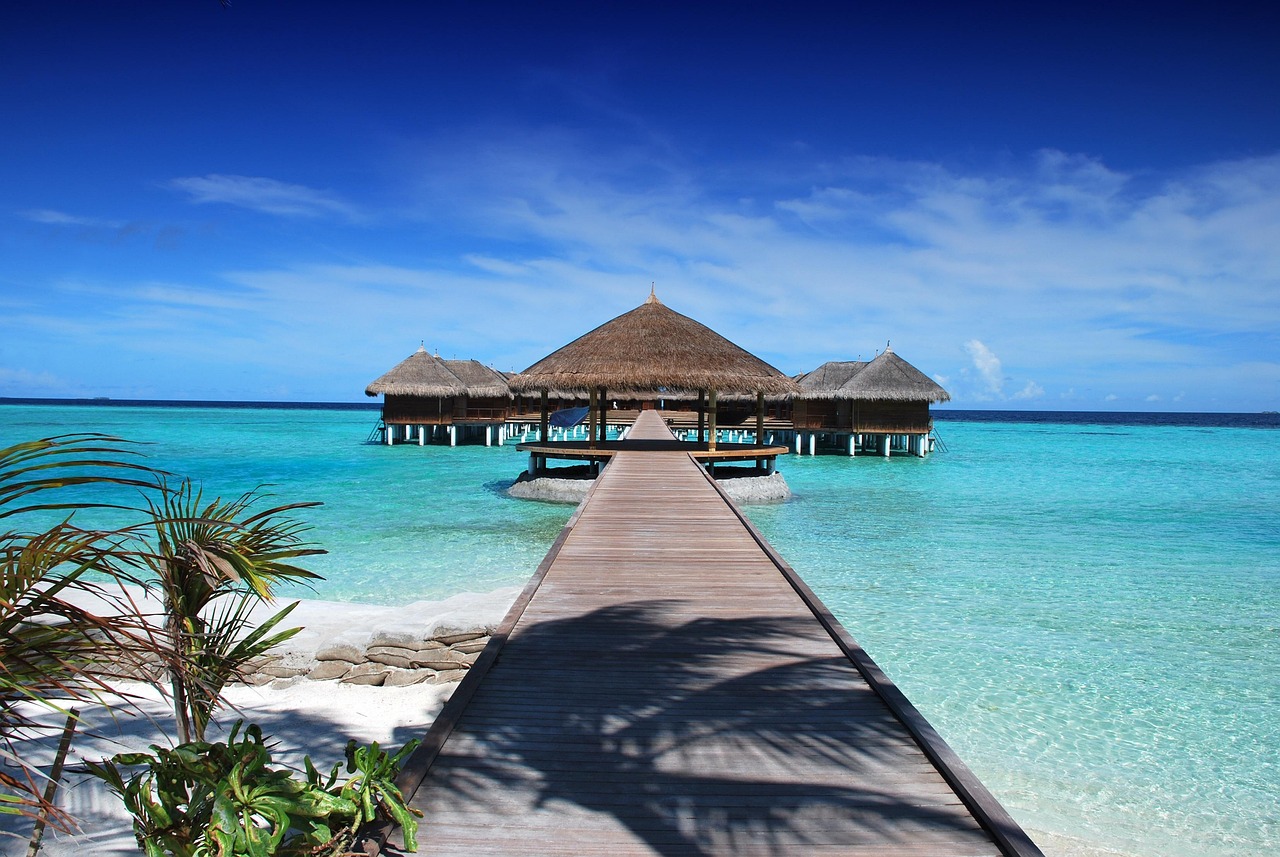
While the desert rewilding takes place in the north, a different kind of restoration is unfolding along the western coast. The Red Sea Project is arguably the world's most ambitious regenerative tourism development. Unlike traditional coastal developments that often destroy mangroves and seagrass beds, the Red Sea Project aims for a "net positive" environmental impact of 30% by 2040.
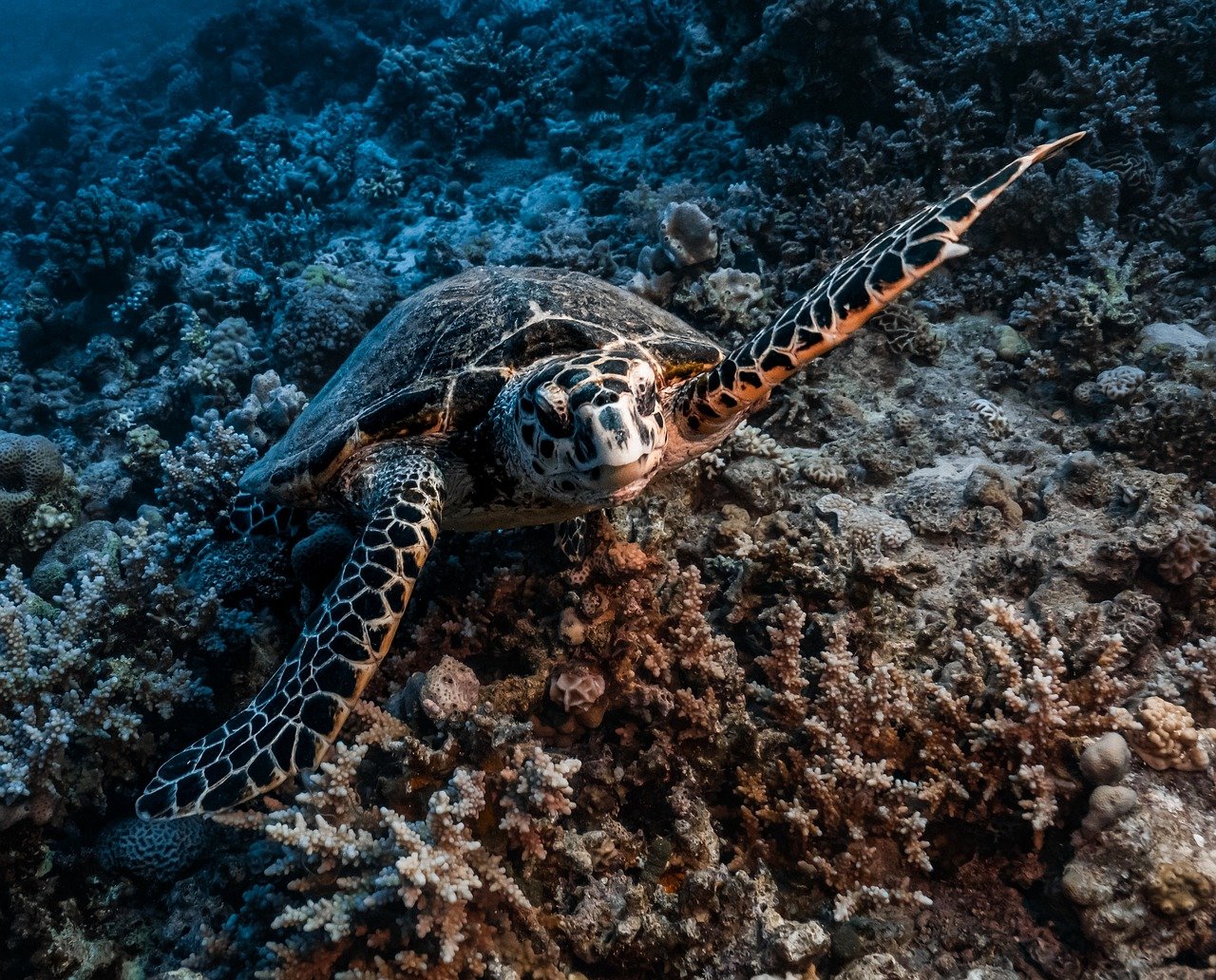
The Marine Sanctuary Strategy The Red Sea is home to over 300 types of coral and at least 16 species of dolphins and whales. To protect these, the development is utilizing several innovative strategies:
- Capped Visitor Capacity: Limiting the number of visitors to 1 million per year to prevent "overtourism" and physical damage to reefs.
- Zero Waste-to-Landfill: All waste generated at the destination is recycled or composted on-site.
- Renewable Energy Powerhouse: The entire destination is powered by 100% renewable energy, including the world’s largest battery storage system.
In AlUla, the focus is on a "single holistic approach" that fuses heritage, culture, and wildlife. The Maraya building—the world’s largest mirrored structure—reflects the surrounding sandstone mountains, literally making the architecture disappear into the landscape. This philosophy extends to the "Living Museum" concept, where ancient archaeological sites are preserved alongside newly restored wetlands that have begun to attract migratory birds for the first time in decades.
Soudah Peaks: Luxury Mountain Tourism and Cloud Forest Conservation
Moving away from the desert and the sea, we find the "Soudah Peaks"—a development situated at 3,015 meters above sea level. This is not the Saudi Arabia most travelers expect. Here, the air is cool, and the peaks are often shrouded in mist, supporting rare cloud forests that are home to the endemic Asir magpie.
The Soudah Development Company is overseeing a 636.5 km² project that prioritizes the restoration of these high-altitude biomes. Their "Soudah Cloud Forest Reserve" commitment includes planting 1 million trees by 2030. This is particularly significant because cloud forests act as natural water towers, capturing moisture from the mist and feeding the valleys below.
The integration of heritage is equally vital here. The restoration of Rijal Almaa, a village known for its distinctive stone and quartz architecture, is being handled with the same ecological sensitivity as the forests. By preserving the human history of the mountains, the project ensures that the local community remains the stewards of the land, providing an authentic cultural experience for visitors that is rooted in environmental respect.

The 2026 Ecotourism Revolution: Regulations and Smart Guides
One of the most critical, yet often overlooked, aspects of this transformation is the legislative framework. In 2026, Saudi Arabia will implement a series of mandatory environmental benchmarks for all beach and coastal operators. This marks a shift from "voluntary sustainability" to "enforced conservation."
These regulations will cover everything from wastewater management to the types of sunscreens allowed on beaches, ensuring that the delicate balance of the Red Sea’s coral reefs is maintained. To support this, the Kingdom is launching a Digital Coastal Tourism Guide. This platform will serve as a "smart guide" for both investors and travelers, streamlining access to safe, sustainable marine experiences while providing real-time data on environmental health.
From an investment standpoint, these regulations build immense confidence. In my years as a travel critic, I have seen many "eco-destinations" fail because they lacked the regulatory teeth to prevent unscrupulous development. Saudi Arabia is building the rules before the masses arrive, creating a regulated, eco-sensitive shoreline that could serve as a blueprint for the rest of the world.
Conclusion: A New Blueprint for Global Conservation
The narrative of Saudi Arabia is changing. It is moving away from being defined solely by what lies beneath the ground (oil) to what is being restored upon it (biodiversity). By leveraging the massive capital generated by luxury tourism, the Kingdom is funding an environmental comeback story of unprecedented scale.
Is it a massive undertaking? Yes. Are there risks? Naturally. But the data-driven approach, the focus on apex predators like the Arabian leopard, and the commitment to a 30% protection target suggest that this is more than just a marketing campaign. It is a fundamental reimagining of how a nation can use tourism as a proactive force for nature.
For the traveler, this means the opportunity to witness a landscape in the process of rebirth. Whether it’s watching the mist roll over the cloud forests of Soudah or diving into the pristine, regulated waters of the Red Sea, the new Saudi Arabian experience is one of participation in a grand ecological experiment.
FAQ
Q: Can I currently see the Arabian leopards in the wild? A: Not yet. The leopards are currently in a captive breeding and habitat restoration phase. However, visitors to AlUla can visit the breeding center and learn about the rewilding efforts through the Sharaan Nature Reserve tours.
Q: How does Saudi Arabia plan to water 10 billion trees in a desert? A: The strategy focuses on planting native, drought-resistant species like acacia and ghaf, which require minimal water once established. Additionally, the Kingdom is investing heavily in treated sewage effluent (TSE) and advanced desalination powered by renewable energy to provide the necessary irrigation during the early growth stages.
Q: Is "Vision 2030" just for luxury travelers? A: While many flagship projects are luxury-oriented, the environmental benefits—such as improved air quality, expanded public parks, and preserved heritage sites—are designed to benefit all residents and a wide range of international visitors.
Plan Your Regenerative Journey
Ready to explore the intersection of ancient history and future conservation? Discover the various nature reserves and sustainable destinations currently open for exploration.