Quick Facts
- The Experience: A three-to-four-day, palawa-owned and operated cultural immersion that combines trekking along the Bay of Fires with traditional storytelling and ancestral rites.
- Location: Mount William National Park (wukalita) and the larapuna (Bay of Fires) coastline in North East Tasmania.
- Cultural Significance: The palawa people have been the custodians of lutruwita (Tasmania) for over 48,000 years, maintaining the world’s oldest continuing cultural practices.
- Accessibility: Moderate fitness is required for coastal walking, but the pace is dictated by the rhythm of "yarning" and observation rather than speed.
The Sands of Larapuna and the Call of lutruwita
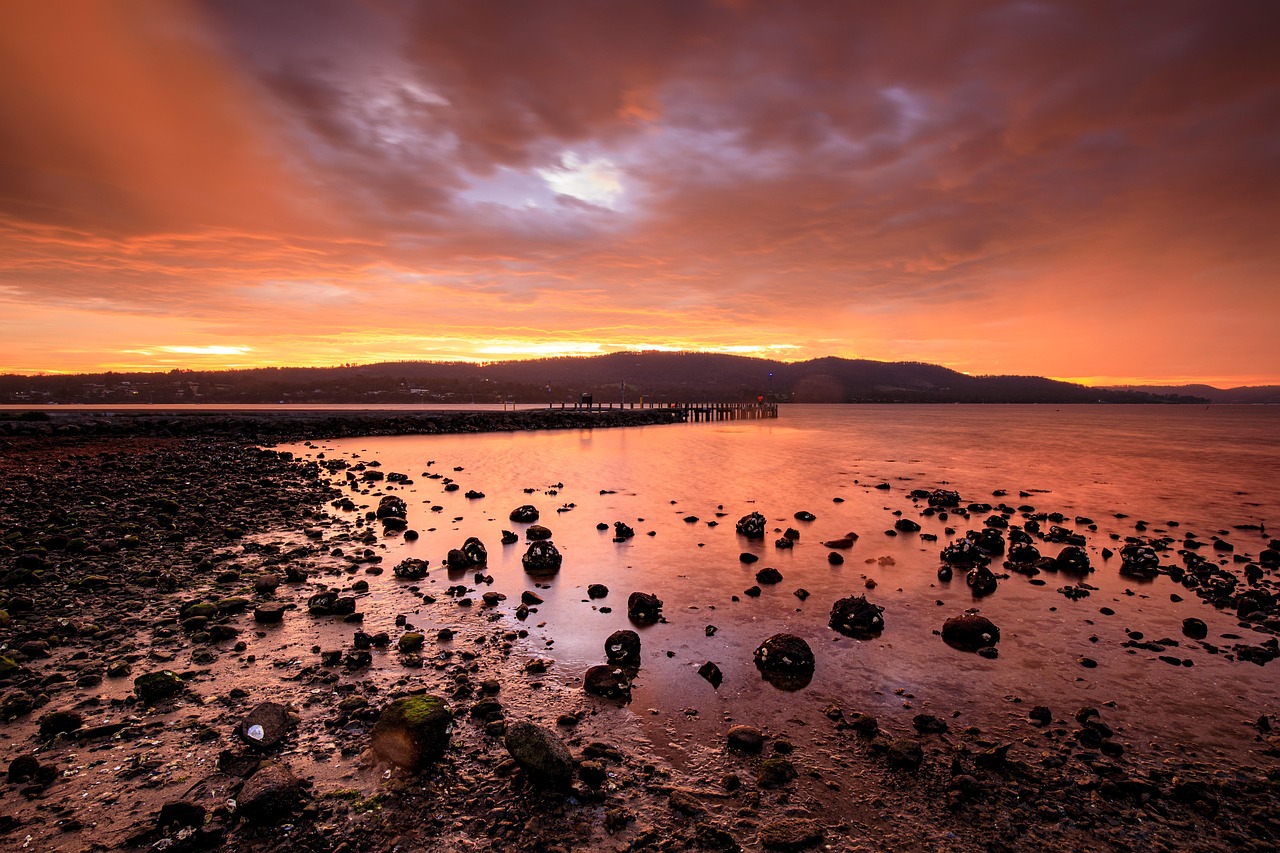
As the sun dips below the horizon in North East Tasmania, the granite boulders of larapuna (the Bay of Fires) begin to glow with an intensity that seems to come from within the stone itself. These rocks, mapped by vivid orange lichen, stand as silent sentinels over a coastline where the turquoise Tasman Sea meets sands so white they crunch like salt underfoot. To the casual traveler, it is a vista of breathtaking natural beauty. To the palawa people, the traditional owners of this land, it is a living map of ancestry, survival, and deep time.
For those seeking more than just a scenic hike, Indigenous-led walking tours in Tasmania offer a profound shift in perspective. To walk here is to step into lutruwita, the ancestral name for Tasmania, and to acknowledge a history that stretches back over 48,000 years. The flagship of this movement is the wukalina Walk, a multi-day journey that is entirely Aboriginal-owned and operated. It is not merely a trek; it is an invitation to walk "on Country" with the descendants of those who have known these tides since the dawn of human memory.
What is the wukalina Walk? At its core, it is a three-to-four-day guided experience in North East Tasmania that bridges the gap between physical adventure and spiritual immersion. By combining coastal trekking with traditional storytelling, bush food foraging, and ancestral rites, it offers a rare opportunity to see the landscape through a lens that has remained unbroken despite the immense pressures of history.
The Heart of the Experience: The wukalina Walk Journey
The journey typically commences at wukalita (Mount William National Park). The terrain is a sensory tapestry: the wind carries the scent of salt and kunzea, while the ground shifts from soft forest floors to the rhythmic crunch of shell-strewn beaches. This is a remote corner of the world, where the hum of modern life is replaced by the call of the yellow-tailed black cockatoo.
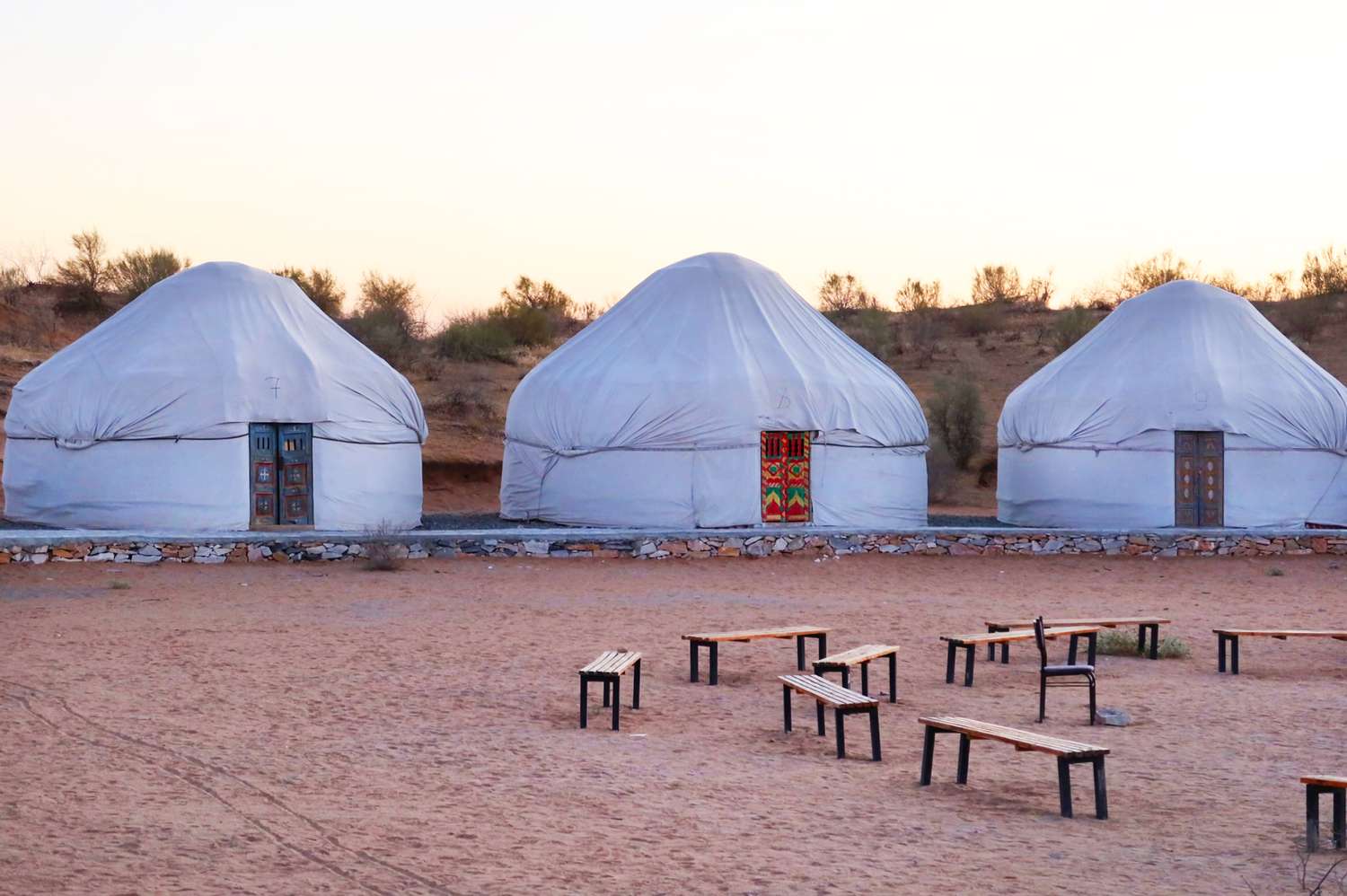
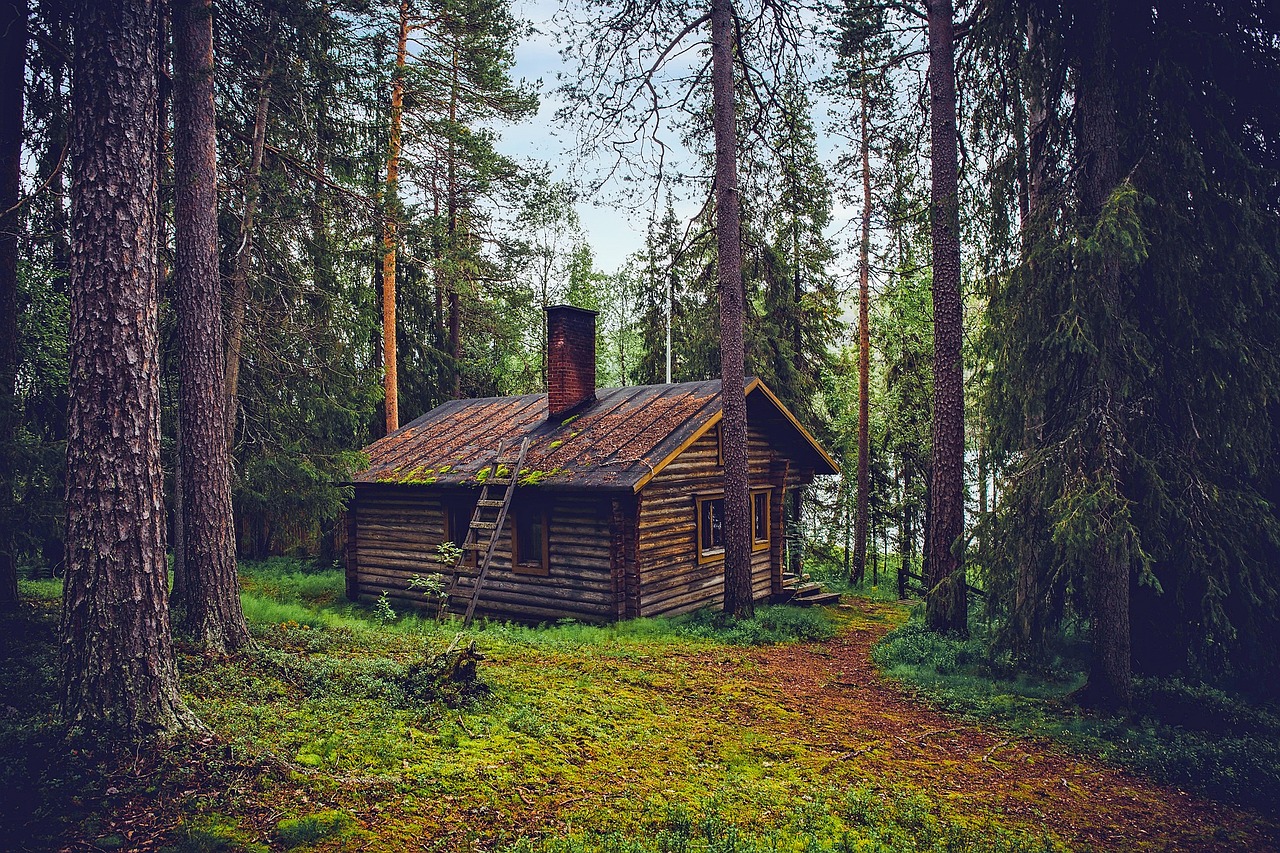
One of the most remarkable aspects of the walk is the accommodation. Far from the standard nylon tents of a typical hike, travelers stay at krakani lumi (resting place). This standing camp is a masterpiece of architectural storytelling. The timber-clad domes are inspired by traditional palawa bark huts, designed to blend into the coastal heathland with zero long-term impact on the environment. Inside, the scent of charred wood and wallaby fur blankets creates an atmosphere of ancient comfort.
The walk covers approximately 17 to 33 kilometers over the course of the itinerary, depending on the chosen route. While the physical requirements are moderate, the focus is never on the destination. Instead, the guides encourage "walking barefoot" on certain stretches of ancestral land—a practice that grounds the hiker and signals respect to the spirits of the ancestors who still reside in the wind and waves.
Cultural Rites: Smoking Ceremonies, Yarning, and Ancient Skills
To travel with palawa guides is to participate in the restoration of a culture. Every morning and evening, the air is thick with the transformative power of ritual. Travelers participate in traditional smoking ceremonies, where the leaves of the black peppermint gum are placed on a fire to create a thick, fragrant smoke. This ceremony is designed to cleanse the spirit and ward off "bad spirits" before entering new territory.
"When we welcome you to Country, we aren't just showing you the way; we are inviting you into our family's story," says Carleeta Thomas, a prominent palawa guide. "The smoke carries our intentions to the old people, letting them know you are here as a friend."
Central to the experience are the "yarning" sessions. Unlike a formal lecture, yarning is a circular, oral tradition where Dreamtime stories, family histories, and ecological knowledge are shared around the fire. It is through these sessions that travelers learn about the palawa’s resilience during the colonial era and their ongoing fight for land rights and cultural recognition.

Beyond the stories, there is the tactile heritage of the land. Travelers are often shown the art of shell necklace stringing. This is recognized as the oldest continuing cultural practice in Tasmania, traditionally performed by women. The iridescent maireener shells are collected from specific beaches, cleaned, and strung into intricate patterns that hold deep genealogical significance.

A Taste of Country: Modern Bush Food & Muttonbirding
For a culture editor, the culinary dimension of the wukalina Walk is perhaps its most evocative element. The palawa view the land as a "nurturer," and the menu reflects a sophisticated understanding of seasonal foraging and sustainable harvest.
Dinner might begin with wallaby carpaccio, seasoned with the sharp, citrusy bite of native pepperberry. This is followed by damper—a traditional bread—infused with the nectar-like scent of banksia. One of the most significant seasonal delicacies is the muttonbird (short-tailed shearwater). The tradition of muttonbirding on Big Dog Island is a cornerstone of palawa identity, a harvest that has sustained the community for millennia.
- Tasmanian Oysters: Freshly gathered from the brine-kissed shores, served with sea succulents.
- Kunzea Tea: A calming brew made from the flowers of the "tick bush," known for its medicinal properties.
- Wallaby & Pepperberry: A lean, rich protein paired with the heat of the Tasmanian wilderness.

The act of eating here is a lesson in sustainability. Guides explain how only what is needed is taken, ensuring that the muttonbird colonies and the kelp forests remain healthy for the next 48,000 years.
Walking Towards Reconciliation: History and Healing
It is impossible to walk through lutruwita without confronting the shadows of its past. The "Black War" and the infamous "Black Line" of 1830—a human chain of settlers designed to drive the Aboriginal population into a small corner of the island—are truths that are woven into the tour.
The guides do not shy away from these difficult histories. Instead, they use the walk as a path toward reconciliation. By sharing the truth of the dispossession, they create a space for healing. The statistics are a stark reminder of the work still to be done: currently, less than 1% of the total landmass of Tasmania has been officially returned to the Aboriginal community. Every booking on an Indigenous-owned tour is a direct contribution to the economic sovereignty of the palawa and their ability to continue managing their ancestral Country.
Beyond wukalina: More palawa-Led Experiences for 2026
As we look toward 2026, the landscape of Tasmanian Aboriginal cultural experiences is expanding. While the wukalina Walk remains the gold standard for multi-day immersion, other tours offer unique insights into different regions of the island.
| Tour Name | Location | Primary Focus | Duration |
|---|---|---|---|
| wukalina Walk | North East (Bay of Fires) | Coastal trekking, yarning, & krakani lumi stay | 3-4 Days |
| tunapri Patuyala | Boat Harbour (North West) | Tidal fish traps, science, & nature | Half Day |
| takara nipaluna | Hobart (nipaluna) | Urban resistance walk & colonial history | 2 Hours |
| kooparoona niara | Cataract Gorge (Launceston) | Cultural stories & native botanical tours | 2-3 Hours |
For those staying in the capital, takara nipaluna is an essential experience. It is a walking tour of Hobart that follows the route taken by Aboriginal resistance fighters in the 1830s. It reclaims the city streets, revealing the layers of Indigenous history hidden beneath the sandstone facades of the colonial buildings.
FAQ: Planning Your 2026 Tasmanian Aboriginal Tour
Where exactly is the wukalina Walk located? The walk takes place within Mount William National Park (wukalita) and the Bay of Fires (larapuna) on the remote northeast coast of Tasmania. Most tours depart from Launceston, where a shuttle takes you to the trailhead.
When is the best time to visit? The walking season typically runs from October to April. For 2026 travelers, February and March offer the most stable weather—warm days and cool nights—perfect for both coastal trekking and evening yarning sessions. This also coincides with various cultural festivals in Tasmania.
Is the walk physically demanding? The walk is rated as moderate. You will be walking on sand, which can be tiring, but the daily distances are manageable (approx. 10-14km per day). The guides ensure a pace that allows for frequent stops to examine plants, tracks, and historical sites.
How can I ensure my visit is ethical? Choosing tours that are 100% Indigenous-owned, like the wukalina Walk, is the best way to ensure your money supports the local community. Always follow your guide's instructions regarding photography and the handling of cultural artifacts or shells.
Conclusion: A Journey That Leaves No Trace, Only Stories
To walk the shores of larapuna is to realize that the land is not a backdrop for our lives; it is a living relative with its own memory and voice. The palawa people have preserved this voice through millennia of silence and struggle, and now, they are inviting the world to listen.
As you finish your journey, perhaps standing on the edge of a granite cliff as the southern lights begin to flicker in the sky, you realize that the wukalina Walk is more than a hike. It is a spiritual reconnection with one of the oldest living cultures on Earth. You leave with no physical trace, but the stories you carry—the scent of the smoking ceremony, the taste of the pepperberry, and the weight of the history—will stay with you long after the Tasmanian dust has been washed from your boots.
For those ready to step onto the path of truth-telling and ancestral beauty, the stones of lutruwita are waiting.