Quick Facts
- The Publication: A 406-page masterpiece by Assouline, featuring 320 curated archival and contemporary images.
- Historical Scope: Spans 150 years, from the birth of the flat-topped trunk to the high-octane world of Formula 1 trophy cases.
- The Birthplace: Every hard-sided piece is born in the Asnières workshop, established by Louis Vuitton himself in 1859.
- Craftsmanship Metric: A single bespoke trophy trunk for the America’s Cup requires over 400 hours of meticulous manual labor.
- Modern Innovation: The Horizon collection integrates 19th-century structural integrity with lightweight aluminum and contemporary security.
The Spirit of Movement: A New Literary Love Letter
There is a specific, resonant thud that a Louis Vuitton trunk makes when it closes—a sound of security, of history, and of a journey about to begin. For those of us who view travel not merely as a logistics exercise but as a poetic endeavor, the trunk has always been the ultimate vessel for our dreams. Assouline’s latest publication, From Louis to Vuitton, captures this essence perfectly, serving as a profound love letter to the very concept of movement.
This isn't merely a coffee table book; it is a 406-page sensory journey. Within its weight, one finds 320 curated images that document a 150-year evolution. The book retraces the brand’s history from the mid-19th century, when Louis Vuitton arrived in Paris as a humble layetier-packeur, to its current status as a global arbiter of luxury. It answers the fundamental question of the brand's identity: From Louis to Vuitton explores how the maison pivoted from being a simple box-maker to a sophisticated "problem-solver" for the elite traveler. Whether it was the invention of the flat-topped, stackable trunk that revolutionized steamship travel or the creation of bespoke cases for Hemingway’s manuscripts, the book illustrates that Louis Vuitton has always designed for the soul of the wanderer.

The Heart of Craftsmanship: The Asnières Workshop
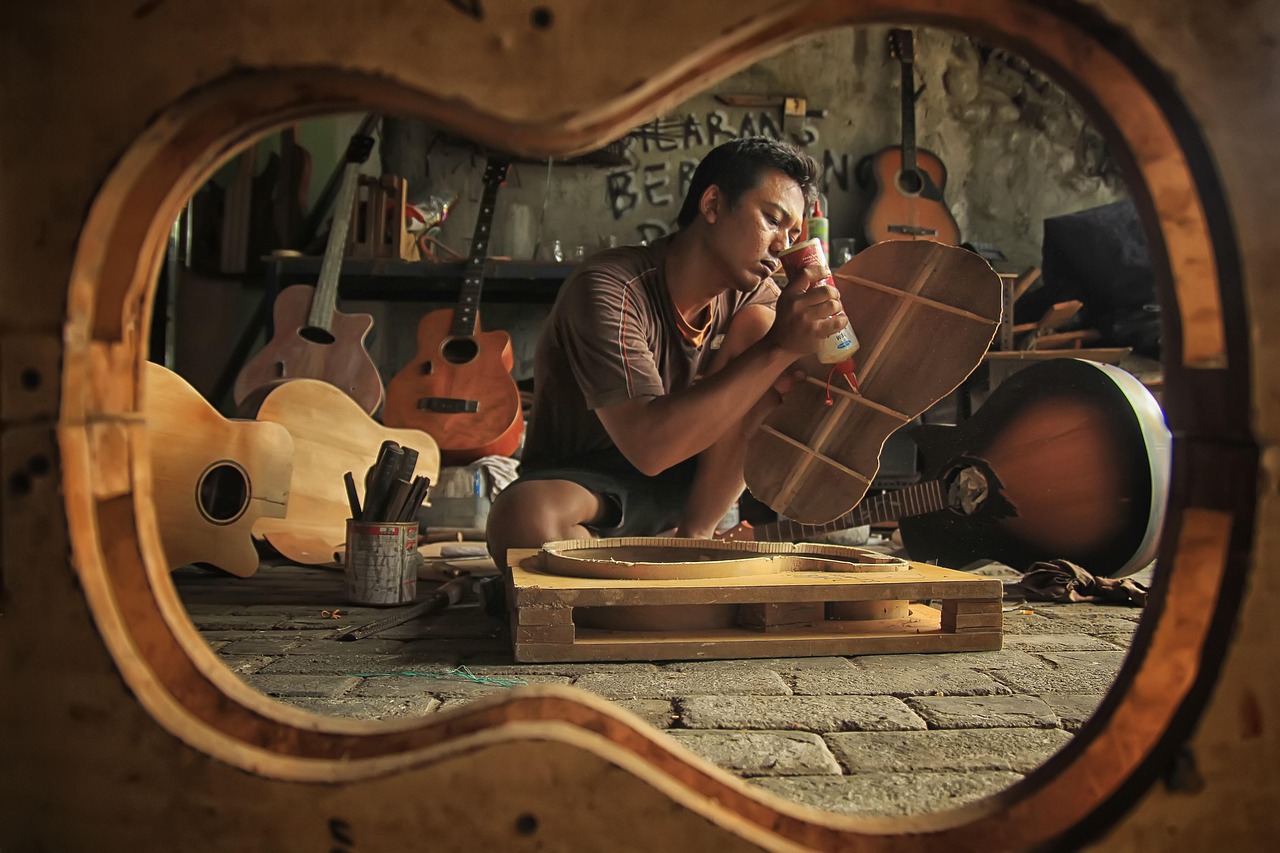
To understand the soul of a Louis Vuitton trunk, one must look toward the north of Paris, to a place called Asnières-sur-Seine. Founded in 1859, this workshop remains the spiritual heart of the brand. It is a place where time seems to slow down, where the scent of seasoned poplar wood and the tactile richness of leathers fill the air.
While the world outside has embraced the frantic pace of mass production, the artisans at Asnières continue to employ techniques that have remained virtually unchanged for over a century. This is where every bespoke trunk and hard-sided case is handcrafted. The process is a symphony of precision: from the hand-applied "lozine" leather trim to the thousands of tiny brass nails driven with rhythmic accuracy.
"At Asnières, the artisan doesn't just build a box; they construct a legacy. Every trunk is a dialogue between the past's rigorous standards and the future's nomadic desires." — Emma Chen
The workshop represents the perfect marriage of 19th-century heritage and modern technological aspiration. While they still use the same slow-dried wood for the frames, they now incorporate carbon fiber or lightweight alloys for custom orders that demand the impossible. It is this unwavering commitment to the "bespoke" that ensures no two stories told by these trunks are ever quite the same.
From Steamships to Racetracks: The Evolution of the Trunk
The history of Louis Vuitton is, in many ways, the history of modern transport. Before Louis Vuitton, trunks typically featured rounded tops to allow rain to run off. However, this made them impossible to stack in the hold of a ship. Louis’s stroke of genius was the flat-topped trunk covered in waterproof Trianon grey canvas. This simple engineering shift allowed luggage to be piled high, forever changing the landscape of long-distance voyages.
As travel evolved from the slow-burning romance of steamships to the adrenaline of the modern era, so too did the trunks. Today, the maison's reach extends to the pinnacle of global sport. The book highlights the staggering level of detail involved in contemporary "trophy trunks." For instance, the case designed for the America’s Cup or Formula 1 is not just a container; it is a masterpiece of engineering.
- Labor Intensity: A single bespoke trophy trunk requires over 400 hours of manual labor.
- Materiality: The use of signature Monogram Macassar or Damier Graphite canvas, reinforced with hand-polished brass corners.
- The Hemingway Legacy: The book revisits the legendary Library Trunk, a bespoke creation that allowed the author to carry his favorite volumes across the globe.
Engineering Modern Luxury: The Horizon Collection
While the heritage trunks offer a nostalgic nod to the golden age of travel, the modern traveler requires something that can navigate the marble floors of a private jet terminal with the same grace as a 19th-century carriage. This is where the Horizon Collection, designed in collaboration with Marc Newson, enters the narrative.
The Horizon cases are a masterclass in how 19th-century design principles—durability, lightness, and volume—translate to the 21st century. By moving the telescopic handle to the outside of the case, Vuitton maximized interior space, a move reminiscent of Louis’s original focus on utility.
| Feature | Heritage Trunk (19th Century) | Horizon Collection (Modern) |
|---|---|---|
| Frame Material | Solid Poplar Wood | Lightweight Aluminum / Carbon Fiber |
| Exterior | Trianon or Monogram Canvas | Coated Canvas / Mesh Composites |
| Hardware | Hand-forged Brass Locks | Double-zip Security / TSA Locks |
| Mobility | Carried by porters | 360-degree silent wheels |
Modern LV luggage hasn't abandoned its roots; it has merely shed its weight. The reinforced structural strength that once protected gowns on the Orient Express now protects delicate electronics and haute couture on a cross-continental flight. With double-zip security and aluminum-reinforced corners, the Horizon collection is the engineering heir to the Asnières legacy.

Investing in Heritage: Why 'From Louis to Vuitton' is a Collector's Essential
For the true connoisseur, this Assouline tome is more than a book; it is an object of art in its own right. Available in various editions, including limited versions presented in luxury slipcases, it serves as a visual encyclopedia of the brand’s enduring value.
In an era of "fast fashion" and disposable goods, Louis Vuitton stands as a bastion of the permanent. The book meticulously documents why the brand's signature coated canvas and brass reinforcements are not just stylistic choices, but investments in longevity. These are pieces designed to be handed down through generations, acquiring a patina of memories and stories with every mile traveled.
As you flip through the pages of From Louis to Vuitton, you aren't just looking at luggage; you are looking at the evolution of human curiosity. It is an invitation to dream, to pack a bag, and to remember that the most beautiful part of any journey is the elegance with which we undertake it.

FAQ
Where can I purchase the 'From Louis to Vuitton' book? The book is available through Assouline's official website, Louis Vuitton boutiques worldwide, and select high-end bookstores. It is often released in several editions, including a classic Silk Color silk-bound version and a more exclusive Ultimate Edition.
Can I still order a custom bespoke trunk from the Asnières workshop? Yes, the Asnières workshop continues to accept "Special Orders." Clients can work with the maison to design a trunk tailored to their specific needs—whether it’s for a watch collection, a set of champagne flutes, or even a portable vanity.
What makes Louis Vuitton canvas so durable for modern travel? The canvas is a specialized PVC-coated cotton, which makes it exceptionally resistant to water, scratches, and the general wear and tear of modern transit. This durability is why vintage trunks from the early 1900s are often found in remarkably good condition today.