Quick Facts
- Global Winner: Kyoto, Japan, has been crowned the best food city in the world for 2024, celebrated for its refined Kaiseki traditions and peerless tofu.
- The Podium: The top three culinary destinations are Kyoto (Japan), Montreal (Canada), and Vancouver (Canada).
- The Data: These rankings are the result of 757,109 individual votes cast during the 38th annual Readers’ Choice Awards.
- Michelin Dominance: While Tokyo holds the world record for the most Michelin-starred restaurants, it landed at #4 in the overall traveler-voted rankings.
- Top Signature Dish: Kyoto’s Yudofu (tofu hot pot) is cited as a must-try experience, driven by the city’s unique mineral-rich water sources.
Introduction: The Voice of 750,000 Travelers
When it comes to deciding where to fly for your next great meal, personal anecdotes are often more powerful than professional reviews. This year, the verdict is in, and it is backed by a massive data set that leaves little room for doubt. In the 38th annual Readers’ Choice Awards, a staggering 757,109 travelers cast their votes to determine the world’s most exceptional culinary landscapes. This isn't just a list of expensive restaurants; it is a reflection of the "best food cities in the world 2024," capturing where global foodies are finding the most soul-satisfying, innovative, and culturally rich dining experiences.
The results reveal a fascinating shift in global preferences. While traditional European stalwarts like Paris and Rome remain beloved, the 2024 rankings highlight a profound appreciation for Asian precision and North American diversity. Standing at the very top of the podium is a city that balances ancient ritual with seasonal perfection: Kyoto, Japan.
1. Why Kyoto Reigns Supreme: The Art of Zen and Kaiseki
Kyoto’s victory as the "Kyoto best place to eat" is no accident of geography, though its geography plays a vital role. Beneath Kyoto’s stately atmosphere lies a culinary philosophy that prioritizes the purity of the ingredient over the ego of the chef. The city is the birthplace of Kaiseki, a refined multi-course meal that originated from the simple offerings served during Buddhist tea ceremonies. Today, Kaiseki represents the pinnacle of Japanese haute cuisine, where every dish—from a single slice of seasonal sashimi to a simmered root vegetable—is a work of art reflecting the current micro-season.
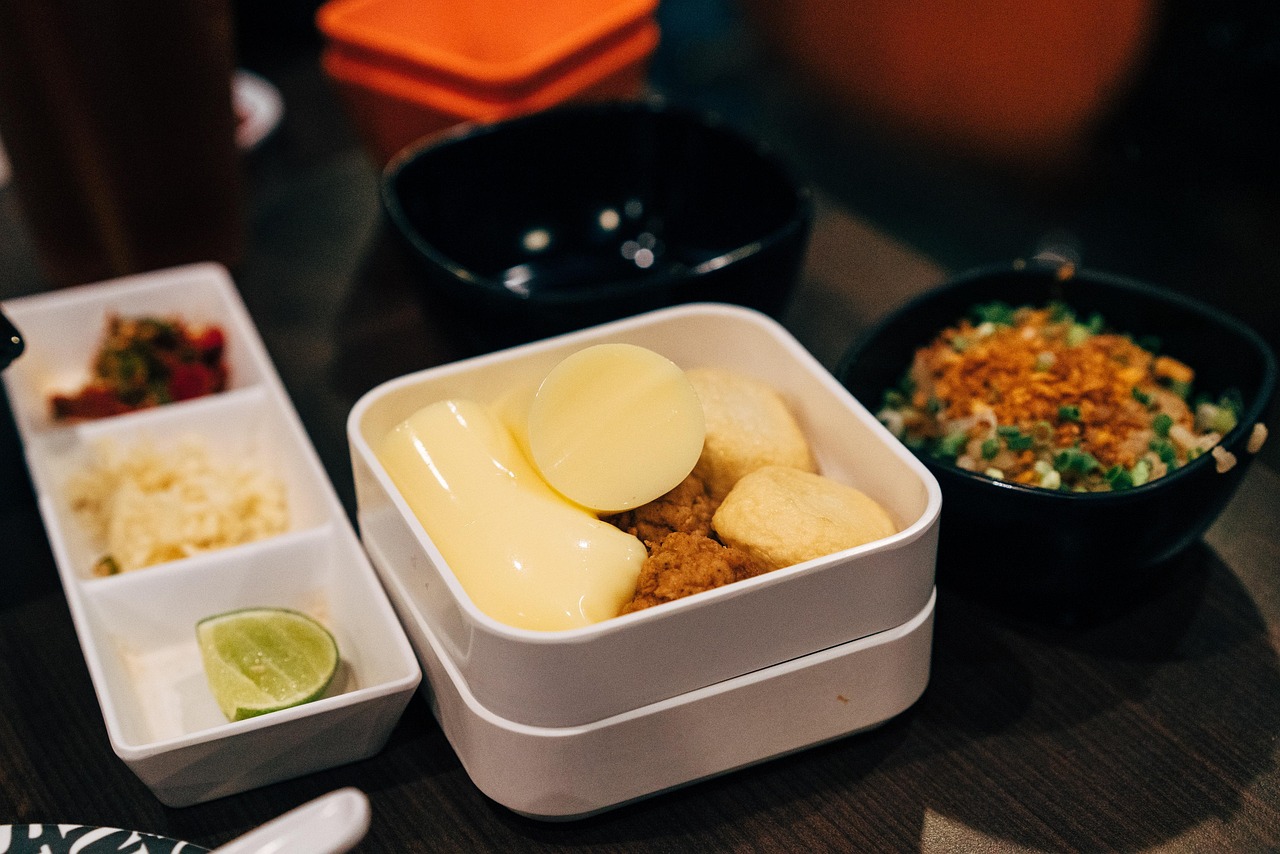
However, Kyoto’s true "kingpin" ingredient isn't Wagyu beef or rare seafood; it is tofu. The city’s proximity to the surrounding mountains provides an endless supply of soft, mineral-rich freshwater. This water is the secret behind Kyoto's legendary Yudofu (tofu hot pot) and Yuba (tofu skin), which possess a creamy texture and subtle sweetness that can rarely be replicated elsewhere.
The Essential Kyoto Checklist:
- The Masterclass: Book a table at the three-Michelin-starred Kikunoi, where Chef Yoshihiro Murata serves a serene Kaiseki experience overlooking a private garden.
- The Simple Pleasure: Visit the Arashiyama district for a traditional tofu lunch at Shigetsu, located within the Tenryu-ji temple grounds.
- Must-Try Dishes:
- Yudofu: Silken tofu simmered in kombu dashi.
- Nishin Soba: Buckwheat noodles topped with sweet-stewed dried herring.
- Matcha Tiramisu: A modern fusion dessert found in the cafes of Gion.
2. The Global Podium: Montreal and Vancouver
Securing the second and third spots are two Canadian powerhouses that prove North America is far more than just a land of fast food.
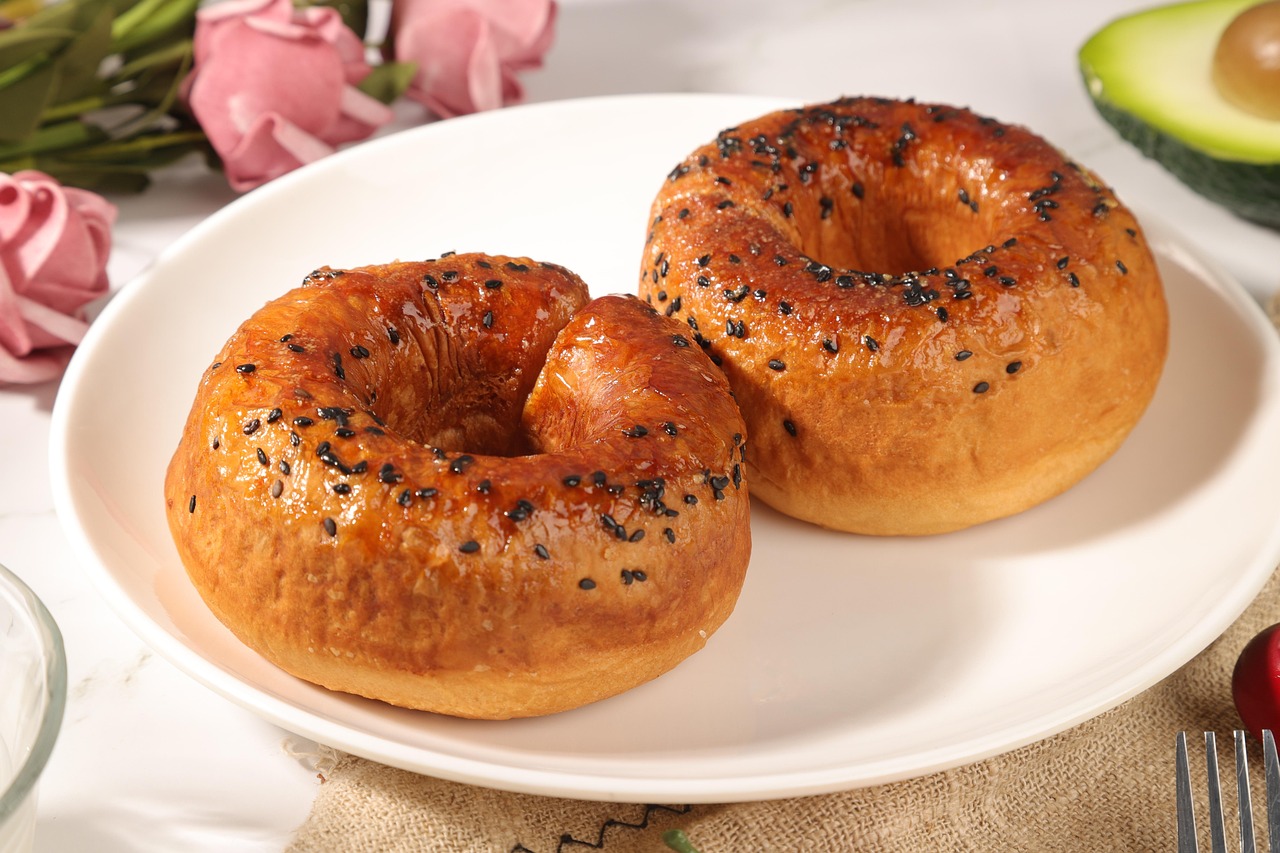
Montreal (#2) is an uninhibited melting pot where the old-world charm of French bistros meets a gritty, creative energy. The city is famous for its "Bagel Rivalry," a friendly but fierce debate between Fairmount and St-Viateur. Unlike their New York counterparts, Montreal bagels are boiled in honey-infused water before being baked in wood-fired ovens, resulting in a smaller, denser, and sweeter crumb. Beyond the dough, Montreal excels in its Vietnamese and Haitian enclaves, offering spicy feasts that reflect the city's diverse immigrant history.
Vancouver (#3) takes the bronze medal, largely due to its reputation for having the best East Asian cooking outside of Asia. The city’s position on the Pacific Rim allows for an incredible bounty of seafood, particularly Pacific salmon and spot prawns. Vancouver's food scene is also defined by its gourmet food truck culture—most notably Japadog, which serves hot dogs topped with seaweed, teriyaki sauce, and kurobuta pork.
3. The Top 15 Culinary Powerhouses of 2024
To help you plan your next gastronomic pilgrimage, we’ve synthesized the data from the Readers’ Choice Awards into a comparison of the top five global leaders.
Top 5 Food Cities Snapshot
| Rank | City | Signature Dish | Average Meal Cost (Mid-range) | Unique Selling Point |
|---|---|---|---|---|
| 1 | Kyoto, Japan | Yudofu (Tofu Hot Pot) | $40 - $120 | Mastery of seasonal Kaiseki |
| 2 | Montreal, Canada | Wood-fired Bagels | $25 - $60 | French-fusion & Jewish heritage |
| 3 | Vancouver, Canada | Pacific Spot Prawns | $30 - $75 | High-end East Asian cuisine |
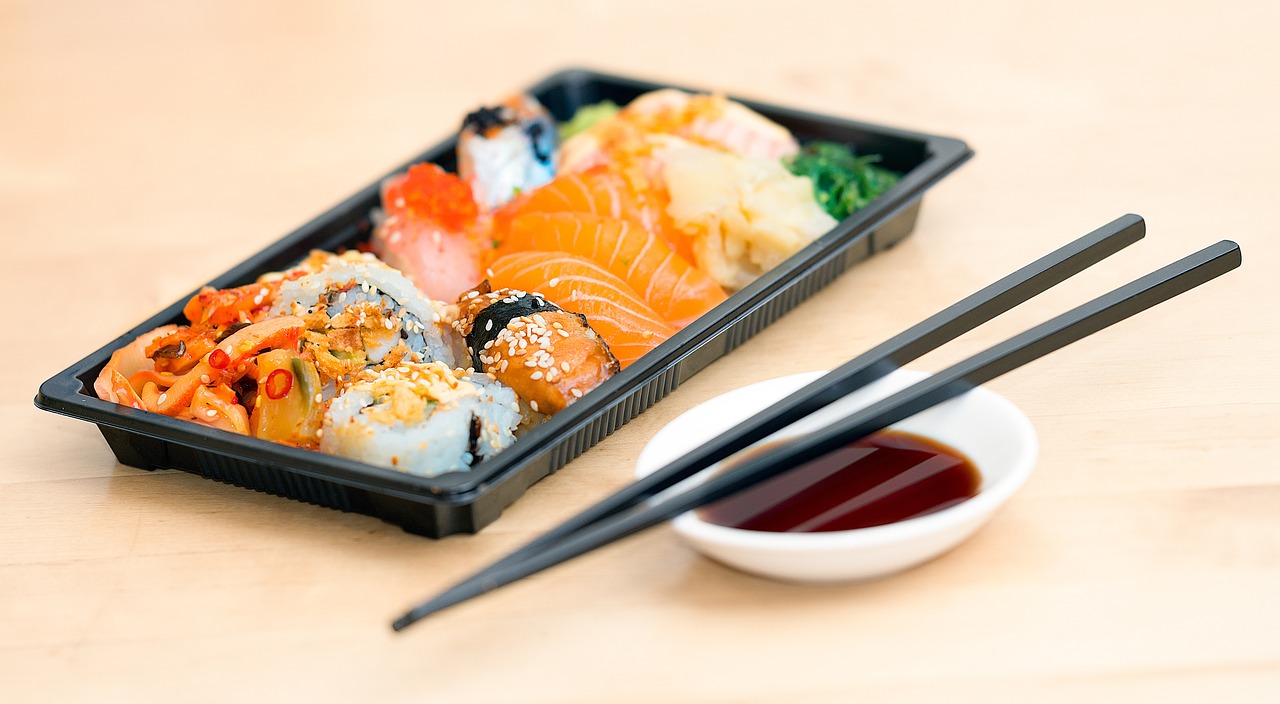
| 4 | Tokyo, Japan | Edomae Sushi | $50 - $200 | Most Michelin stars globally |
| 5 | Florence, Italy | Bistecca alla Fiorentina | $45 - $90 | The soul of 'Cucina Povera' |
Regional Highlights from the Top 15
While the podium is dominated by Japan and Canada, the full list of "top culinary destinations in Asia" and beyond offers a treasure trove for foodies.
Tokyo (#4): The Perfectionist’s Playground Tokyo remains a global record-holder with more Michelin stars than any other city. For those who want the freshest fish on earth, the legacy of the Tsukiji Outer Market remains the place to be for a 6:00 AM sushi breakfast. It is a city where even a bowl of 7-Eleven ramen is surprisingly high quality.
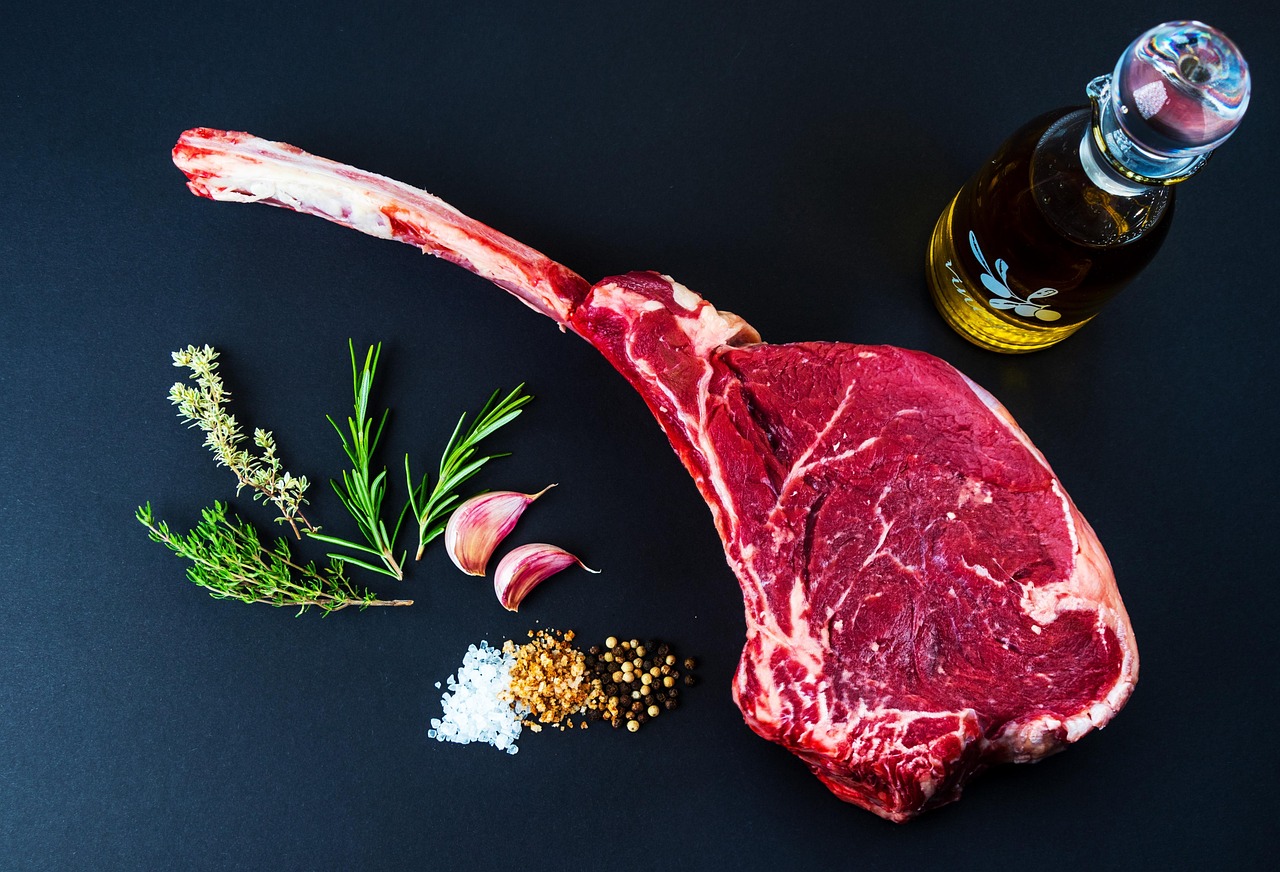
Florence (#5): The Meat-Lover’s Mecca Florence is the heart of Tuscany and the home of Cucina Povera (peasant cooking). The city’s identity is tied to the Bistecca alla Fiorentina—a massive, thick-cut T-bone steak grilled over charcoal and served rare.
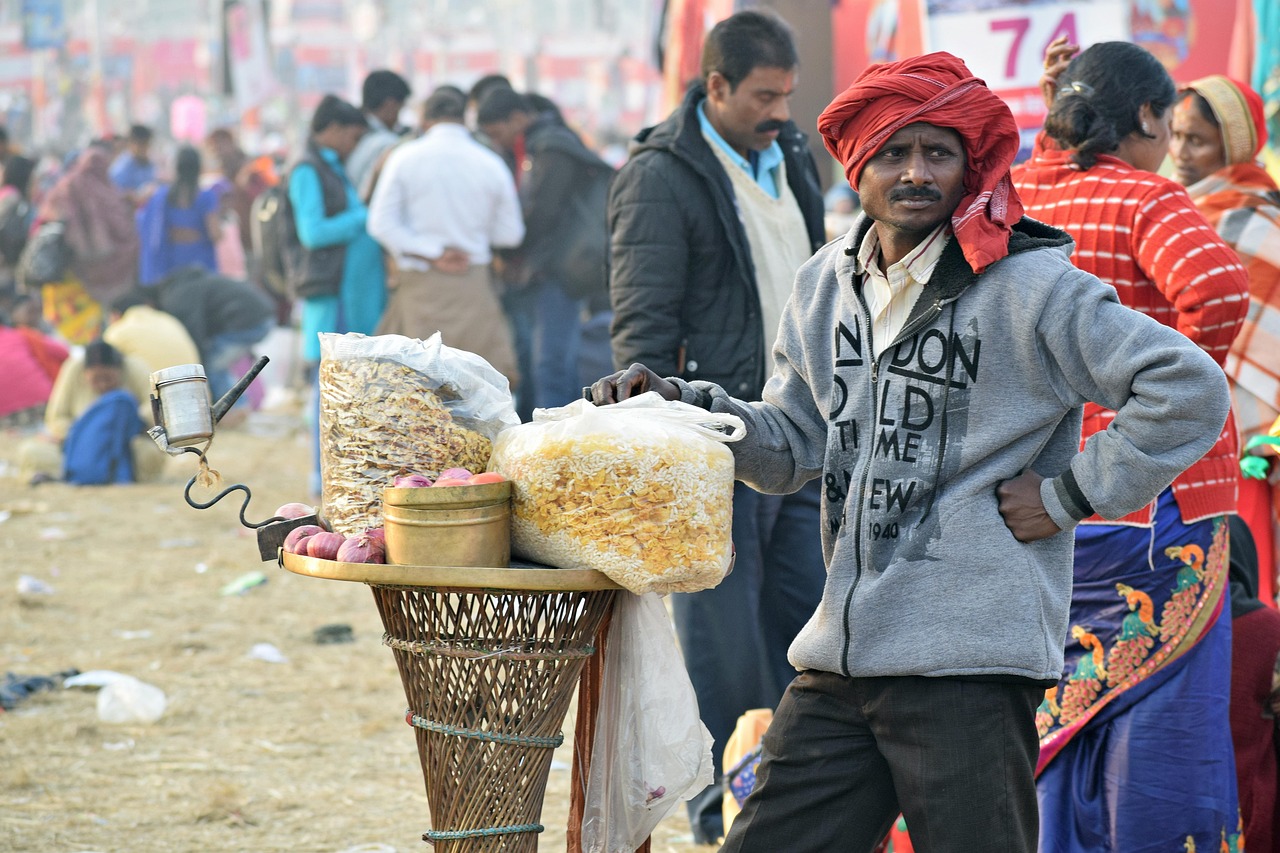
Singapore (#7): The Hawker Culture Singapore’s hawker centers are a masterclass in efficiency and flavor. Here, you can find Michelin-starred meals, such as the famous soy sauce chicken or the minced meat noodles at Hill Street Tai Hwa, for under $5. It is perhaps the most democratic food city in the world.
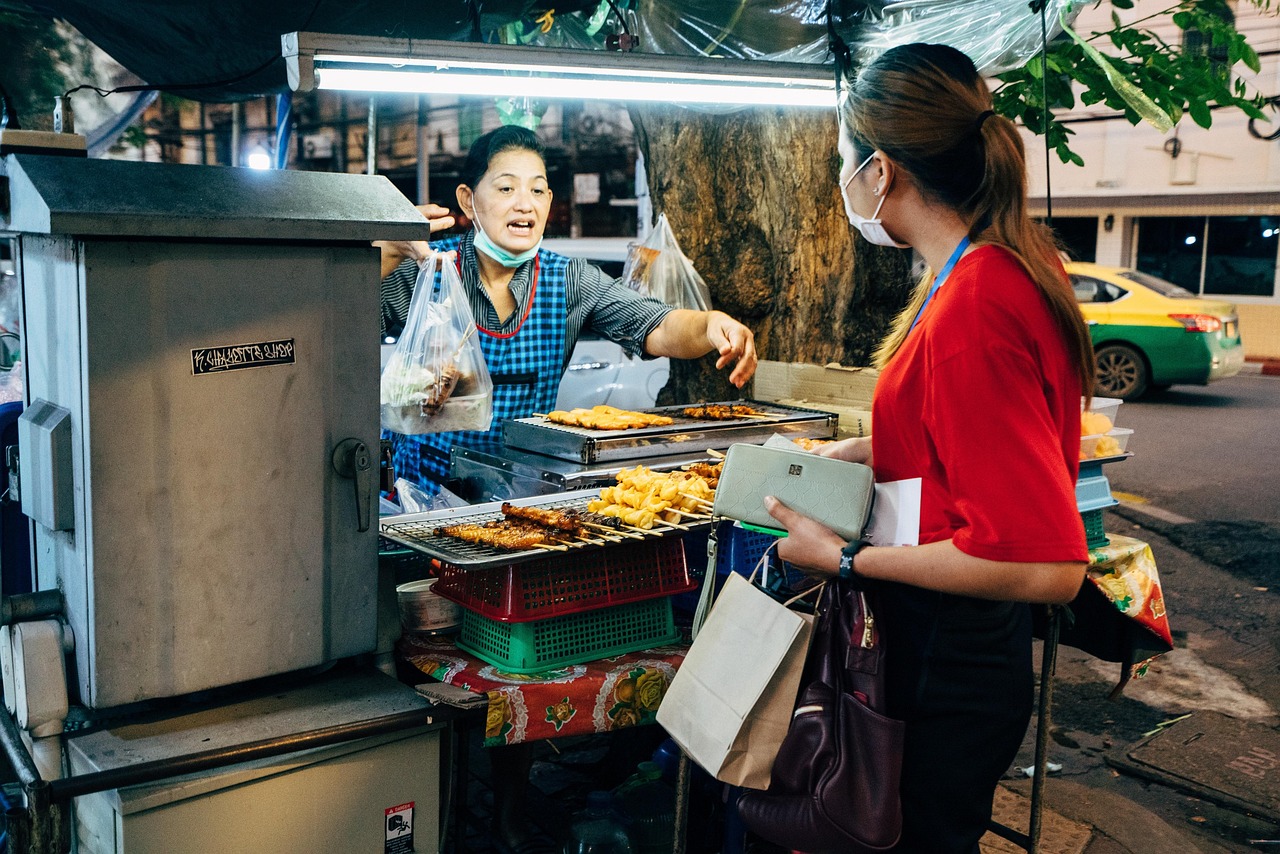
Bangkok (#13): Electric Energy With over 500,000 street vendors, Bangkok is an assault on the senses in the best way possible. From the legendary crab omelets of Jay Fai to the spicy papaya salads of the night markets, the city offers an electric energy that never sleeps.
4. Street Food Safety and Budgeting: A 2024 Travel Guide
Eating your way through the world’s best food cities requires more than just an appetite; it requires a bit of strategy. As travelers venture into the vibrant street food scenes of Mumbai, Hanoi, or Bangkok, safety and budgeting become paramount.
The "Busy Stall Rule": The simplest way to gauge the safety of a street food vendor is to look at the crowd. A long line of locals indicates two things: the food is delicious, and the turnover is high. High turnover ensures that ingredients are fresh and haven't been sitting out in the heat.
2024 Budgeting Breakdown
- Ultra-Budget ($5–$15/day): Focus on cities like Mumbai, Hanoi, and Mexico City. You can eat incredibly well by sticking to street stalls and local markets.
- Moderate ($30–$60/day): Cities like Montreal, Tel Aviv, and Singapore (if you stick to hawker centers). This allows for one "sit-down" meal and several local snacks.
- Premium ($100+/day): Necessary for Tokyo, Kyoto, and Paris if you plan on experiencing Michelin-starred dining or extensive multi-course menus.
To ensure your culinary adventure stays on track, we recommend using a reliable travel tool to manage your bookings and local connectivity.
Download the Global Foodie Travel App →
5. Navigating the Language of Food
One of the greatest barriers to authentic dining is the language. In cities like Kyoto or Bangkok, the most authentic "hole-in-the-wall" spots may not have English menus.
- Use Translation Apps: Google Lens allows you to point your camera at a menu and see a live translation. This is a game-changer for Kanji or Thai script.
- The Pointing Method: Don’t be afraid to point at what someone else is eating if it looks good. In most food cultures, this is seen as a compliment to the food.
- Learn Basic Terms: Knowing the words for "spicy," "no meat," or "thank you" goes a long way in establishing a rapport with local vendors.
FAQ
Why was Kyoto voted #1 over Tokyo? While Tokyo has more Michelin stars, readers often favor Kyoto for its unique cultural atmosphere and the specific mastery of traditional styles like Kaiseki and Zen-influenced vegetarian cuisine. Kyoto offers a more serene and historically immersive dining experience.
What is the best time of year to visit these food cities? For Kyoto, spring (cherry blossom season) and autumn (maple leaf season) offer the best seasonal ingredients. For Vancouver and Montreal, the summer months provide access to the freshest produce and seafood without the harsh Canadian winter.
Is street food safe for international travelers? Generally, yes, if you follow common-sense rules. Look for vendors with high turnover, watch how they handle money versus food, and stick to bottled water in regions where tap water is not potable.
Ready to Taste the World?
The "world's best cities for foodies" are waiting to be explored. Whether you are seeking the silent elegance of a Kyoto tea house or the frantic energy of a Bangkok market, 2024 is the year to let your taste buds lead the way.
Start planning your culinary tour today and discover why these cities earned the votes of nearly a million travelers.