Quick Facts
- The Golden Rule: Never let your passport leave your physical person during transit.
- Gate-Check Risk: Approximately 5% of incidents are attributed to theft when bags are mishandled; gate-checking separates you from documents before you reach immigration.
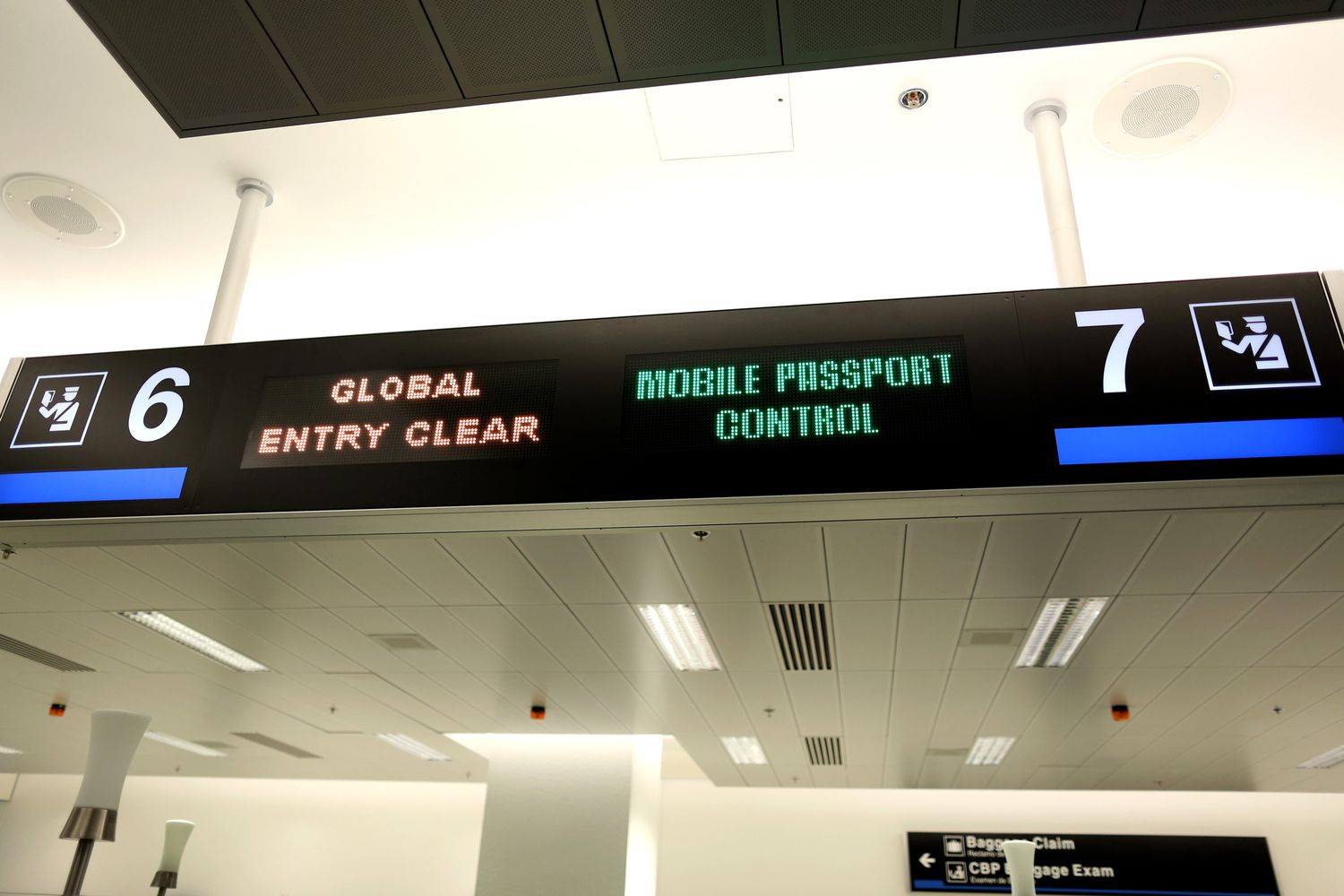
- Arrival Logistics: Major international hubs require you to clear immigration control before you are permitted to reach the baggage claim area.
- Top Storage Method: Use a dedicated passport storage bag or a slim neck pouch worn securely under your primary clothing layers.
- Stat to Know: Every year, more than 300,000 American passports are reported lost or stolen.
- The Luggage Reality: In 2023, the global rate of mishandled baggage reached 6.9 bags per 1,000 passengers.
Proper passport storage involves keeping your documents in a personal item or on your body rather than a carry-on bag, as unexpected gate-checking can leave you stranded at immigration control without identification. If your suitcase is moved to the cargo hold, you lose the ability to prove your identity at the first checkpoint of your destination.
The Gate-Check Trap: Why Your Carry-On Isn't Safe
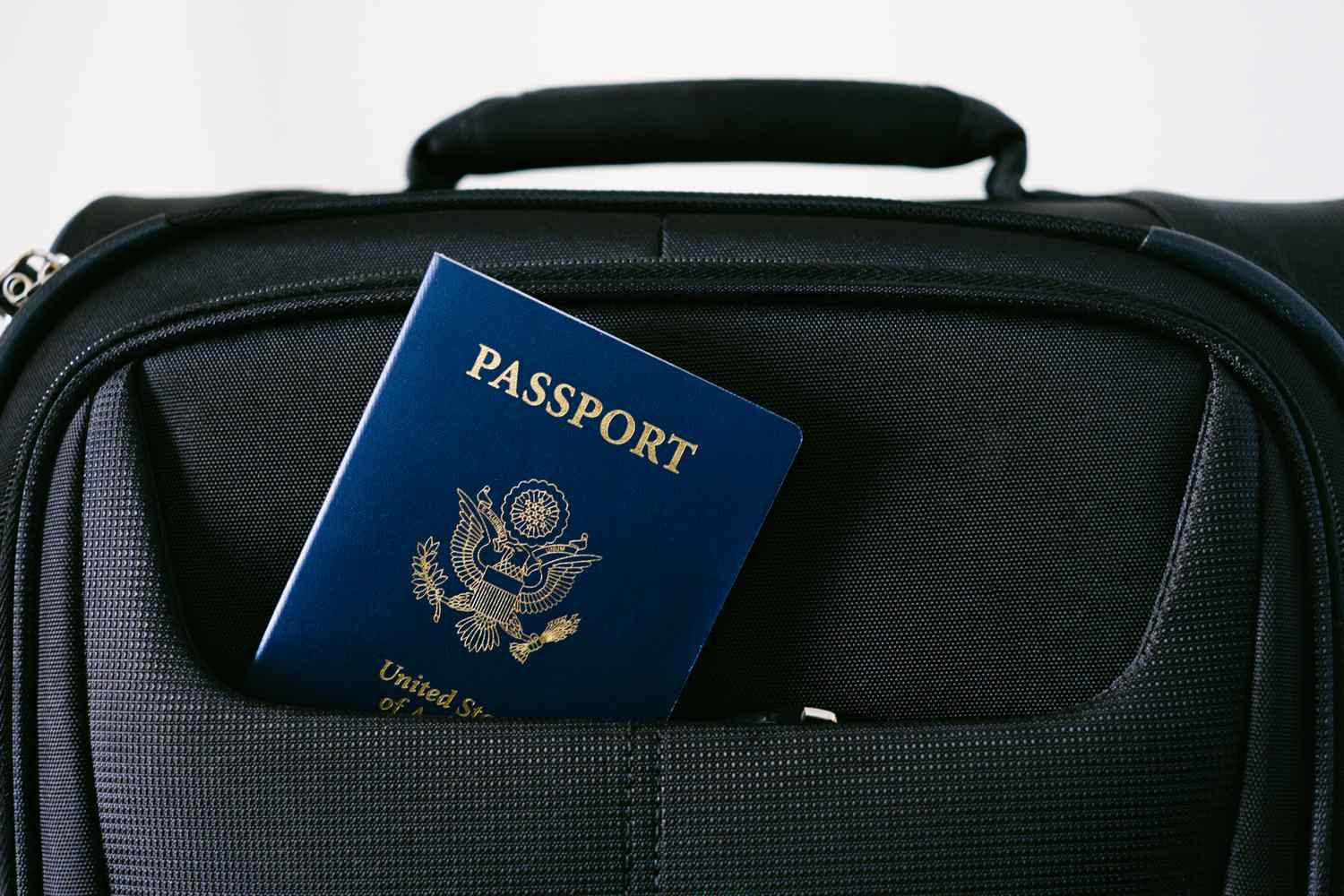
In the current era of aviation, overhead bin space is a dwindling commodity. Airlines are increasingly enforcing mandatory gate-checking for larger carry-on bags as flights reach capacity. While this might seem like a mere inconvenience for your change of clothes, it becomes a legal catastrophe if your passport is inside that bag. Once that suitcase is tagged and sent to the cargo hold, it is effectively gone until you reach the luggage carousel at your final destination.
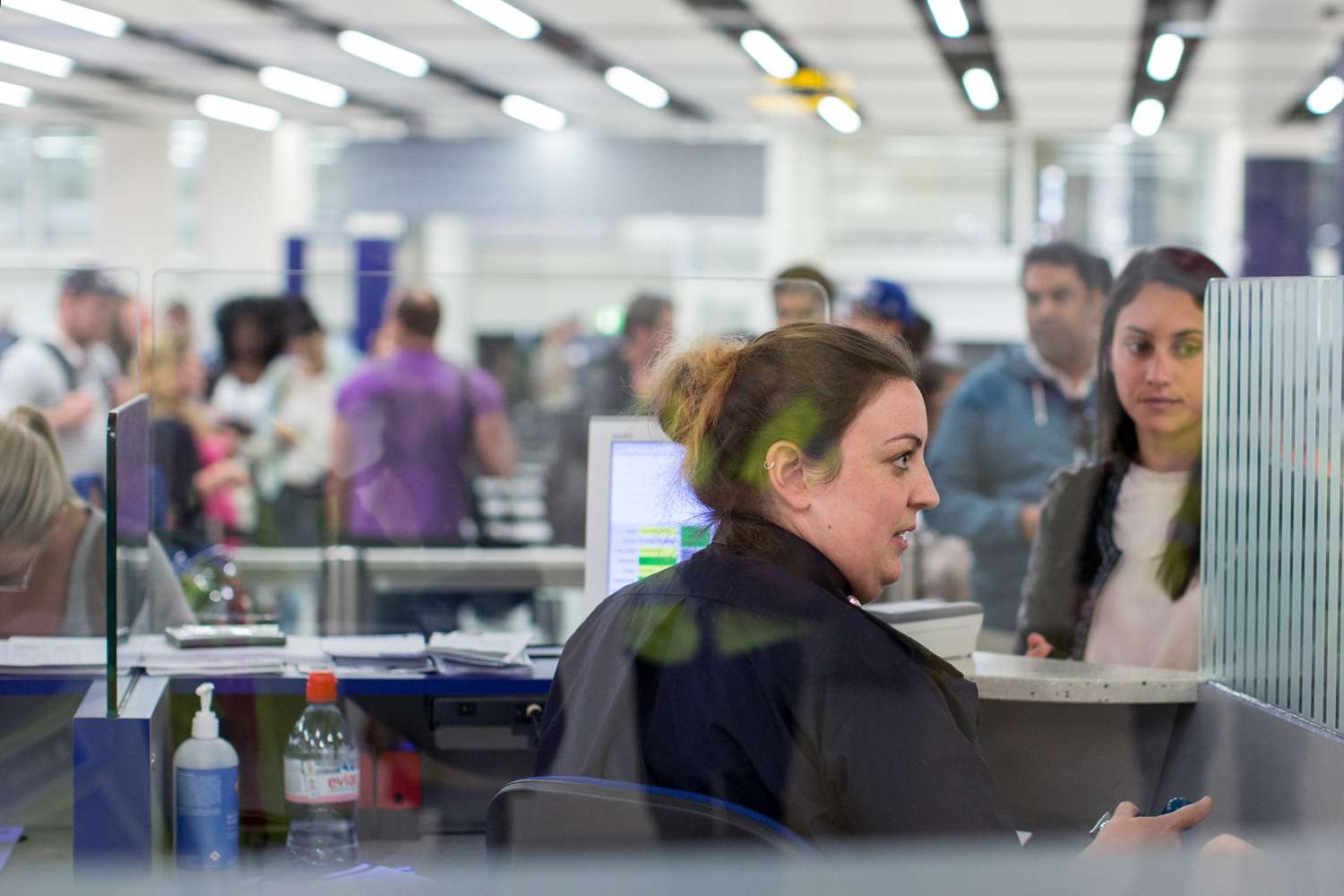
The fundamental issue lies in arrival logistics. At almost every international airport, the sequence is non-negotiable: you exit the plane and proceed directly to immigration control. You cannot access the baggage claim area until an officer has cleared your entry. If your documentation is in a bag that was gate-checked, you have no way to reach it. This creates a bureaucratic loop that often ends in entry denial or, at the very least, a grueling multi-hour ordeal with airport security and customs clearance agents trying to verify your status.
Furthermore, the risk of loss is real. While the majority of baggage issues are related to delays, the high rate of mishandled luggage means there is a statistically significant chance your bag—and your only legal ticket home—could end up in a different city or country entirely.
In-Flight Risks: Theft and Overhead Ambiguity
Even if you successfully keep your bag in the cabin, storing your passport in the overhead compartment introduces avoidable risks. On long-haul flights, passengers often fall asleep or move around the cabin, leaving their bags unattended rows away from their actual seat. This distance makes it nearly impossible to monitor your belongings. Incidents of in-flight theft are an increasingly reported trend, where organized thieves target overhead bins during the "dark" hours of a flight when most of the cabin is resting.
There is also the simple factor of human error. In the rush to deplane, travelers occasionally forget their carry-on luggage or grab a bag that looks identical to theirs. If your passport is inside, you have just lost your most valuable asset. Utilizing personal item stowage—keeping a small bag or organizer under the seat in front of you—is a significantly more secure approach. By choosing a personal item over the overhead bin, you maintain physical proximity to your documents at all times, including during takeoff and landing.
Pro-Tip: Always treat your passport like cash. You wouldn't leave $5,000 in an overhead bin five rows behind you; don't do it with the document that costs thousands of dollars and weeks of time to replace.
Tactical Gear: Choosing the Right Passport Storage Bag
To mitigate these risks, seasoned travelers rely on specific gear designed for travel document safety. A high-quality passport storage bag serves as a central hub for your most sensitive items, including visas, boarding passes, and vaccination records. When selecting an organizer, look for materials like waterproof nylon or Tyvek to protect against spills or rain.
For travelers who want the highest level of security, hidden passport storage for anti-theft is the gold standard. Products like a neck pouch or a flat money belt worn under a shirt are nearly impossible for pickpockets to access. If you prefer more accessibility, a cross-body travel document organizer with rfid blocking is an excellent alternative. RFID protection ensures that your digital data cannot be skimmed by electronic thieves in crowded airport terminals.
For those managing secure passport storage for family travel, a larger zip-around organizer is often necessary. However, the rule remains: this organizer must stay in a personal item that never leaves your hand or your lap. When comparing your options, prioritize a passport storage bag with rfid blocking that has dedicated slots for each family member's document to avoid fumbling at the gate.
Storage Comparison: On-Body vs. Carry-On
| Feature | On-Body / Personal Item | Carry-On Bag (Overhead) |
|---|---|---|
| Gate-Check Risk | Zero - stays with you | High - often forced to check |
| Accessibility | Instant at all times | Difficult during flight/boarding |
| Theft Protection | High - within reach or sight | Low - remote from seat |
| Arrival Logistics | Seamless immigration entry | Risk of being stuck before baggage |
| Physical Safety | Protected from bin shifts | Risk of crushing or spills |
Expert Protocol: The Three-Tier Backup Strategy
Protecting your identity requires a layered defense. Beyond finding a safe way to carry passport in airport environments, you must have a plan for when things go wrong. I recommend a three-tier approach to ensure you are never truly stranded.
- Primary Storage: Keep your physical passport in a neck pouch or a secure personal item stowage area that stays with you.
- Secondary Storage: Maintain a high-resolution photocopy of your passport and visas in a separate piece of luggage (like your checked bag). This significantly speeds up the replacement passport process if the original is lost.
- Digital Backup: Store encrypted scans of your documents in a secure cloud-based folder. Ensure these are accessible offline on your mobile device.
If you do find yourself in a situation where your document is missing, your first call should be to the nearest embassy or consulate. For Americans, the U.S. State Department emergency line is a critical resource. Having your passport number and an image of the data page will reduce the replacement time from weeks to potentially just a few business days. Providing a safe way to carry passport documentation isn't just about the flight; it's about the entire arc of your journey.
FAQ
Where can I store My Passport?
The most secure location is in a dedicated organizer or pouch that remains on your person or within a personal item stowed under the seat in front of you. Never place it in a bag destined for the overhead compartment or the cargo hold.
What is passport storage?
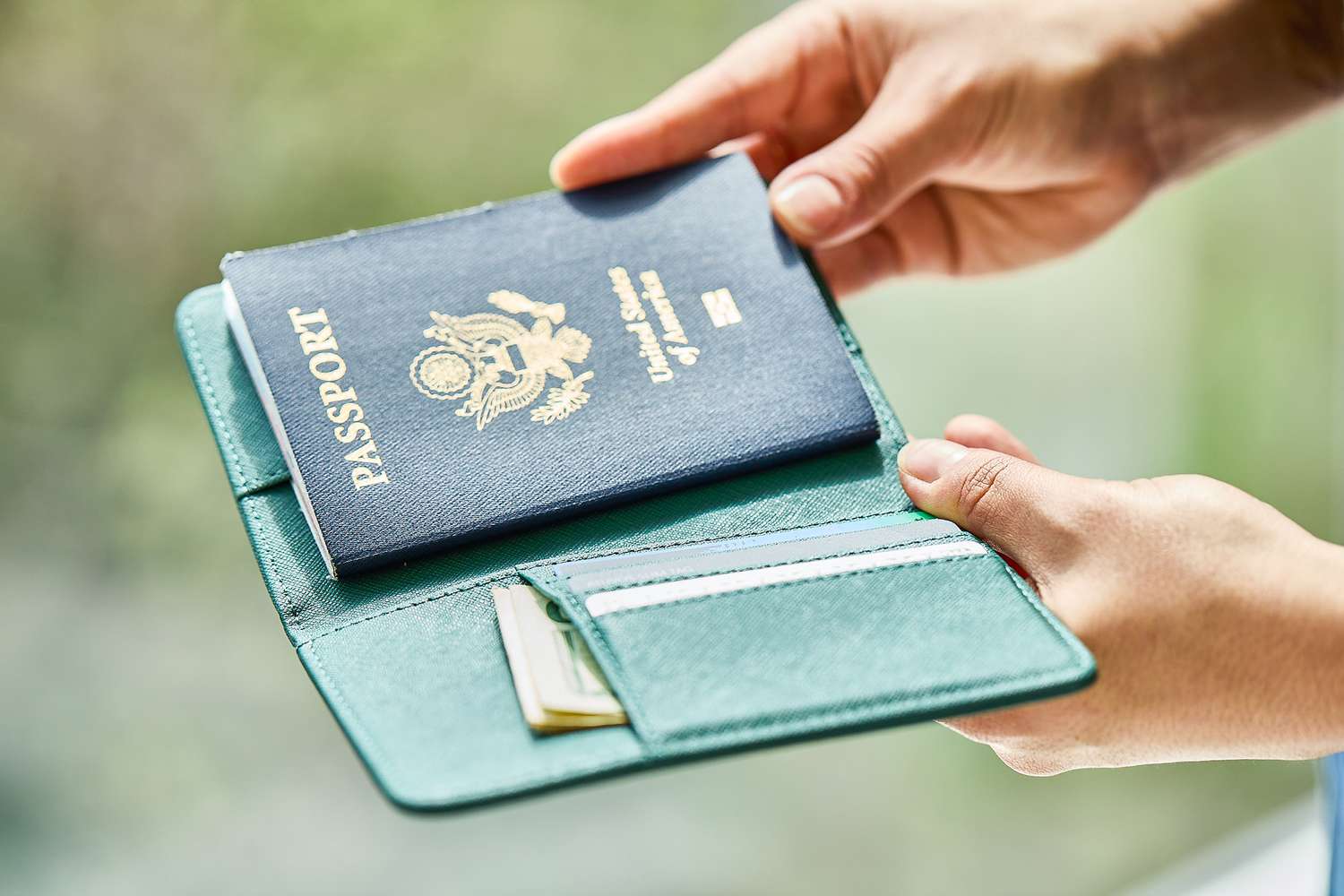
Passport storage refers to the method and secondary tools used to protect and organize your travel identification. This includes using RFID-blocking pouches, neck wallets, or secure zippered compartments within a small bag that stays with the traveler at all times.
Where not to put your passport?
You should never put your passport in a carry-on suitcase, an overhead bin, a checked luggage piece, or a back pocket. These locations are highly susceptible to theft, accidental loss, or separation due to airline gate-check policies.
Where's the best place to store your passport?
The best place is a slim, RFID-blocking neck pouch worn under your clothes or a secure cross-body bag that remains attached to your body throughout the transit process, including during the flight and through immigration control.
Final Safety Checklist
Before you head to the gate, run through this final document audit:
- Physical possession check: Is the document in my hand or my personal item?
- Gate-check readiness: If an agent takes my roll-aboard bag right now, am I holding my passport?
- RFID confirmation: Is my storage bag equipped to block digital skimming?
- Backup verification: Do I have a digital and physical copy stored elsewhere?
- In-flight plan: Am I keeping my personal item with me, even if I go to the restroom?
By following these protocols, you ensure that a simple luggage space issue doesn't escalate into an international legal nightmare. Travel is meant for exploration, not for spending your vacation inside an embassy waiting for new papers.