Quick Facts
- Minimum Age: Typically 8 to 12 years old, though some operators allow children as young as 6 for specific fly-cruise options.
- Cost Range: Expect to pay between $8,000 and $25,000 per person, with luxury family suites for three often exceeding $50,000.
- Best Time to Visit: December and January offer the best weather and a chance to see penguin chicks hatching.
- Trip Duration: Most expeditions last between 10 and 20 days, including travel to and from South America.
- Gateway Cities: Cruises primarily depart from Ushuaia, Argentina, or Punta Arenas, Chile.
- Ship Size Matters: Vessels carrying fewer than 200 passengers are ideal for families to ensure everyone gets maximum time on the ice.
- Health and Safety: Modern ships use advanced stabilizers and have onboard medical clinics to handle everything from seasickness to minor injuries.
Antarctica is no longer a 'scientists-only' zone. Today, a family antarctica cruise is a reality for adventurous parents who want to give their children a classroom without walls. While the journey involves crossing the Drake Passage, modern ice-strengthened vessels and specialized programs make it accessible to those willing to plan ahead.
Overcoming the Remote Factor: Age Limits and Safety
As a mom, the first thing I look at when planning a big adventure is the "safety net." Antarctica feels like the edge of the world, but the tourism industry here is incredibly well-regulated. According to the International Association of Antarctica Tour Operators (IAATO), a total of 122,072 visitors explored the continent during the 2023-24 season, a record-breaking number that proves how accessible this region has become.
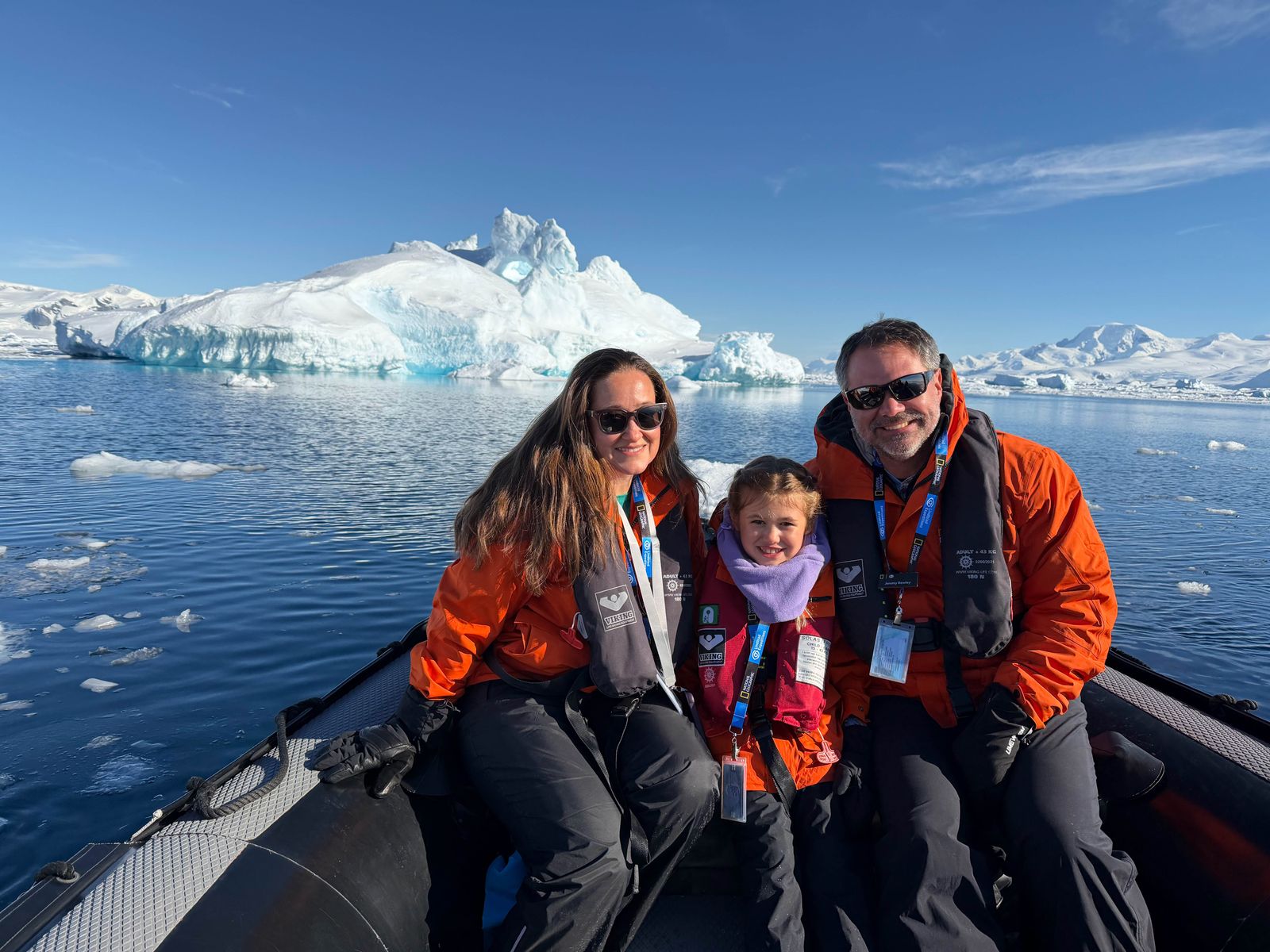
When it comes to the little ones, the antarctica cruise minimum age limit is a crucial factor. Most expedition operators enforce requirements ranging from 8 to 12 years old. This is not just about maturity; it is about the physical challenges of Zodiac shore landings. Children need to be able to follow safety protocols and have the physical stability to transition from the ship to a rubber boat in choppy waters.
However, the "youngest" records are constantly being challenged by brave families. In December 2022, eight-year-old Maddock Jefferson Lipp became the youngest person to ski on all seven continents after finishing a trip to the Antarctic Peninsula. While your kids might not be skiing the glaciers, seeing other children thrive in this environment is a great confidence booster for parents. To manage the "remoteness," ships are equipped with sophisticated communication systems and clinics, ensuring that while you are far from a city, you are never far from care.
Surviving the Drake Passage: Tech and Stability
The legendary Drake Passage is often the biggest hurdle for parents. You will hear it referred to as either the Drake Lake (calm) or the Drake Shake (rough). When you are planning a family trip to antarctica, this two-day stretch of water can feel daunting.
To keep the motion sickness at bay, look for a ship featuring an X-Bow hull design. These specific hulls pierce through waves rather than slamming into them, which significantly reduces vibration and pitching. I always recommend that parents bring seasickness patches for every family member, as the Southern Ocean navigation can be unpredictable.
If the idea of two days at sea with a ten-year-old sounds like a nightmare, there is the "fly-cruise" option. You can bypass the Drake Passage crossing entirely by flying from Punta Arenas to King George Island. It is more expensive, but for families with children prone to nausea, it is a game-changer. Whether you fly or sail, once you reach the sheltered waters of the Antarctic Peninsula, the sea becomes as glass-like as a mountain lake.
Selecting the Best Antarctica Cruise for Your Family
Not all ships are created equal when children are involved. When comparing the antarctica cruise price, you might be tempted by the larger "cruise-only" ships that carry over 500 passengers. My advice? Avoid them. Under IAATO rules, only 100 people are allowed on the ice at any given time. If you are on a massive ship, your kids will spend most of their trip looking through a window.
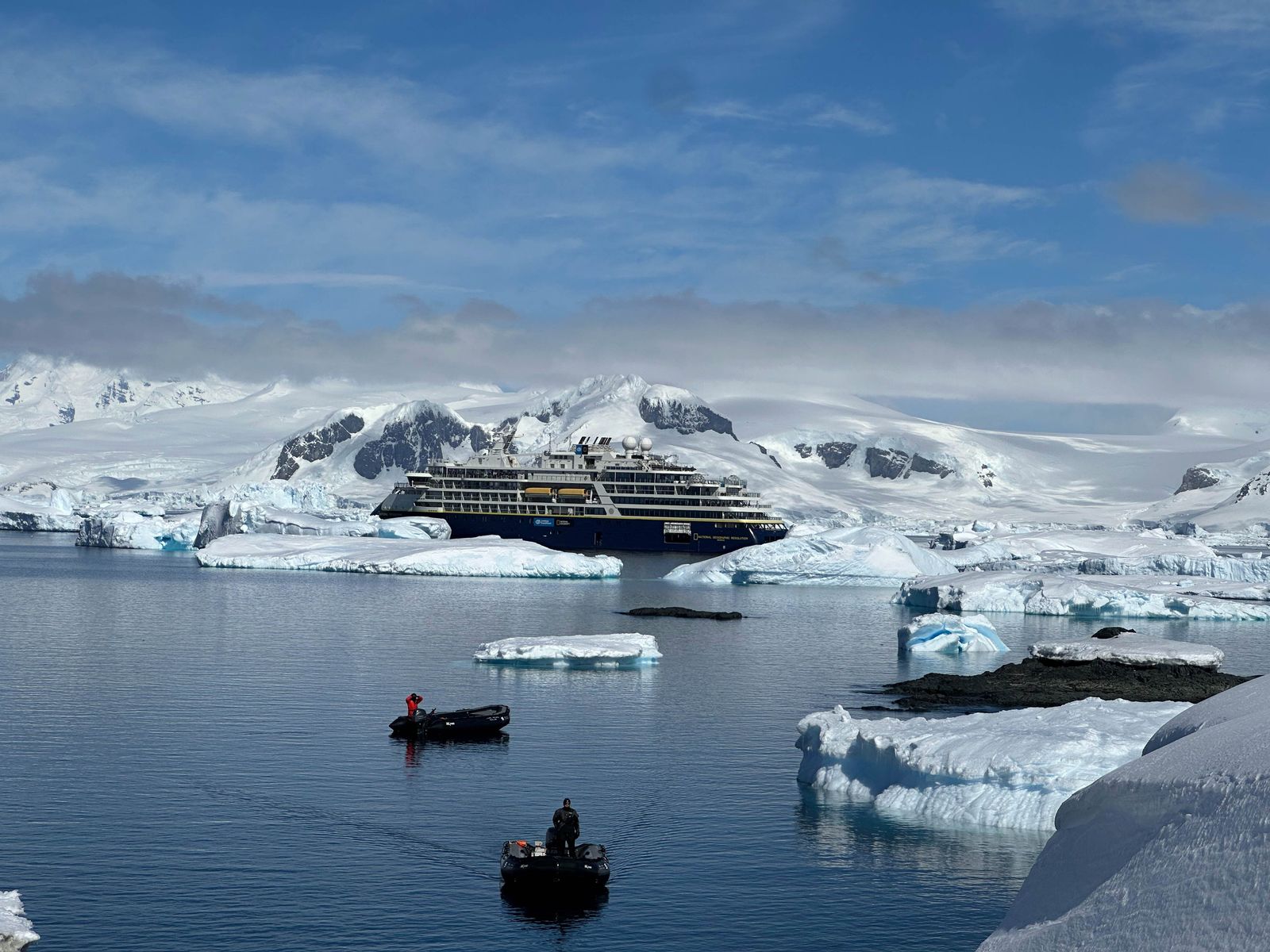
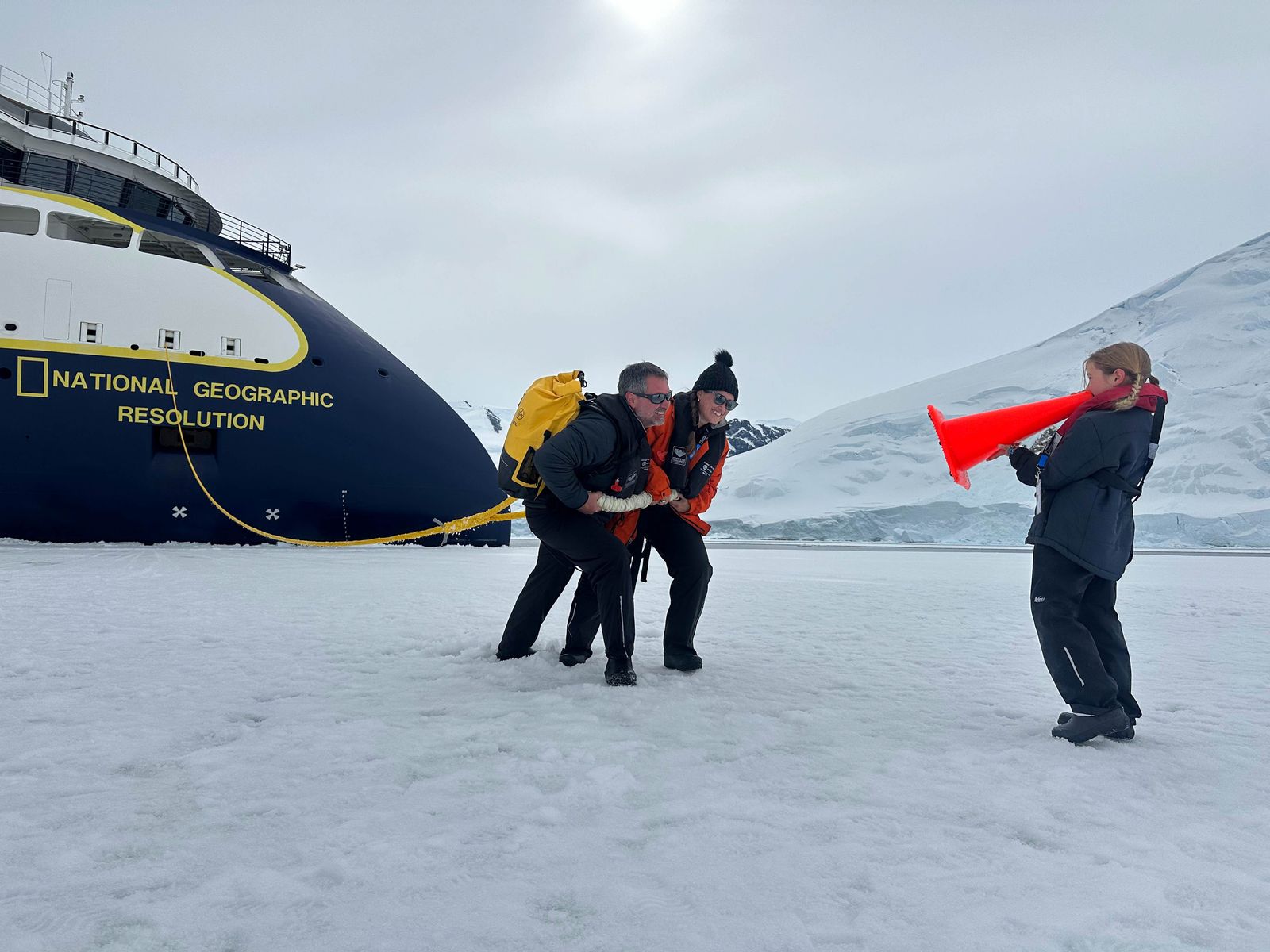
The best antarctica cruise for families is one on an ice-strengthened vessel with fewer than 200 passengers. Ships like the MV Ocean Nova or the National Geographic fleet provide a more intimate experience. These cruises often feature shipboard educational programs specifically for young explorers.
Look for features that cater to kids:
- Explorers-in-Training: Programs where children learn to use microscopes to examine krill or water samples.
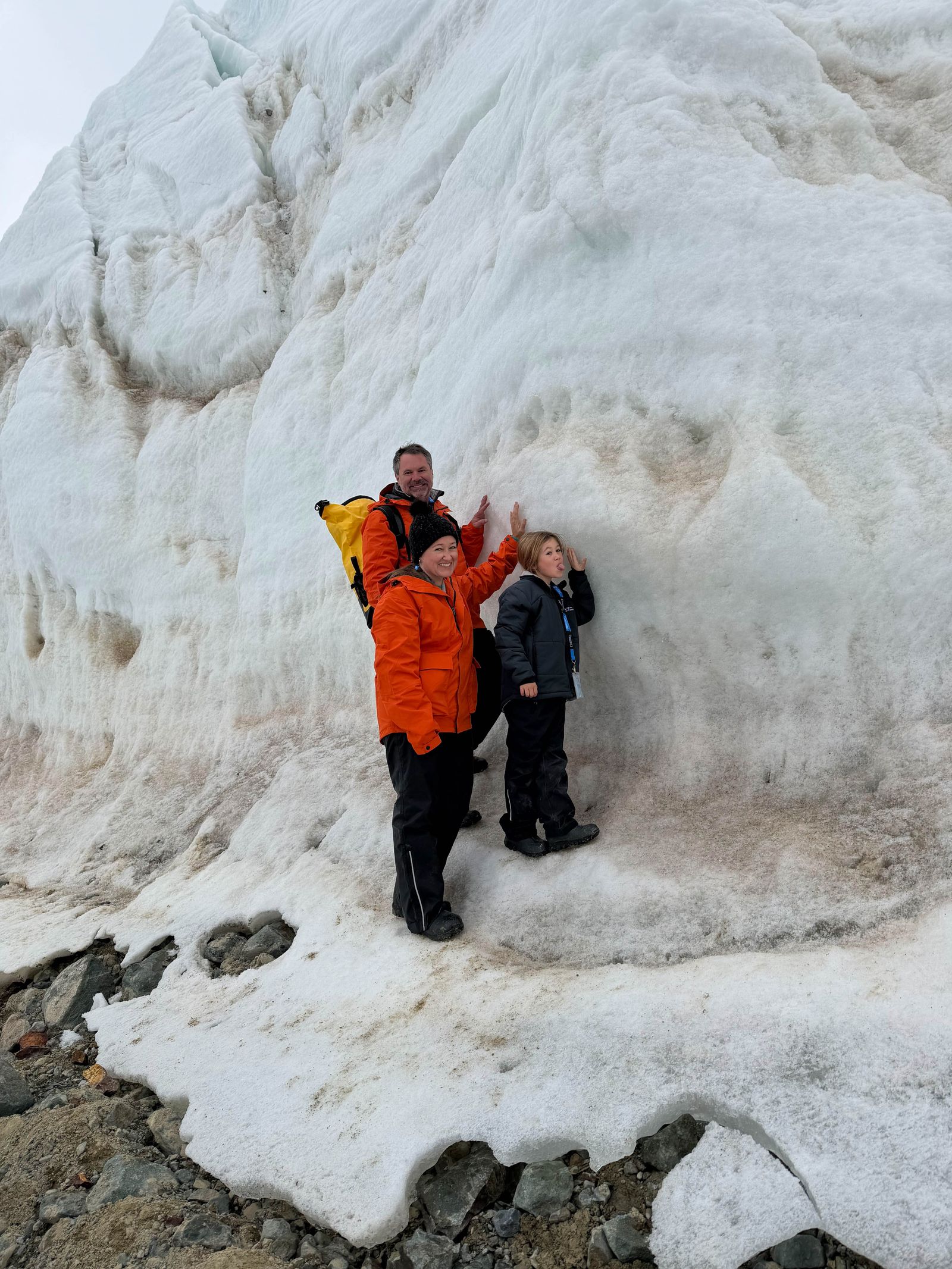
- Zodiac Shore Landings: Opportunities for small-group excursions to touch ancient ice or sit near a penguin colony.
- Bridge Tours: Many captains on smaller vessels welcome kids to the bridge to explain how they navigate through fields of brash ice.
- Onboard Naturalists: Having experts who can explain the behavior of marine mammals in an engaging, kid-friendly way makes every meal a learning opportunity.
The Itinerary: From Ushuaia to the Seventh Continent
Most expeditions follow the antarctica cruise from ushuaia itinerary, starting in the southernmost city in the world. Ushuaia itself is a delight for families, with the Tierra del Fuego National Park offering easy hiking trails and "The End of the World" steam train.
The typical route travels through the Beagle Channel before heading south. I highly recommend arriving in your gateway city (Santiago or Ushuaia) at least two days before the ship sails. Flight delays are common, and in the world of polar travel, the ship will not wait for you. This buffer time also allows kids to adjust to the time zone and burn off some energy after the long flights from North America or Europe.
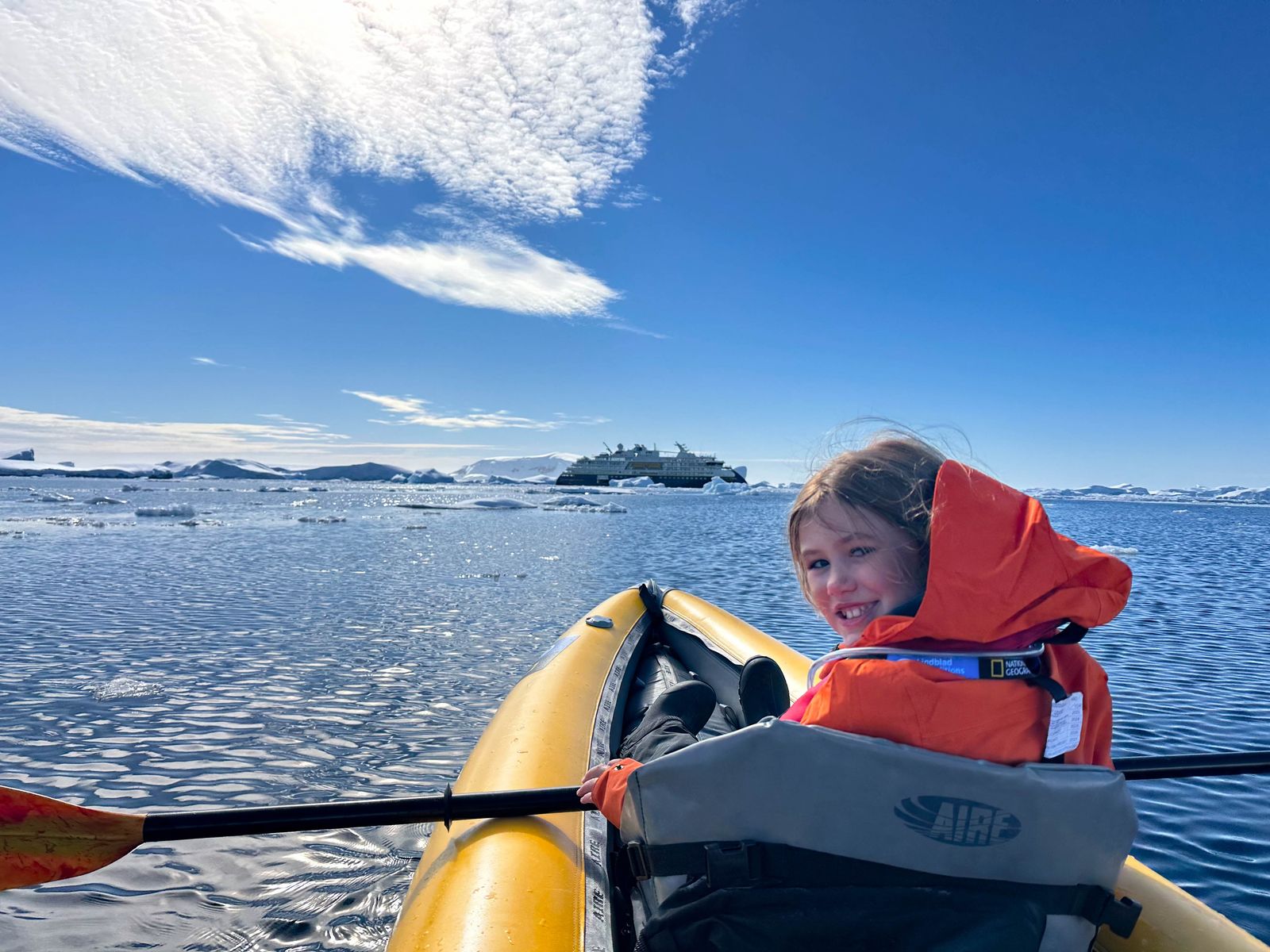
Once you reach the peninsula, the itinerary is flexible. The expedition leader will choose landing sites based on weather and ice conditions. Most days involve two Zodiac shore landings. You might spend the morning watching Gentoo penguins on a rocky beach and the afternoon kayaking among icebergs that look like floating sapphire cathedrals.
What Your Kids Will See: A Wildlife Calendar
One of the questions I often get is, "When should we go?" The Antarctic season only runs from November to March, and each month offers a different magic for children.
| Month | What to Expect | Best For |
|---|---|---|
| November | Massive icebergs and pristine snow. Breeding season begins. | Photography and "White Christmas" feel. |
| December | Longest daylight hours. Penguins are sitting on eggs. | Holiday travel and 24-hour sun. |
| January | Penguin chicks hatch! They are fuzzy and very curious. | The ultimate kid experience. |
| February | Peak whale watching. Glacial calving is more frequent. | Spotting marine mammals and humpback whales. |
| March | Fur seals are playful. Best time for whale sightings. | Budget-conscious travelers (prices often drop). |
Nothing compares to the sensory experience of a penguin colony. Kids love the "sensory" aspect—the noise of thousands of penguins calling, the sight of them sliding on their bellies (porpoising), and yes, the very distinct smell of a Gentoo penguins nesting site. Humpback whale sightings are also a highlight; seeing a giant fluke break the water just yards from your boat is a memory your child will never outgrow.
Packing & Budgeting: The Final Logistics
Let’s talk money. The family antarctica cruise cost is admittedly steep. A luxury expedition can easily run over $50,000 for a family of three. However, if you opt for a more functional ship like the MV St Helena or Ocean Nova, you can find rates between $8,000 and $12,000 per person. Remember that this usually includes all meals, excursions, and often your polar parka.
Your antarctica cruise packing list for kids needs careful thought. It is not about how many clothes you bring, but the quality of the layers.
- Moisture-wicking base layers: Avoid cotton at all costs; it stays wet and gets cold.
- Insulated, waterproof boots: Most ships provide these, but ensure they have your child's size or bring your own broken-in pair to avoid blisters.
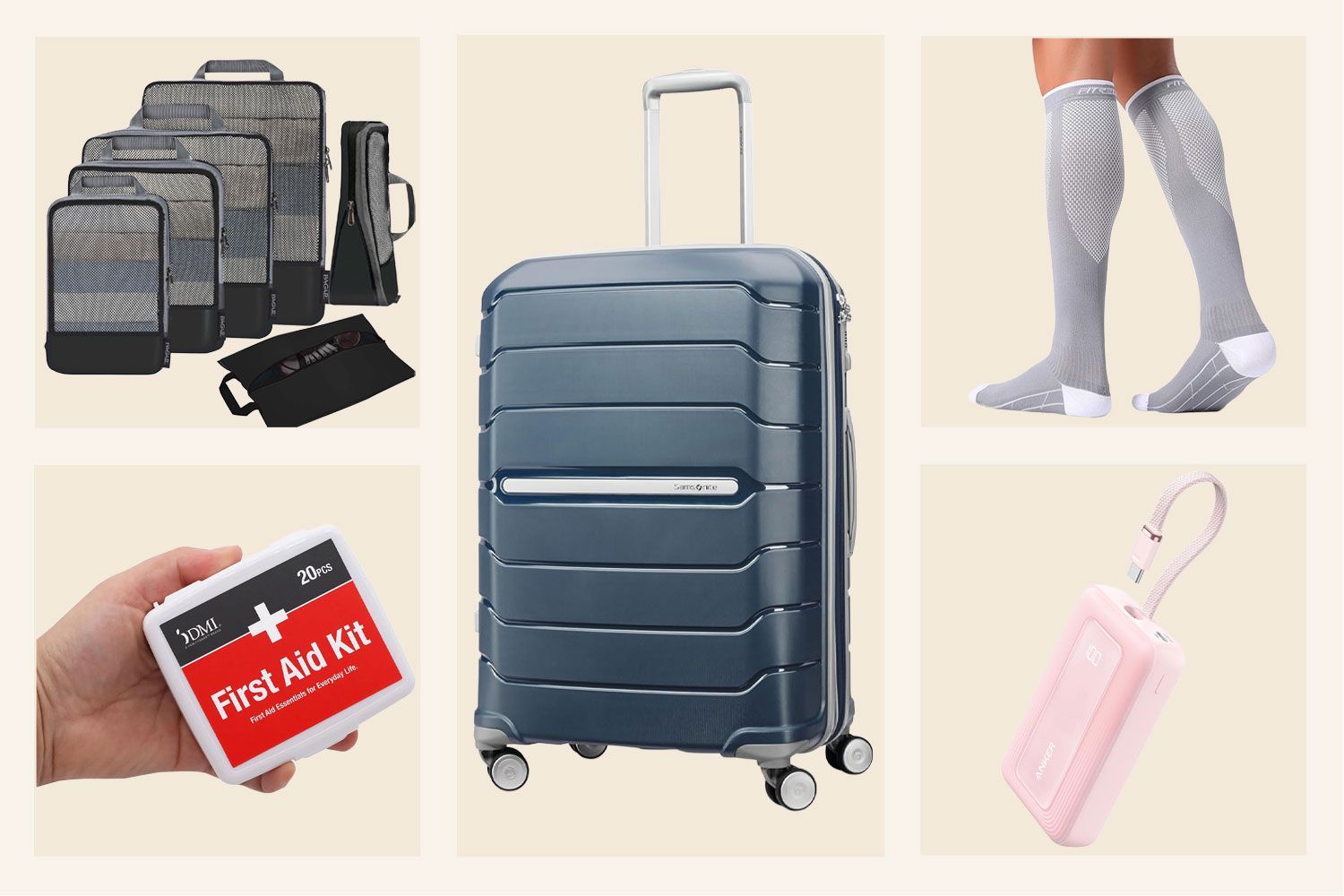
- Tech for the transit: During the Drake Passage or long layovers in Santiago, noise-canceling headphones, portable gaming consoles, and art supplies are essential.
- Sunscreen and polarized sunglasses: The sun reflecting off the ice is incredibly intense, even on cloudy days.
Planning this trip requires a shift in mindset. You aren't just paying for a vacation; you are paying for an expedition. The value lies in the dinner conversations about environmental conservation and the way your child's eyes light up when they see their first iceberg on the antarctica cruise map come to life.
FAQ
How much do Antarctic cruises typically cost?
The cost varies based on the level of luxury and the length of the trip. For a standard 10-day expedition, expect to pay $8,000 to $15,000 per person. High-end luxury suites with balconies and premium service can cost upwards of $25,000 per person. Don't forget to budget for international flights to South America and travel insurance, which is mandatory for most operators.
Which cruise line is best for Antarctica?
For families, National Geographic/Lindblad Expeditions is often cited as the gold standard due to their onboard naturalists and dedicated youth programming. Quark Expeditions also offers great family-centric amenities. If you are looking for a more rugged, smaller boat feel, Antarctic 21 is excellent for fly-cruise options that skip the Drake Passage.
How scary is the Drake Passage?
It is less "scary" and more "uncomfortable." While the waves can be large, modern expedition ships are built specifically for these waters. For kids, the biggest issue is usually boredom if they are confined to their cabins. Using seasickness patches early and choosing a ship with high-tech stabilizers makes the experience much more manageable for everyone.
Is Antarctica cruise worth the money?
In my experience as a travel editor and a parent, yes. It is a transformational trip. Unlike a typical resort holiday, it changes how children view the world and their responsibility toward the environment. The sheer scale of the landscape and the up-close encounters with wildlife provide a perspective that no other destination can offer.
What month is best for an Antarctica cruise?
January is widely considered the best month for families. The weather is at its warmest (often hovering around freezing), and the penguin chicks have hatched, providing endless entertainment. However, if your family is specifically interested in whale watching, February and March offer the highest density of sightings.