Quick Facts: Qatar Airways Emergency Response (March 2026)
- Repatriation Window: March 10, 2026, to March 12, 2026.
- Primary Hubs: London (LHR), Dallas (DFW), Istanbul (IST), Mumbai (BOM), Madrid (MAD), Moscow (SVO), and Toronto (YYZ).
- Refund Eligibility: Passengers with confirmed bookings between February 28 and March 22, 2026.
- Compensation Options: 100% refund of unused ticket value or two complimentary date changes (up to 14 days extension).
- Airspace Status: Commercial Qatari airspace remains closed; operations are restricted to QCAA emergency contingency corridors.
The geopolitical landscape in the Middle East has reached a critical juncture, resulting in the unprecedented closure of Qatari airspace. For the thousands of travelers currently positioned in Doha or holding transit bookings, the situation is evolving rapidly. As a travel critic who has monitored Qatar Airways' operational resilience for over two decades, I can state that the current logistical challenge is among the most complex the carrier has ever faced.
The Qatar Civil Aviation Authority (QCAA) has officially transitioned from standard commercial management to an emergency navigational protocol. While general transit is suspended, the establishment of "emergency contingency routes" allows for a narrow, high-security window to repatriate stranded foreign nationals. This is not a return to normal service; it is a calculated, high-priority evacuation effort coordinated between civil authorities and the Qatari Armed Forces to ensure the safe passage of civilians out of a high-tension zone.
Overview of the 2026 Airspace Crisis
The suspension of flight operations across the Qatari flight information region (FIR) stems from a sudden escalation in regional conflict, necessitating the immediate clearing of civilian corridors to prevent accidental engagement. Since the initial closure in late February, Doha’s Hamad International Airport (HIA)—usually a bustling global crossroads—has served primarily as a staging ground for humanitarian and diplomatic efforts.
For travelers, the most significant development is the QCAA’s activation of specific "Safety Corridors." These are narrow geographical strips of airspace, heavily monitored and cleared by regional military commands, designed specifically for these repatriation efforts. It is important to understand that these routes are restricted to a handful of long-haul flights.
"Our priority is the safety of our passengers and crew. By utilizing the QCAA-mandated emergency corridors, we are providing a vital link for those separated from their home countries during this period of restricted mobility." — Official Statement, Qatar Airways Operations Command.
The March 10–12 window is currently the only confirmed period for these operations. Outside of these specific flights, the airspace remains strictly "No-Fly" for all commercial traffic until at least March 23, 2026, pending a further security review.
Official Repatriation Flight Schedule (March 2026)
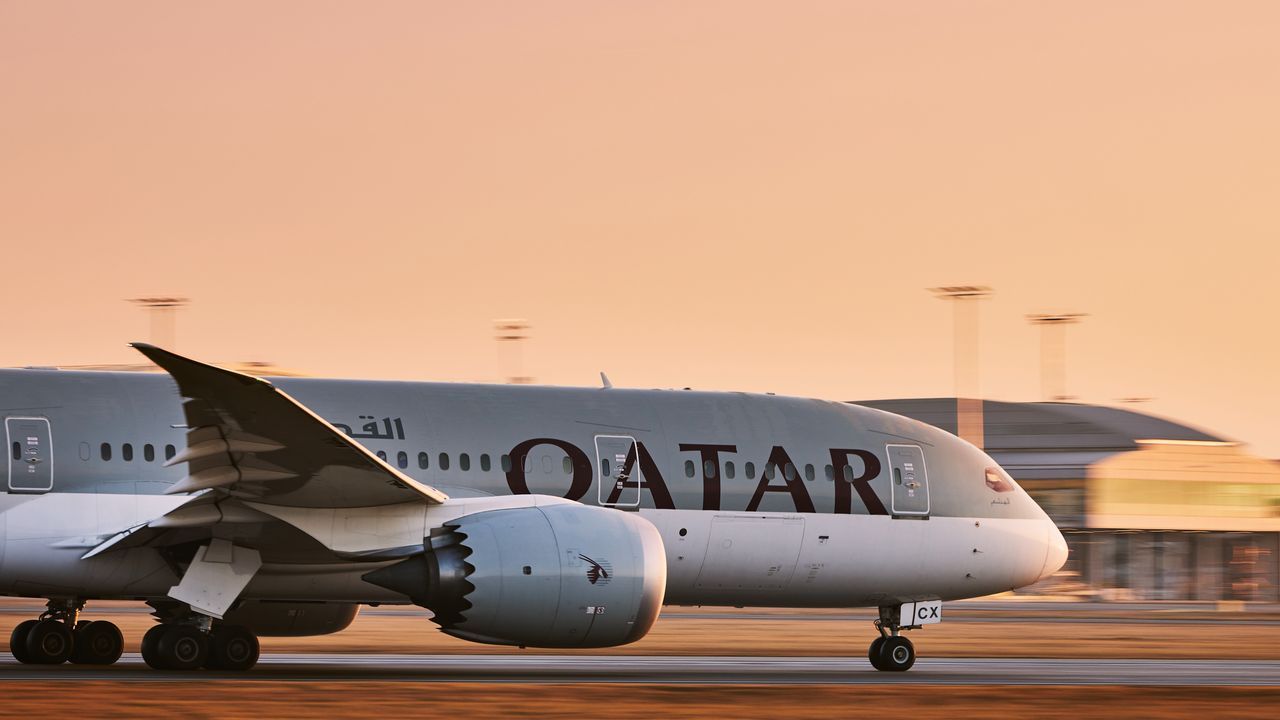
Qatar Airways has prioritized seven major international hubs that serve as critical gateways for the majority of stranded travelers. These flights are being operated with high-capacity aircraft, such as the Airbus A350-1000 and Boeing 777-300ER, to maximize the number of passengers per departure.
| Date | Destination Hubs | Expected Frequency |
|---|---|---|
| March 10, 2026 | London (LHR), Dallas (DFW), Istanbul (IST) | 2 Flights per Hub |
| March 11, 2026 | Mumbai (BOM), Madrid (MAD), Toronto (YYZ) | 2 Flights per Hub |
| March 12, 2026 | Moscow (SVO), London (LHR), Dallas (DFW) | 1 Flight per Hub |
It is crucial to note that these flights are not open for new bookings. Seat allocation is being managed based on a strict prioritization matrix:
- Travelers with existing confirmed bookings that were canceled due to the airspace closure.
- Families with young children and the elderly.
- Passengers with documented medical needs or expired visas.
- Standard stranded ticket holders.
Qatar Airways Refund and Rebooking Policy
The airline has introduced a specialized emergency policy to handle the "refund policy conflict" that often arises during force majeure events. While traditional fare rules might restrict refunds during regional unrest, the QCAA emergency mandate has overridden these standard terms to provide passenger relief.
If you hold a confirmed booking for travel between February 28 and March 22, 2026, you are eligible for the following protections:
Option 1: Complimentary Rebooking
Travelers can opt for up to two complimentary date changes. This allows you to push your travel date to a window when the airspace is expected to be more stable.
- Extension: You may rebook for any date within 14 days of your original departure date, provided the airspace has reopened.
- Fees: All rebooking fees and fare differences within the same cabin class are waived.
Option 2: Full Refund
Given the uncertainty of the conflict, many travelers are choosing to cancel their plans entirely.
- Eligibility: 100% refund of the unused value of the ticket.
- Processing: Refunds are being prioritized for those affected by the airspace closure, though travelers should expect a 7-to-14 day processing lag due to high volume.
- Vouchers: The airline is also offering a 110% travel voucher option for those willing to keep their funds with the carrier for future use (valid for 2 years).
How to Secure Your Seat: A Step-by-Step Guide
The digital infrastructure at Qatar Airways is currently the most efficient way to secure a position on a repatriation flight. Phone lines are experiencing wait times exceeding four hours; therefore, the 'Manage Booking' portal is your primary tool.
- Log In Immediately: Access your booking via the Qatar Airways website or mobile app using your PNR (Booking Reference).
- Update Contact Information: Ensure your mobile number (including country code) and email address are current. The airline is using automated SMS and push notifications to offer seats on the March 10-12 flights.
- Monitor the 'Evacuation Tab': A dedicated section has been added to the dashboard for affected travelers. If a seat becomes available for your destination, you will have a limited window (often 2-4 hours) to "Accept" the seat change.
- Wait for Confirmation: Do not proceed to the airport until you have received a new digital boarding pass or a confirmed "Ready for Boarding" notification.
- The 'Do Not Go to the Airport' Rule: This is the most critical instruction from the QCAA. Hamad International Airport is currently under high-security protocols. Only passengers with confirmed repatriation seats for that specific day will be allowed past security checkpoints. Turning up without a confirmation complicates the evacuation of others.
Emergency Safety and Security Protocols
From an analytical standpoint, the safety measures being employed are rigorous. The Qatar Civil Aviation Authority has coordinated with the Qatari Armed Forces to provide a "protective umbrella" over the emergency corridors. This involves active radar monitoring and communication with neighboring flight information regions to ensure that civilian aircraft are clearly identified and separated from any military activity.
Furthermore, Qatar Airways has implemented enhanced security screening at the gate. Travelers should be prepared for:
- Reduced Luggage Allowances: To expedite loading and reduce weight for maximum fuel efficiency (given the potential for longer flight paths to avoid conflict zones), passengers are encouraged to travel with only one checked bag.
- Security Interviews: Brief secondary screenings may be conducted by airport security to ensure the integrity of the repatriation manifest.
- Onboard Precautions: Cabin service will be streamlined to "Express Service" to allow crew to focus on safety and rapid deplaning at the destination hubs.
FAQ
What happens if my destination is not on the March 10-12 list? The current list (London, Dallas, Istanbul, Mumbai, Madrid, Moscow, and Toronto) represents the highest-demand hubs. If your final destination is not listed, the airline recommends rebooking to the nearest hub and arranging onward travel via local carriers once you have left the restricted airspace.
Can I book a new ticket on a repatriation flight? No. These flights are strictly reserved for passengers who held valid bookings during the February 28 to March 22, 2026 window. New ticket sales have been suspended to prioritize stranded travelers.
How long will the airspace closure last? The current QCAA mandate extends until March 22, 2026. A security reassessment will take place on March 20 to determine if commercial operations can resume on March 23.
Final Advice from the Critic
In my years of reviewing aviation crises, from the 2010 ash cloud to the 2020 pandemic, the key to a successful outcome is patience and digital readiness. Qatar Airways is a sophisticated carrier with a robust contingency plan. While the "refund policy conflict" and airspace closure are stressful, the structured repatriation window of March 10-12 offers a clear path home.
Prioritize your safety, stay away from the airport until confirmed, and utilize the digital tools provided. This is a temporary disruption, and while the regional conflict is a matter of grave concern, the aviation response is being handled with the precision one expects from a world-class airline.