Quick Facts
- Definition: A cruise ship godmother is a civilian sponsor who blesses the vessel for protection and luck. Historically royalty or celebrities, the role is now evolving into a platform for community and environmental advocacy.
- The Paradigm Shift: Industry leaders like Seabourn are replacing Hollywood icons with Traditional Land Owners, such as the Wunambal Gaambera people, to create a "multilateral blessing" that benefits local ecosystems.
- Economic Impact: Modern godparent partnerships involve significant financial commitments; for instance, Seabourn’s partnership in the Kimberley region includes an initial $110,000 investment in local infrastructure and arts.
- 2026 Outlook: The future of cruise naming ceremonies is increasingly tied to ESG (Environmental, Social, and Governance) goals, focusing on "Quiet-cations," sustainable boutique luxury, and community-led tourism.
A Tradition Steeped in Sea Salt and Superstition
The maritime world is one of the few remaining sectors where ancient superstition still dictates modern corporate protocol. Long before the era of multi-billion dollar shipyards and satellite navigation, the launching of a vessel was a moment of profound vulnerability. The Vikings, in their characteristic brutality, were said to offer human sacrifices to appease the gods of the deep. By the medieval period, these bloody rituals were replaced by Catholic priests who sprinkled holy water—a "baptism" of the hull to ensure the safety of the crew.
In the modern era, the role of the cruise ship godmother has become the secular descendant of these rituals. Traditionally, she is a civilian sponsor—almost always a woman—charged with the ceremonial "blessing" of the vessel, most famously through the theatrical smashing of a champagne bottle against the bow. For decades, this was viewed as a decorative honor, a PR-friendly moment that linked a cruise line’s brand to the prestige of royalty or the glamour of Hollywood.

However, as we look toward 2026, a fundamental shift is occurring. The industry is moving away from the "celebrity-as-figurehead" model. In its place, we are seeing the rise of community-led maritime naming ceremonies. This evolution reflects a broader industry realization: in an era of heightened scrutiny regarding overtourism and environmental impact, the godparent role must transcend mere pageantry. It is becoming a vehicle for sustainable tourism, turning a one-day photo opportunity into a long-term socio-economic partnership.
The Celebrity Era: From Royalty to Hollywood Icons
For much of the 20th century, the selection of a godmother was a clear indicator of a cruise line’s market positioning. In the early days of grand ocean liners, the role was the exclusive province of royalty. Queen Elizabeth II famously served as the godmother to her namesake vessels, lending an air of sovereign stability to the Cunard Line. As cruising democratized in the 1990s and 2000s, the focus shifted toward "American Royalty"—celebrities who commanded global media attention.
The roster of godparents from this era reads like a guest list for an ultra-exclusive gala: Oprah Winfrey, Malala Yousafzai, Jennifer Lopez, and even the fictional character Princess Fiona from Shrek. While these appointments were brilliant marketing maneuvers, they were essentially "one-way celebrations." The celebrity lent their fame to the ship, but the relationship rarely extended beyond the initial christening. There was little tangible connection between the godmother and the actual communities the ship would visit.
This model increasingly feels disconnected from the contemporary traveler's values. Today’s luxury cruiser is less interested in which pop star smashed the bottle and more concerned with the ship’s footprint in the delicate ecosystems it navigates. The industry has reached a crossroads where the "celebrity for celebrity’s sake" approach is being viewed as an antiquated, perhaps even contemptuous, vestige of a less conscious era.
A New Paradigm: The Wunambal Gaambera & Seabourn Pursuit Partnership
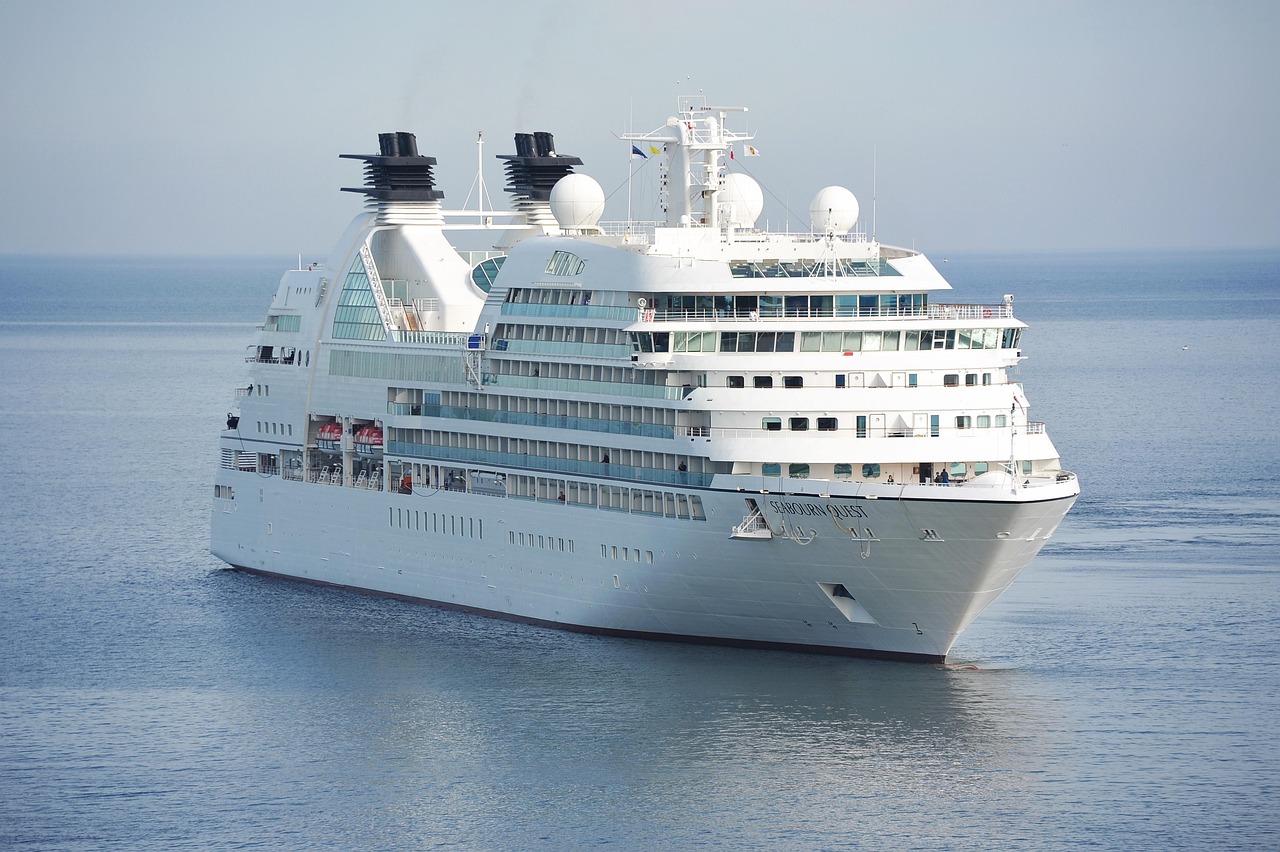
The most significant evidence of this evolution occurred recently in the remote Kimberley region of Australia. In a move that set a new benchmark for the industry, Seabourn appointed the Wunambal Gaambera people—the Traditional Land Owners of the region—as the godparents of the Seabourn Pursuit. This was the first time in maritime history that a cruise line chose a collective community of indigenous people rather than an individual icon.
This was not a symbolic gesture; it was a data-driven investment in regional preservation. The Wunambal Gaambera people have resided in the Kimberley for millennia, and their recent history has been defined by a concerted effort to return to their ancestral lands to manage their "Uunguu" (home). Tourism is the primary economic engine for this return, and the partnership with Seabourn provides the necessary capital to sustain it.
The Economic Architecture of the Partnership
Seabourn’s commitment to the Wunambal Gaambera people is structured to provide long-term dividends rather than a one-time fee:
- Infrastructure Support: An initial $100,000 donation was provided to improve tourism facilities and create sustainable jobs within the Wunambal Gaambera Country.
- Cultural Preservation: An additional $10,000 was specifically earmarked for traditional art workshops, ensuring that the younger generation can maintain their cultural heritage while benefiting from the visitor economy.
- The "Visitor Pass" Model: Cruises account for approximately 65% of all annual visitors to this remote region. By formalizing this relationship, Seabourn ensures that their guests are not merely "viewers" of the land but active contributors via the mandatory Uunguu Visitor Passes, which fund land management and conservation.

This shift transforms the godparent from a distant figurehead into a local stakeholder. It creates a "multilateral blessing"—the ship is blessed by the community, and in return, the community is fortified by the ship’s presence.
The Multi-Lateral Blessing: Why the Shift Matters for 2026
The transition toward community-led godparents is a strategic response to the "Cruise Dilemma." As the industry grows, so does the friction between cruise lines and the port communities that feel the strain of pollution and overtourism. By appointing local leaders or community groups as godparents, cruise lines are attempting to repair these relationships, transforming the naming ceremony into a pledge of mutual respect.
Traditional vs. Modern Godmother Roles
| Feature | The Traditional Archetype (1990-2015) | The Community Guardian (2024 & Beyond) |
|---|---|---|
| Selection Criteria | Fame, social status, royal lineage. | Philanthropic impact, local leadership, cultural stewardship. |
| Core Function | Marketing and PR visibility. | Sustainable tourism and socio-economic development. |
| Duration of Role | Often limited to the naming ceremony. | A long-term partnership with ongoing community projects. |
| Financial Focus | High appearance fees for the individual. | Direct investment in regional infrastructure and conservation. |
| Guest Interaction | Minimal; often via pre-recorded video. | Collaborative programs with local guides and experts. |
In the coming years, we expect to see more cruise lines following this "Trafalgar Model," where the people at the heart of the travel experience—local guides, environmentalists, and even frequent guests—take center stage. This isn't just about optics; it’s about creating a two-way street where the destination has a seat at the corporate table.

2026 Cruise Trends: Beyond the Naming Ceremony
The evolution of the godmother is merely the tip of the iceberg for sustainable cruise industry trends in 2026. As the market bifurcates between mega-ships and ultra-luxury expeditions, several key themes are emerging:
- The Rise of "Quiet-cations": Travelers are increasingly seeking "low-impact" itineraries. Expect to see cruise lines like MSC expanding their Alaskan presence with ships designed specifically for noise reduction to protect marine life.
- Boutique and Ultra-Luxury Launches: 2026 will see the debut of the Four Seasons I and the Orient Express Corinthian. These vessels are moving away from the "floating city" concept in favor of intimacy, high design, and deep cultural immersion.
- Short-Form Mega-Ship Itineraries: Interestingly, even large vessels like the Legend of the Seas are pivoting toward 3-4 night "micro-vacations," catering to a younger demographic that prioritizes frequency of travel over duration.
- The Guest Design Committee: Some lines are beginning to experiment with "guest-godparents," where a committee of loyal cruisers helps design onboard enrichment programs, effectively making the passengers the guardians of the ship’s culture.
The Future of Maritime Naming: Real Guests and Local Leaders
As we move toward the middle of the decade, the criteria for the "perfect godmother" will continue to skew toward authenticity. We are likely to see the end of the "Hollywood contract" godmother. Instead, the role will be occupied by those who have a deep, lived connection to the destination.
Imagine a future where the godmother of a Mediterranean-bound ship is a prominent local oceanographer, or where a Caribbean vessel is blessed by a collective of regional educators. This shift acknowledges that the ship does not exist in a vacuum; it is part of a global ecosystem of people and places. By honoring those who protect the destinations we visit, the cruise industry is finally aligning its oldest traditions with its most urgent future needs.
FAQ
Why do cruise ships have godmothers? The tradition dates back centuries and is rooted in maritime superstition. A godmother is believed to bring good luck and protection to the vessel, its crew, and its passengers. Today, the role serves as a high-profile brand ambassadorship and, increasingly, a platform for philanthropy.
Can a man be a cruise ship godmother? Yes, though the term "godfather" or "godparent" is more commonly used. For example, the Seabourn Pursuit appointed the Wunambal Gaambera people as godparents, which includes the entire community of men, women, and children.
How does the Seabourn-Wunambal Gaambera partnership actually work? It is a formal agreement where Seabourn provides financial support for the community's infrastructure and cultural programs. In exchange, the Wunambal Gaambera people provide the ship with a "blessing" and collaborate on expedition itineraries that ensure guests visit the Kimberley region in a culturally respectful and sustainable way.
Join the Evolution of Travel
The world of cruising is changing, moving from superficial spectacle to meaningful connection. To stay updated on the latest destination rankings, policy updates, and industry insights, subscribe to our weekly newsletter.