Quick Facts
- The Heritage Hub: Manhattan’s Korea Way on 32nd Street is the densest Korean commercial district in the U.S., packing over 100 businesses into a single 0.1-mile radius.
- The BBQ Standard: New Wonjo remains the gold standard for traditionalists, being the oldest establishment in K-Town to still utilize authentic charcoal grilling.
- The Soup Capital: If you are seeking "healing" soups (Gukbap), head to Queens. Approximately 75% of the city’s specialized soup houses are tucked away in the Flushing and Bayside corridors.
- The New Wave: NYC is currently leading a global "Modern Korean" movement, with restaurants like Atomix and Kisa redefining dining through Michelin-starred storytelling and retro-concept "taxi driver" cafeterias.
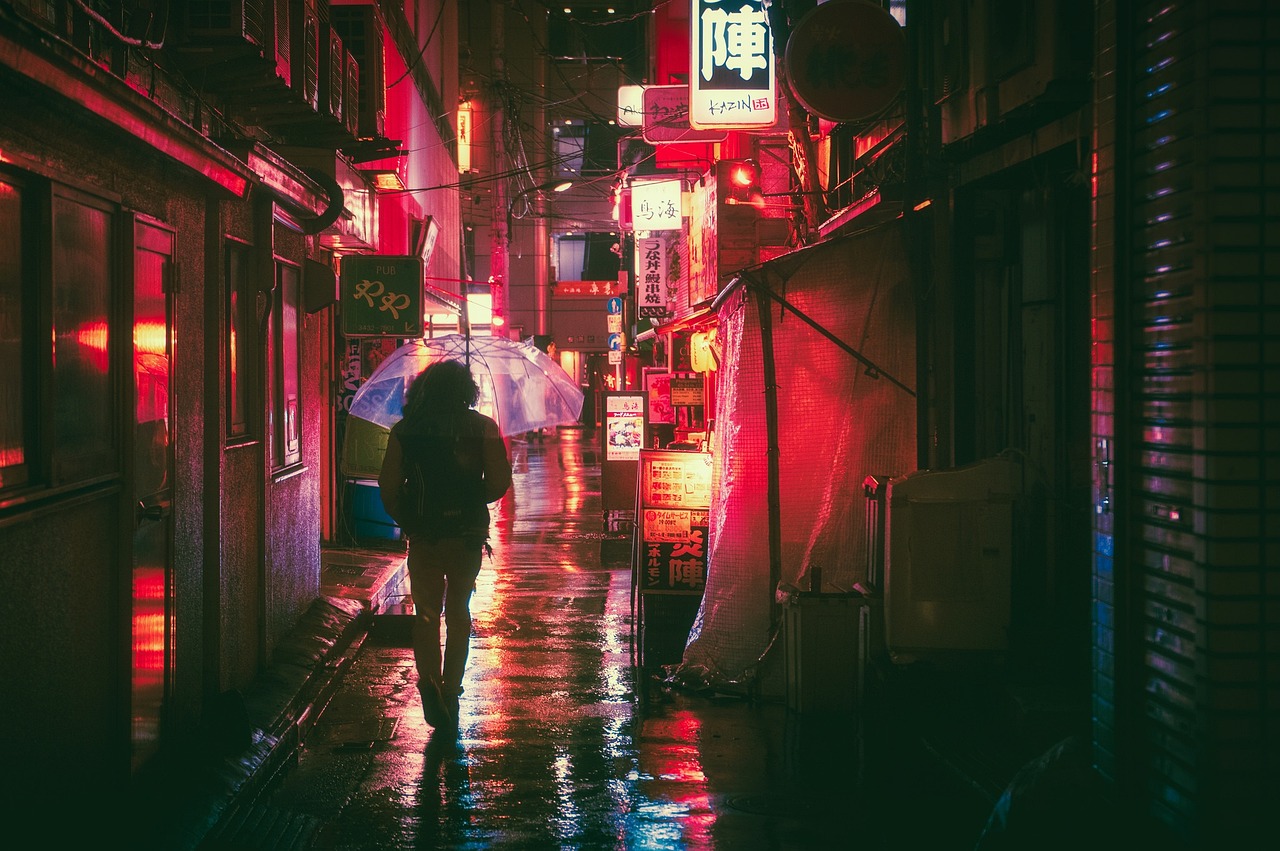
To walk down 32nd Street in Manhattan is to surrender to a sensory tidal wave. Even before the neon signs of "Korea Way" fully come into focus, the air tells you exactly where you are: the sweet, charred aroma of Bulgogi mingling with the fermented funk of aged kimchi and the distant, rhythmic clinking of Soju glasses. But New York City’s relationship with Korean cuisine has evolved far beyond the late-night BBQ cravings of Midtown. Today, the city’s Korean food scene is a sophisticated tapestry that stretches from the Michelin-starred heights of Flatiron to the humble, steam-filled windows of Flushing.
Whether you are looking for the "double-fried" perfection of Brooklyn’s chicken wings or a $375 tasting menu that reads like a poem, NYC offers an unparalleled journey into the heart of the peninsula. Manhattan's Korea Way on 32nd Street features over 100 Korean-owned businesses within a single 0.1-mile radius—the highest density of its kind in the U.S.—making it the perfect starting point, but certainly not the finish line, of our culinary exploration.
The K-Town Classics: Where Tradition Meets Nightlife
For many, Koreatown (K-Town) is the emotional center of the community. It is a place of 24/7 reliability, where the lights never dim and the dolsot bibimbap never stops sizzling.
New Wonjo
As the oldest Korean BBQ restaurant in Manhattan's Koreatown, New Wonjo is more than a restaurant; it’s a living landmark. While many modern spots have switched to gas, New Wonjo remains recognized for its traditional charcoal grilling, which imparts a deep, smoky complexity to their prime cuts of Galbi. The interior feels like a warm embrace of wood and stone, a stark contrast to the gleaming skyscrapers outside.
- The Experience: It’s bustling, loud, and unpretentious. The service is brisk but deeply knowledgeable.
- Must Order: The Ddaro Gukbap (spicy beef stew) is legendary for curing both hangovers and rainy-day blues.
- At a Glance:
- Address: 23 W 32nd St, New York, NY 10001
- Price: $$$
- Book a Table at New Wonjo →
Cho Dang Gol
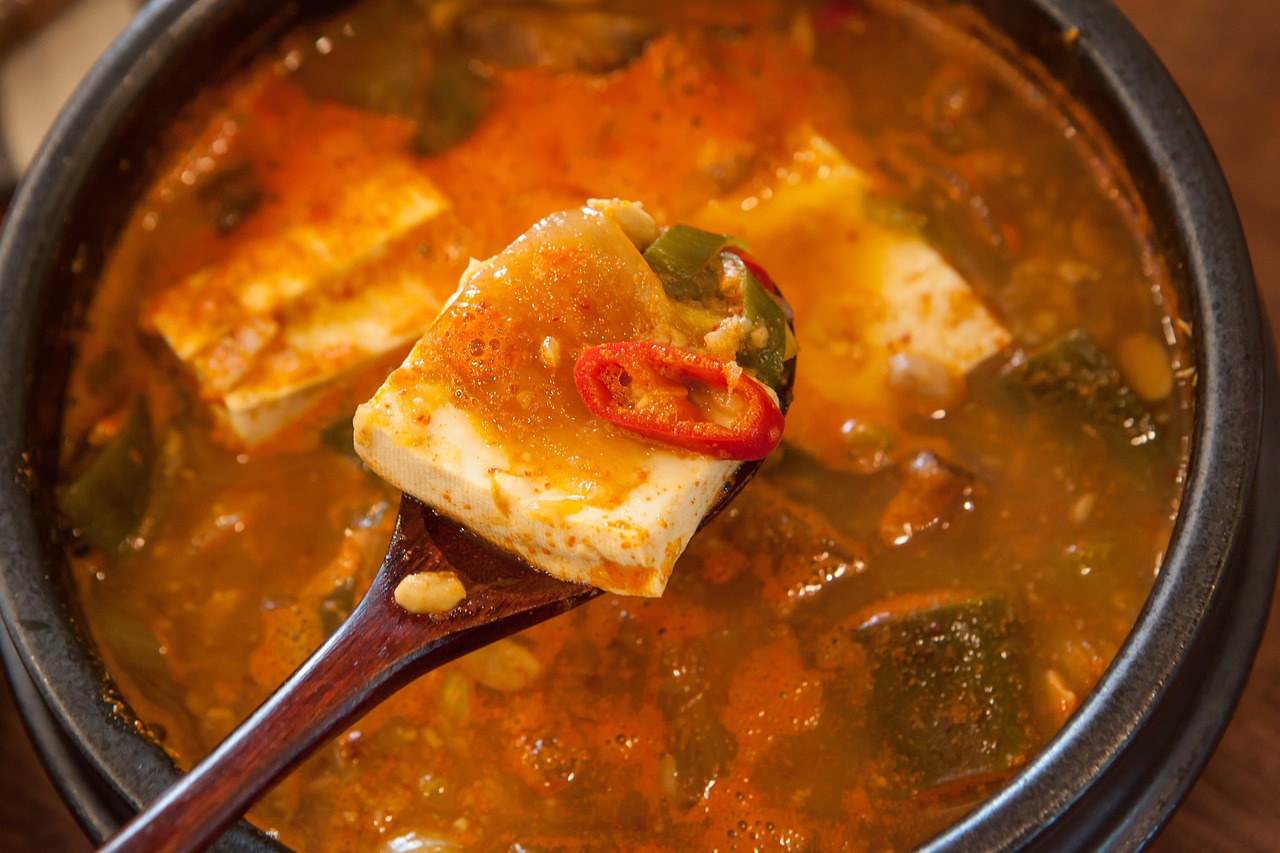
Known affectionately as the "Tofu House," Cho Dang Gol offers a different kind of warmth. Here, the focus shifts from the grill to the hearth. They specialize in handmade soft tofu, made fresh daily, which possesses a cloud-like texture rarely found elsewhere in the city.
- The Vibe: Rustic and homestyle, reminiscent of a rural Korean village inn.
- The Dish: The Seafood Soondubu—a bubbling cauldron of silken tofu, briny shrimp, and clams in a broth that carries a creeping, addictive heat.
Modern & Michelin: The High-End Experience
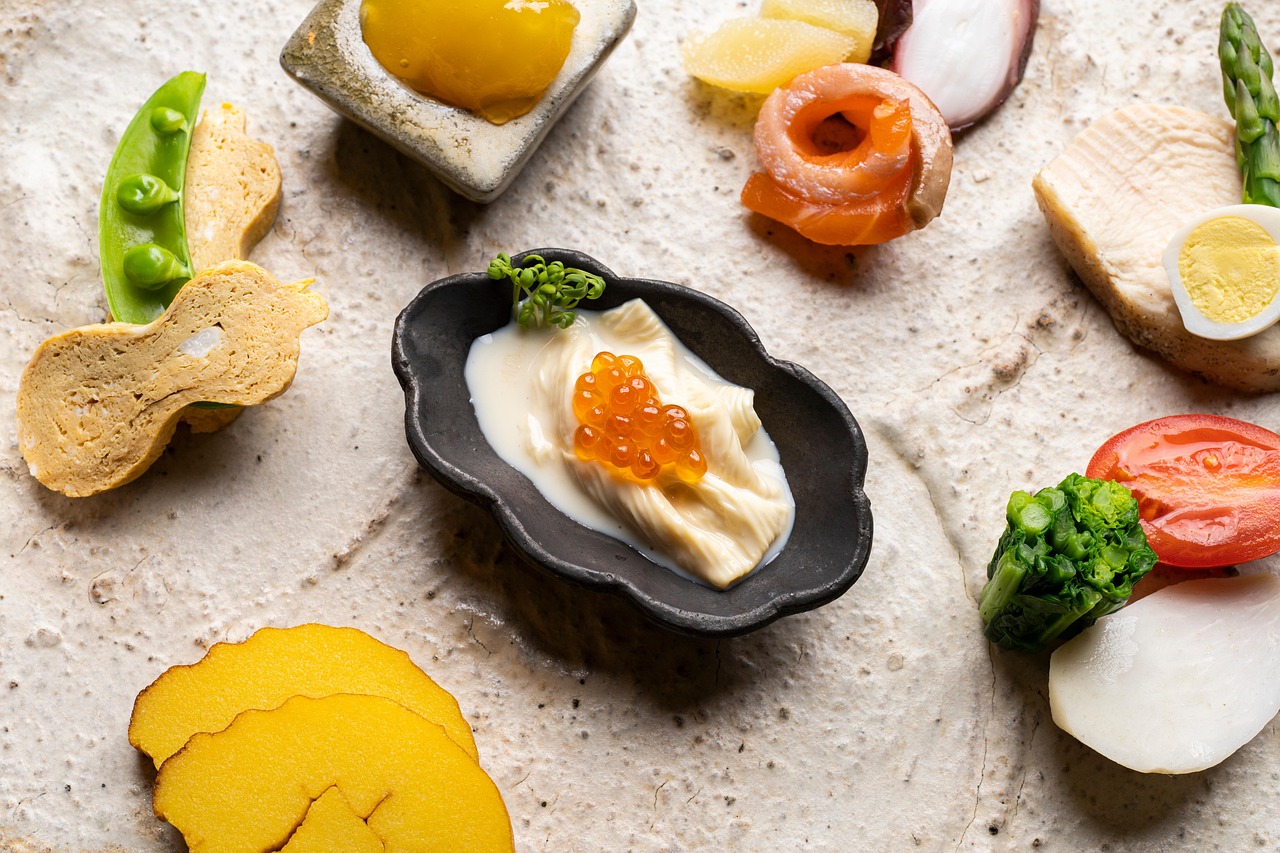
In recent years, NYC has become the global stage for modern Korean dining. These establishments take the foundational flavors of fermentation and fire and elevate them into high art.
Atomix
To dine at Atomix is to participate in a cultural exchange. Chef Junghyun "JP" Park and his wife Ellia have created a two-Michelin-starred experience that is as educational as it is delicious. Each course is accompanied by a beautiful flashcard detailing the ingredients, the history of the dish, and the specific Korean artisans who crafted the ceramics.
- The Detail: Expect innovative uses of fermentation—think wagyu beef paired with 2-year-old aged kimchi or delicate seafood served with fermented fruit waters.
- Price Point: $375+ per person.
- Experience Atomix →
Cote
If you were to marry a classic American steakhouse with a high-energy Korean BBQ joint, the result would be Cote. It is sleek, sexy, and focused on the highest quality beef available. It’s a "Best Korean BBQ" contender that feels like a Manhattan party.
- Pro Tip: Order the "Butcher’s Feast." It is remarkably high value for a Michelin-starred spot, providing four cuts of USDA Prime beef and an array of banchan, stews, and soft-serve ice cream.
The Fried Chicken Obsession
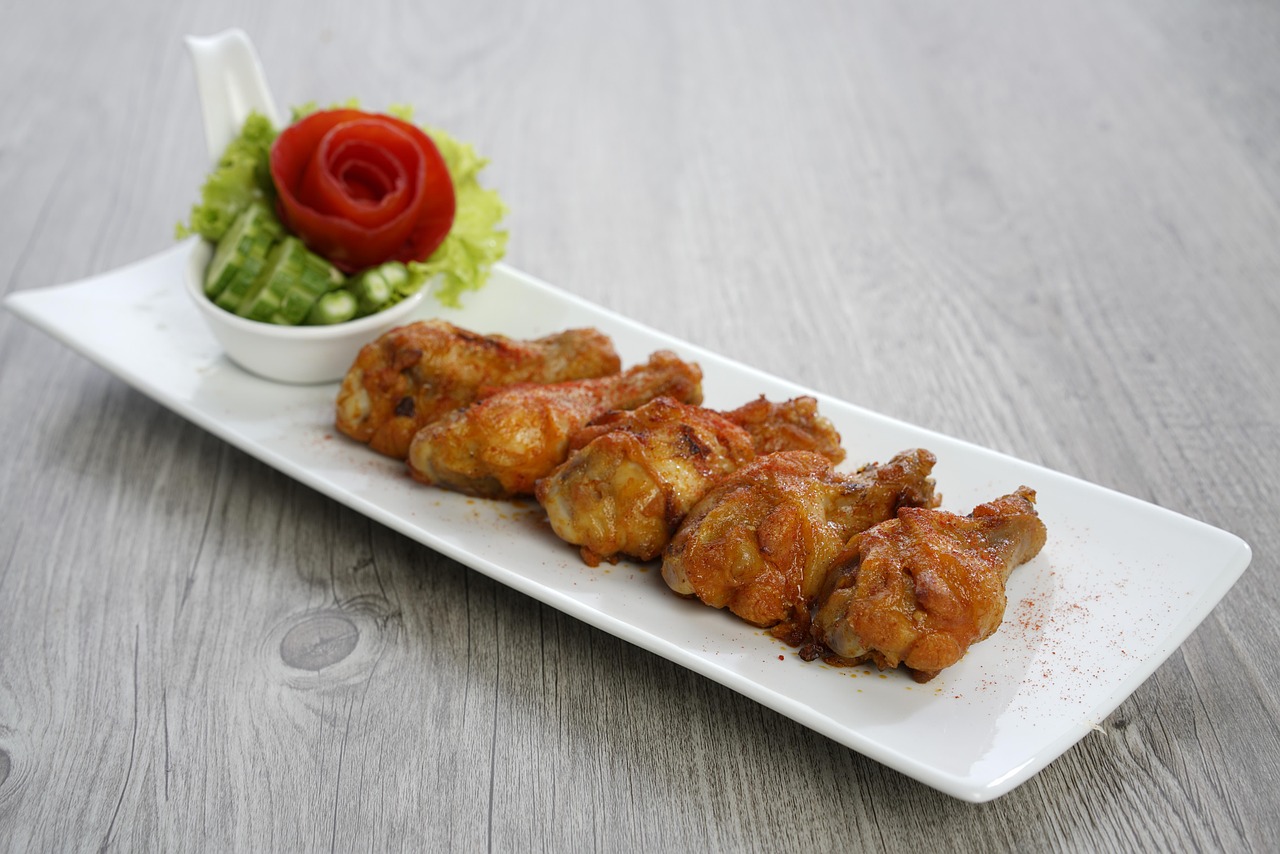
Korean fried chicken (KFC) is a masterclass in texture. Unlike its American counterpart, the Korean version is fried twice, rendering out the fat and creating a paper-thin, shatteringly crisp skin that holds its crunch even when drenched in glaze.
Peeps Kitchen
For the best Korean fried chicken in NYC, many locals make the pilgrimage to Peeps Kitchen in Brooklyn. This isn't just fast food; it’s a craft. They are highly recommended for their Gang Jeong—a sweet, spicy, and sticky glaze that somehow never compromises the double-crispy skin beneath.
- The Vibe: Casual, neighborhood-centric, and focused entirely on the bird.
- At a Glance:
- Address: 553 3rd Ave, Brooklyn, NY 11215
- Price: $$
Coqodaq
From the team behind Cote comes Coqodaq, a "fried chicken cathedral" in Flatiron. It’s where you go when you want your fried chicken served with a side of champagne. The batter is gluten-free (made with fermented rice flour), making it incredibly light.
"The juxtaposition of a greasy-fingered bucket of chicken and a vintage bottle of Krug is the kind of culinary irony that only New York could pull off so convincingly."
Cultural Immersion & Concept Dining: Kisa
One of the most exciting openings in recent memory is Kisa in the Lower East Side. The restaurant is modeled after traditional Kisa Sikdang—the "taxi driver cafeterias" of Korea. These spots were historically designed to provide drivers with quick, nutritious, and affordable meals that felt like home.
The experience at Kisa is wonderfully retro. You are served a fixed platter featuring a main protein (like spicy pork or bulgogi) surrounded by a vibrant constellation of seasonal banchan—small side dishes ranging from soy-marinated eggs to pickled radish. The self-serve coffee machine at the exit, dispensing sweet instant coffee, is the perfect nostalgic touch.
The Queens Corridor: Authentic Soups & Stews
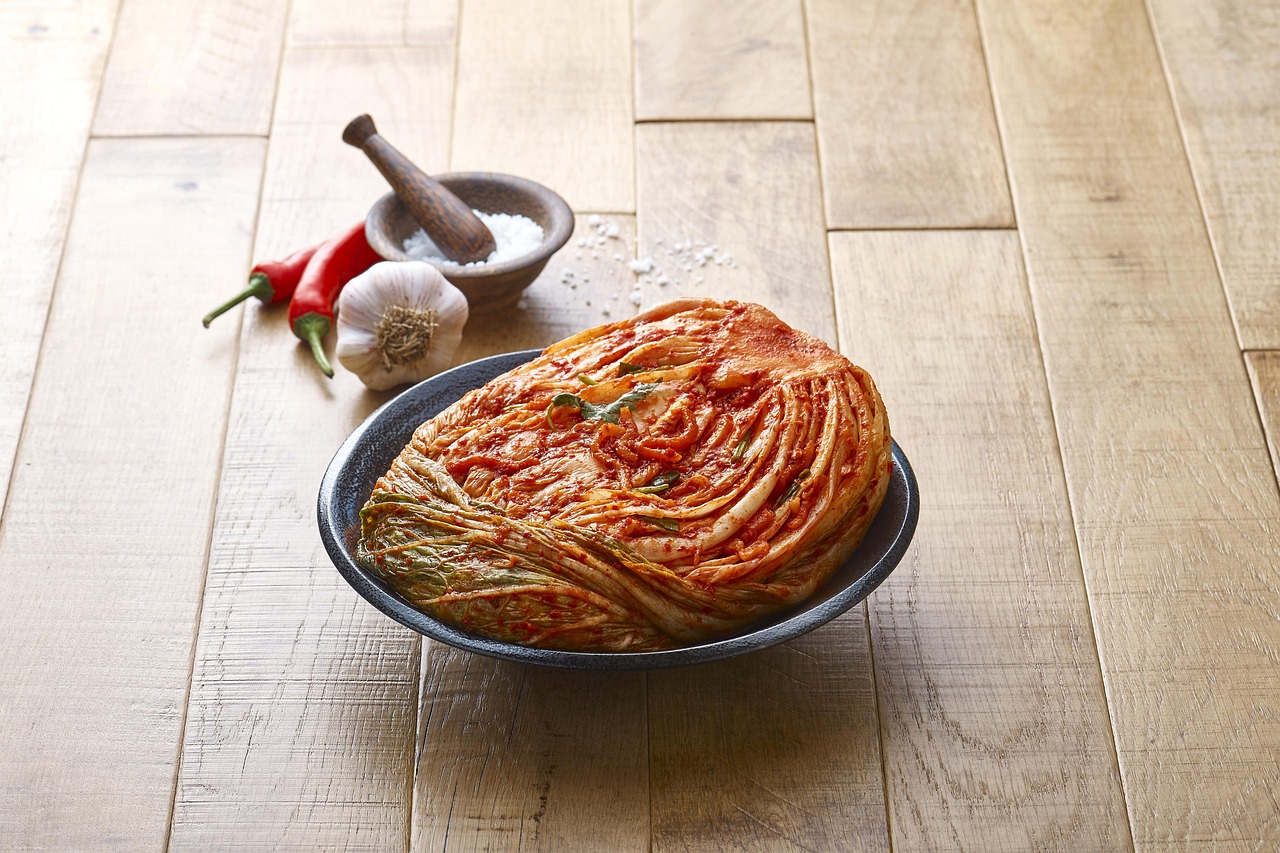
While Manhattan has the glamour, Queens has the soul. Approximately 75% of New York City's traditional Korean soup and specialty 'Gukbap' houses are located in the Flushing and Bayside corridors of Queens. This is where you go for "healing" food—dishes meant to restore the spirit.
Gahwa (Flushing)
Gahwa is a temple to Seolleongtang, the milky-white ox bone soup that requires 24 hours of simmering to achieve its rich, velvety consistency. In a world of fast-paced dining, Gahwa feels like a slow, deliberate exhale.
| Feature | Gahwa Seolleongtang | Typical Manhattan BBQ |
|---|---|---|
| Primary Flavor | Subtle, clean, beefy | Bold, smoky, sweet |
| Vibe | Quiet, restorative | Energetic, social |
| Best For | Breakfast or late-night healing | Dinner and drinks |
Mapo BBQ
If you want charcoal BBQ without the Manhattan "scene," Mapo BBQ in Flushing is the answer. It is no-frills and focused entirely on the quality of the meat—specifically their legendary pork ribs.
- Pro Tip: Finish your meal with Naengmyeon (cold buckwheat noodles). The icy broth is the traditional way to cleanse the palate after a heavy session of grilled meats.
Navigating the NYC Korean Scene: A Comparison
| Restaurant | Neighborhood | Vibe | Price Range |
|---|---|---|---|
| New Wonjo | Manhattan K-Town | Traditional/24/7 | $$$ |
| Peeps Kitchen | Brooklyn | Casual/Takeout | $$ |
| Atomix | Flatiron | Fine Dining | $$$$ |
| Kisa | Lower East Side | Retro/Concept | $$ |
| Gahwa | Flushing | Authentic/Comfort | $ |
FAQs: Navigating NYC's Korean Food Scene
Q: Do I need reservations for K-Town BBQ? A: For popular spots like Cote or Jongro, reservations are essential and often book up weeks in advance. However, New Wonjo and many 24/7 spots can accommodate walk-ins, though you should expect a 30-45 minute wait on weekends.
Q: What is the best way to get to the authentic spots in Flushing? A: Take the 7 Train to the last stop (Main Street). From there, many of the best Gukbap and specialty houses are a short Uber or a 15-minute walk toward the Murray Hill LIRR station area.
Q: Is "Korean-style" fried chicken different from regular fried chicken? A: Yes. The primary difference is the frying technique (twice-fried) and the skin (thinner and crunchier). It is also usually glazed by hand with a brush to ensure every crevice is coated without making the skin soggy.
Conclusion: A City Defined by Flavor
New York City’s Korean food scene is no longer a "hidden gem" or a niche category; it is a pillar of the city’s identity. From the charcoal smoke of New Wonjo that has drifted over 32nd Street for decades to the avant-garde plates at Atomix that challenge our very definition of "Korean food," the city offers a flavor for every mood and every neighborhood.
The next time you find yourself wandering the streets of Manhattan or the corridors of Queens, follow your nose. Whether it leads you to a steaming bowl of ox bone soup in Flushing or a champagne-paired bucket of wings in Flatiron, you aren't just eating a meal—you are experiencing a piece of New York’s living, breathing history.