Quick Facts
- The Vibe: Authentic, lush, and community-driven. Hilo is the cultural heart of the Big Island, far removed from the manicured resort experience of the west side.
- 2025 Focus: "Mālama" (care for the land/people) and regenerative tourism. Travelers are encouraged to give back through sustainable farm tours and supporting local artisans.
- Key Distinction: While Kona offers sun and luxury, Hilo provides rainforests, dramatic waterfalls, and a deep-rooted connection to indigenous Hawaiian history.
- Top 2025 Activity: Regenerative agriculture tours at O.K. Farms and immersive dining experiences at Na‘au.
Introduction: The 'Sleepy' Coast Awakens
As the violet dusk settles over Hilo Bay, the air carries a distinct heaviness—a sweet, humid perfume of frangipani and damp earth that signals you’ve arrived in the real Hawaii. For decades, the Big Island’s east coast was often dismissed as the "sleepy" side of the island, a rain-soaked detour for those seeking a quick photo of a waterfall before retreating to the sun-bleached resorts of Kona. But in 2025, the narrative has shifted. Hilo is no longer just a pit stop; it is the epicenter of a profound cultural and sustainable rebirth.
We are witnessing a transformation driven by Mālama—the Hawaiian value of stewardship. While the world's major tourism hubs struggle with over-saturation, Hilo has leaned into its roots, offering a slower-paced, soulful alternative. Here, cultural traditions aren't confined to museums; they are woven into the daily rhythm of the farmers' markets, the revival of indigenous agriculture, and the quiet pride of the community. For the traveler seeking depth over a tan, the east coast is finally wide awake.
Hilo vs. Kona: Which Side is Right for Your 2025 Trip?
One of the most frequent questions we hear is: "Why choose Hilo over Kona?" The answer lies in what you value. Kona is the kingdom of the sun—a land of world-class resorts, white-sand beaches, and volcanic moonscapes. It is designed for leisure. Hilo, by contrast, is a living, breathing community nestled within a tropical rainforest. It offers a culturally immersive experience focused on local connection rather than tourist-heavy development.
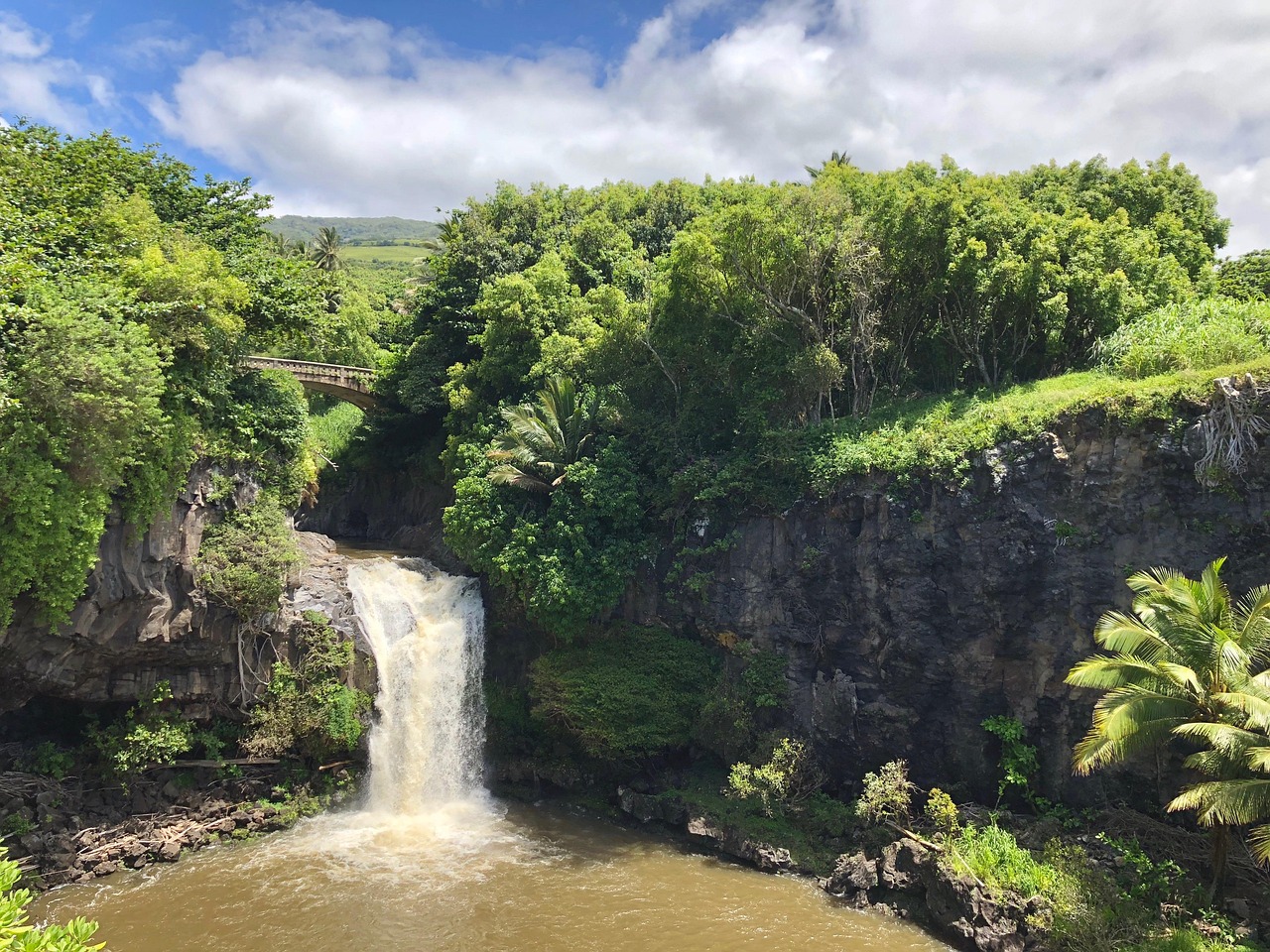
In Hilo, your morning coffee comes from a family-run roastery, and your afternoon swim is in a cold-spring-fed tide pool tucked behind ancient basalt rocks. The visual contrast is striking: Kona’s stark, black lava fields are traded for Hilo’s emerald gulches and exploding tropical flora.
| Feature | Hilo (East Coast) | Kona (West Coast) |
|---|---|---|
| Atmosphere | Authentic, Local, Rainforest-Lush | Resort-Heavy, Sunny, Leisure-Focused |
| Landscape | Waterfalls, Cliffs, Emerald Gulches | Volcanic Moonscapes, Sandy Beaches |
| Pace | Slower, Community-Centric | Fast-Paced, Commercialized |
| Best For | Culture Seekers, Hikers, Eco-Travelers | Sun-Seekers, Luxury Travelers, Golfers |
Local Insight: "We don't just want visitors to see Hilo; we want them to feel it. It’s about the connection between the land (the 'aina) and the people. If you come with an open heart and a respect for our pace, Hilo will give you something a resort never could." — Local Hilo Guide
Sustainable Stays: Hospitality with a Soul
In 2025, where you stay matters as much as what you do. Hilo has moved away from the "mega-resort" model, favoring hospitality that honors the environment and the local lineage. Leading this charge is the SCP Hilo Hotel. Standing for "Soul, Community, Planet," this property isn't just a place to sleep; it’s a manifesto in action.
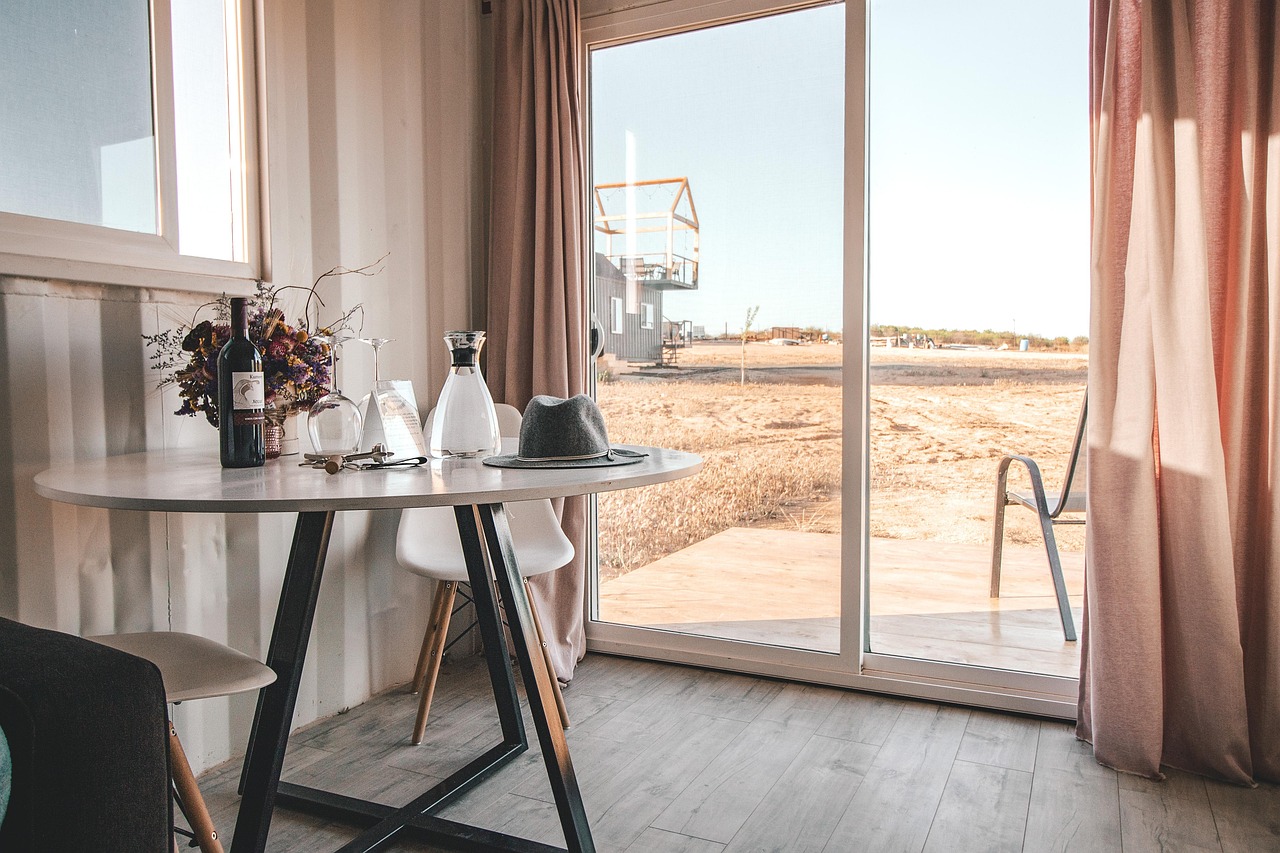
The hotel occupies a historic site once managed by the legendary Richard Wassman Kimi, a pioneer in making Hawaiian travel accessible to local families. Today, that legacy of inclusivity continues through a modern lens of sustainability. For every stay, the hotel facilitates "Every Stay Does Good" programs, which range from clearing marine debris to planting trees. The rooms are intentionally minimalist—reclaimed wood, local art, and a lack of traditional distractions—designed to help you reconnect with the island's natural rhythm.
The Culinary Renaissance: From 90% Import to Indigenous Abundance
Perhaps the most exciting aspect of Hilo’s rebirth is found on the plate. For a long time, Hawaii has faced a startling reality: the archipelago imports approximately 90% of its food supply. This reliance makes the islands vulnerable and disconnects locals from their ancestral lands. However, East Hawaii is currently leading a regenerative agriculture movement that is flipping this statistic on its head.
The culinary scene in Hilo is no longer about "Hawaiian-fusion" designed for tourists; it’s about food security and indigenous pride. At Na‘au, Chef Brian Hirata is performing a kind of culinary archaeology. By sourcing ingredients that were once staples of the Hawaiian diet but have since fallen into obscurity—wild foraged plants, local game, and specific varieties of taro—he creates a narrative of the island through taste.
Top Sustainable Food Experiences:
- O.K. Farms: Join an eco-agricultural tour to see how macadamia nuts, lychee, and coffee are grown in the shadow of Rainbow Falls.
- Big Island Coffee Roasters: Visit their Hilo hub to learn about high-elevation beans and why supporting local growers is vital for the island’s economy.
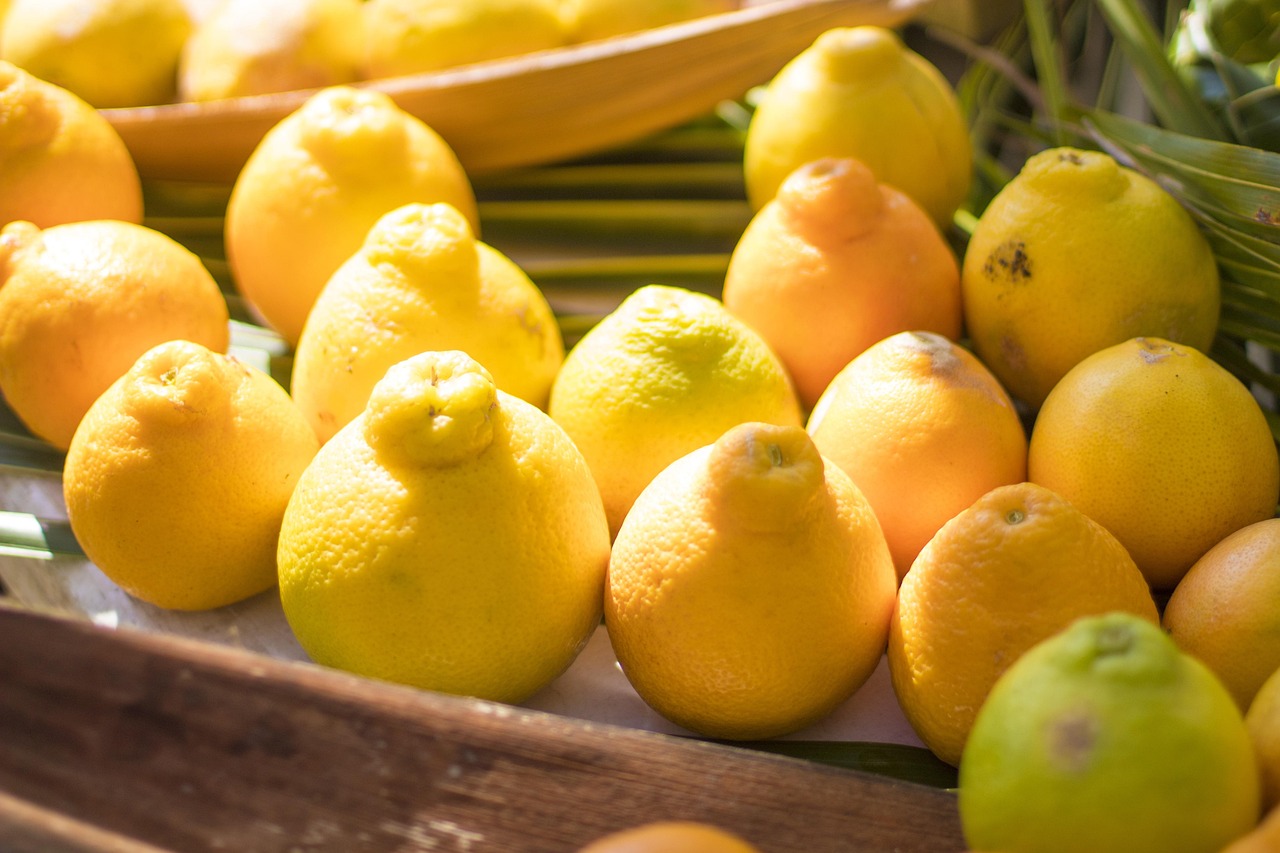
- Hilo Farmers Market: More than 200 vendors gather here. It is the best place to find "ugly fruit" that tastes like heaven and supports small-scale family farms.
Pro-Tip: Always look for the "Eat Local" or "Pono" certifications at restaurants. These indicate that a significant portion of their ingredients is sourced within 50 miles.
Journeying the Hāmākua Heritage Corridor
To truly understand the "Sleepy Coast," you must drive the Hāmākua Heritage Corridor. This 50-mile stretch north of Hilo is a masterclass in movement logic—connecting geographic wonders through a series of historic plantation towns and soaring bridges.
As you navigate the Onomea Scenic Drive, the road narrows and winds through a canopy of vines and giant ferns. You'll pass historic bridges that once transported sugar cane, now moss-covered relics of a bygone era. The waterfalls here are legendary. While Rainbow Falls is the most accessible (and famous for the rainbows that appear in its mist around 10 AM), Akaka Falls State Park is the true showstopper. Here, you take a short, paved loop through a bamboo forest to witness the 442-foot drop of Akaka Falls as it plunges into a steam-filled gorge.
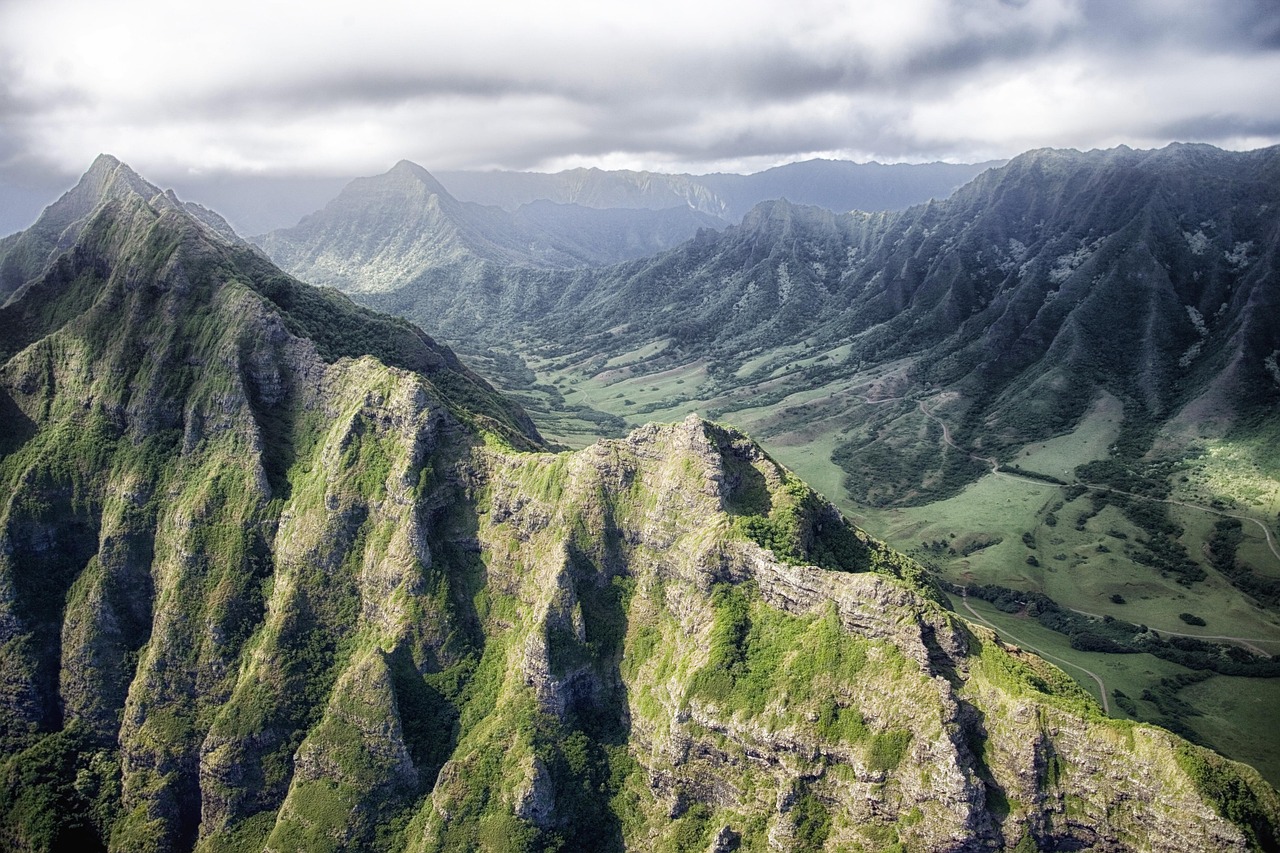
The corridor eventually leads to the sacred Waipi‘o Valley. This is where the narrative of "respectful tourism" becomes critical. Historically, the Waipi‘o Valley supported an estimated 5,000 residents in the 1700s and was the childhood home of King Kamehameha the Great. Today, it maintains a small off-grid community of approximately 50 people preserving traditional taro farming.
How to experience Waipi‘o Valley respectfully in 2025: Due to the precarious state of the access road and the need to protect the privacy of the residents, the valley floor is currently closed to non-residents. However, you can still honor this "Valley of the Kings" by:
- Enjoying the panoramic views from the Waipi‘o Valley Lookout.
- Joining an authorized local tour that provides cultural context without intruding on residential spaces.
- Respecting all "No Trespassing" signs—remember, for the taro farmers below, this isn't a playground; it is their home and livelihood.
Essential 2025 Travel Logistics
Planning a trip to Hilo requires a slightly different approach than a standard beach holiday.
Getting There
While most international flights land at Kona International (KOA), we highly recommend flying directly into Hilo International (ITO) if your focus is the east coast. It is a smaller, stress-free airport that puts you just minutes away from downtown Hilo. If you do land in Kona, the drive to Hilo via the Saddle Road is one of the most surreal experiences in the world. You’ll ascend between the giants of Mauna Kea and Mauna Loa, traveling through high-altitude deserts and volcanic clouds before descending back into the rainforest.

Best Seasons
- Spring (The Shoulder Season): This is the best time for cultural enthusiasts. Hilo hosts the Merrie Monarch Festival (the world's premier hula competition) the week after Easter. Accommodations book up a year in advance, so plan accordingly.
- Winter: Ideal for whale watching off the Hāmākua Coast, though expect more rain. Remember, the rain is what makes Hilo green—embrace it!
Sustainability Etiquette
- Reef-Safe Sunscreen Only: Hawaii law prohibits the sale of sunscreens containing oxybenzone and octinoxate.
- Support "Mom and Pop": Whenever possible, choose a local guesthouse or a family-owned eatery over a chain.
FAQ: Planning Your Hilo Adventure
Q: Is it always raining in Hilo? A: Hilo is one of the wettest cities in the U.S., but it rarely rains all day. Expect "liquid sunshine"—passing tropical showers followed by brilliant sun. Most rain happens overnight or in the early morning, leaving the afternoons lush and vibrant.
Q: Can I see the volcano from Hilo? A: Yes! Hilo is the closest major city to Hawaii Volcanoes National Park (about a 45-minute drive). It serves as the perfect base for exploring the Kilauea caldera.
Q: Do I need a 4WD vehicle for the East Coast? A: For general sightseeing and driving the Hāmākua Heritage Corridor, a standard vehicle is perfectly fine. However, if you plan to explore more rugged backcountry trails (where permitted), a 4WD may offer more peace of mind.
CTA: Start Your Authentic Hawaiian Journey
The Big Island’s east coast is calling to those who want more from their vacation than just a lounge chair. It is a place of rebirth, deep culture, and breathtaking natural beauty. Whether you’re tasting indigenous flavors at Na‘au or waking up to the sound of rain at SCP Hilo, your 2025 journey starts here.