Quick Facts
- Biodiversity Hotspots: The most beautiful places in the world offer diverse landscapes, from the Amazon rainforest, which covers 40% of South America, to the vibrant marine life of the Coral Triangle.
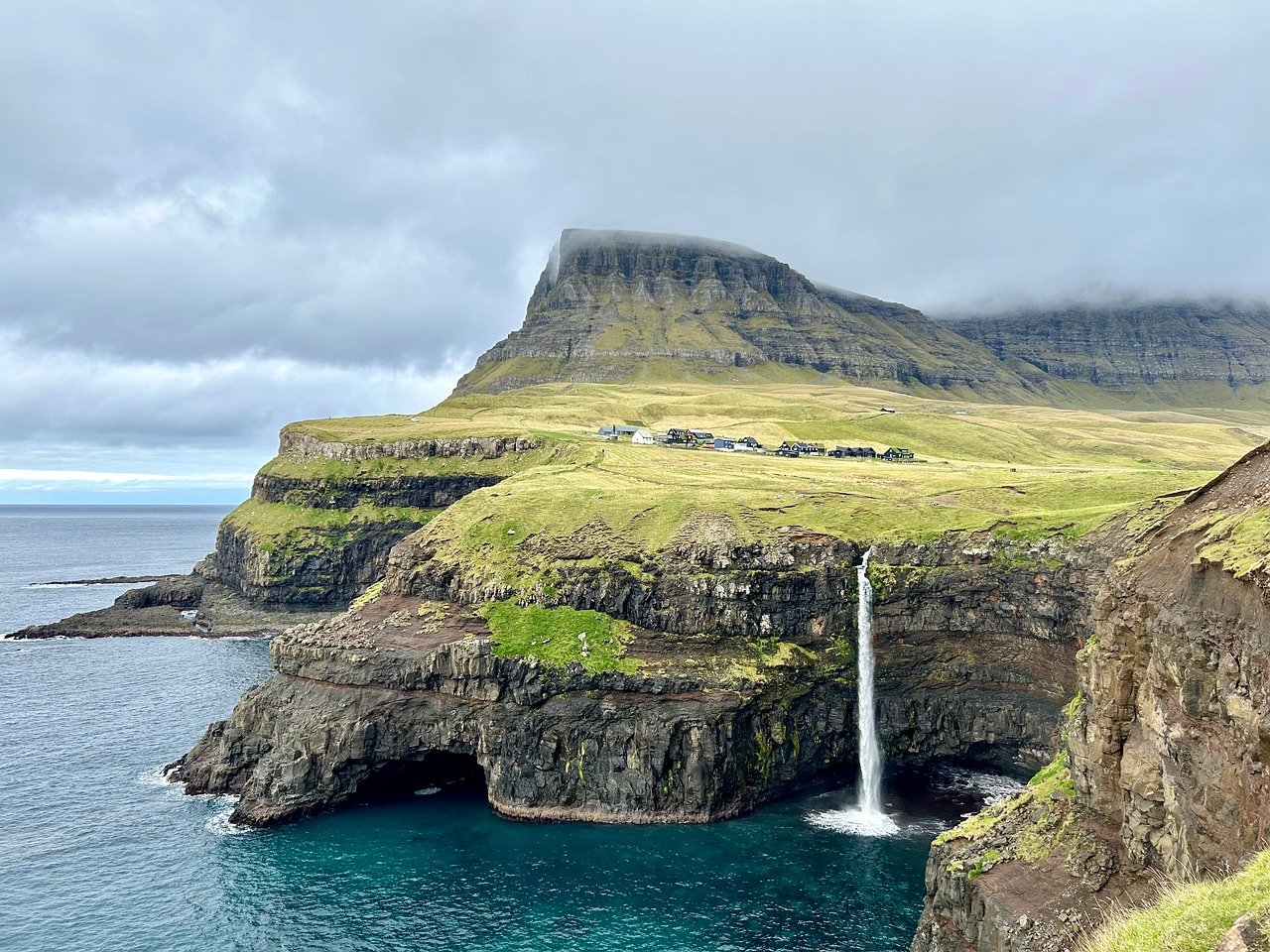
- The Rise of the "Hidden Gem": 2025 travel trends emphasize remote, quiet luxury in spots like the Faroe Islands and Bhutan's Phrumsengla National Park.
- Timing is Everything: Witnessing scenic natural wonders requires precise planning, such as visiting the Serengeti between January and March for the Great Migration.
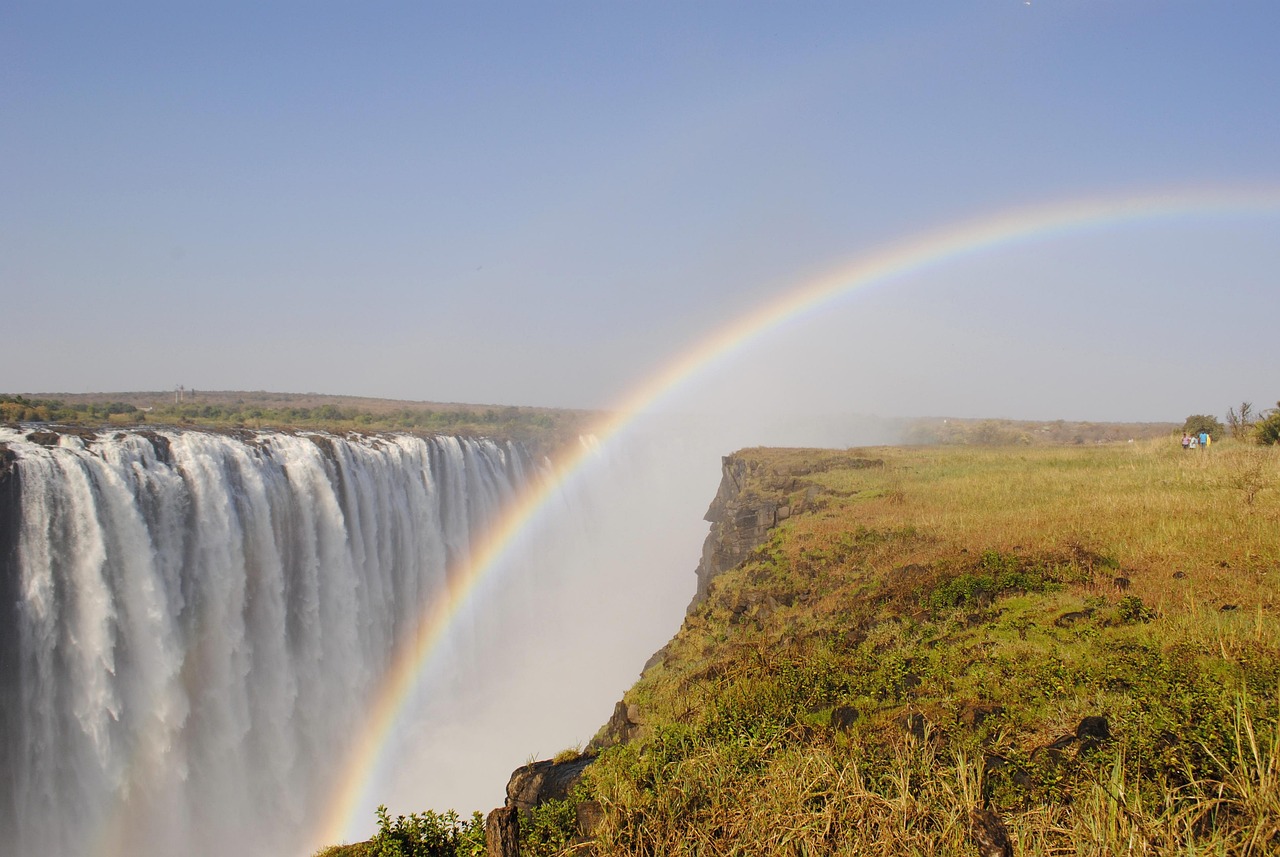
- Nature’s Scale: Victoria Falls remains a peak bucket list destination, discharging over 500 million liters of water every minute during its peak season.
The Call of the Wild: Why We Seek Beauty in 2025
Close your eyes and imagine a world where the air smells of crushed pine and ancient salt, where the horizon isn't blocked by steel but defined by the jagged teeth of the Andes or the shimmering emerald curves of a Vietnamese bay. As we move into 2025, the definition of travel has shifted. It is no longer just about the "sights"; it is about the profound emotional resonance of standing before Mother Nature’s greatest masterpieces.
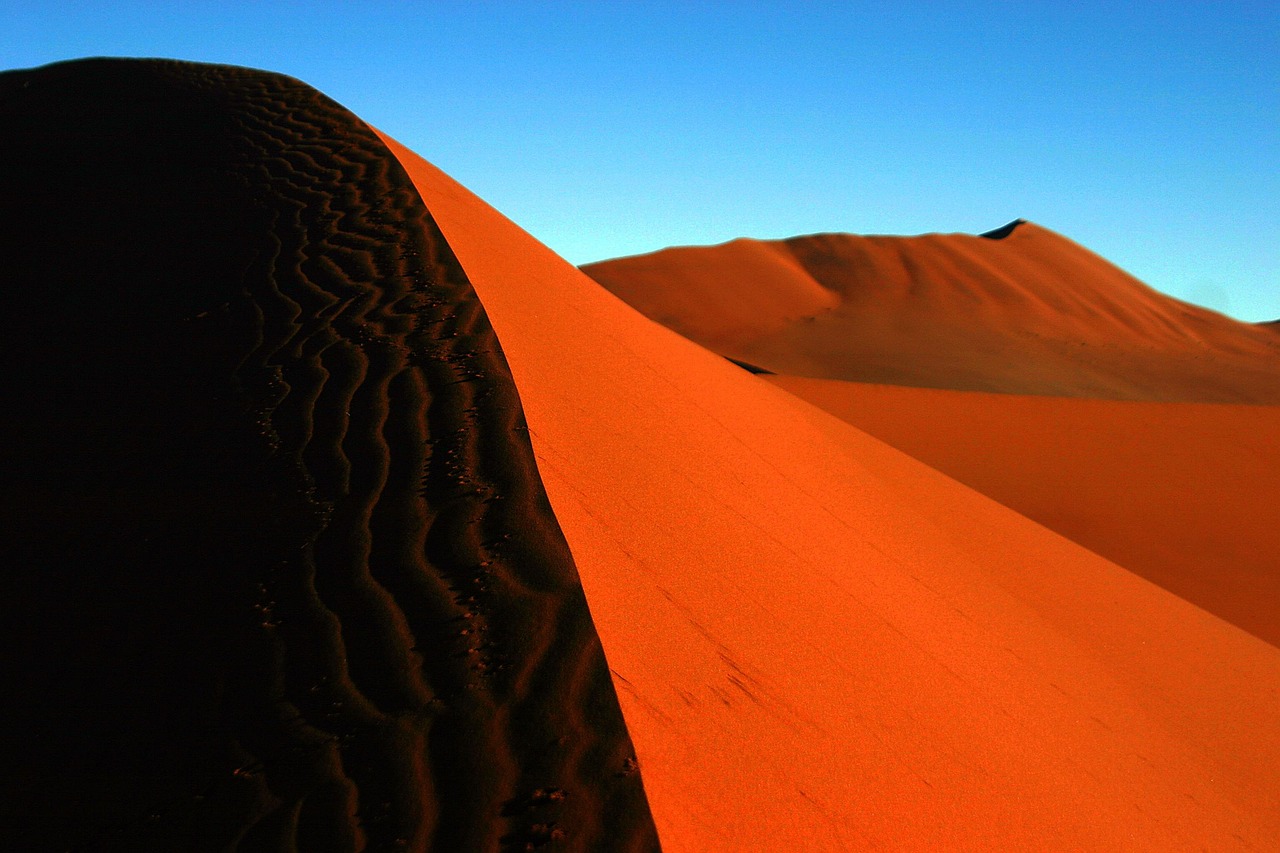
The most beautiful places in the world offer diverse landscapes, including the Amazon rainforest in South America, the turquoise waters of Ha Long Bay in Vietnam, and the red dunes of the Namib Desert in Africa. These are locations that do not merely invite observation—they demand awe. Whether you are a seasoned trekker or a soul in search of a quiet coastal sanctuary, our ultimate bucket list for 2025 spans the globe to find the most breathtaking destinations for the modern explorer.
I. 2025’s Exclusive Hidden Gems: The New Luxury
In an era of over-tourism, the ultimate luxury is silence. Travelers seeking hidden gems in 2025 should look to Andros in Greece, which offers lush valleys and secret waterfalls far from the crowds of Mykonos. Similarly, the Faroe Islands provide a rugged, wind-swept escape of sheer cliffs and turf-roofed houses, while Phrumsengla National Park in Bhutan serves as a biodiversity sanctuary where the peaks of the Himalayas meet ancient, mist-covered forests.
These "secret spots" are the new frontier for those who find beauty in solitude. They represent a shift toward intentional travel—choosing destinations that require a bit more effort to reach but reward the visitor with a sense of discovery that popular landmarks can no longer provide. For instance, reaching the waterfalls of Andros involves navigating ancient stone paths used by shepherds for centuries, a far cry from the paved tourist tracks of Western Europe.
Discover Private Tours to 2025's Hidden Gems →
II. Iconic Natural Wonders: The Pillars of the Planet
While hidden gems offer peace, there are certain iconic natural wonders of the world that remain essential because of their sheer, overwhelming scale. These are the places that remind us of the Earth’s ancient history and its incredible resilience.
The Lungs of the Earth: The Amazon
The Amazon rainforest is a marvel of biological complexity. Covering approximately 40 percent of South America, it serves as a vital ecosystem home to over 40,000 plant species and 1,300 unique bird species. To drift down the Amazon River is to witness a world where the green canopy is so dense it creates its own weather. It is a place of deep shadows and vibrant life, where every square inch of the forest floor is teeming with evolution.
The Smoke That Thunders: Victoria Falls
On the border of Zambia and Zimbabwe lies Victoria Falls, a site recognized as the world's largest waterfall. The sheer power of the Zambezi River is hard to comprehend until you see it in person; during the peak season, it discharges over 500 million liters of water every 60 seconds. The local name, Mosi-oa-Tunya, translates to "The Smoke That Thunders," and the mist can be seen from miles away, creating permanent rainbows that arch over the deep gorges.
Vietnam’s Emerald Crown: Ha Long Bay
Ha Long Bay is Mother Nature's answer to a fantasy novel. Thousands of limestone karsts and isles of various shapes and sizes rise from the emerald waters of the Gulf of Tonkin. Cruising through this UNESCO World Heritage site at dawn, as the mist clings to the jagged peaks, is a spiritual experience. The bay is not just a visual wonder; it is a cultural one, home to floating fishing villages where life has remained unchanged for generations.
The Lowest Point on Earth: The Dead Sea
Bordering Israel and Jordan, the Dead Sea is a landscape of stark, surreal beauty. Ten times saltier than the ocean, its waters are a unique electric blue, contrasted against the white salt crusts that form along its shores. Floating effortlessly on its surface while watching the sun set behind the mountains of Moab is a bucket list experience that feels like visiting another planet.
III. Scenic Landscapes by Category
To help you narrow down your 2025 travel plans, we have categorized the world’s most stunning scenery based on the "vibe" of the landscape. From the driest deserts to the lushest islands, every corner of the globe offers a different kind of visual poetry.
1. Otherworldly Deserts & Formations
The world's deserts are far from empty; they are canvases of light and shadow.
- Atacama Desert, Chile: Specifically the Valle de la Luna (Valley of the Moon). With its salt-encrusted ground and wind-carved stone formations, it is the closest you can get to walking on the lunar surface without leaving Earth.
- Namib Desert, Namibia: Home to the tallest red dunes in the world. At Sossusvlei, the contrast between the burnt-orange sand and the stark white clay pans of Deadvlei, dotted with 900-year-old skeletal trees, creates a photographer's paradise.
- Danxia Landform, China: Often called the "Rainbow Mountains," these multicolored formations look as though they’ve been painted with a heavy brush. The stripes of red, yellow, and orange are the result of mineral deposits and sandstone layers shifting over 24 million years.
2. Lush Islands & Coastal Escapes
For those who find beauty where the land meets the sea, these destinations epitomize the harmonious blend of blue and green.
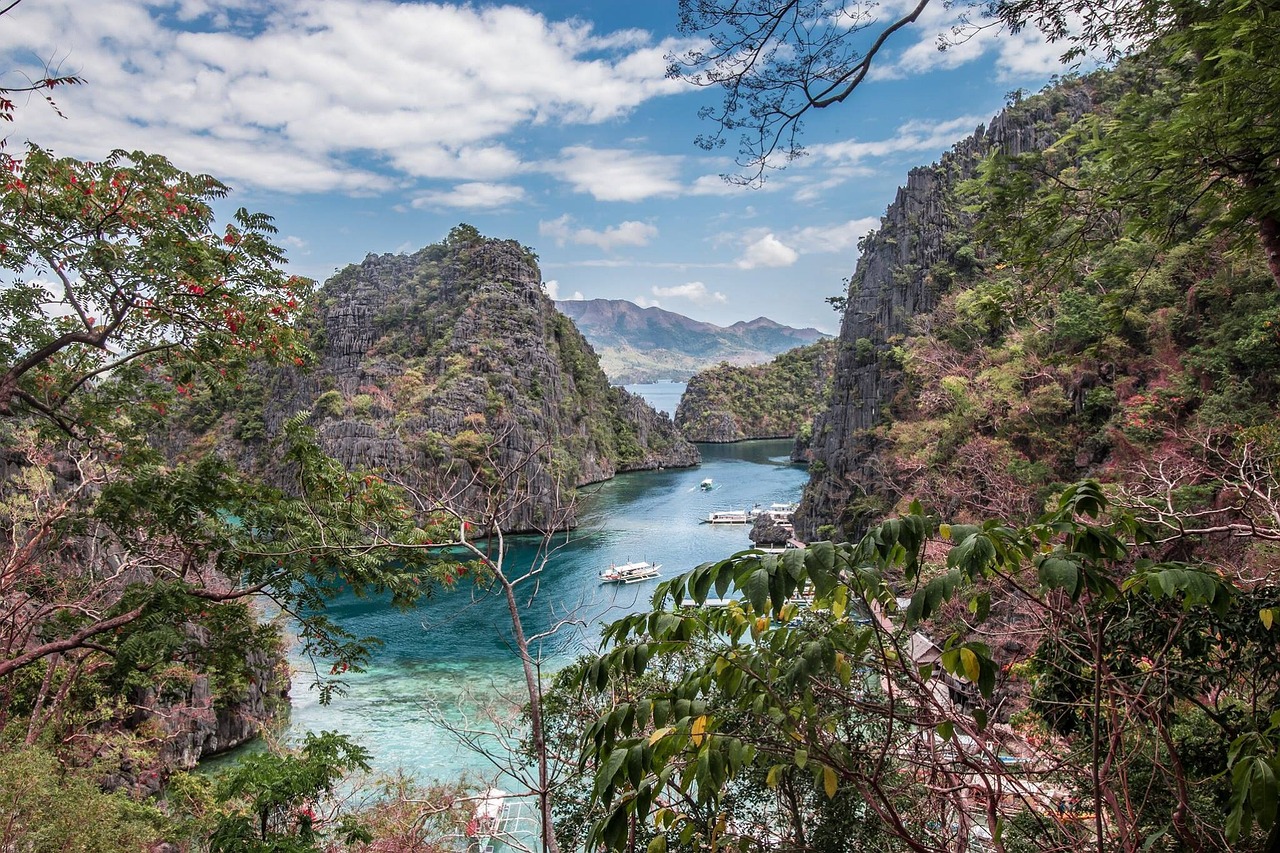
- Palawan, Philippines: Consistently voted one of the most beautiful islands in the world, Palawan is a labyrinth of blue lagoons, hidden beaches, and underground rivers. The El Nido region, with its towering limestone cliffs, is a masterclass in coastal aesthetics.
- Raja Ampat, Indonesia: Located off the coast of West Papua, this archipelago of 1,500 islands is the "Crown Jewel of the Coral Triangle." Prehistoric jungle peaks rise out of water so clear you can see the coral reefs from the surface. It is perhaps the most biodiverse marine habitat on the planet.
- Santorini, Greece: No list of beauty is complete without the iconic blue domes and whitewashed walls of Santorini. Perched on the rim of a volcanic caldera, the island offers Mediterranean sunsets that have inspired poets for millennia.
3. Majestic Mountains & Valleys
High-altitude beauty offers a sense of perspective like no other landscape can.
- The Himalayas, Nepal: The "Roof of the World" is home to 8,000-meter peaks and remote mountain monasteries adorned with colorful prayer flags. The sheer scale of the Annapurna or Everest regions is humbling.
- Banff National Park, Canada: Nestled in the heart of the Canadian Rockies, this park is famous for its glacial lakes. Lake Louise and Moraine Lake possess an impossible turquoise hue caused by "rock flour" suspended in the water, reflecting the surrounding snow-capped peaks.
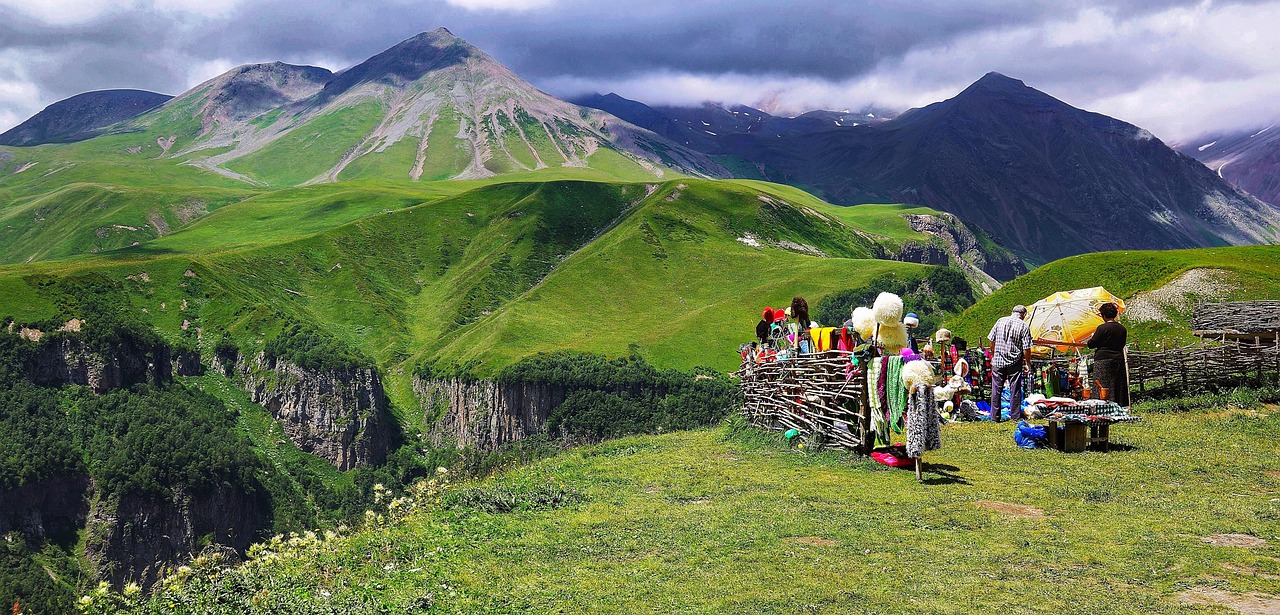
- Caucasus Mountains, Georgia: This rugged range serves as the ancient divide between Europe and Asia. With medieval stone towers perched on grassy hillsides and peaks that rival the Alps in height, Georgia is a rising star for 2025 travelers.
IV. Practical Planning: When to Go
The best time to visit scenic natural wonders varies by location; for example, the African Great Migration in the Serengeti is best viewed from January to March, while Japan's Mount Fuji is ideal for hiking from mid-July to August. Planning your trip around the "sweet spot" of the season ensures you see these places in their prime.
| Destination | Best Time to Visit | Why? |
|---|---|---|
| Serengeti, Tanzania | Jan – March | To witness the Great Migration calving season. |
| Mount Fuji, Japan | July – August | The official climbing season; clear skies for views. |
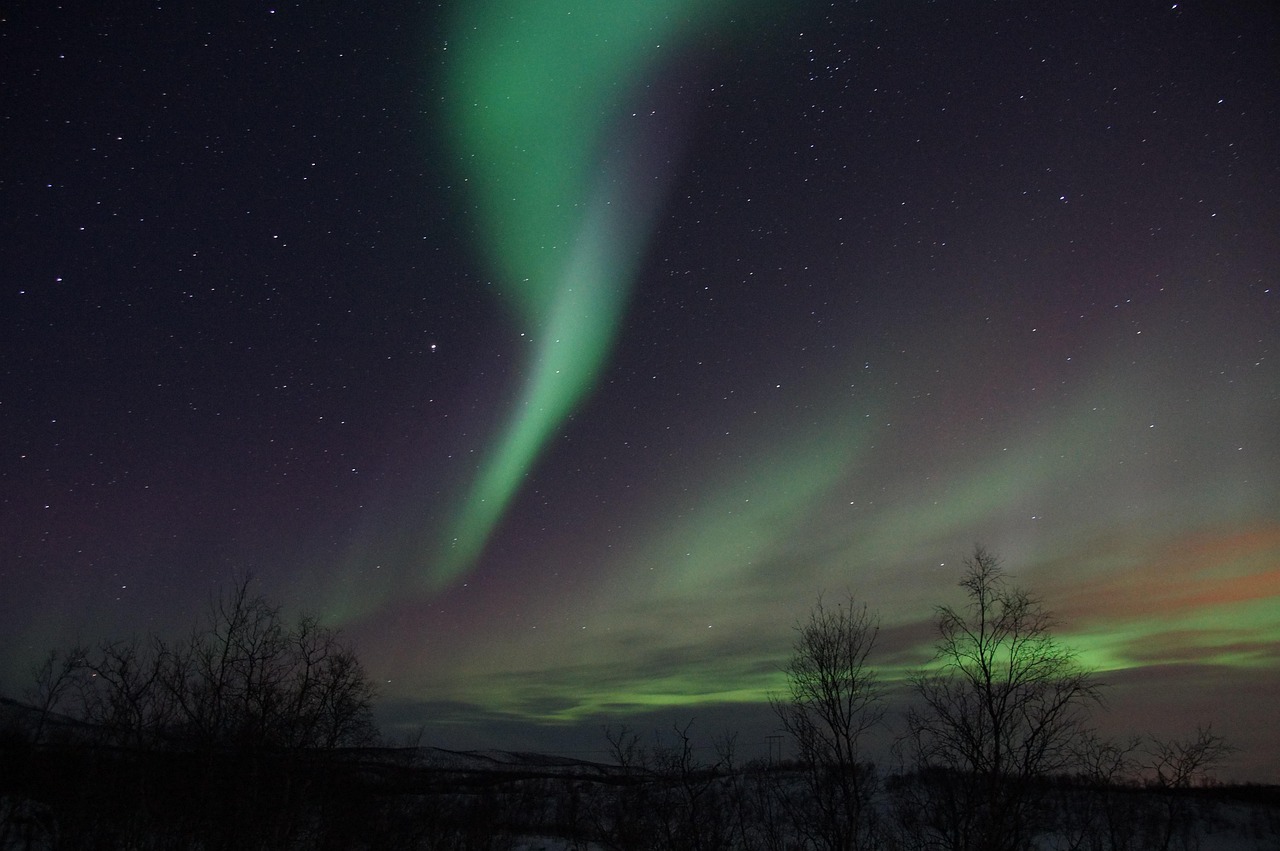
| Lapland, Finland | Nov – March | Peak season for the Northern Lights. |
| Amazon, Brazil | July – September | The "dry" season, better for wildlife spotting. |
| Santorini, Greece | May – June / Sept | Great weather without the peak summer crowds. |
| Banff, Canada | June – August | Glacial lakes are thawed and vibrant blue. |
| Faroe Islands | June – August | Long days and nesting puffins. |
| Victoria Falls | April – June | Maximum water flow after the summer rains. |
| Atacama, Chile | Sept – November | Springtime offers mild temperatures. |
| Ha Long Bay | March – May | Clear skies and pleasant temperatures. |
V. Travel Tips for the Modern Explorer
As we explore the world's most fragile ecosystems, from the Amazon to the Galapagos, the responsibility of the modern explorer is more significant than ever. Sustainability is no longer a buzzword; it is a requirement.
Expert Tip: To avoid the impact of over-tourism, consider visiting popular destinations during the "shoulder seasons"—the months just before or after the peak tourist period. You'll get better prices, fewer crowds, and a more authentic experience with the locals.
When visiting the Amazon or the Dead Sea, choose eco-certified lodges and tour operators that contribute directly to local conservation efforts. In places like the Faroe Islands or Bhutan, respect the local regulations regarding land use and photography; these rules are in place to ensure that the beauty we see today remains for generations to come.
FAQ
Q: What is the single most beautiful place to visit in 2025? A: Beauty is subjective, but for 2025, the Faroe Islands are a top recommendation for their unique blend of dramatic, untouched nature and peaceful isolation.
Q: Are these "Hidden Gems" expensive to visit? A: While some remote spots like Bhutan require a daily sustainable development fee, others like Andros in Greece are very affordable compared to their more famous neighbors.
Q: When is the best time to see the Northern Lights? A: To see the Aurora Borealis in places like Finnish Lapland or Iceland, you should plan your trip between November and March, when the nights are longest and darkest.
Start Your 2025 Adventure
The world is a vast, shimmering tapestry of landscapes waiting to be explored. Whether you find yourself trekking the red dunes of Namibia or floating in the turquoise lagoons of Palawan, 2025 is the year to check these wonders off your list. Don't just dream of the world's most beautiful places—experience them.