Quick Facts
- Tap Water: Not potable. Always consume filtered or bottled water.
- Altitude: 7,350 feet (2,240 meters). Expect shortness of breath and stay hydrated.
- Peak Dining: Lunch (comida) is from 1:30 PM to 5:00 PM. Dinner is a late affair, rarely starting before 8:00 PM.
- Tipping: 10-15% is standard for locals, but 20% is encouraged for international visitors to support the local economy.
- Safety: Stick to ride-share apps like Uber; avoid hailing street taxis (taxis libres).
Mexico City—or CDMX, as the locals call it—does not merely exist; it breathes, sighs, and occasionally shouts. To the uninitiated, the capital of Mexico can feel like a beautiful, chaotic fever dream. It is a place where the scent of roasting blue corn mingles with the exhaust of vintage Volkswagens, and where ultra-modern skyscrapers cast long shadows over colonial cathedrals built atop Aztec ruins.
To visit Mexico City is to enter a complex social tapestry woven with deep threads of tradition, politeness, and a specific rhythmic pacing. While the city is immensely welcoming, it operates on a set of unwritten rules. Understanding these nuances is the difference between being a mere spectator and moving through the city with the grace of a chilango (a resident of the city).
Rule 1: The Golden Rule of Water
In a city of such culinary brilliance, it is ironic that its most fundamental element—water—requires the most caution. For the traveler, the rule is absolute and non-negotiable.
Is it safe to drink the tap water in Mexico City? No, the tap water in Mexico City is not potable. Always drink filtered or bottled water, and ensure that restaurants use commercial ice made from purified water.
While the city’s water treatment plants are modern, the aging pipe system can introduce contaminants before the water reaches the tap. Most households and all reputable restaurants rely on garrafones—large 20-liter jugs of purified water. When you sit down at a café, the water served in a glass is almost certainly from one of these filtered sources, but it never hurts to ask, "¿Es de filtro?" (Is it filtered?).
For those with particularly sensitive systems, I recommend using bottled water even for brushing your teeth. Additionally, be mindful of raw vegetables and fruits that may have been washed in tap water at lower-end establishments. Stick to places that clearly cater to high hygiene standards or where the food is cooked at high heat.

Rule 2: Master the Clock (Dining & Punctuality)
In Mexico City, time is not a rigid line; it is a suggestion. This is most evident in the city's dining schedule, which follows a Mediterranean-style rhythm that can catch North Americans and Northern Europeans off guard.
When do people eat lunch and dinner in Mexico City? Lunch (comida) is the main meal of the day, served between 1:30 PM and 5:00 PM. Dinner (cena) is usually a lighter meal and is rarely eaten before 8:00 PM or 9:00 PM.
If you attempt to find a bustling dinner spot at 6:00 PM, you will likely find yourself alone with the staff as they set the tables. The city truly comes alive after dark. Conversely, the comida is a sacred, multi-course event. It is the heart of the day, a time for business deals and family reunions alike.
Perhaps the most beautiful of all Mexican unwritten rules is the concept of sobremesa. Derived from the word "table," it refers to the time spent lingering after a meal has been finished—conversing, sipping a carajillo (espresso with Licor 43), and enjoying the company of others. In Mexico City, it is considered incredibly rude for a waiter to bring the bill (la cuenta) before you ask for it. To do so would imply they are kicking you out. When you are ready to leave, catch the waiter's eye and make a writing motion in the air or simply say, "La cuenta, por favor."
Finally, one must understand the word ahorita. Literally translated as "little right now," it can mean anything from "in five seconds" to "within the next three hours" or "never." It is not meant to be deceptive; it is simply a linguistic expression of a culture that prioritizes the present moment over the pressure of the clock.
Rule 3: The Tipping Economy
Mexico City is a city of service. From the person who bags your groceries to the man who helps you back out of a parking space (el viene-viene), the economy is greased by small tips known as propinas.
What is the tipping culture in Mexico City? While locals typically tip 10-15%, visitors earning in USD or Euros are encouraged to tip 20% at restaurants. This gesture goes a long way in supporting local service staff in an economy where the cost of living is rising faster than wages.
To put this in perspective, the monthly minimum salary in Mexico is approximately $450 USD. For many residents, a $10 USD ride-share or a single cocktail at a high-end bar in Roma Norte is equivalent to half a day's wages. Being a "good guest" in CDMX means recognizing this disparity.
A Quick Guide to Propinas:
| Service | Suggested Tip |
|---|---|
| Restaurants | 15% - 20% |
| Coffee Shops | 10 - 20 Pesos (or change) |
| Grocery Baggers | 5 - 10 Pesos |
| Gas Station Attendants | 10 - 20 Pesos |
| Hotel Bellhop | 50 - 100 Pesos |
Always carry a stash of small bills (20s and 50s) and coins. While the city is becoming increasingly digital, these small service interactions still rely heavily on physical cash.

Rule 4: Social Etiquette & Greetings
There is a pervasive gentleness to social interaction in Mexico City. The frantic pace of the streets is countered by an almost Victorian level of politeness in personal encounters.
When you enter an elevator, a small shop, or sit down near others in a restaurant, it is customary to offer a general greeting: "Buenos días" (Good morning), "Buenas tardes" (Good afternoon), or "Buenas noches" (Good evening). Silent entry is often perceived as cold or even arrogant. When leaving a table or passing through a crowded space, the phrase "Con permiso" (With your permission) is essential.
Furthermore, pay attention to your volume. Mexico City is loud—there are sirens, the "buy and sell" whistles of scrap metal collectors, and the roar of traffic—but the people are generally not. In public spaces, particularly in upscale neighborhoods like Polanco or Roma, loud talking is often the quickest way to mark yourself as a tourist.
Finally, consider the dress code. While CDMX is not formal, it is "city-smart." You will rarely see a local wearing shorts or flip-flops in the city center or in churches, even on a hot day. Dressing slightly more conservatively—think chinos, linens, and leather sneakers—helps you blend in and shows respect for the urban environment.
Rule 5: Navigate with Caution (Safety & Altitude)
Mexico City sits at an altitude of 7,350 feet (2,240 meters) above sea level. This is higher than most people realize, and the impact on the body is immediate. You may find yourself out of breath walking up a single flight of stairs or feeling the effects of a single tequila much faster than usual.
On your first day, take it easy. Drink twice as much water as you think you need, and don't plan a grueling hike up the Teotihuacán pyramids for your first morning. Give your body 24 to 48 hours to acclimate.
Regarding physical safety, the rule of thumb is "app-based transport only." While the pink-and-white taxis libres are iconic, they are not vetted for safety in the same way that Uber or Didi are. For women traveling solo, this is especially important. If you must take a taxi, have your hotel call a sitio (authorized stand) taxi for you.
Traffic Note: CDMX traffic is legendary. A 5-kilometer trip from the Historic Center to Condesa can easily take 45 minutes during rush hour. Always check Google Maps before you leave, and if you are in a rush, consider using the Metro (which has women-only cars at the front of the train) or the Metrobus.
Rule 6: Street Food Smarts
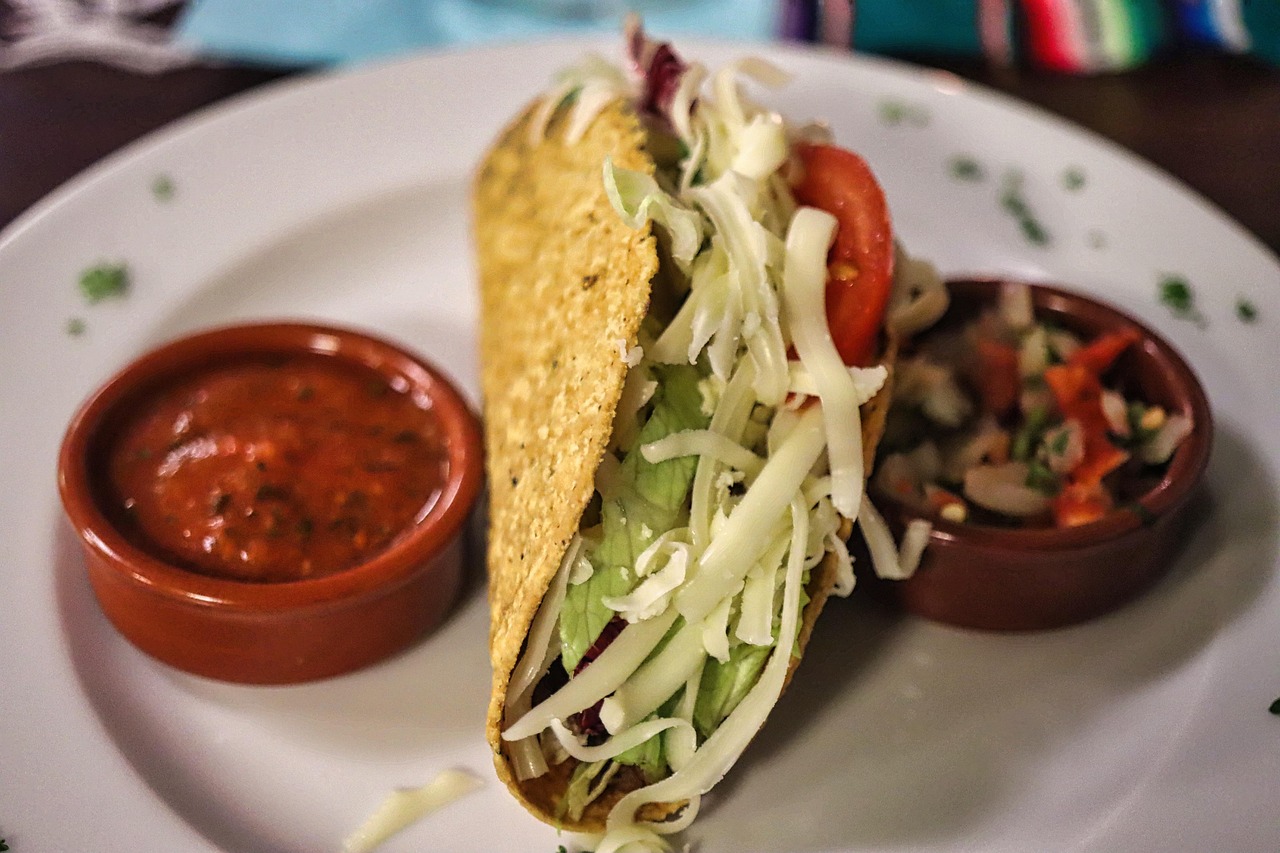
To visit Mexico City and not eat on the street is to miss the city's soul. However, there is a protocol to the taco stand.
First, observe the crowd. A stand with a long line of locals is your best bet; high turnover ensures the meat and salsas are fresh. Second, understand the payment system. Often, you eat first and pay later, telling the taquero exactly what you had on your honor.
If you have a sensitive stomach, be wary of the raw garnishes—the cilantro and onion that sit out in bowls. If the stand looks clean and the water they use for washing is clearly filtered, go for it. If not, stick to the salsas that have been cooked or those with high acidity (lime and chili).
Explore the Best Street Food Tours in CDMX →
FAQ: Quick Answers for CDMX Travelers
Is CDMX safe for solo travelers? Yes, generally. Stick to well-trafficked neighborhoods like Roma, Condesa, Coyoacán, and Polanco. Use Ubers at night, keep your phone tucked away while walking, and stay aware of your surroundings as you would in any major world capital.
What is the best neighborhood to stay in? For first-timers, Roma Norte and Condesa offer a beautiful blend of tree-lined streets, Art Deco architecture, and incredible dining. Coyoacán is perfect for those seeking a more traditional, village-like atmosphere, though it is further from the city center.
Can I flush toilet paper in Mexico City? In many older buildings and smaller establishments, the plumbing cannot handle paper. If you see a small wastebasket next to the toilet, that is where the paper goes. In modern hotels and high-end restaurants in Polanco, flushing is usually fine, but when in doubt, use the bin.
Respecting the Pulse of the City
Mexico City is a place that rewards those who slow down and observe. It is a city of high manners and deep generosity, but it is also a city that demands a level of "street smarts" and cultural sensitivity. By following these unwritten rules—respecting the sobremesa, acknowledging the altitude, and greeting the people you encounter—you stop being a "tourist" and become a guest.
The reward is an immersive experience in one of the world’s most vibrant cultural capitals. So, pack your walking shoes (but leave the shorts at home), prepare your palate for the best tacos of your life, and remember: in CDMX, the most important rule is to simply be present.