As we approach 2026, the global travel landscape is undergoing a definitive shift. The post-pandemic "revenge travel" era has matured into what I call the era of "Intentional Travel." Modern travelers are no longer merely looking to fill their passports; they are seeking high-value experiences that align with strategic timing and specific lifestyle goals. Whether you are hunting for a secluded romantic enclave or a high-utility budget escape, the winter season of 2026 offers a unique convergence of favorable exchange rates and calendar-driven opportunities.
For those looking to maximize their professional leave, 2026 presents a rare mathematical advantage. By strategically aligning a single day of Paid Time Off (PTO) with federal holidays like Martin Luther King Jr. Day (January 19) or Presidents' Day (February 16), travelers can create 4-day "micro-vacations." Data suggests that this strategic alignment can increase a traveler’s total annual vacation time by 25% without sacrificing additional work days.
Summary at a Glance: Top Winter Destinations 2026
| Destination | Primary Vibe | Avg. Winter Temp | Best Known For |
|---|---|---|---|
| Finnish Lapland | Romantic / Arctic | 15°F (-9°C) | Glass Igloos & Northern Lights |
| Bulgaria (Bansko) | Affordable / Active | 34°F (1°C) | High-Value Skiing |
| St. Moritz, Switz. | Luxury / Classic | 25°F (-4°C) | Alpine Glamour & Michelin Dining |
| Poland (Kraków) | Affordable / Cultural | 32°F (0°C) | Medieval Markets & History |
| San Miguel, Mexico | Romantic / Cultural | 72°F (22°C) | Baroque Architecture & Warmth |
| Hungary (Budapest) | Affordable / Wellness | 36°F (2°C) | Thermal Baths & Wine Regions |
| Queenstown, NZ | Adventure / Romantic | 68°F (20°C) | Alpine Summer & Vineyard Tours |
| Quebec City, Canada | Cultural / Romantic | 18°F (-8°C) | European Charm in North America |
| The Seychelles | Luxury / Tropical | 84°F (29°C) | Pristine Beaches & Seclusion |
| Thailand | Affordable / Tropical | 86°F (30°C) | Dry Season Sun & Street Food |
1. Finnish Lapland: The Ultimate Arctic Seclusion
For the 2026 season, Finnish Lapland remains the gold standard for "Arctic Romance." James Turner, a luxury specialist at 360 Private Travel, notes that the demand for "secluded luxury" has pivoted toward the far north, where privacy is the ultimate commodity. The experience here is built around the paradox of extreme cold and cozy intimacy.
The pinnacle of this experience is a stay at Octola, an ultra-private wilderness retreat, or the iconic glass igloos that dot the landscape. These structures allow couples to observe the Aurora Borealis from the comfort of a temperature-controlled suite. Beyond the visual spectacle, the region offers deeply immersive activities:
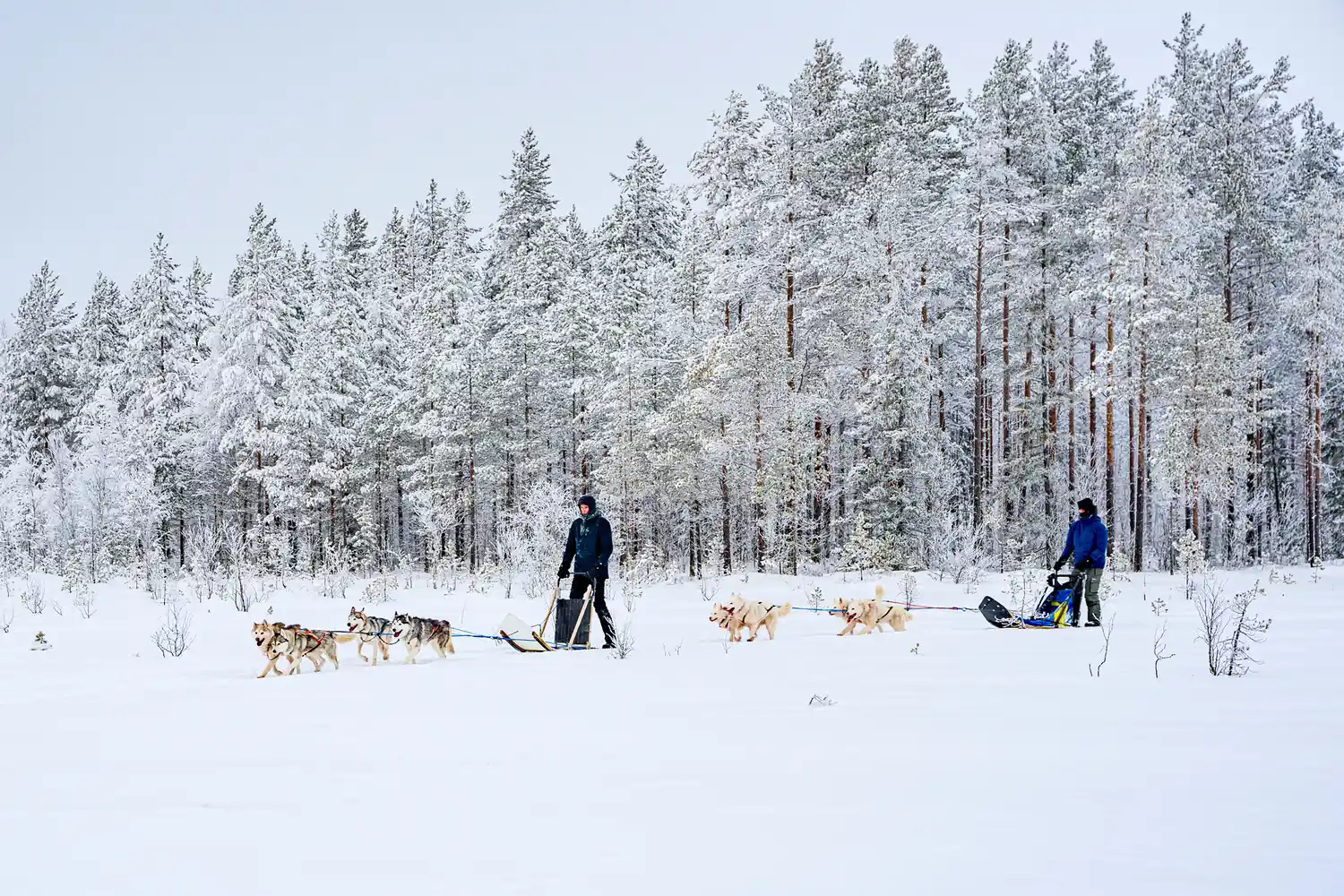
- Private Dog Sledding: Navigate the Taiga forest with a team of huskies, followed by a traditional Sami meal over an open fire.
- Northern Lights Hunting: Guided snowmobile tours that take you away from light pollution for the best photographic opportunities.
- The Ritual of Sauna: Engaging in the traditional Finnish sauna followed by a (brief) dip in an ice hole—a physical reset unlike any other.
2. Bulgaria: Europe’s Best Value Ski Destination
While the Swiss and French Alps often dominate the winter headlines, Bulgaria is the objective choice for the value-conscious traveler in 2026. Bansko and Borovets offer world-class infrastructure at a fraction of the cost found in Western Europe. For a traveler looking to balance a high-octane ski holiday with a manageable budget, Bulgaria is difficult to beat.
Bansko, located at the foot of the Pirin Mountains, has evolved into a vibrant hub that attracts digital nomads and ski enthusiasts alike. The nightlife is robust, yet the lift passes and equipment rentals remain significantly lower than in Courchevel or Aspen. Borovets, the oldest resort in the Rila Mountains, offers a more historic, pine-scented atmosphere with trails suitable for all skill levels.
Critic’s Tip: If you are a mid-level skier, Bulgaria offers the best "bang for your buck" in the EU. You can expect premium lodging and dining for approximately 40% less than in the Austrian Tyrol.
3. St. Moritz, Switzerland: The 'Luxury Narnia'
If Bulgaria is the pragmatic choice, St. Moritz is the emotional one. Known as the birthplace of winter tourism, this Swiss enclave remains the definitive "Luxury Narnia." For 2026, the focus has shifted toward "quiet luxury"—favouring heritage and impeccable service over flashiness.
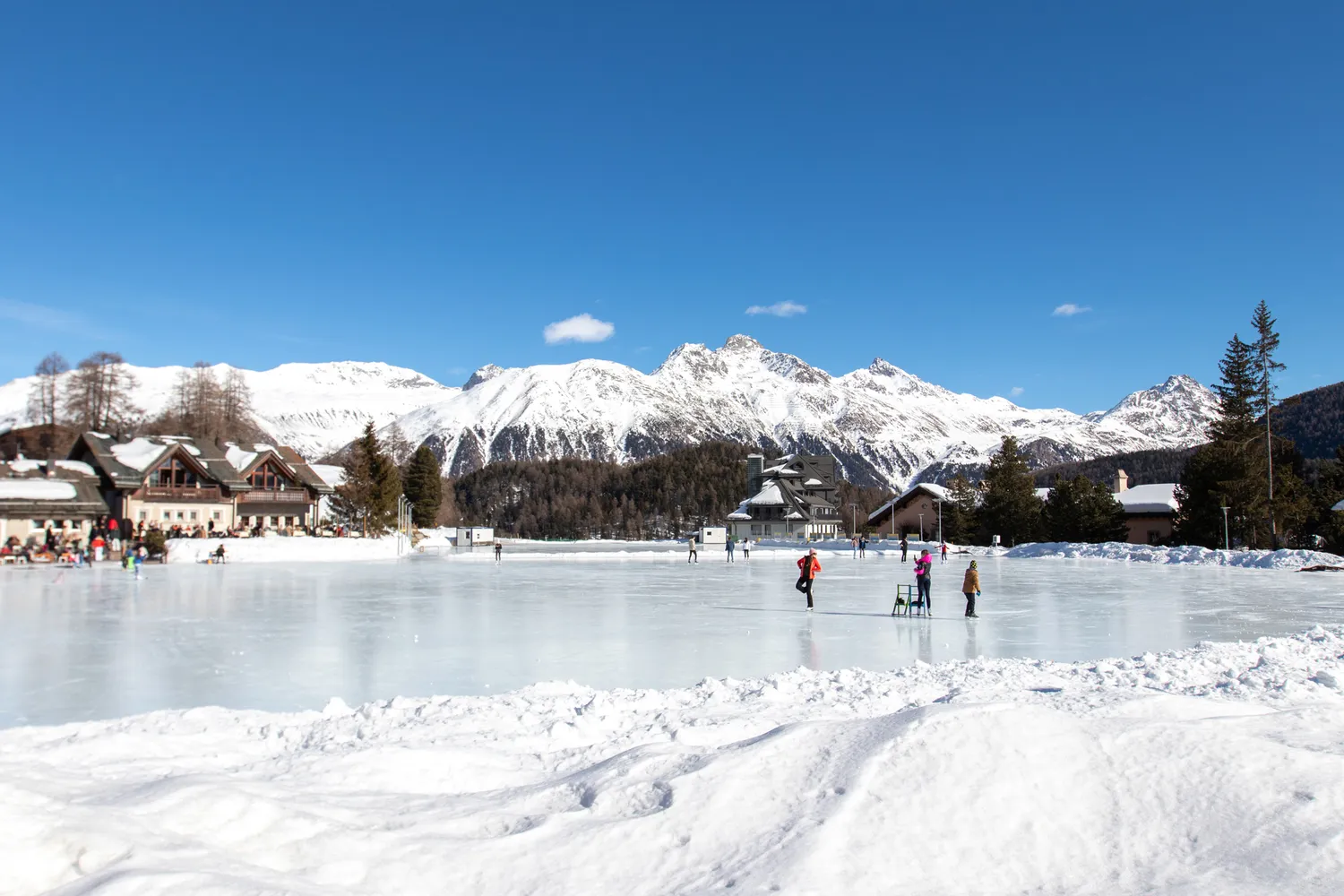
The center of gravity in St. Moritz is undoubtedly Badrutt’s Palace. A stay here is less about the room and more about the access to a century of alpine tradition. The winter season is punctuated by high-profile events, such as the Snow Polo World Cup and horse racing on the frozen Lake St. Moritz.
- Culinary Excellence: The town boasts an incredible density of Michelin stars, including the innovative cuisine at Ecco St. Moritz.
- Afternoon Rituals: Horse-drawn carriage rides through the Fex Valley offer a romantic tableau that feels entirely removed from the 21st century.
4. Poland: Magical Markets and Hearty Cuisine
Poland has emerged as a top-tier affordable winter destination for 2026, offering a sophisticated blend of history and hospitality. Kraków, with its medieval Main Market Square, becomes a labyrinth of wooden stalls selling hand-painted glass ornaments and smoked oscypek cheese in December and January.
The value proposition here is staggering. Data indicates that a traveler can maintain a comfortable, mid-range experience in Kraków or Gdańsk for as low as $50 to $70 per day, including meals at high-quality "Milk Bars" or modern Polish bistros. For those seeking nature, the Tatra Mountains near Zakopane offer dramatic limestone peaks and affordable spa resorts that rival those in Slovakia or the Czech Republic.
5. San Miguel de Allende, Mexico: Warmth and Baroque Charm
For couples who find the Arctic air unappealing, San Miguel de Allende offers a "warm winter" alternative defined by its pink sandstone architecture and temperate 70°F days. It is a destination built for walking—hand-in-hand through cobblestone streets, stopping at artisan galleries and rooftop bars.
The luxury stay of choice for 2026 remains Casa de Sierra Nevada, A Belmond Hotel, which is spread across several heritage mansions. The experience here is sensory: the scent of jacaranda, the sound of church bells, and the sight of the Parroquia de San Miguel Arcángel at sunset.
- Aerial Perspective: Hot air balloon rides at sunrise provide a panoramic view of the Bajío region that is frequently cited as the most romantic activity in central Mexico.
- Cultural Immersion: The town’s art scene is world-class, making it ideal for those who want a winter getaway that stimulates the mind as much as the spirit.

6. Hungary: The Land of Thermal Waters
Budapest in winter is a study in atmospheric contrast. The air is crisp and often hovering in the low 30s, but the city’s heart is warmed by its legendary thermal baths. The Széchenyi Baths, with their outdoor pools surrounded by neo-Baroque architecture, offer a surreal experience as steam rises into the freezing night air.
Hungary also offers high-value culinary experiences. Beyond the capital, the wine regions of Eger and Tokaj are increasingly popular for winter wine tastings. Eger, known for the "Bull’s Blood" (Egri Bikavér) red blend, provides a cozy, cellar-based exploration of Hungarian viticulture that is both affordable and deeply authentic.
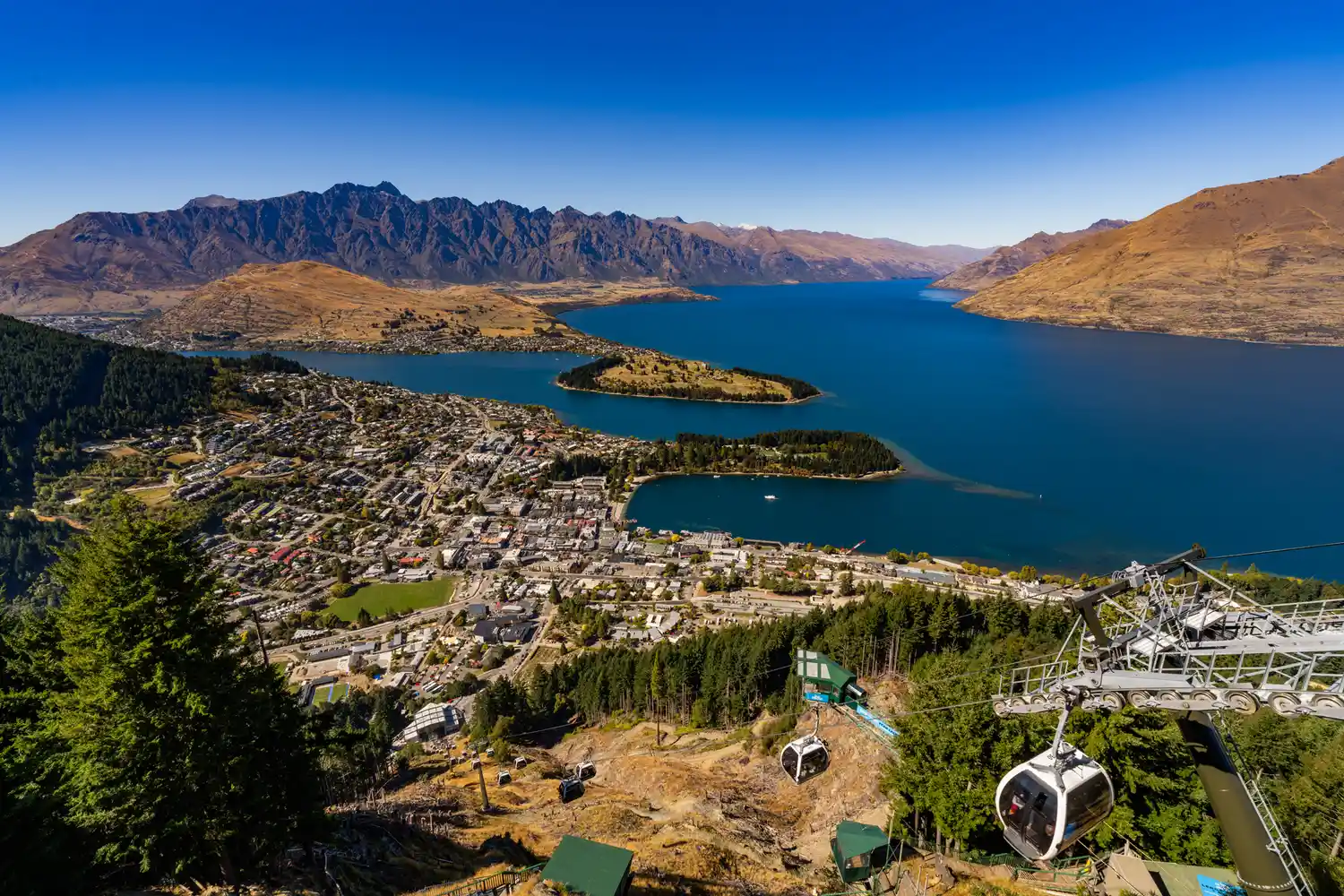
7. Queenstown, New Zealand: The 'Adventure-Romance' Hybrid
While the Northern Hemisphere shivers, New Zealand is basking in the glory of an alpine summer. Queenstown is the rare destination that successfully marries adrenaline-fueled adventure with high-end romance. For 2026 travelers, timing is everything: booking in February can result in a 15-20% decrease in local prices compared to the December and January peak season.
The region's "Adventure-Romance" hybrid is best seen in the Central Otago Wine Region, where you can take a helicopter to a remote peak for a champagne toast before descending for a world-class meal at Amisfield. The restaurant’s "Trust the Chef" menu is a benchmark for farm-to-table dining in the Southern Hemisphere.
8. Quebec City, Canada: A European Escape in North America
For US-based travelers, Quebec City offers the aesthetic of a French provincial capital without the trans-Atlantic airfare. Old Quebec, a UNESCO World Heritage site, is particularly enchanting in late January during the Winter Carnival (Carnaval de Québec).
The value proposition here is the ease of access. You can stay at the Fairmont Le Château Frontenac—the most photographed hotel in the world—and enjoy the Hotel de Glace (Ice Hotel) just a short drive away. It is a destination that leans into its "Nordicity," celebrating the cold with ice slides, outdoor dance parties, and maple taffy made on snow.
9. The Seychelles: Understated Island Luxury
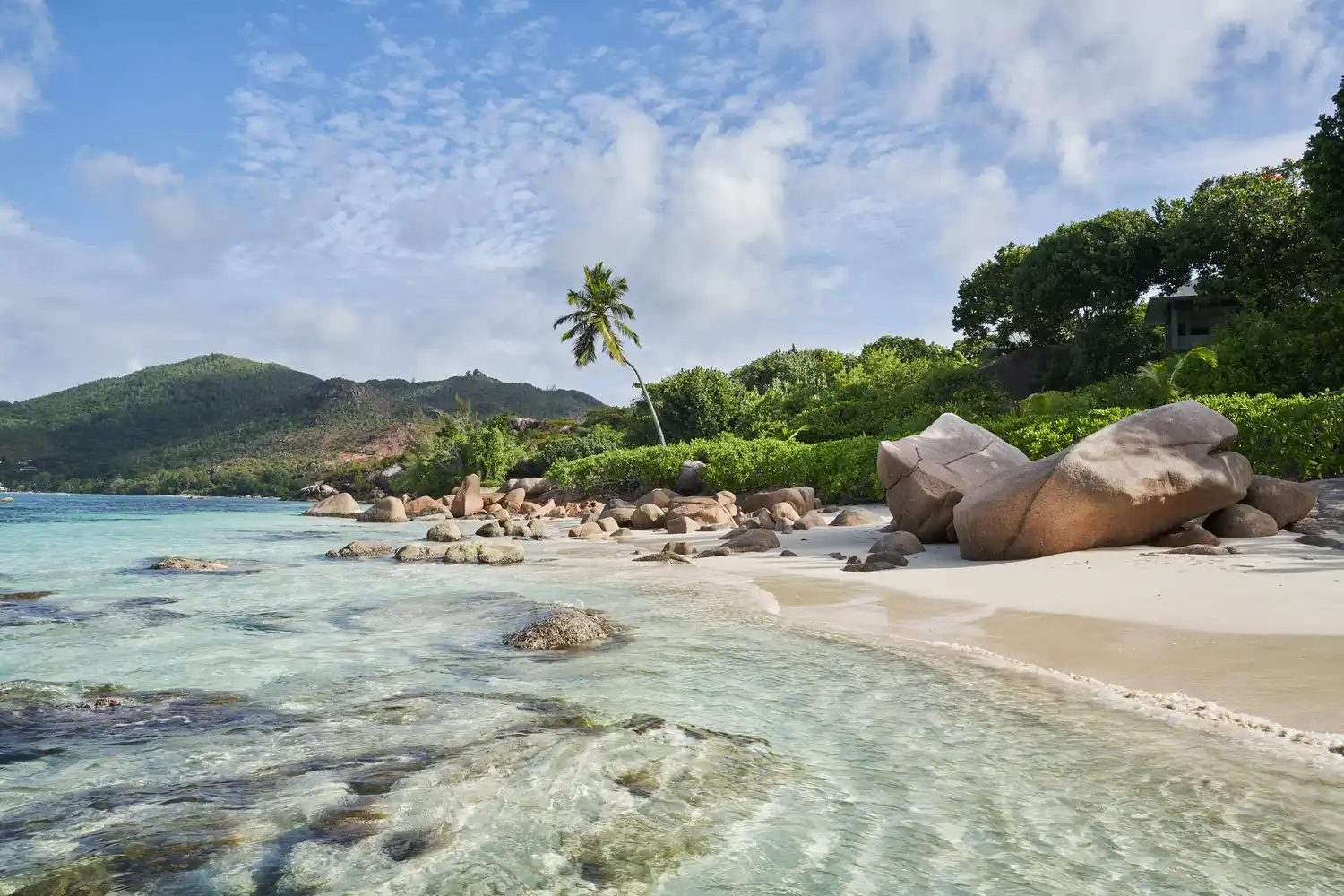
For those who view winter as something to be entirely avoided, the Seychelles offers "barefoot luxury" in its purest form. This is not the high-energy resort scene of Dubai or the Maldives; it is an archipelago defined by granite boulders, turquoise waters, and absolute silence.
Properties like the Four Seasons Resort Seychelles or the private villas at Six Senses Zil Pasyon provide an environment where the most pressing decision is whether to snorkel in the morning or have a massage under the stars in the evening. It is a high-cost destination, but for the 2026 traveler seeking total digital detox and physical rejuvenation, the return on investment is unparalleled.
10. Thailand: The Dry Season Sunshine
Thailand remains the perennial favorite for the "affordable tropical" category. In early 2026, the northern region of Chiang Mai is particularly attractive during the Flower Festival (late January to early February). The weather is dry and relatively cool, making it perfect for exploring night markets and ancient temples.
The data supports Thailand’s dominance in the budget sector: street food costs remain between $1 and $2 per meal, and a daily budget of $50-$60 can secure high-quality boutique accommodation and excellent dining. In the south, Phuket and the Phi Phi Islands offer the quintessential white-sand winter escape, provided you book at least three months in advance to secure the best rates.
How to Maximize Your 2026 Winter Travel Budget
The key to a successful 2026 winter season lies in Market Timing. While December is dictated by holiday premiums, the "Sweet Spot" for southern hemisphere travel (like New Zealand or Thailand) is late February. This is when the crowds thin out, but the weather remains optimal.
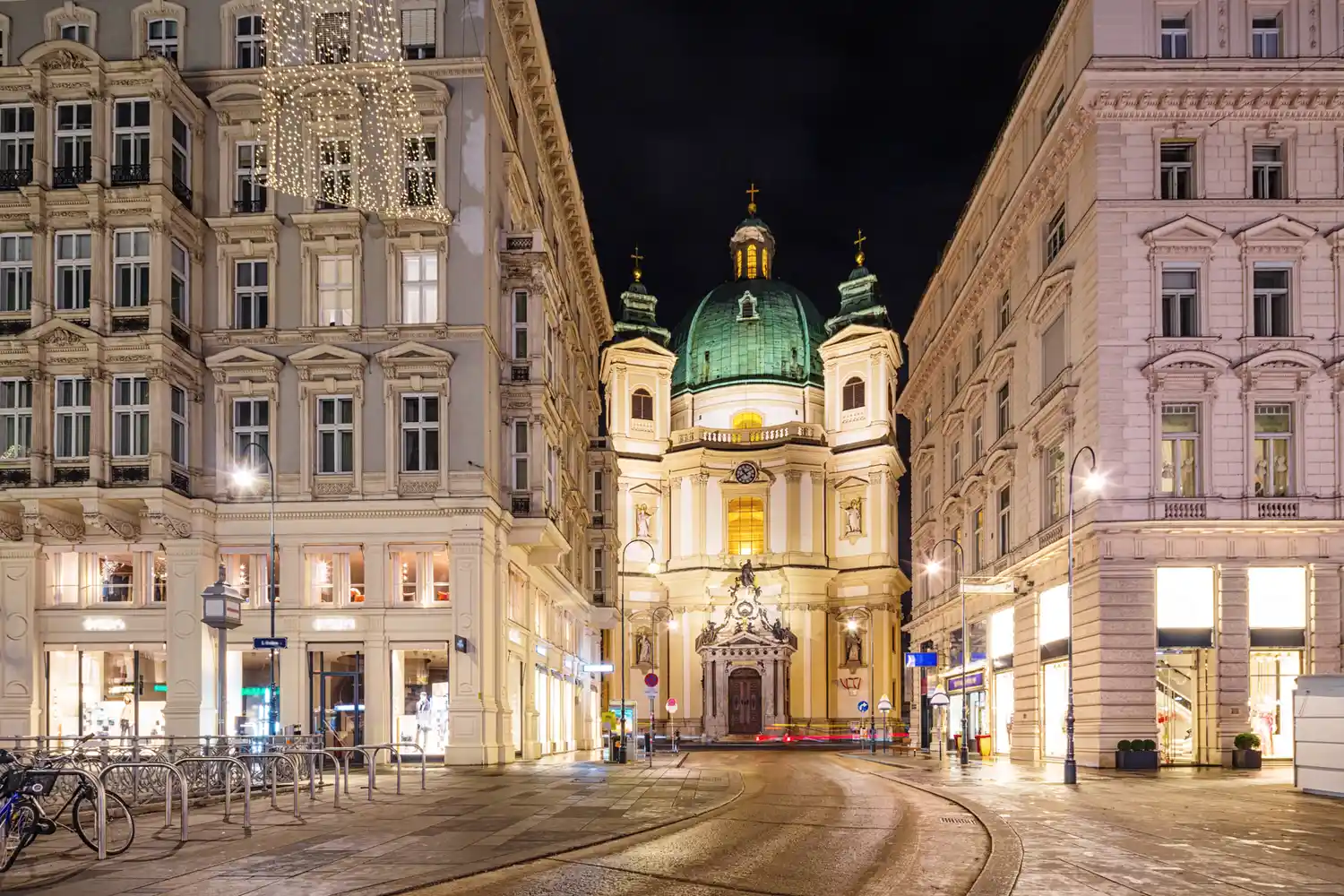
For those eyeing Europe, leveraging the "off-season" in cities like Vienna and Prague is a masterstroke. While the Christmas markets close by early January, the cities remain culturally vibrant. You will find that entrance fees to museums and galleries are the same, but hotel rates can drop by as much as 30% compared to the summer peak. Furthermore, the lack of crowds allows for a more contemplative, academic immersion into European history—something that is nearly impossible in July.
FAQ
When is the best time to book winter travel for 2026? For "High North" destinations like Lapland or luxury spots like St. Moritz, I recommend booking 6 to 9 months in advance. For affordable getaways in Poland or Bulgaria, 3 to 4 months is usually sufficient to secure the best airfare and lodging rates.
Is it really possible to travel on $50 a day in 2026? In destinations like Poland, Bulgaria, and Thailand, yes. This budget covers comfortable hostel or budget hotel stays, street food or local bistro meals, and public transportation. However, it does not include international airfare or high-end excursions like private guided tours.
How do I utilize the 2026 PTO Hack? Check your 2026 calendar for Monday holidays. In the US, Martin Luther King Jr. Day falls on January 19, and Presidents' Day is February 16. By taking off the Friday before or the Tuesday after, you create a 4-day window. This is perfect for "Regional Escapes" like Quebec City or San Miguel de Allende.
Whether you choose the crystalline silence of the Arctic or the humid bustle of a Thai night market, the winter of 2026 is a season for the intentional traveler. By balancing data with desire, you can ensure that your next winter getaway is not just a trip, but a strategic investment in your own well-being.