Quick Facts
- Dates: The Olympic Winter Games run from February 6–22, 2026, followed by the Paralympics from March 6–15, 2026.
- Geographic Scope: This is the most geographically widespread Games in history, covering 8,500 square miles across Northern Italy, from the urban center of Milan to the peaks of the Dolomites.
- Milan’s Role: The city serves as the "Ice Hub," hosting the Opening Ceremony and all ice-based sports (hockey, skating), while the mountains host snow events.
- Sustainability Hub: Approximately 92% of the venues used are either existing or temporary structures, reflecting a "Sustainability First" model.
- Travel Advisory: Short-term rental rates in Milan are projected to surge by 70% to 120% during the Olympic opening ceremony and major sporting finals.
Introduction: A New Era for Northern Italy
As a travel critic who has covered three previous Olympic cycles, I have watched cities struggle under the weight of "white elephant" stadiums and astronomical debt. However, the Milano Cortina 2026 Winter Olympics presents a fundamentally different blueprint. This is not a "city-hosted" event in the traditional sense; it is a regional takeover. Spanning approximately 8,500 square miles of Northern Italy, the 2026 Games will bridge the cosmopolitan energy of Milan with the rugged grandeur of the Dolomites and the Valtellina valley.
The organizing committee has leaned heavily into a "Sustainability First" model. Unlike the massive construction booms seen in Sochi or Beijing, the 2026 Games rely on existing infrastructure and bio-LPG torches. For the traveler, this means the "Olympic experience" will be woven into the existing fabric of Italian life rather than isolated in a sterile Olympic park. Whether you are navigating the high-fashion districts of Milan or the timber-framed chalets of Cortina d’Ampezzo, the 2026 Games will be defined by their integration into the local landscape.
Milan's Core Role: The Ice Hub and Opening Stage
While the mountains will see the snow, Milan is the undisputed logistical and ceremonial heart of the Games. The city will serve as the "Ice Hub," concentrating all skating and hockey events within its metropolitan boundaries.
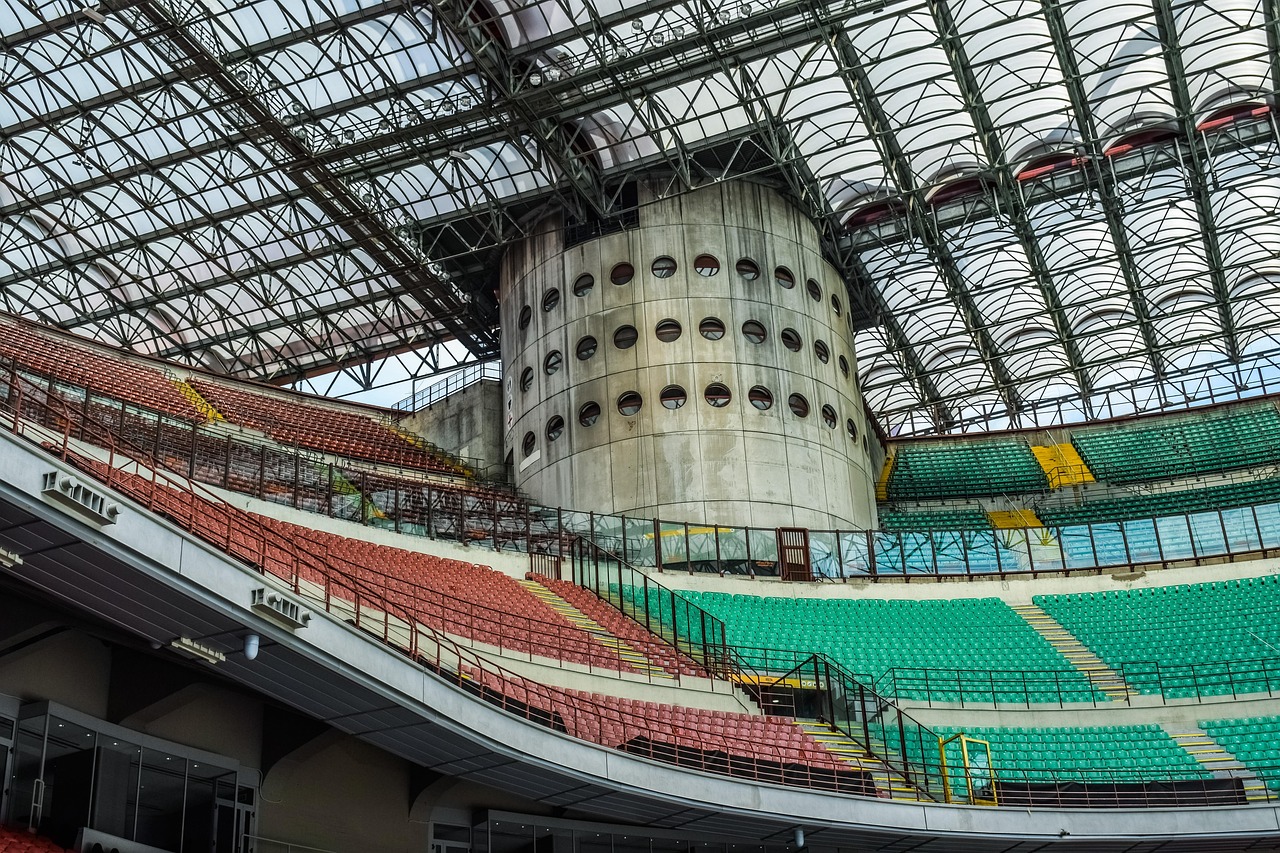
The most significant moment for the city will occur on February 6, 2026, when the San Siro Stadium—the legendary "Scala del Calcio"—hosts the official opening ceremony. For many, this will be a poignant moment, as the stadium faces an uncertain future regarding demolition or renovation; the Olympics may well be its final, grandest performance on the world stage.
Beyond the opening festivities, Milan’s sporting schedule is dense:
- Figure Skating and Short Track Speed Skating: To be held at the Mediolanum Forum in Assago.
- Ice Hockey: Events will be split between the brand-new Santa Giulia Arena (PalaItalia) and the Rho Fiera Milano exhibition center.
- Speed Skating: Originally slated for Baselga di Piné, these events have been relocated to a temporary oval at the Rho Fiera Milano to ensure cost-efficiency and better visitor access.
The atmosphere in Milan is already shifting from tentative optimism to high-fashion integration. Major Italian brands are aligning their 2026 winter collections with the "Olympic spirit," and the city’s world-class dining scene is preparing for an unprecedented influx of international spectators.
The Urban Legacy: Reshaping Milan’s Neighborhoods
From an urban planning perspective, the most impressive feat of the 2026 Games is the redevelopment of the Porta Romana Scalo. Once a disused railway yard, this area is being transformed into a 500,000-square-foot Olympic Village.
Critics often ask: "What happens when the athletes leave?" In Milan, the answer is definitive. Following the Games, the village will be converted into residential housing for students from eight local universities. This serves as a vital long-term urban legacy, addressing Milan's chronic shortage of affordable student accommodation. The project isn't just about beds; it includes a 10,000-square-meter park and a "high line" style elevated walkway over the active railway tracks, connecting the neighborhood to the city center.
Expert Insight: "While the long-term legacy is student housing, the short-term reality for visitors is an expensive one. We are already seeing data suggesting that short-term rental rates in Milan will surge by 70% to 120% during the peak weeks of February 2026. If you aren't booking by mid-2025, you may find yourself priced out of the city center entirely."

Navigating the 'Geographically Widespread' Games
The greatest challenge of Milano Cortina 2026 is geography. With events spread across the Lombardy and Veneto regions, as well as the autonomous provinces of Trento and Bolzano, movement is the primary hurdle.
The Italian government has allocated a €3.5 billion budget specifically for transport and infrastructure upgrades to meet this challenge. This isn't just about moving athletes; it's about a permanent upgrade to the region's mobility. Key improvements include:
- Metro Expansion: The addition of 46 new electric metro trains to increase capacity and frequency on Milan's existing lines.
- The Milano–Tirano Line: Rail frequency will be increased to two trains per hour, providing a vital link for those traveling from Milan toward the mountain venues in Valtellina (Bormio and Livigno).
- Airport Accessibility: A €30 million overhaul of Malpensa Terminal 1 is underway to ensure barrier-free arrivals and improved baggage handling for travelers with oversized sporting gear.

Planning Your Visit: Beyond the City Limits
If you are planning to attend, you must choose your "base camp" wisely. Attempting to see a morning hockey game in Milan and an afternoon downhill ski race in Cortina is physically impossible. The travel time between Milan and Cortina d'Ampezzo can take up to six hours depending on winter road conditions and traffic.
The Mountain Hubs
- Cortina d’Ampezzo: The "Queen of the Dolomites" will host Women’s Alpine Skiing and Curling. This area is the pinnacle of luxury, but expect the most restrictive security and highest price points.
- Bormio & Livigno: Located in the Valtellina valley, these hubs will host Men’s Alpine Skiing, Snowboarding, and Freestyle Skiing. This area offers a slightly more "rugged" experience than Cortina.
- Val di Fiemme: The heart of Nordic disciplines (Cross-country skiing, Ski jumping).
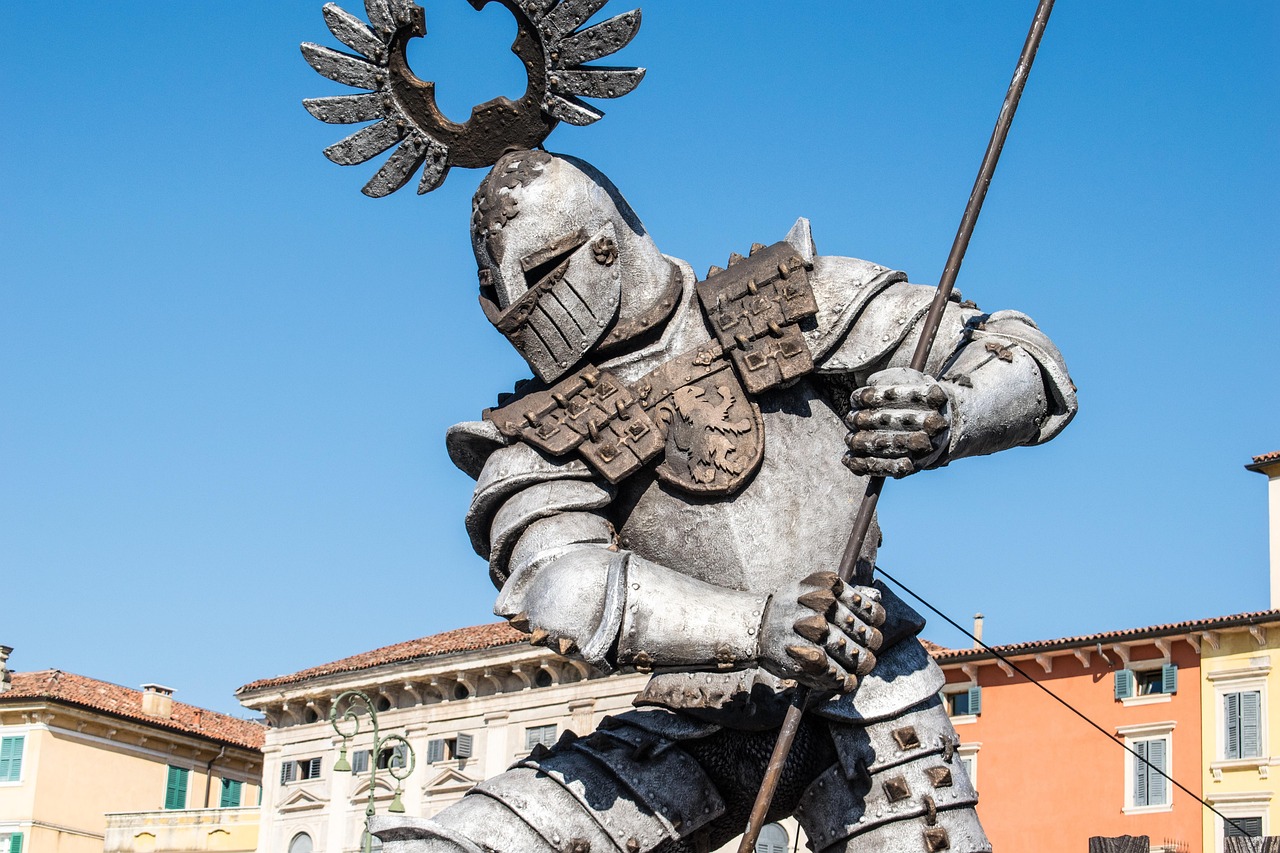
The Games will conclude on March 15 with a Closing Ceremony that rivals the opening in grandeur, set within the Arena di Verona. This Roman amphitheater provides a bridge between ancient history and modern sport, offering a sensory experience that few modern stadiums can replicate.

Venue and Logistics Overview
| Venue | Sport/Event | Location | Dist. from Milan Center |
|---|---|---|---|
| San Siro Stadium | Opening Ceremony | Milan | ~6 km |
| Mediolanum Forum | Figure Skating / Short Track | Assago (Milan) | ~10 km |
| PalaItalia Santa Giulia | Ice Hockey (Main) | Milan | ~8 km |
| Rho Fiera Milano | Speed Skating / Hockey | Rho (Milan) | ~14 km |
| Stelvio Run (Bormio) | Alpine Skiing (Men's) | Bormio | ~200 km |
| Olympia delle Tofane | Alpine Skiing (Women's) | Cortina | ~400 km |
| Arena di Verona | Closing Ceremony | Verona | ~160 km |
Practical Traveler’s Toolkit
For those ready to experience the first Italian Winter Olympics since Turin 2006, the logistics require early intervention.
- Tickets: Ticket sales are nominative (linked to your ID) and are sold exclusively via the official Milano Cortina 2026 website. A secondary resale platform is expected to launch in December 2025, which will be the only legal way to buy or sell unwanted tickets.
- Entry Requirements: For citizens of the USA, UK, Canada, and Australia, a 90-day visa-free stay remains the standard for the Schengen Area. However, ensure your passport is valid for at least six months beyond your planned departure date.
- Weather & Gear: Milan in February is damp and chilly (averaging 0°C to 7°C), while the Dolomites can see temperatures drop to -15°C. Layering is mandatory. If you are attending mountain events, high-traction boots are not a luxury; they are a necessity for safety.
- Currency & Payments: While Italy remains a cash-friendly society in rural areas, Milan is almost entirely digital. Ensure your credit card has no foreign transaction fees.
Register for Official Ticket Alerts →
FAQ
What events will Milan host during the 2026 Winter Olympics? Milan will host the official Opening Ceremony at the San Siro Stadium. Additionally, the city will be the primary site for all ice-based competitions, including figure skating, short track speed skating, speed skating, and ice hockey.
How will the 2026 Olympic Village be used after the Games? The 500,000-square-foot Olympic Village located in Porta Romana Scalo will be converted into residential housing for students from eight local universities. This is a central part of the city's plan to provide a long-term urban legacy and resolve housing shortages.
Is Milan improving public transport for the 2026 Games? Yes. A €3.5 billion budget is being utilized for infrastructure upgrades, including 46 new electric metro trains, increased rail frequency on the Milano–Tirano line (reaching two trains per hour), and a major €30 million overhaul of Malpensa Airport’s Terminal 1.
Final Thoughts: A Strategic Spectator’s View
The Milano Cortina 2026 Games are a bold experiment in regional cooperation. For the traveler, this means the event is less of a "bubble" and more of a grand tour of Northern Italy. The success of your trip will depend entirely on your logistical preparation—specifically, acknowledging the vast distances between the "Ice Hub" of Milan and the "Snow Hubs" of the Alps.
If you value the energy of the city, stay in Milan and enjoy the skating and hockey. If you seek the "winter wonderland" aesthetic, head to the Dolomites, but do so with the understanding that you are entering some of the most exclusive real estate on the planet. Either way, 2026 promises to be a masterclass in how a modern city can use a global event to fix its internal infrastructure while throwing one hell of a party.