Quick Facts
- Luggage Limit: Approximately 90% of light aircraft transfers to remote African camps enforce a strict 15kg (33lb) limit on soft-sided luggage. Hard-shell suitcases are generally prohibited.
- The Palette: Stick to neutral earth tones like khaki, olive, and tan. Avoid dark blue or black (they attract tsetse flies) and camouflage patterns (reserved for the military).
- Health Window: International health regulations require Yellow Fever vaccinations to be administered at least 10 days prior to arrival in designated safari regions.
- Optics Specs: Experts recommend binoculars with specifications of 8x40 or 10x42 for the perfect balance of light intake and magnification.
The Art of Packing for the Bush
I’ve stood on dusty airstrips from the Serengeti to the Okavango Delta, watching travelers’ faces drop as a bush pilot shakes his head at their massive, hard-shell Samsonite. In the world of African safari travel, the "33-pound challenge" isn't just a suggestion—it’s a physical reality of light aircraft engineering. Packing for a 2026 safari is an exercise in minimalism, technical performance, and high-stakes decision-making. You’re balancing the need to stay cool during a 100-degree midday heatwave against the biting chill of a 5 AM game drive in a high-altitude forest.
The secret to success lies in understanding that you aren't just packing for a vacation; you’re packing for an expedition. Every ounce counts when you're flying in a Cessna Caravan over the savannah. Over the years, I’ve learned the hard way that what you leave behind is often just as important as what you bring. You need gear that works twice as hard and dries twice as fast.

The Golden Rule: Soft-Sided Luggage
If there is one hill I will die on as an editor, it is this: leave the hard-shell suitcase at home. Most bush planes servicing remote safari lodges possess tiny cargo pods with irregular shapes. A rigid suitcase simply will not fit. Approximately 90% of these light aircraft transfers enforce a strict weight limit of 33 pounds (15kg), which must include your carry-on gear.
I always opt for a high-quality, water-resistant duffel bag. These bags can be "squished" into the aircraft hold, protecting your gear from the red dust that seems to permeate everything in the bush. When you're choosing your bag, look for rugged zippers and reinforced handles. You want something that can survive being tossed into the back of a Land Cruiser and strapped to the roof of a boat.
Expert Recommendation: I’ve been using the Osprey Rolling Transporter or the Patagonia Black Hole Duffel for years. They are virtually indestructible and meet the "soft-sided" criteria perfectly.

The Safari Palette: What to Wear in 2026
When it comes to clothing, your color choice is a matter of safety and comfort, not just style. There’s a reason you see seasoned guides dressed in a sea of beige and olive. First, neutral earth tones help you blend into the landscape, making wildlife less likely to spot you as a "threat" or an anomaly. Second, and more practically, the African bush is home to the tsetse fly.
These "tiny fighter jets" are attracted to dark colors, specifically navy blue and black. I’ve seen tourists in dark workout leggings get hounded by flies while those in khaki remain untouched. Furthermore, leave the camouflage at home; in many African countries, including Zimbabwe and Zambia, camouflage patterns are reserved strictly for military personnel, and wearing them as a civilian can lead to uncomfortable questioning by local authorities.
Layering 101: The Daily Cycle
The temperature on a safari swings wildly. You’ll start your 5:30 AM game drive in a fleece and a windbreaker, and by 11:00 AM, you’ll be stripping down to a short-sleeved shirt. The key is lightweight, breathable layers.
Clothing Checklist:
- 3-4 Lightweight Shirts: Long-sleeved shirts with roll-up tabs offer the best protection against sun and insects.
- 2 Pairs of Convertible Pants: Zip-offs might not be the height of Paris fashion, but they are incredibly functional for the bush.
- 1 Mid-weight Fleece: Essential for those pre-dawn drives and chilly evenings by the fire.
- A Lightweight Rain Shell: Even in the dry season, a wind-resistant layer is a godsend in an open-topped vehicle.
- Wide-Brimmed Hat: A "safari hat" isn't a cliché; it's a necessity to prevent heatstroke.
Technical Fabrics vs. Traditional Cotton
In 2026, the tech in fabrics has surpassed standard cotton in almost every way. While cotton feels nice, it holds onto moisture (sweat) and takes ages to dry. In a lodge where laundry is often hand-washed and sun-dried, technical fabrics are superior.
| Feature | Technical Polyamides/Polyester | Traditional Cotton |
|---|---|---|
| Moisture Wicking | Excellent; pulls sweat away from skin | Poor; absorbs moisture and stays heavy |
| Drying Time | 2-4 hours in the sun | 12-24 hours (depending on humidity) |
| Durability | High; resistant to thorns and abrasions | Moderate; prone to tearing |
| Sun Protection | Often includes UPF 50+ rating | Minimal protection |

Footwear: From Bush Walks to Lodge Lounging
One of the biggest mistakes I see is travelers bringing heavy, leather mountaineering boots. Unless you are trekking for gorillas in Rwanda or climbing Kilimanjaro, you don't need them. For a standard vehicle-based safari, a high-quality pair of trail running shoes or lightweight hiking boots with "thorn-proof" soles is ideal.
The African bush is full of acacia thorns that can pierce through the thin soles of standard sneakers. If you plan on doing walking safaris, ankle support is a must to protect against uneven terrain and the occasional stray insect.
Pro Tip: Don't forget a pair of sandals or flip-flops. After eight hours in boots, your feet will crave the freedom during the "midday siesta" by the lodge pool.
Browse Expert Hiking Footwear →

Expert Gear: Seeing the Unseen
Your eyes are your most valuable asset on safari, but they need help. A common regret I hear is "I wish I brought better binoculars." Do not rely on your lodge to provide them; having your own pair means you won't miss the leopard tail twitching in the distant sausage tree while you wait for a turn.
For wildlife viewing, I recommend 8x40 or 10x42 specifications. Anything higher than 10x magnification becomes difficult to hold steady without a tripod, especially in a vibrating vehicle. Quality glass, like that from Swarovski Optik or Nikon Monarch, ensures high light transmission—vital for spotting predators at dusk or dawn.
Photography and Gadgets
In 2026, mirrorless cameras are the king of the bush. They are lighter and quieter than traditional SLRs. If you're using a smartphone, consider a clip-on telephoto lens, though nothing beats a dedicated 200mm-400mm lens for those National Geographic shots.
Don't forget:
- A powerful compact torch: I swear by the Fenix LD30. Many camps are unfenced, and you’ll need a strong beam to check for "eyeshine" (animal reflections) when walking to your tent at night.
- Universal Power Adapter: Most of Southern and East Africa uses Type G (UK-style) or Type M (South African) plugs.
- Power Bank: Solar power at lodges can be temperamental; a high-capacity power bank ensures your camera is always ready.

Health & Toiletries: Staying Protected
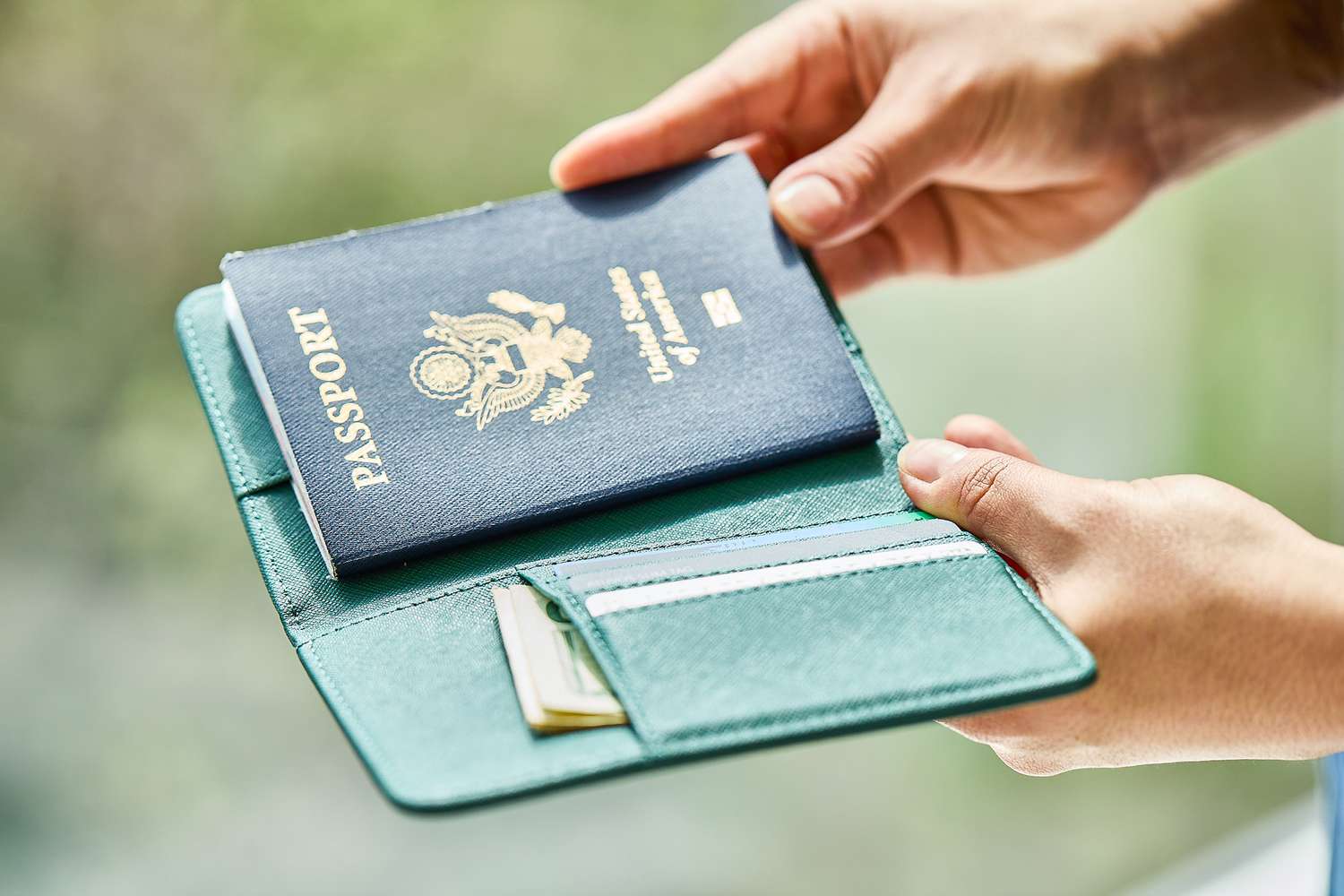
Your health kit is the one area where you should never compromise. First and foremost: check your vaccination records. International health regulations are strict; Yellow Fever vaccinations must be administered at least 10 days before arrival in many regions, and you must carry your "Yellow Card" (the International Certificate of Vaccination) with your passport.
The African sun at the equator is unforgiving. I’ve seen many trips ruined by severe sunburn on the first day. Use an eco-friendly, reef-safe SPF 50+ (to protect local water sources) and apply it more often than you think you need to.
The Bush First Aid Kit:
- DEET-based Repellent: Look for 30% concentration for the best balance of protection and skin safety.
- Antimalarials: Consult your doctor; different regions require different prophylactics.
- Rehydration Salts: Heat exhaustion is common. Drinking water isn't enough; you need electrolytes.
- Eye Drops: The dust on game drives is legendary and can be very irritating to contact lens wearers.

What NOT to Pack: Common Mistakes
Every year, I see travelers get flagged at customs for items that seem harmless but are prohibited.
- Plastic Bags: Many African countries, including Kenya, Rwanda, and Tanzania, have a total ban on single-use plastic bags (including Ziplocs in some cases). Use reusable silicone bags instead.
- Drones: Most national parks have a strict ban on drones as they disturb wildlife and are often associated with poaching surveillance. Unless you have a professional commercial permit, leave it at home.
- Hairdryers: Many bush camps run on solar power grids. Plugging in a high-wattage hairdryer can literally blow the camp’s entire power system. Embrace the "safari hair" look—it’s part of the experience.
- Bright Colors: Red, yellow, and neon colors make you stand out to wildlife and can be disruptive to the viewing experience of others.
FAQ
Q: Can I wash my clothes at the lodge? A: Yes, almost all mid-range and luxury lodges offer daily laundry service (often included in the price). This is why you only need 3-4 outfits. Note that for cultural reasons, many lodges will not wash "undergarments," so bring a small travel-sized detergent to wash those in your cabin sink.
Q: Should I bring cash? A: While lodges accept credit cards, you will need small denominations of US Dollars (printed after 2013) or local currency for tipping guides, trackers, and lodge staff. Tipping is a vital part of the local economy.
Q: Is it safe to drink the water? A: Most lodges provide filtered or bottled water. Do not drink tap water in rural areas. I always carry a LifeStraw or Grayl bottle just in case I’m in a remote spot without a reliable supply.
Gear Up for the Adventure of a Lifetime
Packing for a safari is about more than just fitting things into a bag; it’s about preparing your mindset for the wild. When you strip away the "just in case" items and focus on high-quality, functional gear, you free yourself to focus on what really matters: the roar of a lion at midnight, the dust of the Great Migration, and the breathtaking vastness of the African sky.
Follow these guidelines, respect the weight limits, and I promise you’ll be the most prepared person in the Land Cruiser. Now, get out there and find your own path.