Quick Facts: Film Locations vs. Real-World Settings
For those looking for a snapshot of Benoit Blanc’s latest adventure, here is how the production of Wake Up Dead Man navigated the map:
| Movie Location | Real-World Filming Site | Location Type |
|---|---|---|
| Chimney Rock, New York | Cold Spring, NY & Warner Bros. Studios Leavesden | Fictional Town / Studio Set |
| Our Lady of Perpetual Fortitude | Holy Innocents Church, High Beech (Essex) | Exterior Church |
| Church Interior | Warner Bros. Studios Leavesden (UK) | Custom Built Stage Set |
| Draven & Draven Legal Offices | Private Estate in Shere, Guildford (Surrey) | Historic Country House |
| The Wicks Family Mausoleum | Winterfold Forest, Surrey | Forest Location |
| The Interview Room | The Harrow Club, West London | Interior Venue |
Introduction: Benoit Blanc’s Newest Playground
When Rian Johnson introduced the world to Benoit Blanc in Knives Out, we were treated to the autumnal, mahogany-soaked warmth of a Massachusetts manor. In Glass Onion, the palette shifted to the blinding whites and Aegean blues of a private Greek island. For the third installment, Wake Up Dead Man: A Knives Out Mystery, the detective finds himself in a starkly different environment: the moody, mist-laden forests of Upstate New York. Or so it seems.
In a feat of cinematic sleight of hand, Wake Up Dead Man was primarily filmed in London and the English countryside. Despite the story being firmly rooted in the fictional Hudson Valley town of Chimney Rock, approximately 95% of principal photography was completed in the United Kingdom. Utilizing a combination of Neo-Gothic British architecture and the high-tech soundstages at Warner Bros. Studios Leavesden, the production team managed to recreate the rugged, intellectual atmosphere of the American Northeast while rarely leaving the M25 corridor.
Chimney Rock, NY: The Real-Life Inspiration
The heartbeat of the film is the town of Chimney Rock, a place that feels as though it has been frozen in time somewhere between the industrial revolution and the modern digital age. To ground this fictional setting in reality, production designer Rick Heinrichs looked to the real-life village of Cold Spring, New York.
While the cast spent most of their time in London, the production team utilized drone footage and extensive environmental photography of Cold Spring to provide the film’s "establishing" DNA. This allows the audience to see authentic Hudson Valley landmarks—the sloping hills, the proximity to the Hudson River, and the specific architecture of the Mid-Atlantic—before the camera cuts to a matching set in England.
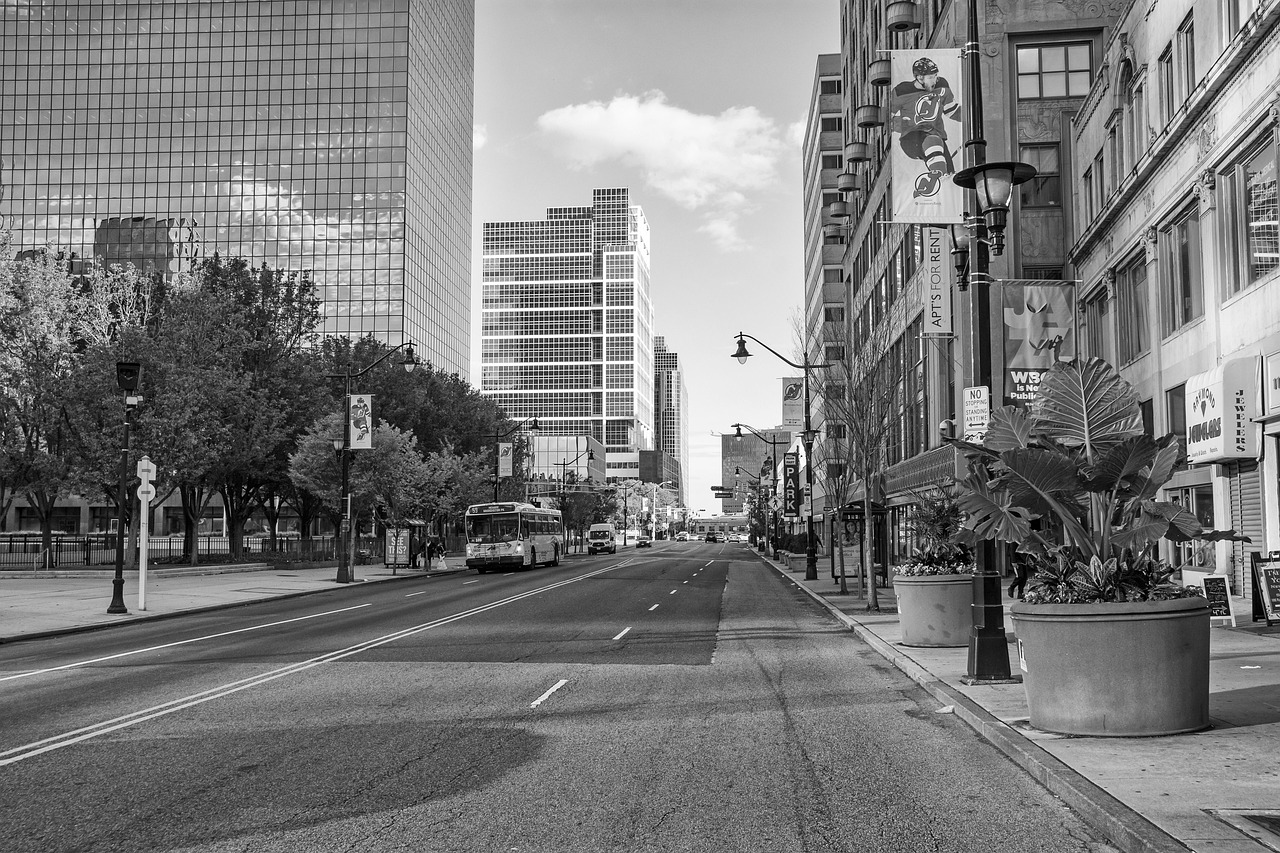
Eagle-eyed viewers will recognize specific spots from the real Cold Spring in transition shots:
- Main Street: The quintessential American small-town thoroughfare that provides the blueprint for Chimney Rock’s commercial district.
- Fair Street: Known for its historic residential charm, used for background plates in driving sequences.
- Cold Spring Pizza: A local staple that served as the architectural inspiration for a key meeting spot in the film.
Explore Cold Spring on Google Maps →
Our Lady of Perpetual Fortitude: The Central Mystery Church
At the center of the film's enigma is a sprawling, ominous church titled Our Lady of Perpetual Fortitude. Finding a location that felt sufficiently "American Gothic" yet existed within driving distance of a London studio was a monumental task for the location scouts.
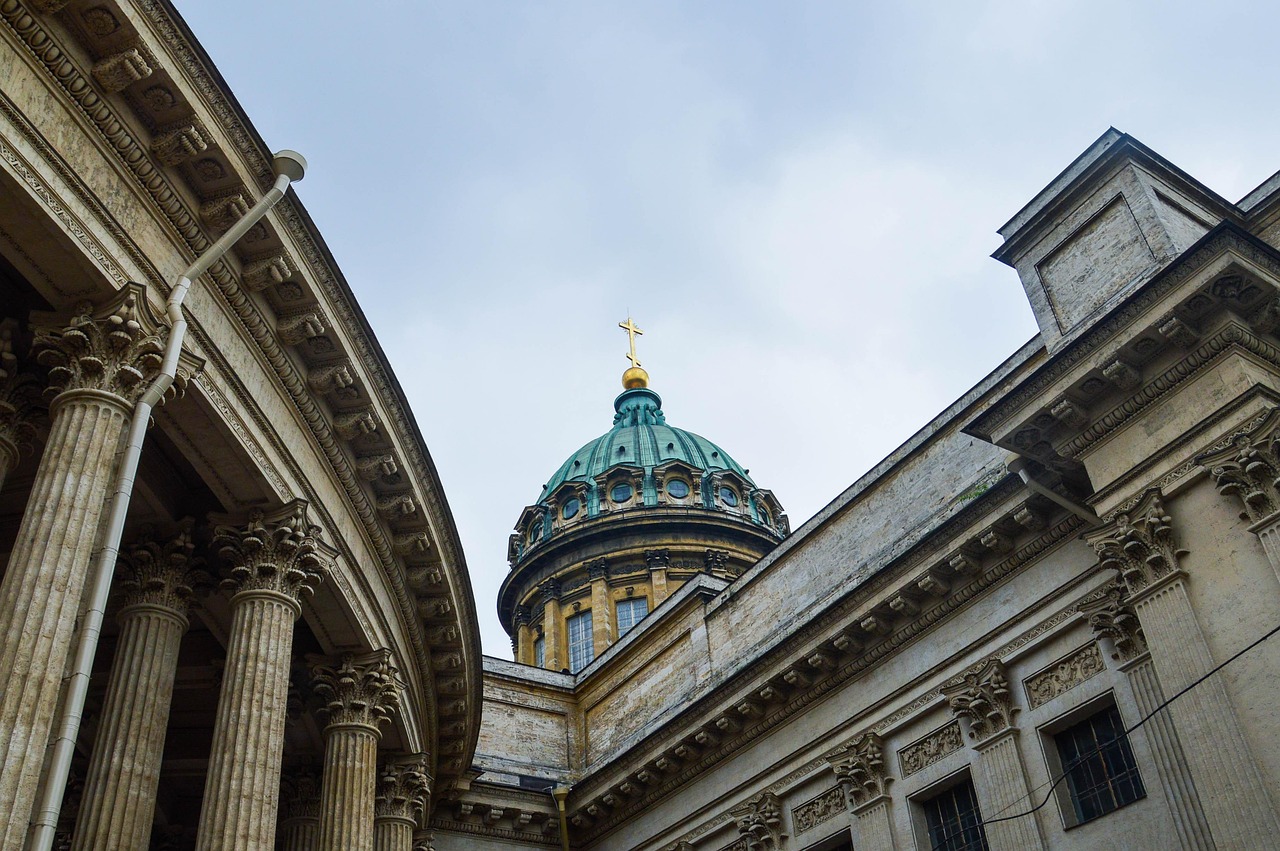
They eventually discovered the Holy Innocents Church in High Beech, Essex. Nestled just outside London, this mid-nineteenth-century structure features the exact Victorian Gothic Revival style required to pass for an older church in the American Northeast. The exterior, with its weathered stone and sharp steeples, provides the film with its most haunting visual anchor.
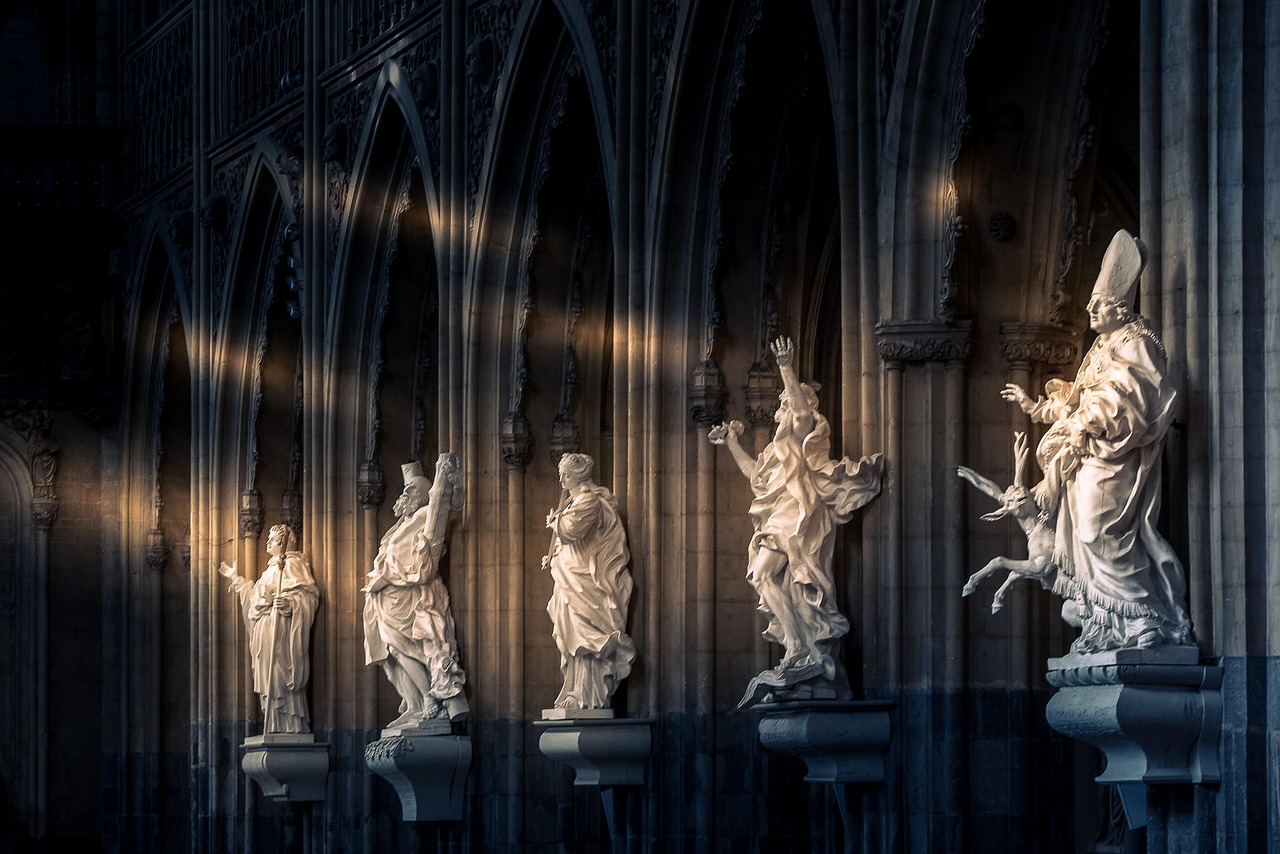
However, the "Studio Secret" lies within. While the exterior is a real Essex landmark, the interior of the church seen on screen is a custom-built set at Warner Bros. Studios Leavesden. This set was designed to be 200% larger than the actual interior of the Holy Innocents Church. This massive scale was necessary to accommodate the film’s ensemble cast, complex dolly movements, and the dramatic lighting required for the film’s "fire-and-brimstone" climax.
Key design elements within the studio set include:
- The Ship-Prow Ambo: A dramatic pulpit inspired by the 1956 film Moby Dick, leaning into the film's themes of obsession and pursuit.
- The Eagle Bookrest: A heavy, brass ornamental piece that becomes a focal point during several tense interrogations.
Vera Draven’s Estate and Legal Offices
The Draven family represents the old-money power of Chimney Rock, and their headquarters, "Draven & Draven Attorneys at Law," needed to reflect a sense of crumbling, legalistic grandeur. The production found its match in a private estate located in the picturesque village of Shere, near Guildford in West Surrey.
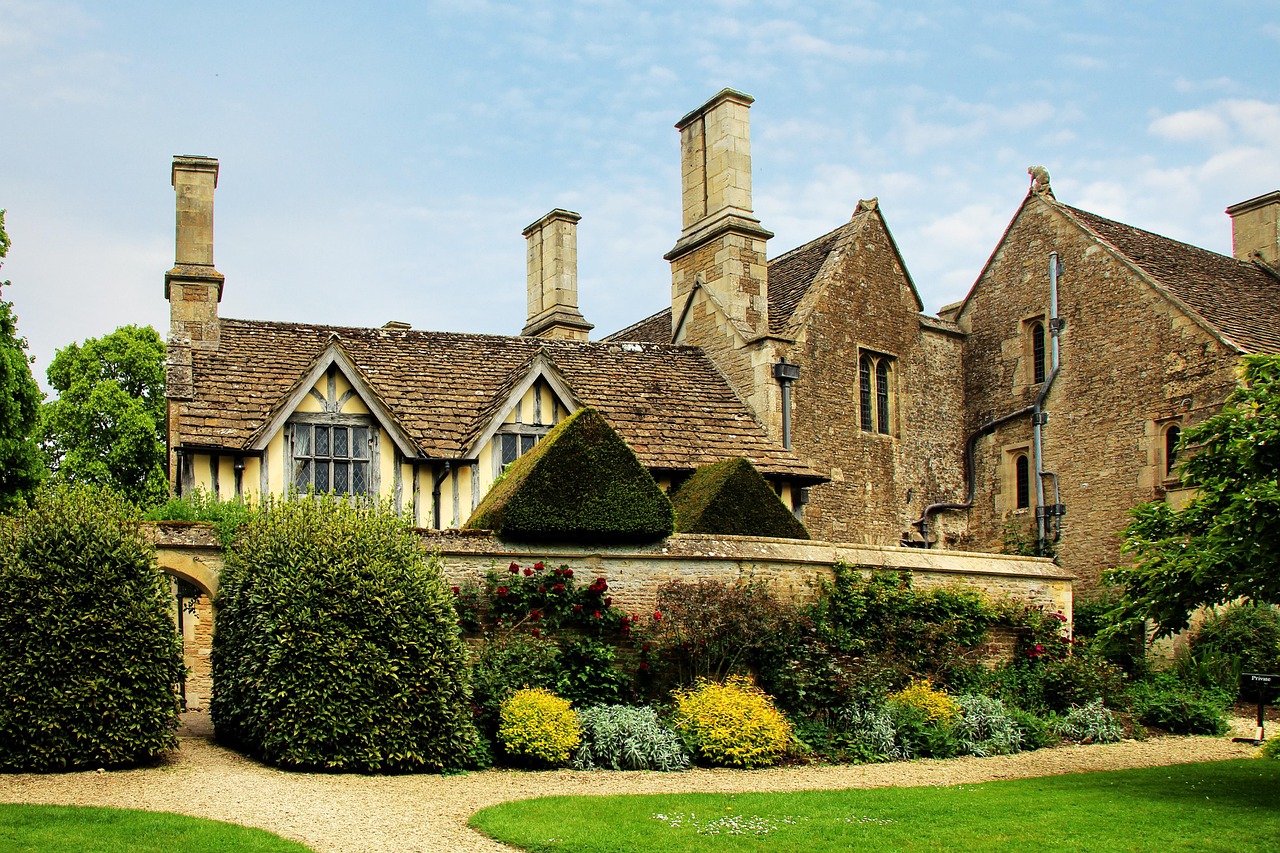
The estate served as an "architectural dupe" for a New York country manor. To create a seamless flow between the exterior and interior, the production refurbished a brick squash court on the property, turning it into the lower level of the legal offices. This allowed the actors to walk from the "driveway" (the estate grounds) directly into the "office" without a jarring cut between a real location and a soundstage.
Shere is no stranger to the silver screen, having previously hosted productions like The Holiday and Bridget Jones's Diary, but Wake Up Dead Man strips away the village's usual "chocolate box" charm in favor of a more severe, arboreal aesthetic.
Winterfold Forest: The Mausoleum and Woods
As the mystery deepens, the action shifts into the dense, disorienting woods surrounding the town. These scenes were captured in Winterfold Forest in the Surrey Hills. The choice of Winterfold was deliberate; certain sections of the forest function as an "aligned tree farm," where the trees are planted in perfect, hauntingly straight rows.
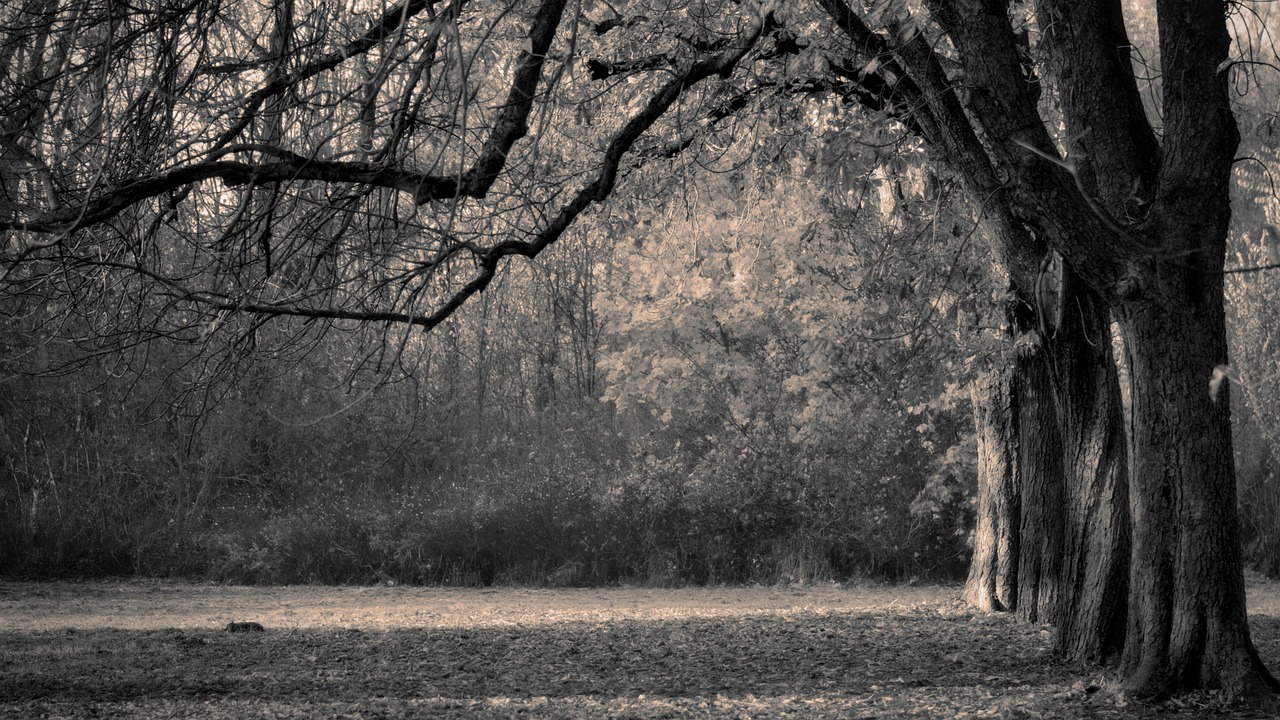
This creates a "perspective shift" as the camera moves through the trees—a visual metaphor for Blanc’s attempt to find the "straight truth" in a crooked case. Rather than building the Wicks family mausoleum and the groundskeeper’s cabin on a soundstage, the production team chose to build these structures on-site within the forest. This ensured that the natural light filtering through the canopy and the genuine dampness of the English air would translate into the "cold" Hudson Valley atmosphere on screen.
Hidden London Gems in Knives Out 3
While the countryside provided the "town," London itself offered the interiors for some of the film’s more urban moments.
One of the most talked-about scenes involves an interview in a uniquely textured, wood-paneled room. This was filmed at The Harrow Club in West London. Pop culture enthusiasts might find the venue familiar for a different reason: it is the same site used for the filming of Rick Astley’s legendary "Never Gonna Give You Up" music video. In Wake Up Dead Man, however, the space is transformed into a scholarly, somewhat oppressive environment.
Additionally, for scenes requiring an air of ancient, monastic quiet, the production moved to the St John Priory Church in Clerkenwell. The historic cloister garden was used for exterior scenes where characters discuss the case away from prying eyes. The stone arches and manicured greenery perfectly mimic the sort of high-end, private institutions one might find in the more affluent corners of New York state.
Il Diavolo: The 'Devil's' Local Pub
Every Knives Out film features a location where the locals and the suspects collide, and in Wake Up Dead Man, that place is "Il Diavolo." The bar is a kitschy, Italian-themed local pub filled with devil-themed iconography and neon signs.
The creation of Il Diavolo is a perfect example of the film’s hybrid filming approach:
- The Facade: The exterior shots of the bar were filmed at Cold Spring Pizza in New York, with a temporary "Il Diavolo" sign installed over the real storefront.
- The Interior: The moment a character steps through the door, they are actually on a set at Leavesden Studios. The interior was designed to look like a "lived-in" American dive bar, complete with sticky floors and vintage beer mirrors, proving that with the right production design, a London soundstage can feel like a New York tavern.
Why the UK? The Art of the New York 'Dupe'
The decision to film a quintessentially American story in the United Kingdom wasn't just about tax incentives; it was about "architectural alchemy." Production designer Rick Heinrichs noted that finding Neo-Gothic churches in the U.S. that haven't been overly modernized is increasingly difficult. The UK, conversely, is a treasure trove of Victorian-era stone structures that—when stripped of their British signage—feel like the architectural ancestors of the Hudson Valley.
Furthermore, the film’s cinematographer, Steve Yedlin, utilized advanced lighting techniques on the London stages to simulate the specific quality of light found in New York. "Hudson Valley light has a certain silver-blue crispness in the autumn," Yedlin explained. By using large-scale LED volumes at Leavesden, the crew could recreate the overcast, moody weather of a New York November regardless of the actual English weather outside the studio doors.
FAQ
Is Chimney Rock a real town? No, Chimney Rock is a fictional town created for the Knives Out universe. However, its visual identity is heavily based on the village of Cold Spring, New York, which provided the drone shots and environmental plates used in the film.
Can you visit the Knives Out 3 church? Yes. The exterior of the church is the Holy Innocents Church in High Beech, Essex. It is an active parish church and can be visited by the public. However, remember that the interior seen in the movie was a studio set and does not reflect the actual inside of the church.
Why wasn't the movie filmed entirely in New York? While the setting is New York, filming in the UK allowed the production to utilize the world-class facilities at Warner Bros. Studios Leavesden and access a variety of "Neo-Gothic" locations that were easier to secure in the English countryside than in the busy Hudson Valley.
Are you ready to solve the mystery yourself? Whether you are a fan of Benoit Blanc’s sartorial choices or a location scout at heart, visiting these sites offers a unique glimpse into the world of high-stakes whodunnits.