Quick Facts
- Market Momentum: The global electric ferry market is projected to reach approximately $11 billion by 2027, driven by a 13.7% compound annual growth rate.
- Environmental Impact: Maritime shipping currently accounts for nearly 3% of global greenhouse gas emissions—roughly one billion metric tons of CO2 annually.
- Technological Breakthroughs: New hydrofoil designs, such as the Candela P-12, can reduce energy consumption by up to 80% compared to traditional hulls.
- Infrastructure Speed: Modern shore-side charging systems now allow high-capacity passenger vessels to fully recharge in under 10 minutes.
The Third Wave of Electrification
For the past decade, the global conversation surrounding the energy transition has been dominated by the road and the sky. We have watched Tesla redefine the automotive landscape and witnessed the nascent testing of electric vertical take-off and landing (eVTOL) aircraft. However, a quieter, perhaps more significant revolution is occurring where the land ends. We are currently entering the "Third Wave" of electrification: the decarbonization of our oceans and waterways.
The shift toward electric ferries is not merely an environmental pivot; it is a fundamental restructuring of maritime transit. By replacing massive diesel engines with high-density battery-powered motors, operators are achieving a trifecta of benefits: zero localized emissions, a radical reduction in noise and vibration, and significantly lower long-term maintenance costs. For the traveler, this means a commute that is no longer characterized by the smell of sulfur and the roar of a combustion engine, but by the silent glide of a vessel that respects the ecosystem it traverses.
The Economic Engine: The $11 Billion Market Boom
The maritime industry is notoriously capital-intensive, yet the financial math for electrification has finally reached a tipping point. Analysts now project the global electric ship market will swell to approximately $11 billion by 2027. This is nearly double the market’s 2019 value. This surge is fueled by a combination of tightening international maritime regulations and significant government subsidies, such as the US Bipartisan Infrastructure Law, which has earmarked billions for ferry service improvements and low-emission pilot programs.
Beyond the subsidies, the operational expenditure (OPEX) of an electric fleet is the real draw for critics and accountants alike. While the initial capital expenditure (CAPEX) for an electric ferry remains higher than its diesel counterpart, the cost of electricity is generally lower and more stable than marine gas oil. Furthermore, electric motors have fewer moving parts, reducing the need for the frequent, expensive overhauls that plague diesel propulsion systems.
Tech Spotlight: Hydrofoils and Rapid Charging
The most significant hurdle for battery-powered passenger ships has historically been the "energy density" of batteries compared to fossil fuels. Diesel is incredibly energy-dense, allowing ships to travel long distances with relatively small tanks. To bridge this gap, engineers are looking at two primary solutions: making the boats more efficient and making the charging faster.
Enter the hydrofoil. Technology like that found in the Candela P-12—a vessel currently being integrated into Stockholm’s transit system—uses underwater wings to lift the hull out of the water. This minimizes drag so effectively that it reduces energy consumption by 80% compared to a traditional catamaran. When the vessel "flies" above the waves, it bypasses the friction that usually drains battery life, allowing for higher speeds and longer ranges.
Expert Opinion: What is Energy Density? In maritime terms, energy density refers to the amount of energy stored in a given system per unit of volume or mass. Currently, marine batteries require significantly more space and weight than diesel to produce the same range. This is why "foiling" technology and lightweight carbon-fiber hulls are essential to the e-ferry's viability.
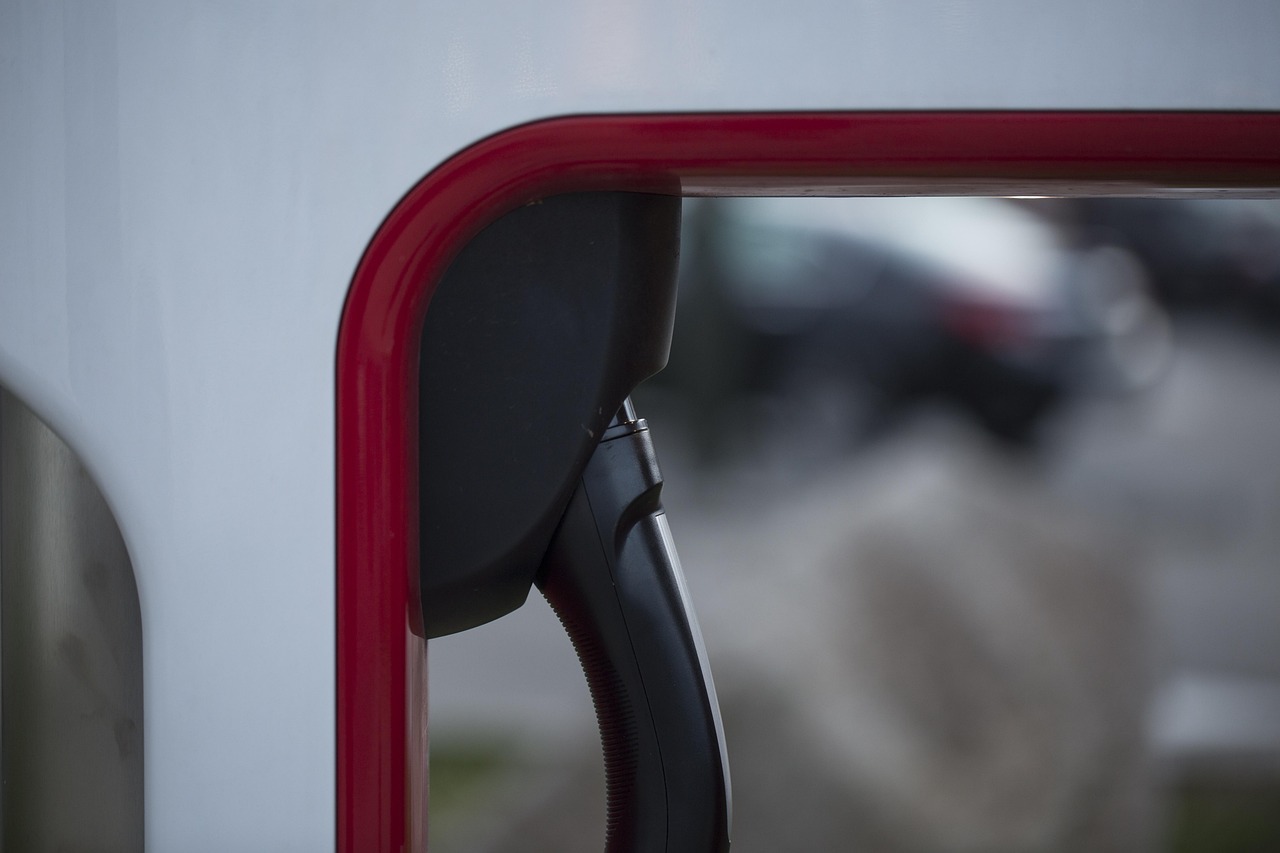
Supporting these high-tech hulls is a revolution in shore-side infrastructure. To maintain a high-frequency commuter schedule, a ferry cannot sit idle for hours while charging. Modern rapid-charging stations can now deliver massive amounts of power in the time it takes for passengers to disembark and board—often in under 10 minutes.
Traditional Diesel vs. Electric Ferry Comparison
| Feature | Traditional Diesel Ferry | Next-Gen Electric Ferry |
|---|---|---|
| CO2 Emissions | High (Approx. 1B tons/year globally) | Zero (at point of use) |
| Noise Level | 80–100+ decibels (constant vibration) | < 50 decibels (near-silent) |
| Maintenance | High (Frequent oil/filter/part changes) | Low (Simplified motor architecture) |
| Refueling/Charging | 20–40 minutes (fueling) | 10 minutes (rapid shore-side charge) |
| Primary Cost Driver | Fluctuating fuel prices | Initial battery/hull CAPEX |
The Global Leaderboard: Regional Case Studies
The adoption of zero-emission maritime transit is not happening at a uniform pace. It is a regional race where geography and government policy dictate the winners.
Norway and Sweden: The Scandinavian Vanguard
Norway is the undisputed world leader in this sector, currently operating a fleet of over 50 electric vessels. The journey began in earnest with the MF Ampere, the world's first fully electric car ferry, which proved that battery power could handle the rigorous demands of fjord crossings. Sweden is following suit with a focus on speed; Stockholm’s "Nova" project is testing the world’s fastest commuter ships, aiming to cut cross-city travel times in half by bypassing road traffic and utilizing high-speed hydrofoil paths.

Asia-Pacific: Scale and Urban Density
In the Asia-Pacific region, the focus is on scale. Bangkok has introduced electric "Mine Mobility" ferries to the Chao Phraya River, aiming to reduce the city’s notorious air pollution. Meanwhile, in India, the Kochi Water Metro is one of the world’s most ambitious projects, involving a planned fleet of 78 battery-powered vessels connecting 10 islands. For these metropolitan hubs, electric ferries are not just about the climate; they are a critical tool for decongesting road traffic.
The Americas: The Giants Wake Up
The United States is currently playing catch-up, but the scale of its investments is massive. Washington State Ferries, the largest ferry system in the US, has embarked on a $6 billion electrification program. The goal is to convert its massive diesel-guzzling fleet to hybrid-electric by 2040, a move that will eliminate over 180,000 tons of CO2 annually.
Overcoming the Wake: Challenges to Universal Adoption
Despite the momentum, the transition to a zero-emission maritime future is not without its turbulence. As a critic, I must highlight that an electric ferry is only as "green" as the grid that powers it. In regions where electricity is still primarily generated by coal or natural gas, the carbon footprint is merely shifted from the water to the power plant. The requirement for a "Green Grid" is paramount for the maritime industry to claim true carbon neutrality.
Then there is the issue of battery lifecycle. The sourcing of lithium, cobalt, and nickel for marine-scale batteries carries its own environmental and ethical weight. However, the industry is already looking toward circularity—using "second-life" batteries from the automotive industry to provide shore-side storage, and investing in new battery chemistries that reduce reliance on rare minerals.
The Future Horizon: What to Expect by 2030
As we look toward the end of the decade, expect to see the secondary market for retrofitting take off. Building new hulls is expensive; converting existing diesel ships to electric or hybrid propulsion is the faster route to scale. We will also see the integration of "Smart City" technologies, where ferries communicate with local power grids to act as giant mobile batteries, discharging power back to the city during peak demand while they are docked.
For the traveler, the experience is about to become significantly more civilized. Imagine a commute through a city like New York, London, or Sydney where you can sit on the deck and have a conversation in a normal speaking voice, without the vibration of an engine rattling your coffee cup. That is the promise of the electric ferry revolution.
FAQ
Are electric ferries safe in rough seas? Yes. Electric propulsion systems provide high torque and immediate power, which can actually offer better control in difficult conditions compared to traditional engines. The batteries are housed in watertight, fire-suppressed compartments that meet or exceed international maritime safety standards.
How long do marine batteries last? Most current marine battery systems are designed for a 10-year lifespan under heavy daily use. After their maritime life ends, these batteries often have 70-80% capacity remaining and are repurposed for land-based energy storage.
Can electric ferries handle long-distance ocean crossings? Currently, fully electric vessels are best suited for short-to-medium range "point-to-point" routes (commuter runs and fjord crossings). For long-distance international shipping, hybrid systems using hydrogen or green ammonia are the more likely long-term solution.