Quick Facts
- Crowd Control: Winter is the "secret season" for national parks, offering a tranquil experience with significantly fewer visitors and easier access to popular trailheads.
- Logistical Ease: Securing last-minute camping and lodging permits—which usually require months of planning in summer—is much more attainable during the colder months.
- Diverse Climates: Whether you seek 70-degree desert sun in Death Valley or world-class snowshoeing at Mount Rainier, winter provides a spectrum of environments to suit any traveler.
- Unique Wildlife: Elusive species like wolves, elk, and moose are often easier to spot against the white backdrop of snow or near thermal features.
Why Your Next Winter Adventure Should Be a National Park
While most travelers retreat indoors as the mercury drops, the savvy adventurer knows that winter is actually the "best-kept secret" of the National Park System. Imagine standing on the rim of the Grand Canyon in total silence, or walking through the surreal, snow-dusted red rock arches of Utah without a single tourist in your frame. The off-season transformation of these landscapes is nothing short of magical.
One of the most compelling reasons to visit now is the dramatic shift in accessibility. In Zion National Park, for example, the heavy summer shuttle system is often suspended in winter, allowing you to drive your own vehicle through the canyon—a luxury unheard of in July. Furthermore, winter travelers at the Grand Canyon have a significantly higher success rate for securing last-minute camping permits at the coveted Bright Angel Campground compared to the high-stakes summer lottery system.
Beyond the logistics, winter offers a front-row seat to wildlife sightings that are nearly impossible during the bustling summer. The absence of crowds brings shy predators like wolves and bobcats out of hiding, while heavy-bodied ungulates like moose and elk move to lower elevations, making them far easier to observe. Whether you are looking for a tropical escape or a frozen wonderland, these 14 parks prove that the off-season is actually peak season for beauty.
Section 1: Tropical Escapes & Warm Weather Retreats
If your idea of a winter getaway involves trading a parka for a swimsuit, several national parks offer a "second summer." These southern destinations are often too hot to enjoy in July but become Mediterranean-style paradises from December through February.
1. Death Valley National Park, California
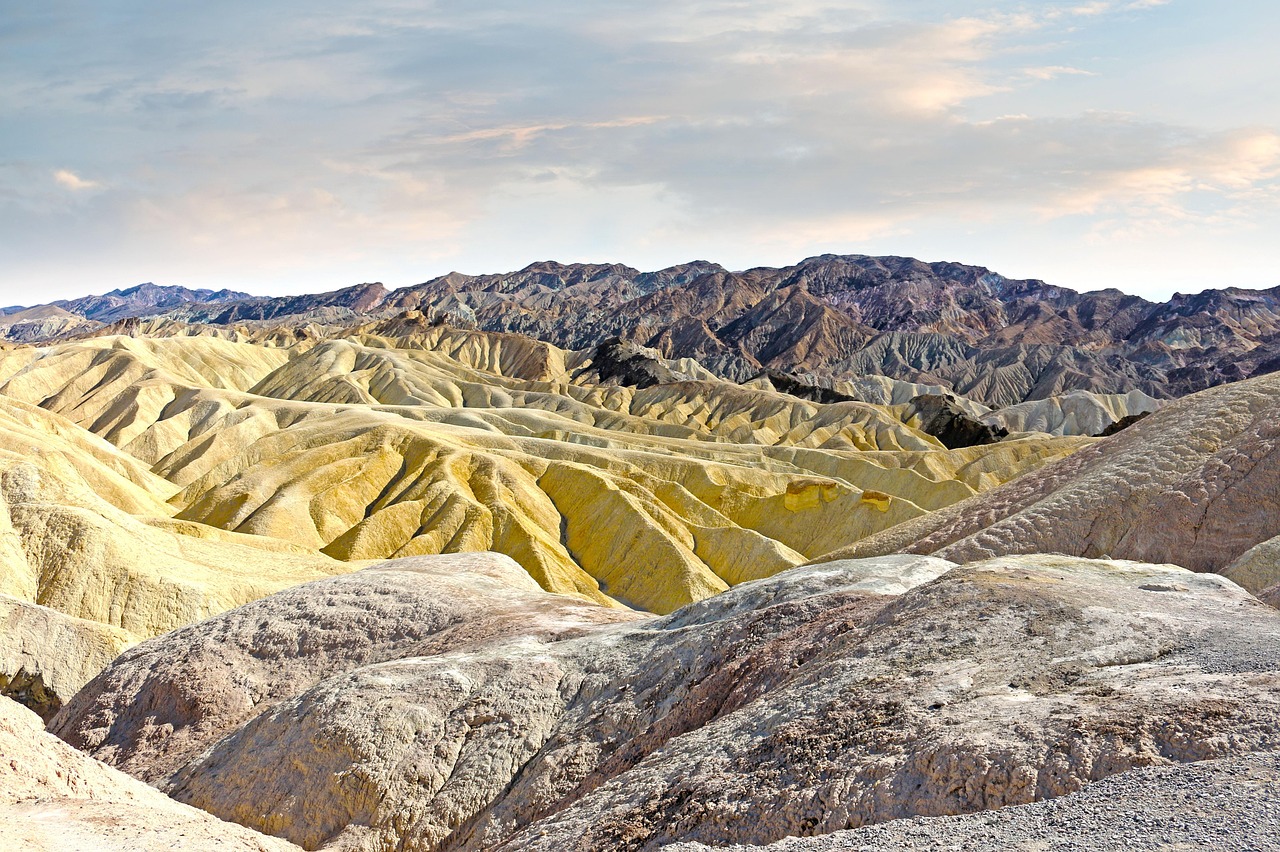
Death Valley is a land of extremes that becomes remarkably hospitable in the winter. During the summer, temperatures can soar past 120°F, making exploration dangerous. However, in January and February, the park sees average daytime highs of a comfortable 67-73°F. This mild climate allows you to hike the colorful badlands and trek across the vast salt flats of Badwater Basin without the life-threatening heat.
The soft winter light is a photographer’s dream, especially during sunrise at Zabriskie Point. The low angle of the sun casts long, dramatic shadows across the golden ripples of the Earth, creating a texture that feels almost lunar.
2. US Virgin Islands National Park
For a true tropical escape, the US Virgin Islands National Park is the ultimate winter sanctuary. Located on the island of St. John, this park protects over 7,000 acres of land and sea. Here, winter means snorkeling in crystal-clear turquoise waters with green sea turtles and vibrant coral reefs.
A favorite activity for many is spending a day at Honeymoon Beach or sailing out to one of the floating pizza boats in the bay. The trade winds keep the air fresh, and the ocean remains warm enough for swimming year-round. It is the perfect place to forget that snow even exists.

3. Everglades National Park, Florida
The Everglades in summer can be a challenging mix of 100% humidity and thick clouds of mosquitoes. Winter, however, brings the "dry season," characterized by clear blue skies and a complete absence of those pesky insects. This is the best time to explore the "River of Grass."
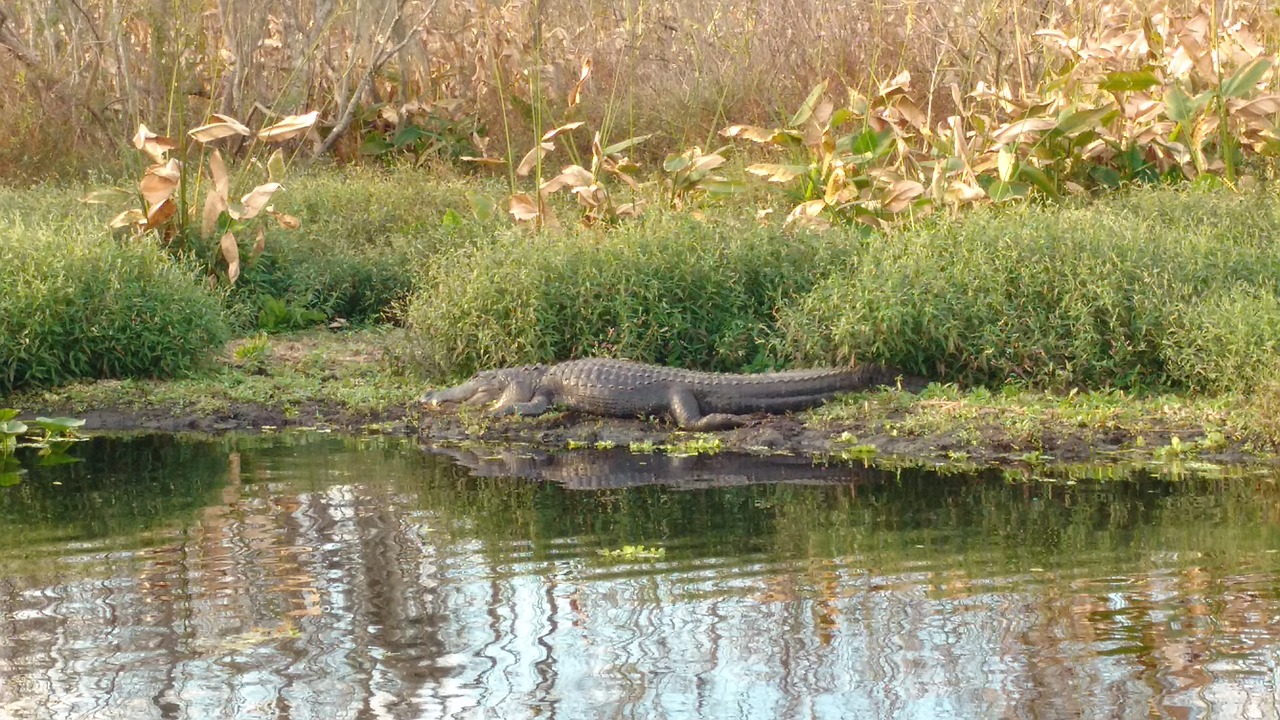
The lower water levels during winter force wildlife to congregate around permanent water holes, making it the prime season for animal viewing. You can kayak through tangled mangrove tunnels to spot manatees, alligators, and a dazzling array of migratory birds like Roseate Spoonbills.
4. Hawaii Volcanoes National Park, Hawaii
On the Big Island of Hawaii, winter temperatures hover in the high 70s, making it an ideal time to witness the raw power of creation. Hawaii Volcanoes National Park is home to Kīlauea and Mauna Loa, two of the world's most active volcanoes.
The landscape is a stark, beautiful contrast of black sand beaches, ancient lava tubes, and lush rainforests. For an unforgettable perspective, many visitors opt for a "Circle of Fire" helicopter tour, which offers a bird's-eye view of active lava flows and steam plumes meeting the Pacific Ocean.
5. Saguaro National Park, Arizona
Located on the edges of Tucson, Saguaro National Park protects the giant cacti that have become the symbol of the American West. In winter, the desert sun is gentle rather than scorching, providing the perfect conditions for hiking through the Rincon Mountain District.
The winter sunsets here are legendary. As the sun dips below the horizon, the sky turns shades of bruised purple and fiery orange, silhouetting the towering saguaros against the desert floor. It is a quiet, meditative experience that feels worlds away from the slush and gray of northern winters.
Section 2: Constant Climates & Desert Landscapes
Some parks offer a reprieve from winter through geology rather than geography. From subterranean wonders to high-desert plateaus, these parks maintain a unique beauty that isn't dependent on the sun's heat.
6. Carlsbad Caverns National Park, New Mexico
If you want to escape the winter weather entirely, head underground. Carlsbad Caverns National Park maintains a constant underground temperature of 56 degrees Fahrenheit year-round, regardless of external winter conditions. Whether it's snowing or sunny outside, the caverns remain a cool, stable sanctuary.
You can take a self-guided tour through the "Big Room," the largest single cave chamber by volume in North America. The intricate stalactites and stalagmites are even more impressive when you realize you’re exploring one of the most complex cave systems on Earth while the world above might be shivering.
7. Joshua Tree National Park, California
Joshua Tree is a high-desert playground that radiates a certain "Bohemian" energy. While nights can get chilly, the daytime sun is usually bright and warm, making it the peak season for rock climbers from around the globe. The grippy monzonite boulders are far more pleasant to scale when they aren't baking in the summer heat.
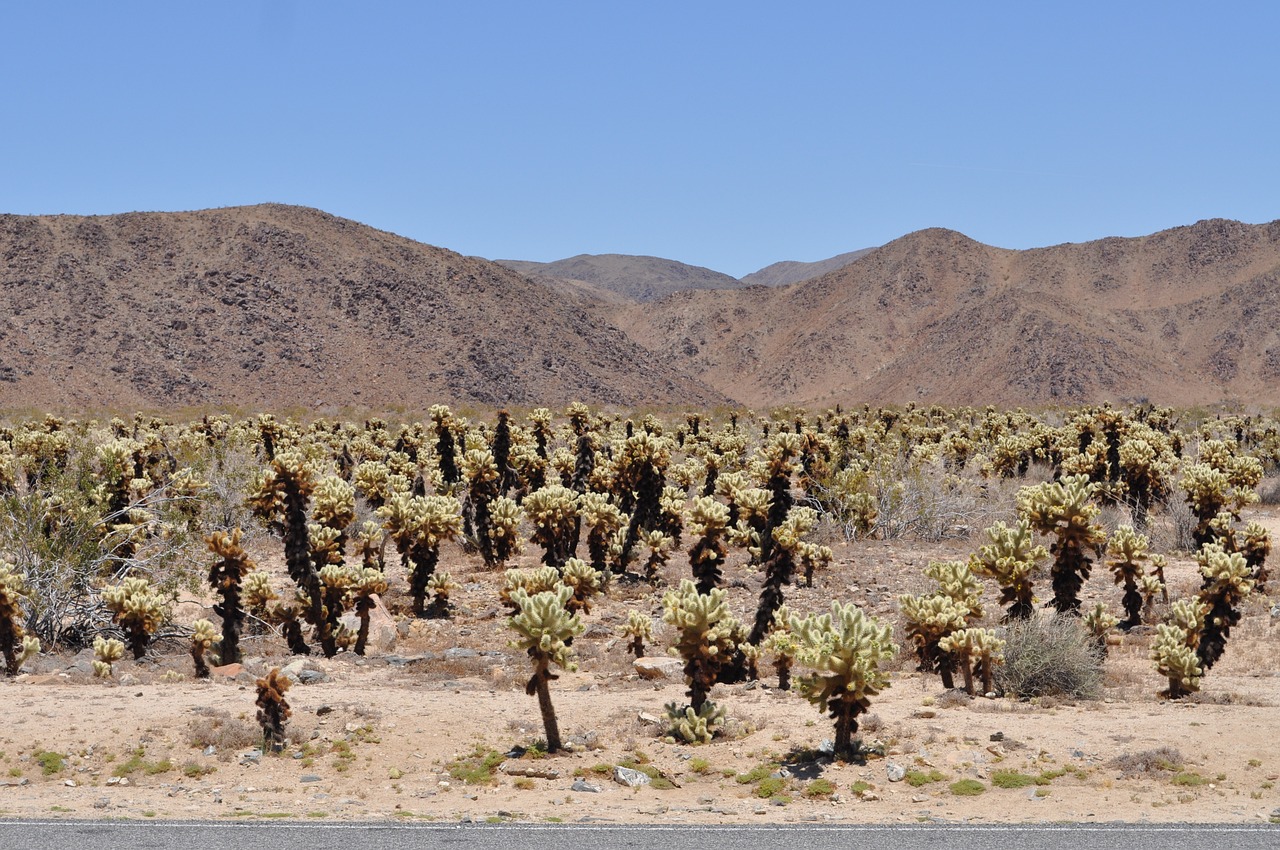
Beyond the climbing, the park is a haven for photography. The Cholla Cactus Garden, in particular, is a must-visit at sunrise. The soft morning light catches the "furry" spines of the cacti, making the entire garden look like it’s glowing.
8. Big Bend National Park, Texas
Big Bend is one of the most remote national parks in the lower 48, and in winter, it feels like your own private wilderness. The park spans from the banks of the Rio Grande to the peaks of the Chisos Mountains.
One of the most iconic winter experiences here is soaking in the natural hot springs located right at the edge of the Rio Grande. As the cool desert air brushes your face, you can relax in 105-degree mineral water while looking across the river into Mexico. Additionally, as an International Dark Sky Park, the winter stargazing here is unparalleled, with the Milky Way appearing with startling clarity.
Section 3: Iconic Winter Wonderlands
For those who embrace the cold, these parks transform into ethereal landscapes of ice and snow. These are the destinations where you can strap on snowshoes or skis and experience the national parks in their most pristine, quiet state.
9. Grand Canyon National Park, Arizona (South Rim)
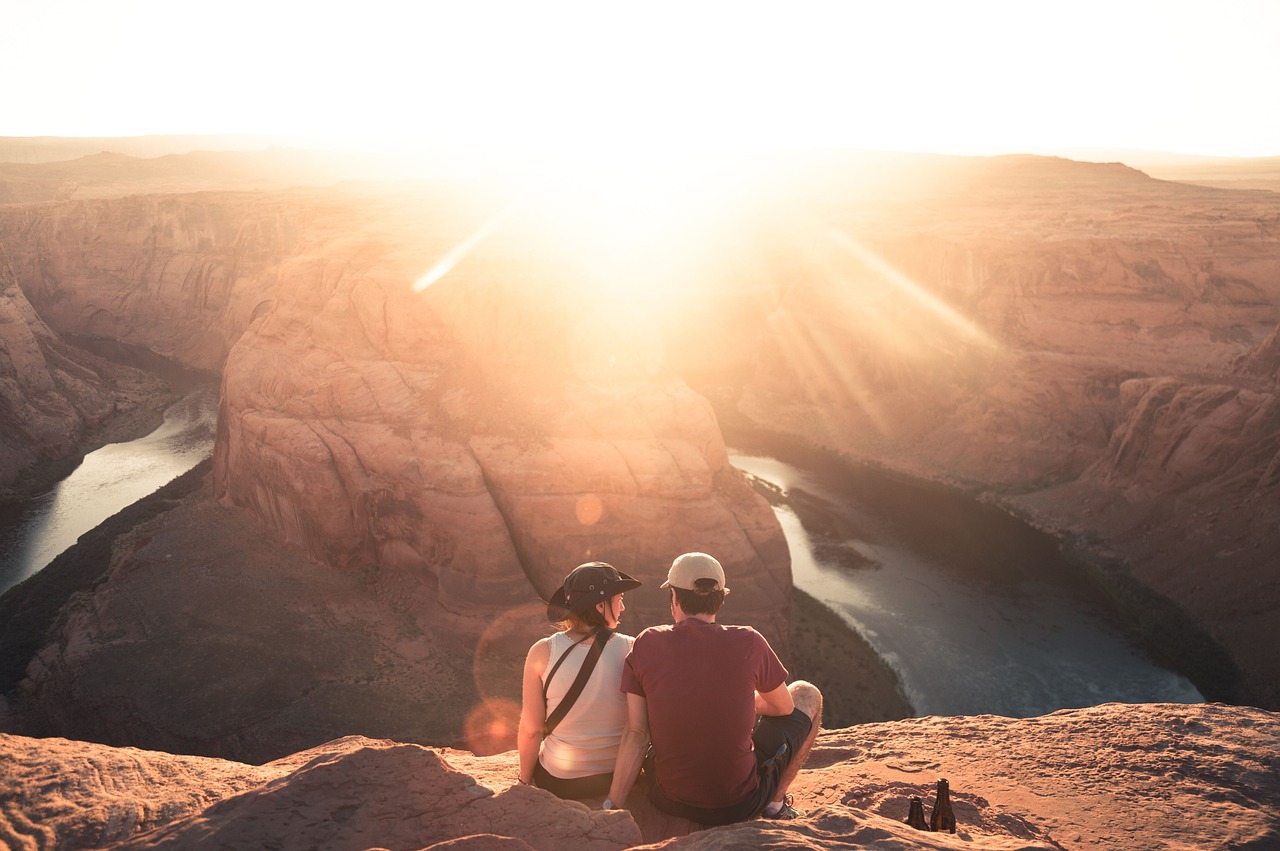
While the North Rim closes for the season, the South Rim of the Grand Canyon remains open and is arguably more beautiful under a blanket of snow. The contrast of the deep red canyon walls against the brilliant white snow is a sight every traveler should see at least once.
Walking the Rim Trail in winter is a peaceful experience, as the usual summer crowds are gone. You can stand at Mather Point and hear the wind whistling through the temples of the canyon—a sound usually drowned out by thousands of tourists.
Pro Tip: If you're planning to hike down into the canyon, remember that while it may be snowing at the rim, it can be 20 degrees warmer at the bottom. Pack layers accordingly and bring traction devices for the icy upper switchbacks.
10. Mount Rainier National Park, Washington
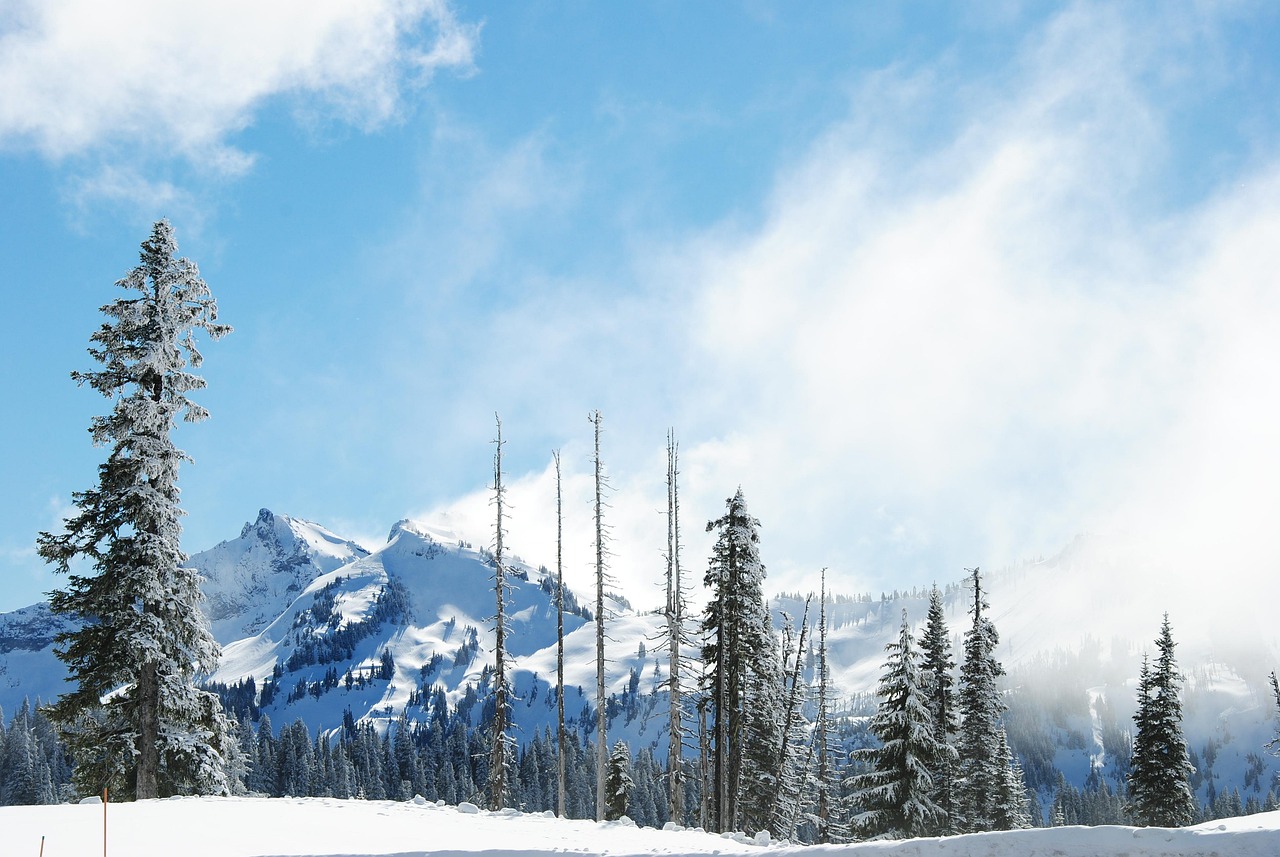
Mount Rainier is the king of winter sports in the Pacific Northwest. The Paradise area of the park receives some of the highest snowfall totals in the world, turning it into a massive playground for snow enthusiasts.
One of the best ways to experience the park is through a ranger-guided snowshoe walk. These tours depart from the Jackson Visitor Center and teach you about how the park's plants and animals survive the harsh alpine winters. For families, the designated snowplay and sledding area at Paradise provides hours of old-fashioned winter fun.
11. Bryce Canyon National Park, Utah
Bryce Canyon is home to the largest concentration of hoodoos (irregular columns of rock) on Earth. In winter, these red sandstone spires are shrouded in glittering white snow, creating a visual contrast that feels almost "otherworldly."
The air in Bryce is famously clear, and in winter, the visibility can extend for a hundred miles. Photographers flock to Sunrise and Sunset Points to capture the first and last light hitting the snow-dusted amphitheater. If you’re feeling adventurous, snowshoeing the Rim Trail offers breathtaking views without the summer dust.
12. Arches & Canyonlands National Parks, Utah
Moab's twin parks, Arches and Canyonlands, are notoriously crowded in the spring and fall. In winter, you might find yourself completely alone under the Delicate Arch. The silence of the desert in winter is profound.
Hiking through Devils Garden or exploring the Island in the Sky district of Canyonlands is a much more intimate experience during the colder months.
Safety Warning: Watch for seasonal road closures after major winter storms. The park service works quickly to clear main roads, but shaded sections of trail can remain icy for weeks.
13. Acadia National Park, Maine
Acadia offers a rugged, coastal winter experience that is radically different from the mountain parks of the West. The dramatic frozen Atlantic coastline is a sight to behold, with ice formations clinging to the granite cliffs.
While the famous Loop Road is mostly closed to cars, it becomes a haven for cross-country skiers and snowshoers. There are 45 miles of historic carriage roads, many of which are groomed by local volunteers, offering some of the most scenic Nordic skiing in the country.
14. Rocky Mountain National Park, Colorado
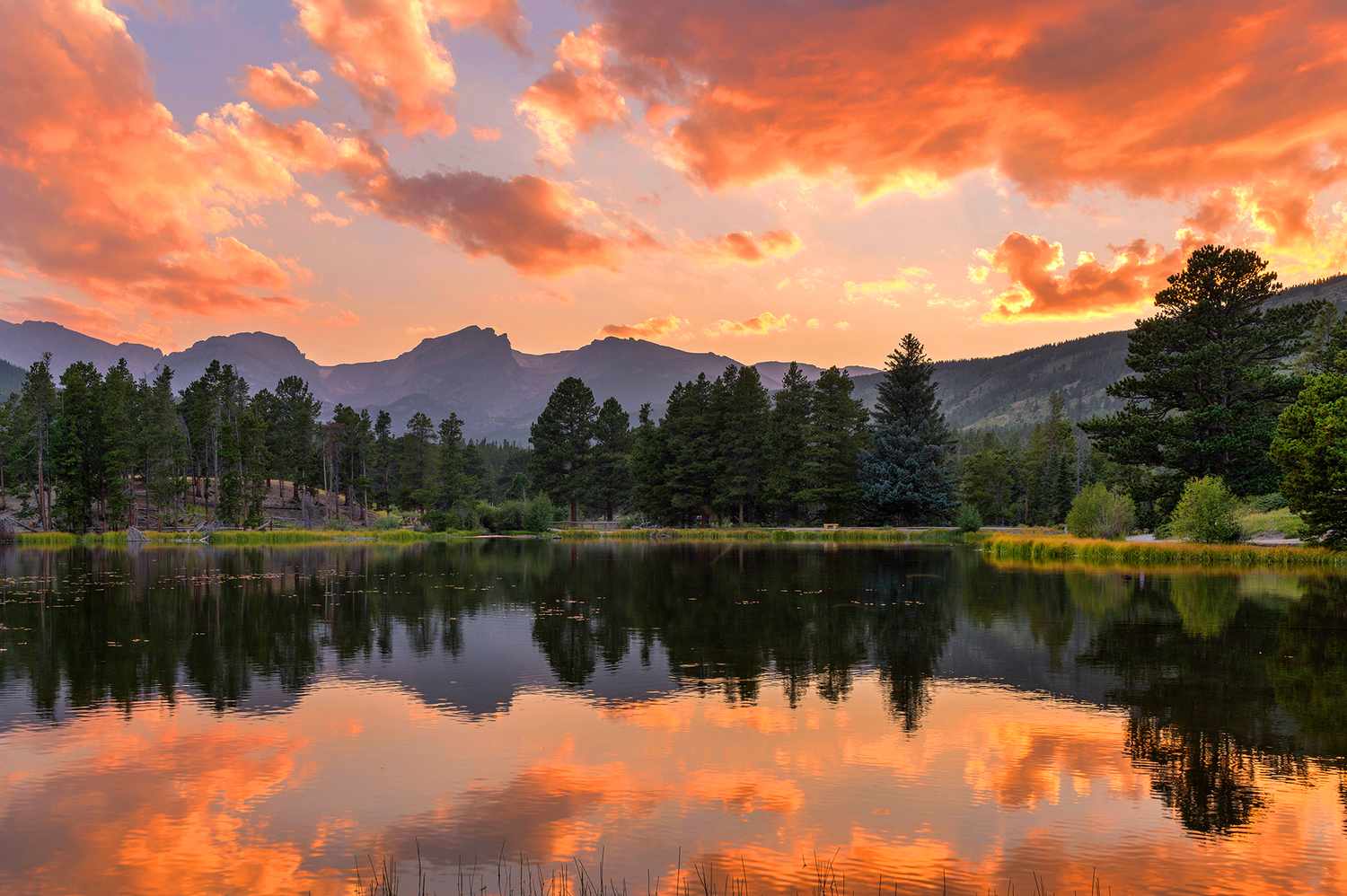
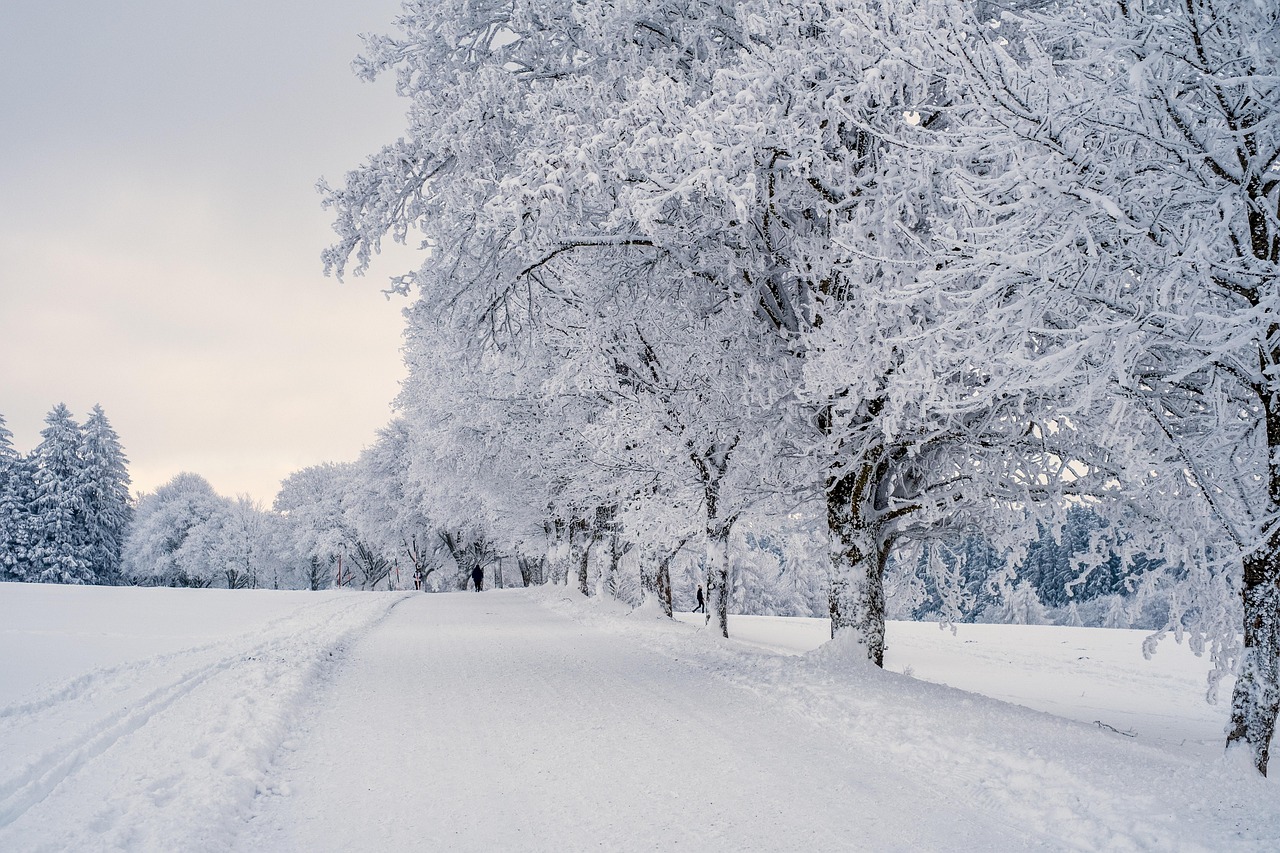
Rocky Mountain National Park is a quintessential winter wonderland. The high-altitude peaks are buried in deep powder, and the mountain villages surrounding the park, like Estes Park, offer a cozy, quiet atmosphere.
The Tyndall Gorge snowshoe trek is a classic winter route that leads you to the base of dramatic peaks and frozen lakes. For a bit of thrill, the Hidden Valley area—a former ski resort—is now a popular spot for backcountry skiing and organized sledding.
Expert Gear Guide for Winter Park Travel
Success in the national parks during winter comes down to one thing: preparation. The weather can be fickle, and having the right equipment ensures that you stay comfortable and safe.
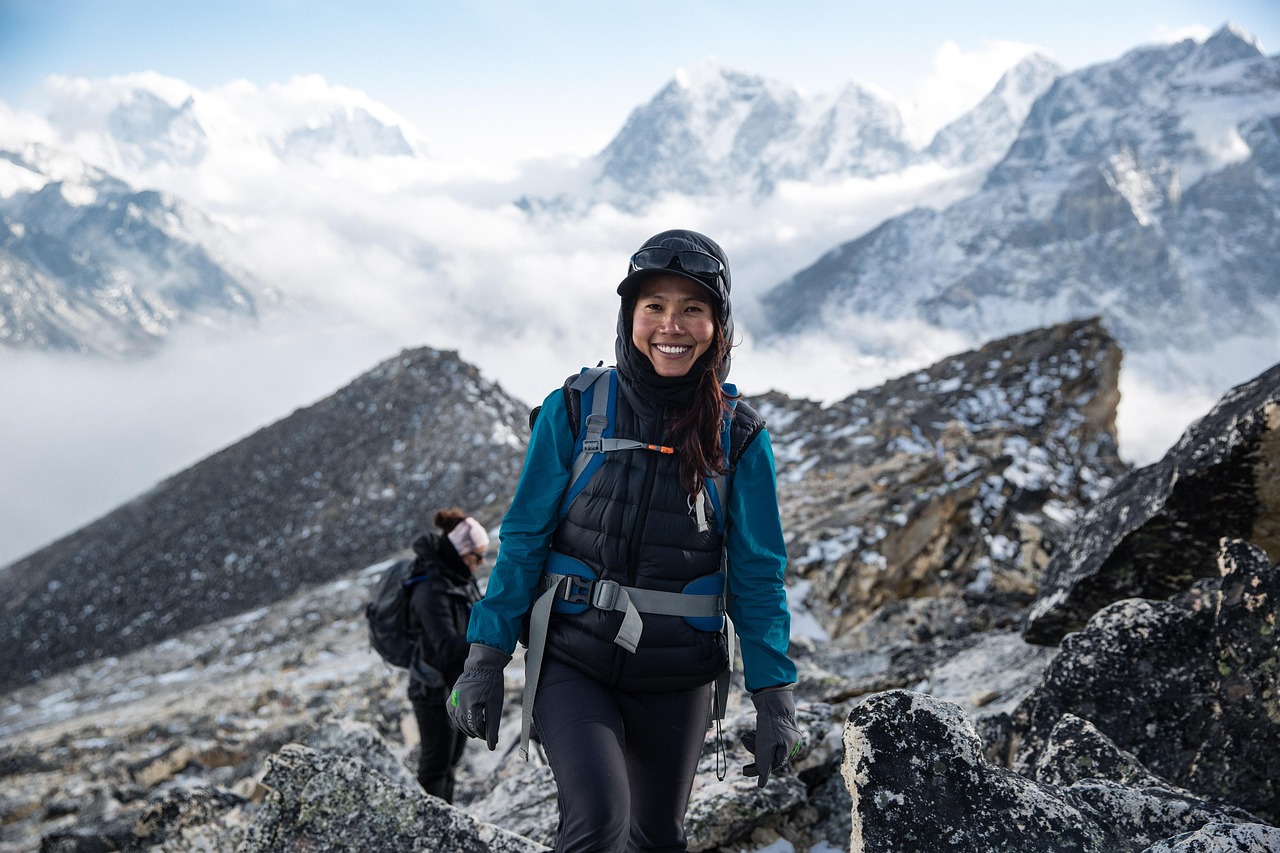
- The Layering System: Never rely on one heavy coat. Instead, use a three-part system: a moisture-wicking base layer (merino wool), an insulating mid-layer (down or fleece), and a waterproof/windproof shell.
- Traction is Key: Even on flat trails, ice can be treacherous. Invest in a pair of Microspikes or Yaktrax that slip over your hiking boots. For deeper snow, snowshoes are essential to prevent "post-holing" (sinking up to your waist).
- Hydration & Nutrition: You might not feel thirsty in the cold, but your body is working hard. Use insulated water bottles to prevent freezing, and carry high-calorie snacks to keep your internal engine running.
Winter Park Comparison Table
| Park Name | Avg. Winter Temp | Top Winter Activity |
|---|---|---|
| Death Valley | 67-73°F | Hiking salt flats at Badwater Basin |
| US Virgin Islands | 82-85°F | Snorkeling at Honeymoon Beach |
| Grand Canyon | 30-45°F | Photography of snow-dusted rims |
| Mount Rainier | 20-30°F | Ranger-guided snowshoe walks |
| Carlsbad Caverns | 56°F (Indoor) | Exploring the Big Room cavern |
| Big Bend | 60-70°F | Soaking in the Rio Grande Hot Springs |
| Bryce Canyon | 15-35°F | Snowshoeing the Rim Trail |
Frequently Asked Questions (FAQ)
Q: Are all national parks open in the winter? A: Most national parks are open year-round, but specific sections or roads might be closed. For example, the North Rim of the Grand Canyon and many high-elevation roads in Glacier or Yellowstone are closed to cars in winter. Always check the official NPS website for the specific park before you go.
Q: Do I need a 4WD vehicle for winter park travel? A: In snowy parks like Rocky Mountain, Mount Rainier, or Yosemite, 4WD or AWD is highly recommended, and in some cases, carrying tire chains is legally required during storms. For desert parks like Saguaro or Death Valley, a standard 2WD vehicle is usually fine.
Q: Can I see the Northern Lights in any national parks? A: Yes! Winter is the best time for "Dark Sky" parks. Parks in northern latitudes like Acadia, Voyageurs (Minnesota), and Glacier (Montana) offer excellent opportunities to see the Aurora Borealis on clear winter nights.
Plan Your National Park Getaway Today
Winter transforms the familiar into the extraordinary. Whether you are seeking the solace of a snow-covered forest or the warmth of a tropical beach, the National Park System offers an escape from the mundane. Don't wait for the summer crowds to return—pack your bags, check the trail conditions, and discover why winter is truly the most beautiful time to explore America's wilderness.