There is a specific kind of silence that only exists in the northern reaches of Japan—a stillness that feels thick with history and the scent of damp earth. As the Tohoku Shinkansen glides toward Morioka, the skyline softens into the majestic, snow-capped silhouette of Mt. Iwate. For over a century, this landscape has been defined by the pastoral legacy of Koiwai Farm. However, a new chapter is unfolding on these historic grounds, one that marries the rustic soul of the farm with an uncompromising level of sophistication.
Azuma Farm Koiwai is not merely a hotel; it is a sensory dialogue between the past and the future of iwate travel. Conceived by the legendary Adrian Zecha—the visionary behind Aman—and the acclaimed architect Shiro Miura, this retreat beckons those who find luxury in the whisper of wind through red pines rather than the glitz of a city skyline.
Quick Facts
- Resort Concept: A sanctuary of luxury agritourism set within Japan's oldest private dairy farm.
- Founder & Architect: Co-founded by Adrian Zecha and designed by Shiro Miura.
- Opening Date: Azuma Farm Koiwai is scheduled to open on April 23, 2026, redefining Tohoku luxury travel.
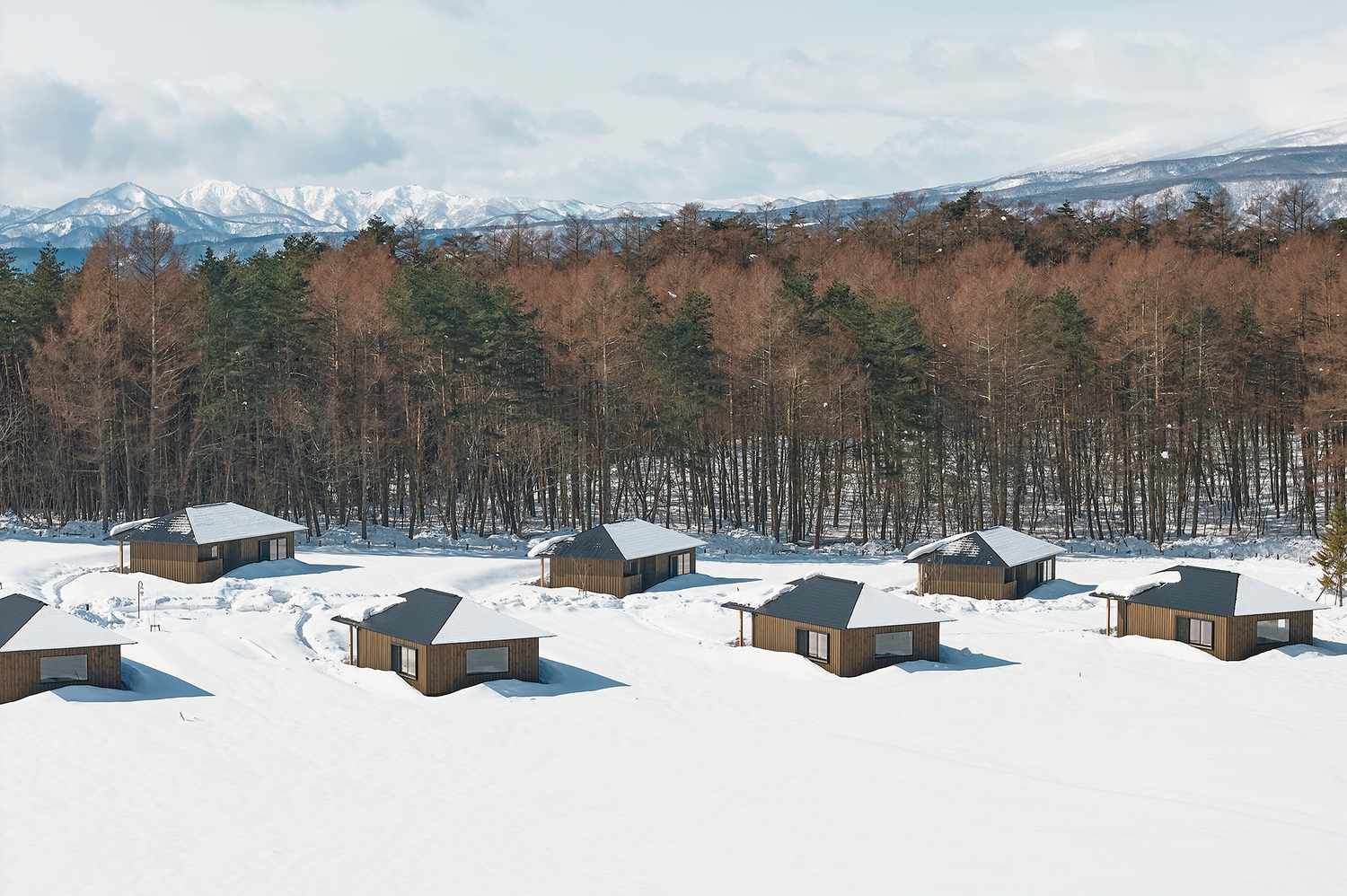
- Property Size: The resort occupies an eight-hectare section of the sprawling 3,000-hectare Koiwai Farm, ensuring total privacy.
- Accommodations: 24 guest rooms, including 22 Forest Villas and 2 ultra-exclusive Garden Villas.
- Key Amenities: Three 960-square-foot private sauna pavilions, woodburning stoves, and hyper-local farm-to-table fine dining.
Azuma Farm Koiwai is a premier luxury farm resort located in Shizukuishi, Iwate, designed by architect Shiro Miura and co-founded by Adrian Zecha. Offering a refined iwate travel experience, the resort features 24 private villas within the historic Koiwai Farm, emphasizing sustainable hospitality and high-end agritourism.
The Zecha Pedigree: Shiro Miura’s Architectural Vision
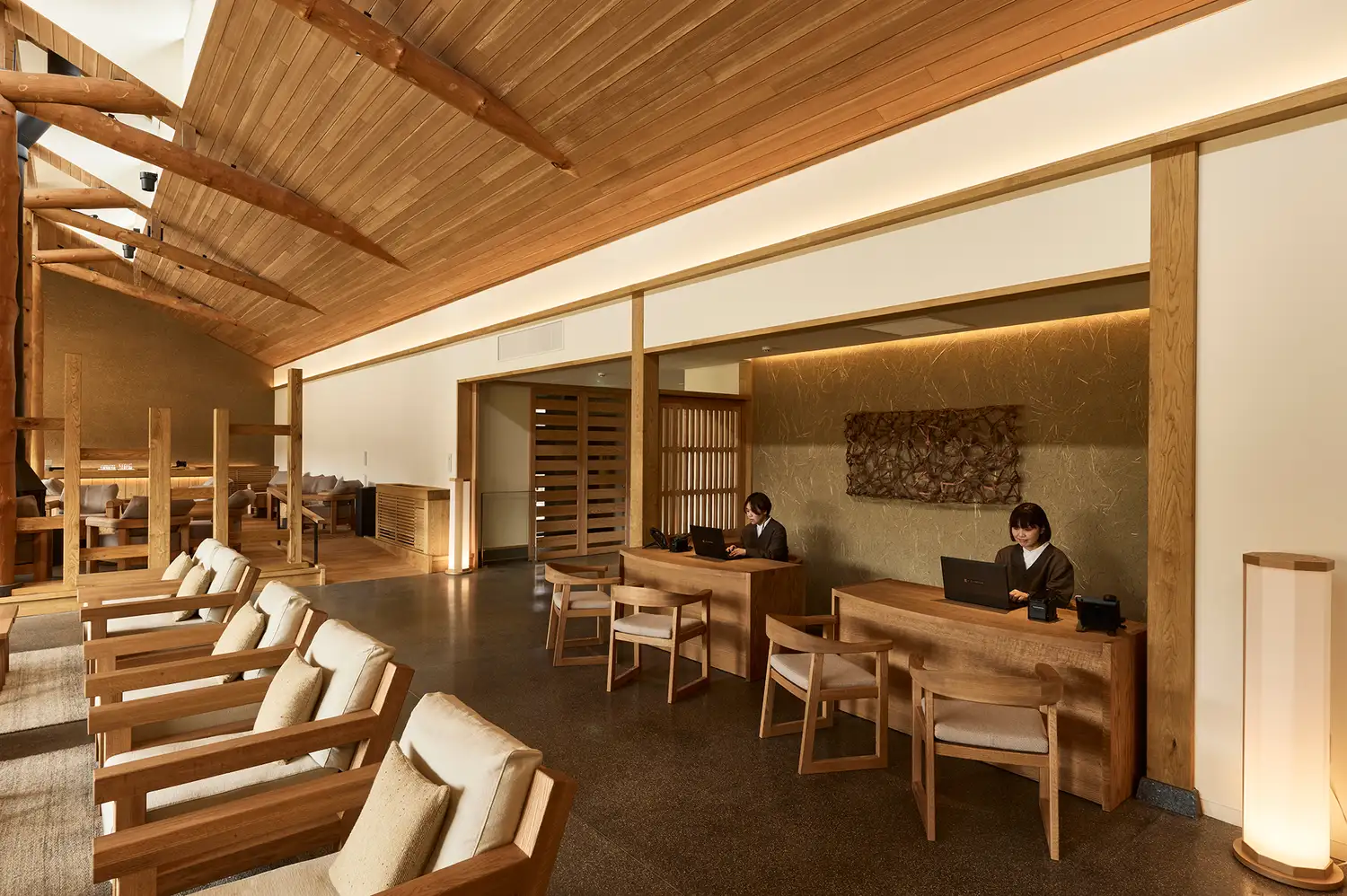
When Adrian Zecha lends his name to a project, the world expects a masterclass in understated elegance. At Azuma Farm Koiwai, that expectation is met through the hands of Shiro Miura. The architectural language here is one of profound respect for the Iwate landscape. Inspiration was drawn from the Jomon-period settlements that once dotted this region, resulting in a design that feels rooted in the earth itself.
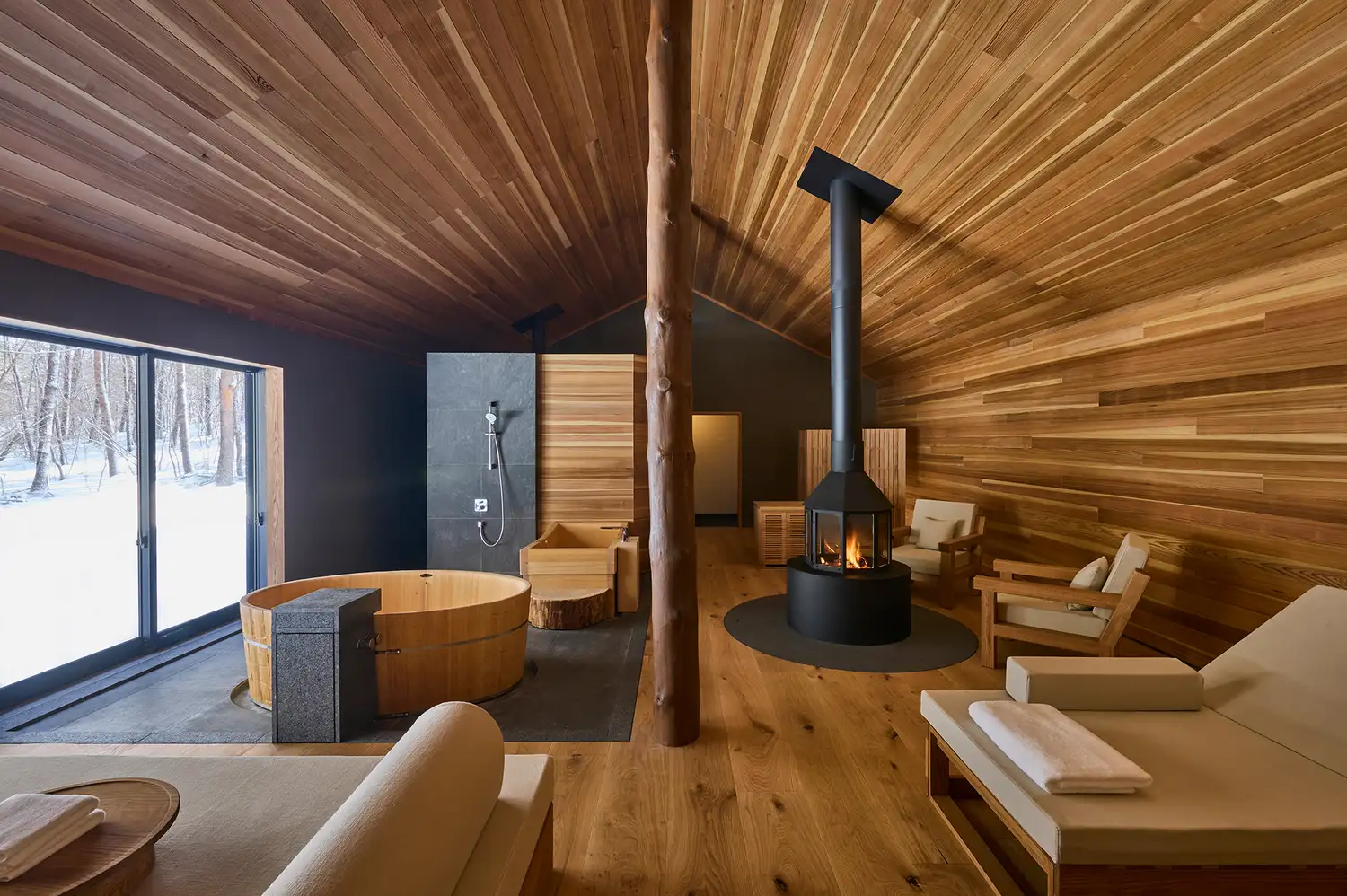
The structures utilize 130-year-old red pine and local cedar, materials that breathe with the seasons. Transitioning through the resort, you are surrounded by earthen walls that provide a tactile, organic warmth. Large floor-to-ceiling glass panels act as living frames for the Japanese pastoral landscape, blurring the boundary between the curated interior and the wild beauty of the farm. This isn't just one of the newest luxury hotels in Iwate; it is an architectural homage to the Tohoku region.
Miura’s vision avoids the clinical feel of modern minimalism. Instead, it embraces the textures of the forest. The resort’s position within the historic farm—which contains 21 buildings designated as National Important Cultural Properties—requires a design that is both contemporary and timeless. This Azuma Farm Koiwai luxury resort guide highlights how the property serves as a bridge between the 19th-century agrarian spirit and 21st-century comfort.
Agrarian Elegance: Villas and Private Saunas
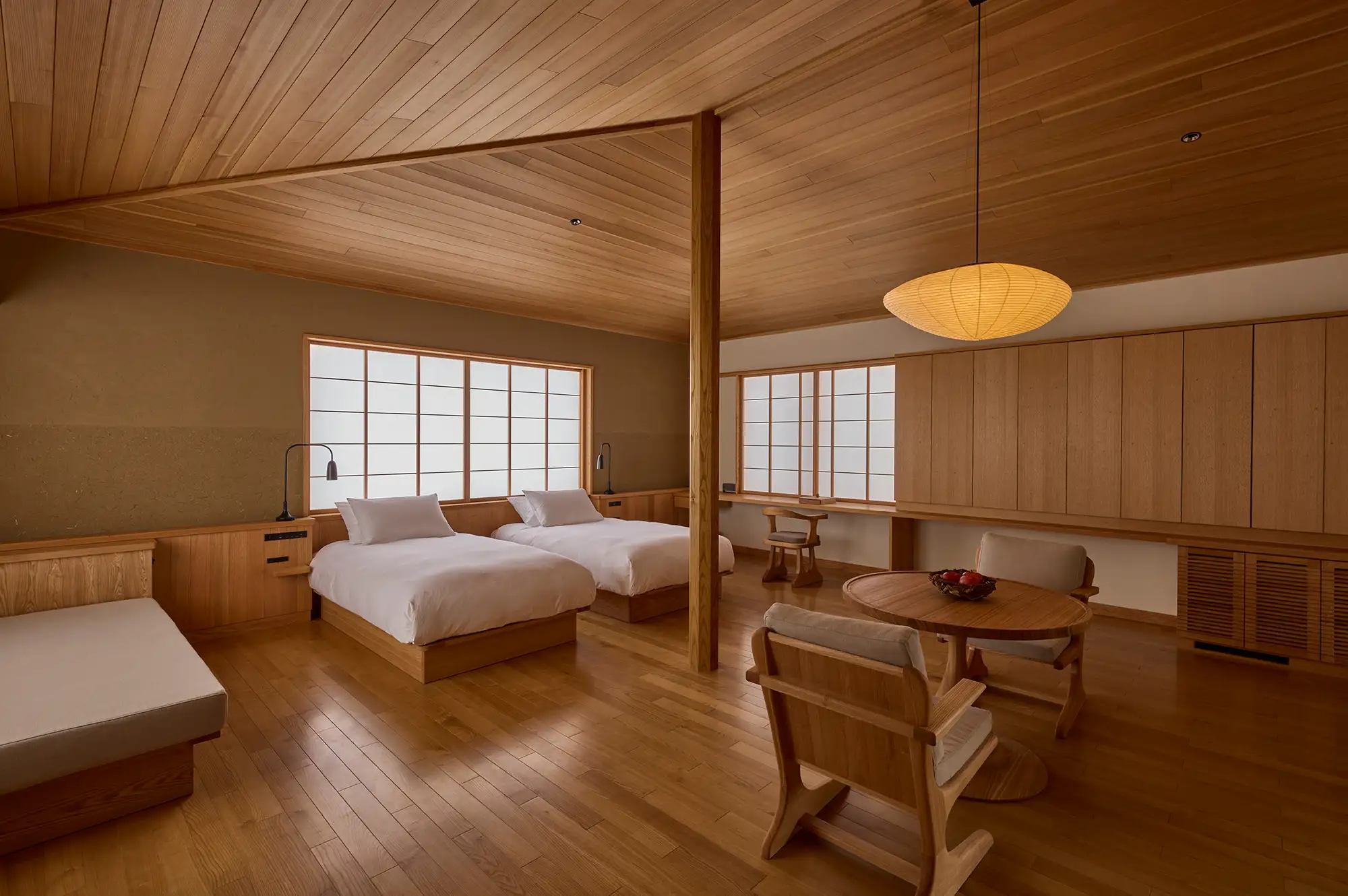
The heart of the guest experience lies in the 24 villas, each a sanctuary of privacy and light. The accommodations are divided into two distinct styles: the Forest Villas, nestled among the ancient trees, and the Garden Villas, which offer expansive views of the manicured farm grounds. For travelers seeking the best views of Mt Iwate from Koiwai Farm, Villas 12 and 13 are particularly coveted, positioned to capture the mountain’s peak as it glows in the morning light.
Inside, the ambiance is defined by:
- Natural Aromatics: The subtle scent of cedar and pine that calms the nervous system.
- Artisanal Heat: Every villa features a woodburning stove, perfect for the crisp Tohoku evenings.
- Tactile Design: Soft earthen walls and woven textures that invite you to touch and stay.
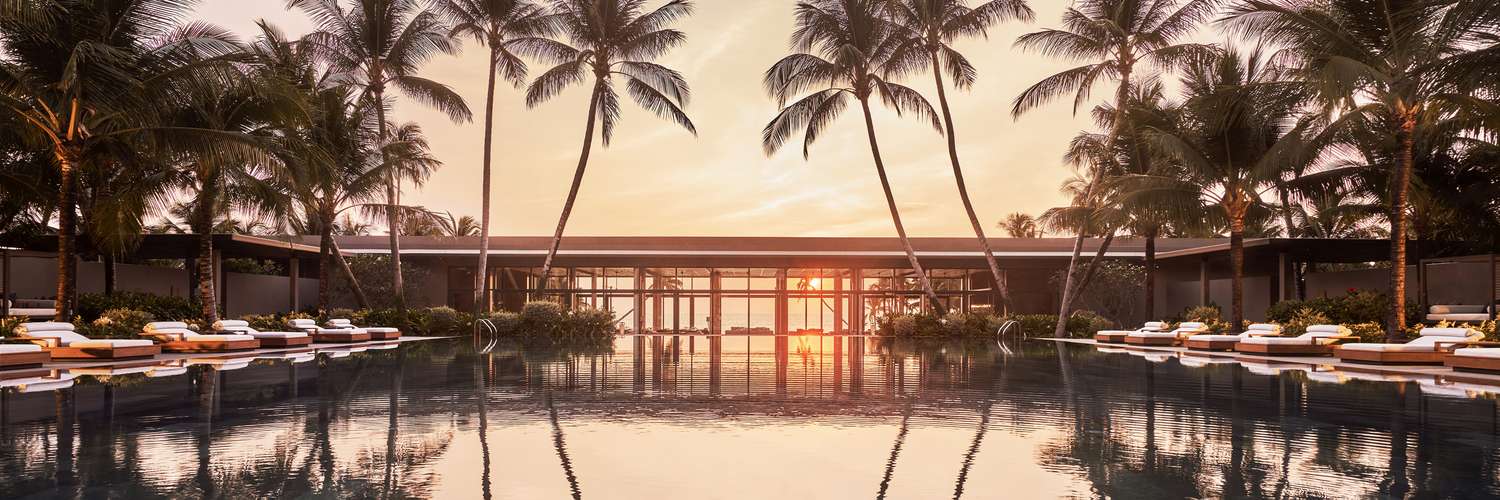
A standout feature that elevates this property among luxury hotels in Iwate is the wellness programming. The resort boasts three dedicated sauna pavilions, each spanning an impressive 960 square feet. These are not standard hotel spas; they are immersive forest bathing hubs equipped with woodstoves and both hot and cold plunge tubs. Here, the ritual of the sauna becomes a meditative experience, overlooking the dense greenery of the forest. These private villas with saunas in Iwate offer a level of seclusion rarely found in traditional ryokans.
Hyper-Local Gastronomy: Farm-to-Table in Tohoku
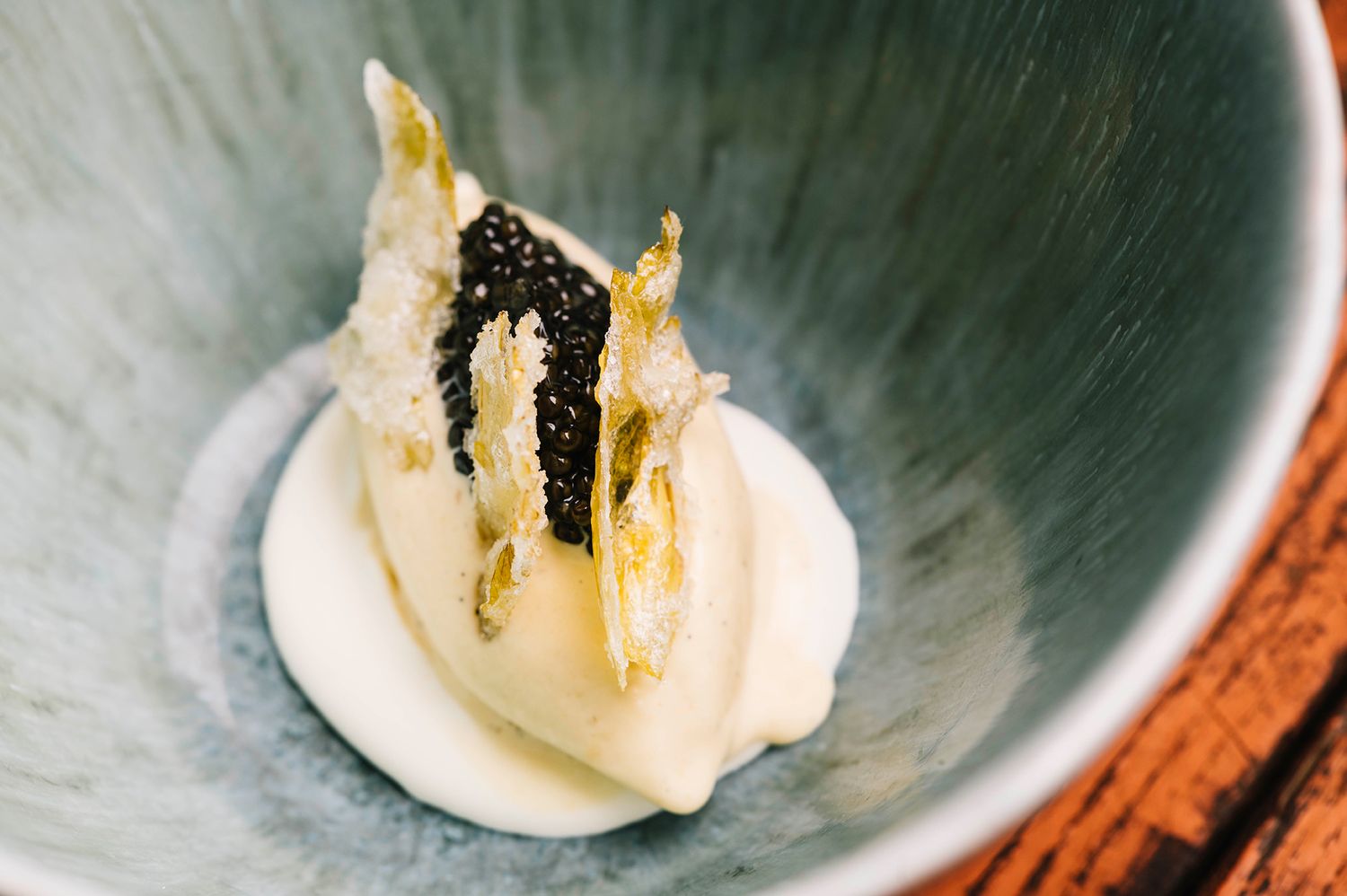
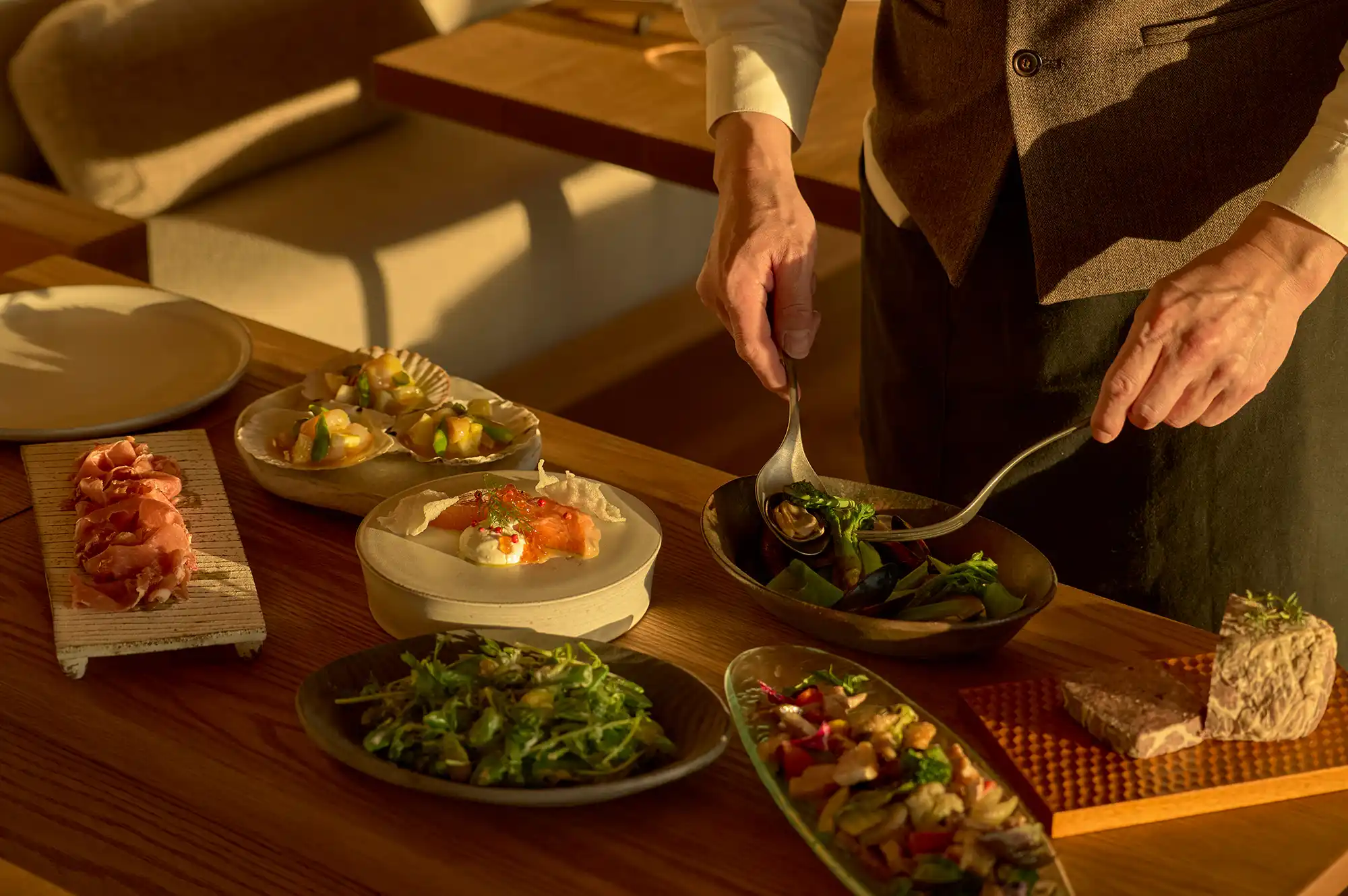
Dining at Azuma Farm Koiwai is an exercise in "Service as Craft." The culinary team draws from the 135-year-old heritage of the farm to create a menu that is hyper-local and deeply seasonal. Imagine starting your morning with fresh Koiwai milk—rich, creamy, and sourced directly from the cows grazing just beyond the resort’s perimeter. This non-commercial milk is a rare delicacy, offering a flavor profile that city dwellers seldom encounter.
The dinner menu is a tribute to the bounty of the Tohoku luxury travel experience. Key highlights include:
- Iwate beef: Renowned for its delicate marbling and deep umami.
- Sanriku coast seafood: Freshly caught treasures from the nearby Pacific waters, including abalone and seasonal shellfish.
- Wild Foraging: Mountain vegetables (sansai) and mushrooms gathered from the Shizukuishi area.
The spirit of the legendary poet Kenji Miyazawa, who often wrote about the beauty of Iwate’s nature, is felt in every dish. The culinary philosophy here isn't just about luxury farm-to-table dining in Iwate; it’s about storytelling through ingredients. Each vegetable and every cut of meat has a traceable lineage back to the soil of the prefecture.
Immersive Experiences: From Nanbu Ironware to Sheep Shows
Azuma Farm Koiwai encourages guests to do more than just observe the farm; it invites them to participate in its rhythm. The agritourism experiences here range from the whimsically pastoral to the deeply traditional. Guests can stroll through the rolling hills to witness the famous Koiwai Farm sheep show and activities, a delightful tradition that has entertained visitors for generations.
For those seeking cultural depth, the resort offers private artisanal tours. One of the most sought-after experiences is a workshop with 11th-generation Nanbu ironware craftsmen. These tetsubin iron kettles are icons of Iwate’s heritage. Witnessing the molten metal take shape under the guidance of a master provides a profound connection to the region’s history. These Nanbu ironware workshop experiences for travelers are exclusively curated for resort guests, ensuring an intimate atmosphere.
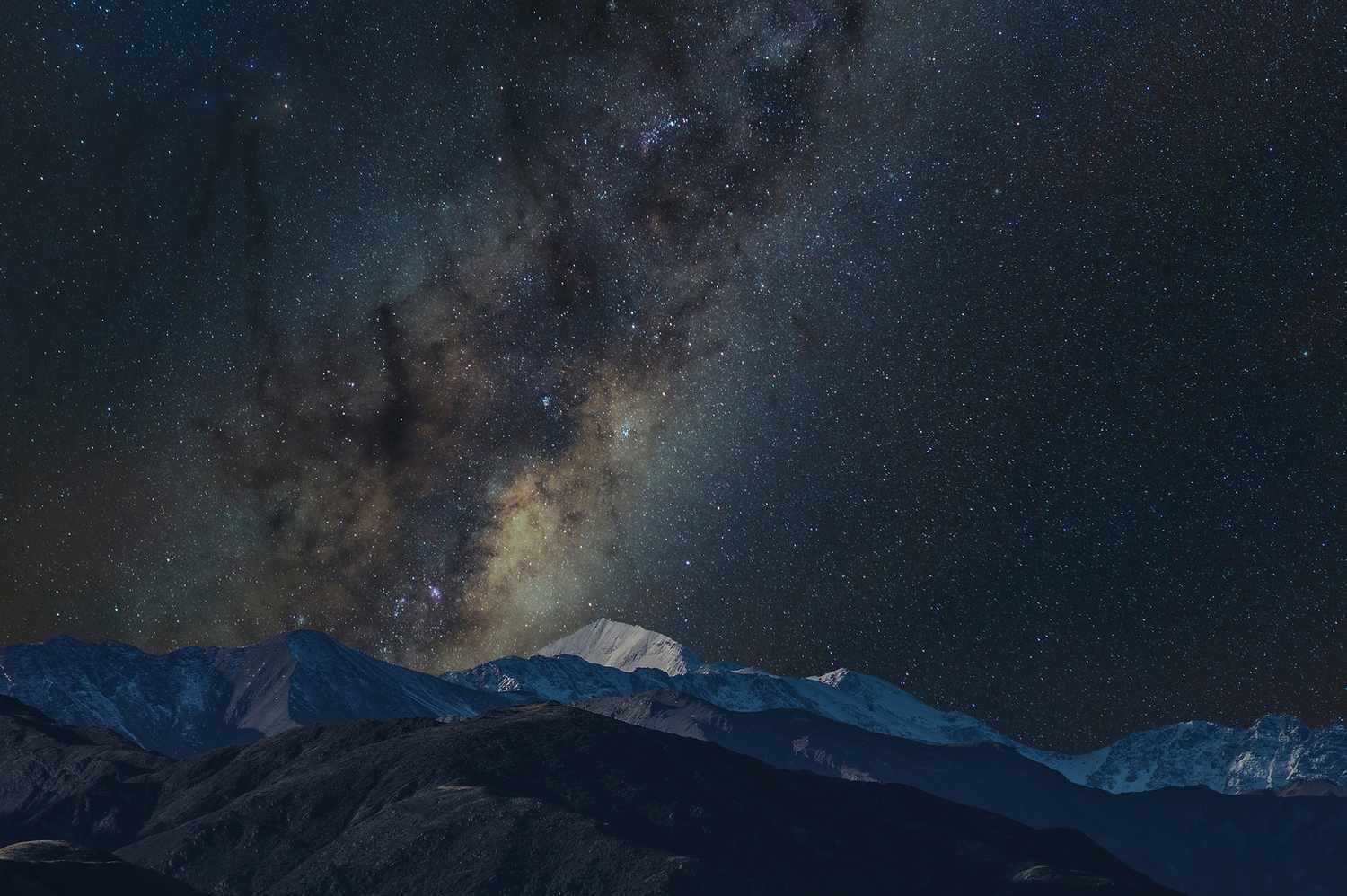
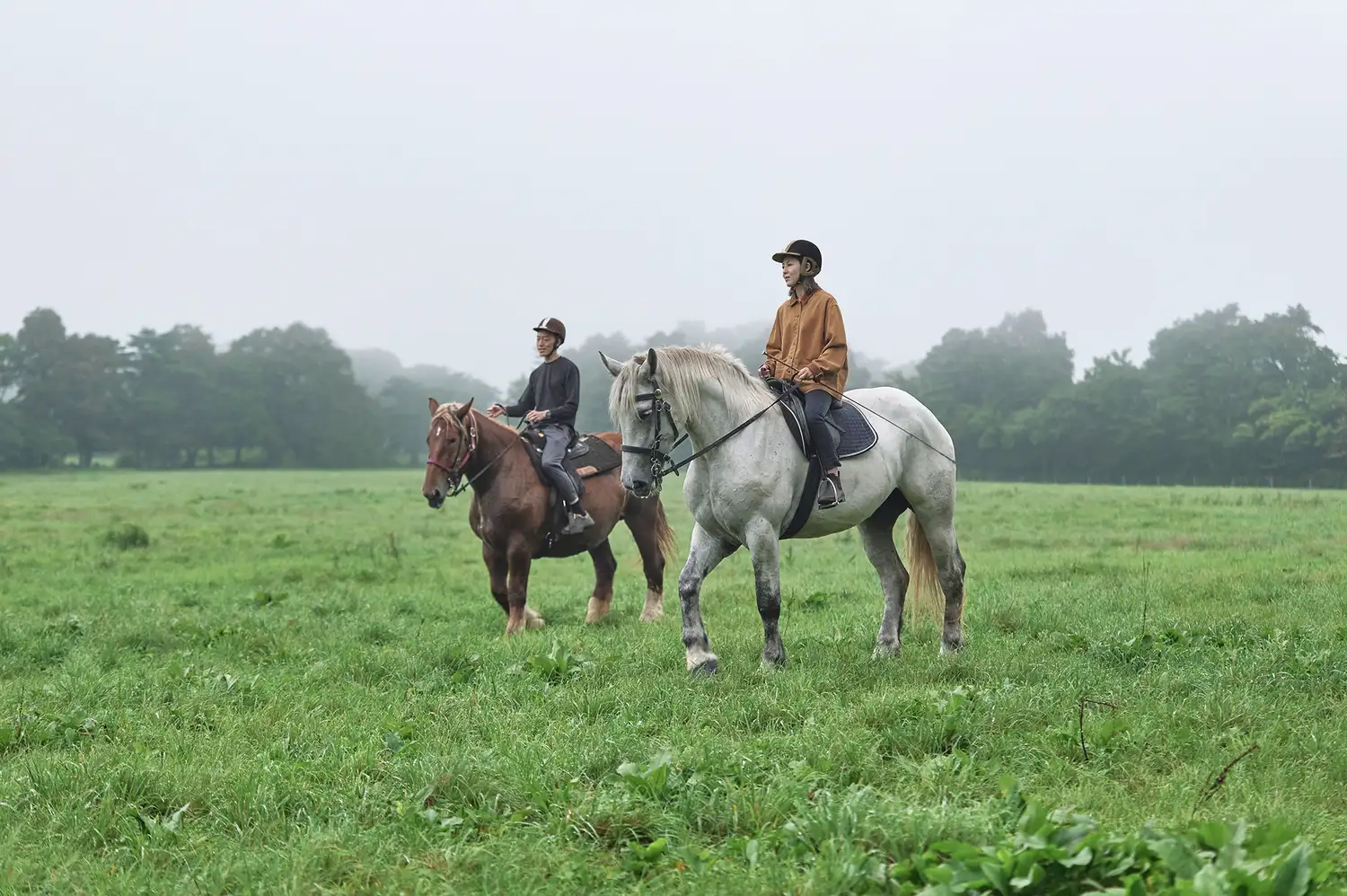
If you prefer movement, horseback riding through the 130-year-old larch forests offers a unique perspective of the property. The farm has a storied history of equestrian excellence dating back to 1903, and riding through the quiet trails feels like stepping back into the Meiji era. Whether it is stargazing in the unpolluted night sky or participating in a guided tour of the National Important Cultural Properties, the resort ensures that iwate travel is as educational as it is relaxing.
Logistics: How to Visit Koiwai Farm from Tokyo
Reaching this secluded paradise is surprisingly seamless, making it an ideal anchor for a broader Tohoku luxury travel itinerary 2026. The journey begins with the Tohoku Shinkansen (the Hayabusa or Komachi trains), which whisks you from the neon pulse of Tokyo to the serene platforms of Morioka Station.
| Leg of Journey | Mode of Transport | Duration |
|---|---|---|
| Tokyo to Morioka | Tohoku Shinkansen | Approximately 2 hours and 20 minutes |
| Morioka to Resort | Private Shuttle / Drive | 25 - 30 minutes |
Upon arrival at Morioka Station, guests are greeted by a private resort transfer. The drive into Shizukuishi town is a scenic introduction to the region, with the landscape transitioning from urban charm to sprawling green pastures. For those planning their Koiwai Farm travel guide, utilizing Morioka as a hub allows you to explore the wider beauty of Iwate, from the historic temples of Hiraizumi to the rugged cliffs of the Sanriku coast.
The ease of access ensures that even a short weekend escape feels like a significant departure from the stresses of modern life. This is the new era of iwate travel—accessible, authentic, and utterly refined.
FAQ
Is Iwate worth visiting?
Absolutely. Iwate is a sanctuary for travelers who want to escape the crowded tourist corridors of Kyoto or Tokyo. It offers raw natural beauty, world-class artisanal crafts like Nanbu ironware, and a profound sense of peace. With the addition of Azuma Farm Koiwai, the prefecture now offers a level of ultra-luxury that makes it a must-visit destination for sophisticated travelers.
What is Iwate famous for?
Iwate is famous for its dramatic scenery, specifically Mt. Iwate and the Sanriku Coast. Culturally, it is the home of Wanko Soba (a unique "all-you-can-eat" noodle tradition), the literary heritage of Kenji Miyazawa, and the exquisite Nanbu ironware. It is also home to the Hiraizumi UNESCO World Heritage sites, which showcase 12th-century Pure Land Buddhist architecture.
How do you get to Iwate from Tokyo?
The most efficient way is via the Tohoku Shinkansen. The journey from Tokyo Station to Morioka Station takes about 2 hours and 15 to 30 minutes. From Morioka, you can access most major attractions via local trains, buses, or private shuttles.
What are the top things to do in Iwate?
Top activities include visiting the historic temples of Hiraizumi, exploring the Ryusendo subterranean lake cave, and enjoying the pastoral beauty of Koiwai Farm. In the winter, the Appi Kogen and Shizukuishi ski resorts offer some of the best powder snow in Japan. The Chagu Chagu Umakko horse festival in June is also a major cultural highlight.
Which part of Iwate is best to stay in?
For convenience and city amenities, Morioka is the best base. However, for a truly immersive and upscale experience, the Shizukuishi area—where Azuma Farm Koiwai is located—is the best choice. It offers the perfect balance of luxury, nature, and proximity to major transporation hubs.