Picture this: You’re three hours into a drive through the sprawling, sun-bleached plains of the Trans-Pecos, where the horizon feels like an infinite line and the cell service is a distant memory. Suddenly, a tiny town emerges from the shimmering heat haze—a place with exactly one traffic light, a population of barely 2,000, and a cultural influence that rivals SoHo or the Marais. This is Marfa, Texas, the ultimate "high desert" pilgrimage for anyone who lives at the intersection of minimalist art and curated fashion.
The paradox of Marfa is its greatest luxury. Despite its status as a top-tier global travel destination, it remains exceptionally secluded, located approximately 190 miles from the nearest commercial airport in El Paso. This physical distance acts as a filter; those who make the journey aren't just tourists—they’re seekers. Marfa has evolved from a quiet military outpost into a global art mecca primarily due to the legacy of minimalist artist Donald Judd, who moved here in the 1970s to escape the New York art world's clutter. Today, the town dictates global aesthetic trends, blending a rugged Western spirit with high-concept design.

The Minimalist Art Pilgrimage: Why Art Lovers Flock Here
If you’re heading to Marfa, you’re likely following the ghost of Donald Judd. His vision was to create a space where art could live permanently, integrated with the landscape rather than tucked away in a rotating museum gallery. This philosophy birthed the Chinati Foundation, a 340-acre site on the former Fort D.A. Russell. It is the heart of the Marfa experience.
Walking through the Judd’s 100 untitled works in mill aluminum is a sensory awakening. The way the desert light hits the metal, shifting from a cold silver at dawn to a warm amber at dusk, is a masterclass in site-specific installation. But the art scene doesn't stop with Judd. Marfa maintains one of the highest densities of independent galleries per capita in the United States, with approximately one art-focused business for every 75 permanent residents.
For those looking to dive deeper, here is where to start:
- The Chinati Foundation: Beyond the aluminum boxes, don't miss Dan Flavin's neon light installations across six barracks. The glow of the fluorescent tubes against the raw wooden beams is hauntingly beautiful.
- Ballroom Marfa: Housed in a converted 1920s dance hall, this non-profit space hosts rotating contemporary exhibitions and site-specific commissions that often challenge the status quo.
- The Judd Foundation: To see how the man lived, book a tour of "The Block"—Judd's personal residence and studios. It’s an exercise in discipline, showcasing his curated library and bespoke furniture.
Pro-Tip: Chinati tours sell out months in advance. If you’re planning a trip for 2026, mark your calendar now. The "Full Collection Tour" is a commitment (about 6 hours), but it's the only way to truly grasp the scale of the vision.
The High Desert Fashion Frontier
In Marfa, fashion is less about the latest runway labels and more about a specific "High Desert" aesthetic—a curated blend of luxury vintage finds, rugged denim, and artisanal, locally made jewelry. It’s "Western," but filtered through a minimalist, high-fashion lens.
The most famous landmark in this category isn't actually a shop at all. Prada Marfa, located about 30 miles outside of town in Valentine, is a permanent sculptural installation by Elmgreen & Dragset. It’s a "pop-up" that never opened and will never close—a critique of consumerism that has ironically become the most Instagrammed spot in Texas. With its 2005 collection shoes and bags visible through the glass, it serves as a silent sentinel of style in the middle of nowhere.
Back in town, the shopping scene is small but incredibly potent. Raba Marfa is the undisputed headquarters for the Marfa look. Here, you’ll find a mix of curated vintage (think perfectly aged Carolina Herrera or 70s silk slips) alongside cult-favorite brands like Le Bon Shoppe and Vada sunglasses. It’s the kind of place where a pair of vintage cowboy boots sits comfortably next to a $500 artisanal candle.
For jewelry enthusiasts, Moonlight Gemstones is a must-visit. They source rare crystals and stones directly from the surrounding desert, crafting silver jewelry that feels like a piece of the landscape you can take home.
Highland Avenue: The Main Shopping Drag
If Marfa has a pulse, it beats on Highland Avenue. This is where the town’s irreverent and creative spirit is most tangible. The best shopping in Marfa is centered here, featuring boutiques that feel more like private collections than retail spaces.
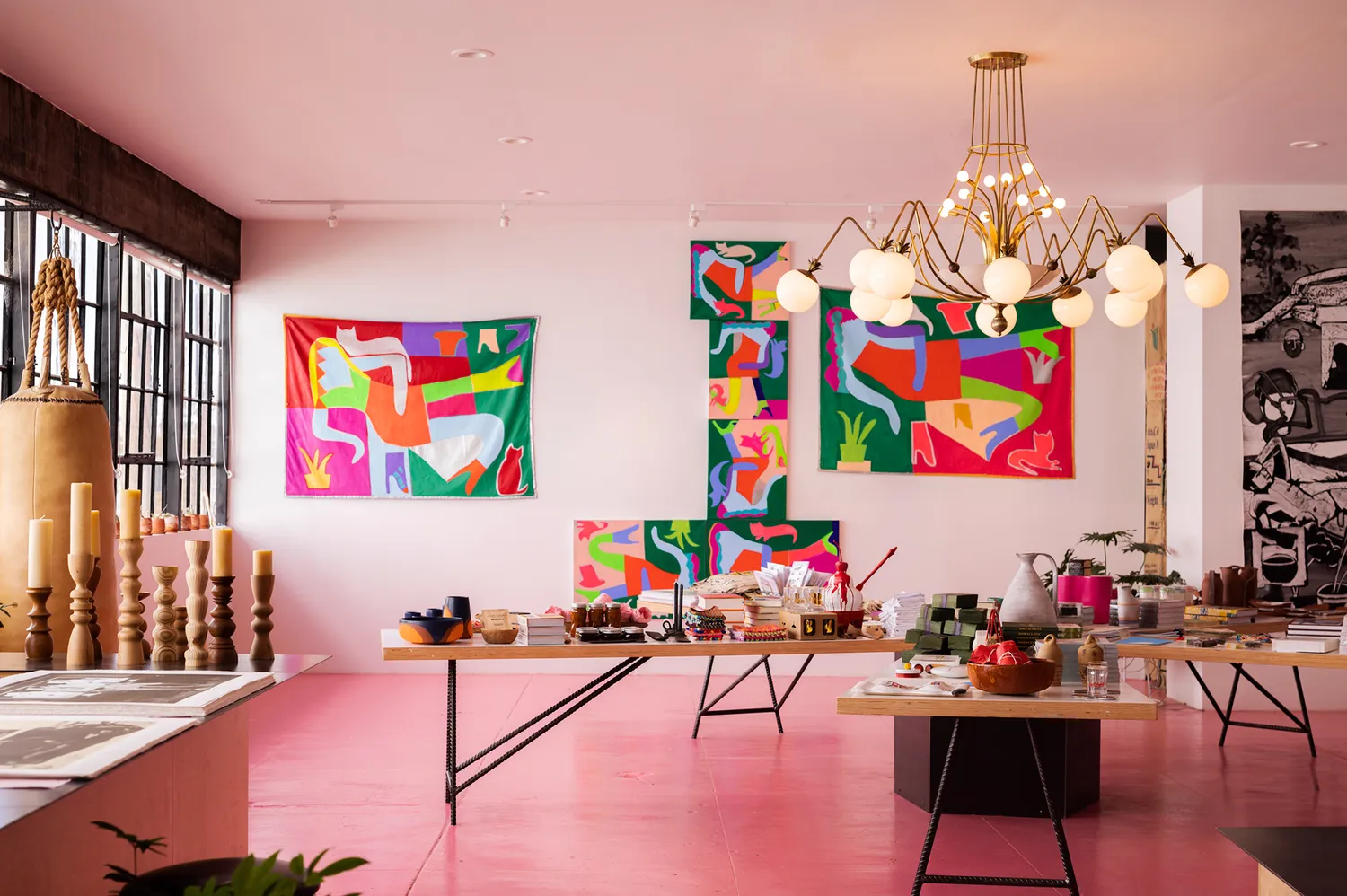
Wrong Marfa is perhaps the most iconic example. Housed in a former church, it’s a gallery-slash-store that stocks high-end curios, neon horseshoes, and bold local art. It perfectly captures that "Marfa weirdness" that locals fight so hard to protect. It’s irreverent, colorful, and unapologetically cool.
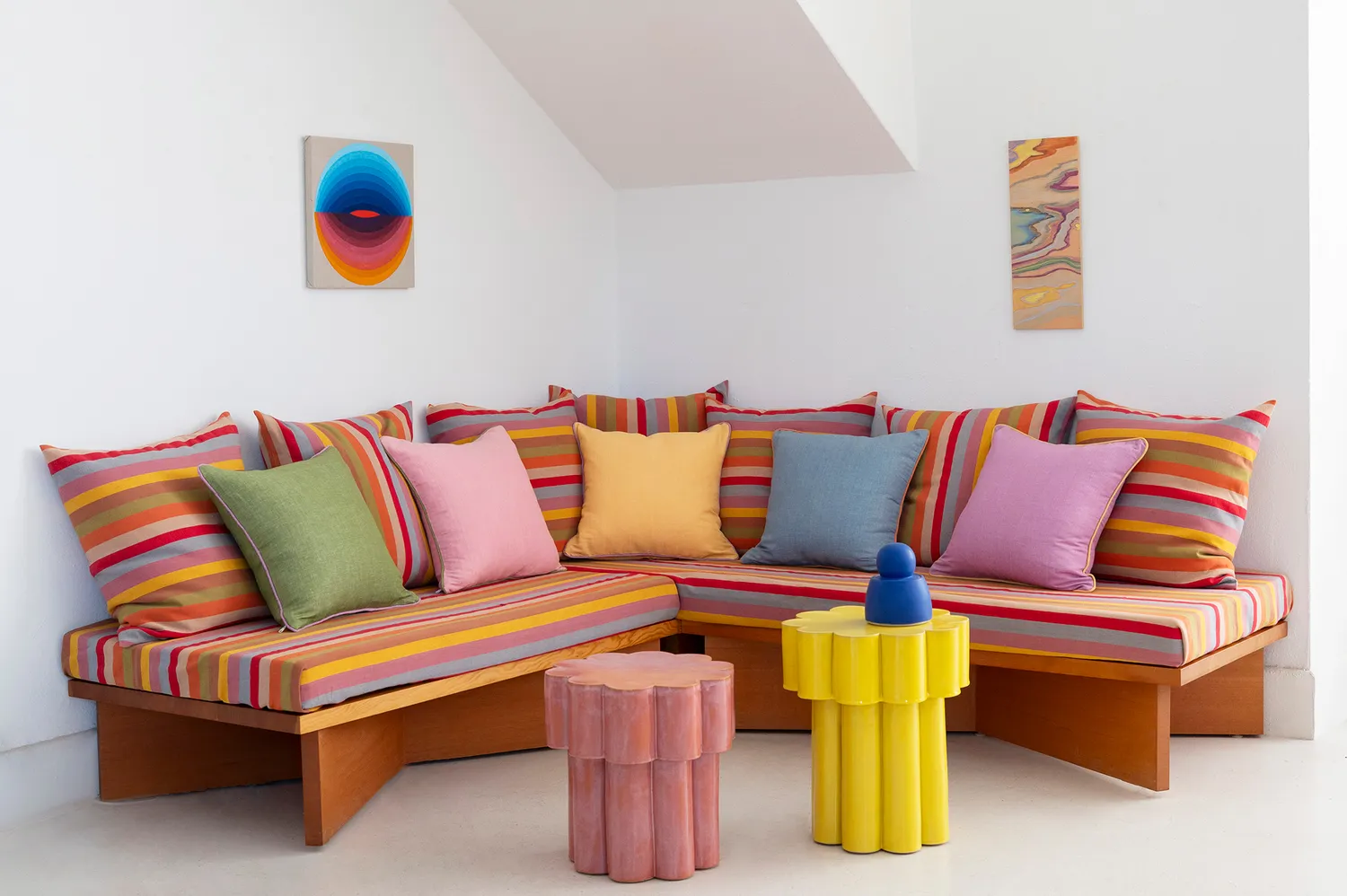
A few doors down, you’ll find Garza Marfa. If you’ve ever scrolled through a high-end interior design blog and seen a minimalist daybed with bold, striped textiles, you’ve seen their work. Founders Jamey and Constance Garza have defined the modern desert interior. Their handcrafted textiles and bespoke home goods are the gold standard for anyone looking to bring a piece of Marfa’s minimalist warmth into their own home.
Don’t forget to stop by Stop & Read Books. It’s an impeccably curated bookstore where you can find everything from obscure art theory to the latest literary fiction, often paired with a selection of THC-enhanced sodas or niche international magazines. It’s the ultimate place to pick up a coffee-table book that will actually be read.
Where to Stay: From Historic Glamour to Modern Luxury
Choosing where to sleep in Marfa is a statement of intent. Do you want the minimalist, high-design future, or the cinematic, storied past?
| Hotel | Vibe | Why We Love It |
|---|---|---|
| Hotel Saint George | Minimalist Luxury | Built on the site of the original 1880s hotel, it’s a sleek, industrial-chic masterpiece with a high-design pool complex and a world-class bookstore in the lobby. |
| Hotel Paisano | Historic Glamour | This is where Elizabeth Taylor, James Dean, and Rock Hudson stayed while filming the 1956 classic Giant. It feels like stepping back into a more elegant, slower-paced era. |
| El Cosmico | Bohemian Nomad | Famous for its vintage trailers, yurts, and teepees. It’s for the traveler who wants to sleep under the vast Texas stars without sacrificing a curated aesthetic. |
For a truly modern experience, Hotel Saint George is the in-crowd favorite. The rooms are stripped back—concrete floors, white linens, and large windows that frame the desert sky. It’s the perfect base for exploring the town’s galleries.
The Marfa Palate: Dining with the In-Crowd
Eating in Marfa is an exercise in patience and timing. Many spots have "Marfa hours" (meaning they might be closed on a random Tuesday), but the quality is world-class.
- Cochineal: This is where you go for a "big night out." It’s an elevated, seasonal restaurant that has earned multiple James Beard nominations. The menu changes constantly based on what’s growing in their garden.
- Marfa Burrito: On the complete opposite end of the spectrum is Ramona Tejada’s legendary spot. It’s a literal hole-in-the-wall where celebrities like Matthew McConaughey have been spotted grabbing breakfast tacos. There is no menu—just ask what’s fresh.
- Bordo: A newer addition to the scene, this artisanal Italian deli was a 2025 James Beard finalist. Their sandwiches are the perfect fuel for a long afternoon of gallery hopping.
- Marfa Spirit Co.: End your night here. They specialize in liquors made from Chihuahuan Desert plants, like sotol (a cousin to tequila) and a remarkably refreshing grapefruit liqueur.
Conclusion: Planning Your 2026/2027 Pilgrimage
Marfa isn't a place you visit to "check off" a list; it’s a place you visit to slow down. The "slow travel" mindset is a necessity here. You have to embrace the long drives, the quiet afternoons when the wind is the only thing you hear, and the way the desert light changes every thirty seconds.
The best time to visit is during the shoulder seasons—late spring or early fall—to avoid the punishing Texas summer heat. This allows you to truly enjoy those legendary watercolor sunsets that make every art installation in town look even more ethereal. Whether you're there for the Judd pilgrimage or the vintage shopping, Marfa will leave you changed. It’s a reminder that sometimes, the most sophisticated things in the world are found at the end of a very long, lonely road.
FAQ
How far is Marfa from the nearest airport? Marfa is approximately 190 miles (about a 3-hour drive) from El Paso International Airport (ELP) and about 200 miles from Midland International Air & Space Port (MAF).
Is Prada Marfa actually a store? No, it is a permanent art installation. The doors do not open, and the items inside (original Prada shoes and bags from 2005) are for display only as part of the artistic commentary.
What are 'Marfa hours'? Many businesses in Marfa are only open Thursday through Sunday. It is highly recommended to check the Instagram pages or websites of specific shops and restaurants before planning your daily itinerary to ensure they are open.
Can I see the Marfa Lights? Yes! There is an official Marfa Lights Viewing Area about 9 miles east of town. While their origin remains a mystery, they are a staple of the Marfa experience for many visitors.