Quick Facts
- The Palette: Mimic the Rwanda landscape with terra-cotta, forest green, and neutral tones.
- Key Item: A suede trucker jacket is the ultimate transitional piece from lodge sundowners to the wilderness.
- Essential Gear: Waterproof hiking boots and gaiters are non-negotiable for protection against mud and stinging nettles.
- Community Impact: Hiring a local porter provides 100% direct financial support to the community and is rated the most valuable service by 95% of trekkers.
- Local Flair: Incorporate vibrant fabrics from the Nyamirambo Women’s Center to add an ethical, colorful contrast to neutral safari wear.
Introduction: Where Practicality Meets Playful Luxury
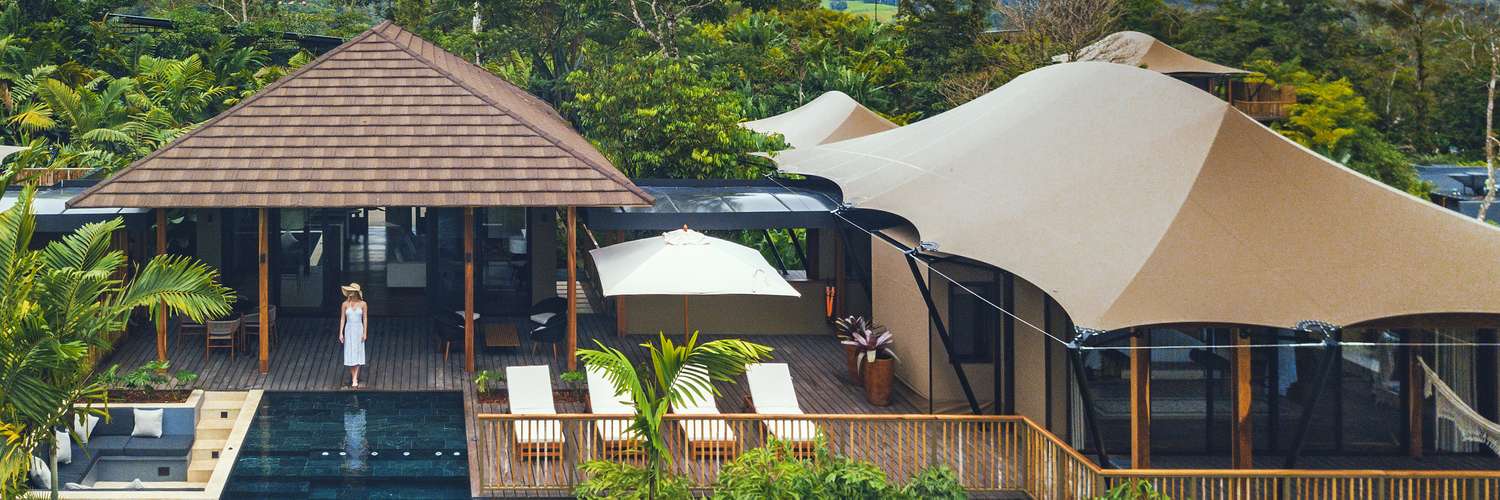
Rwanda is a land of verticality and vibrant contrast. Here, the mist rolls off the peaks of the Virunga Massif, clinging to the emerald canopy of Volcanoes National Park, while the earth below glows with a deep, oxidized red. To visit this corner of the world—specifically to stay at the legendary Singita Kwitonda Lodge—is to enter a space where high-design meets high-altitude adventure.
Packing for such a journey requires more than just throwing a few khaki shirts into a duffel. It demands a curated approach that respects the technical rigors of gorilla trekking while rising to the aesthetic occasion of one of the world’s most beautiful lodges. The "Rwanda Aesthetic" is a delicate balance: it is rugged enough to withstand a four-hour scramble through bamboo thickets, yet refined enough to feel at home under the woven ceilings and handcrafted interiors of your suite. In this guide, we explore how to pack with intention, ensuring your wardrobe is as impactful as the landscape itself.
The Palette: Inspired by the Rwandan Landscape
When designing Singita Kwitonda Lodge, the architects utilized 100% locally sourced artisanal materials, including volcanic stone, terra-cotta brick, and intricate woven elements. This commitment significantly reduced the environmental impact of the luxury infrastructure and created a visual language that feels birthed from the soil. Your packing list should take its cue from this architectural philosophy.
To look stylishly at home in Rwanda, move away from the stark "out of Africa" khakis of the savanna and embrace a more moody, saturated palette. Think forest greens that mirror the hagenia trees, rich ochres, and deep charcoals. These colors don't just look sophisticated; they serve a practical purpose by hiding the pervasive volcanic dust and matching the low-light environment of the rainforest.
Recommended Materials for Your Base Layers:
- Breathable Tech-Fabrics: Look for moisture-wicking shirts in olive or slate.
- Merino Wool: Ideal for temperature regulation during the early morning dampness.
- Linen-Silk Blends: For evening wear, these provide a tactile luxury that feels cool against the skin after a long day of hiking.
From Sundowners to the Wilderness: Key Fashion Pieces
The transition from a muddy trek to a refined evening by the lodge's fireplace is the hallmark of the Singita experience. You need pieces that are versatile enough to work in both worlds without sacrificing style.
The Suede Trucker The suede trucker jacket is arguably the most essential item in a modern safari wardrobe. It provides the necessary warmth for Rwanda’s chilly evenings (the lodge sits at nearly 7,000 feet) and possesses a rugged elegance that only improves with a bit of wear and tear. Paired with tailored trousers, it’s the perfect look for a multi-course dinner overlooking the Sabyinyo volcano.
Roll-Neck Bombers and 'City Boots' For relaxing around the lodge, skip the technical gear. A lightweight roll-neck cashmere sweater or a refined bomber jacket provides comfort during the inevitable afternoon rain showers. Complement this with "City Boots"—sturdy leather boots with a commando sole that look sharp in the dining room but can handle the uneven stone paths of the lodge grounds.
Expert Style Tip: Accessorizing is where you can truly express your personal style. A timeless timepiece or a piece of jewelry inspired by nature can elevate even the most basic safari outfit.
Explore Timeless Luxury Accessories →
Gorilla Trekking Essentials: The Technical Kit
While the lodge is a sanctuary of style, the trek itself is a serious physical undertaking. You are entering the home of the mountain gorilla, a dense, humid, and often slippery environment. Here, fashion must bow to function, though the two can still coexist.
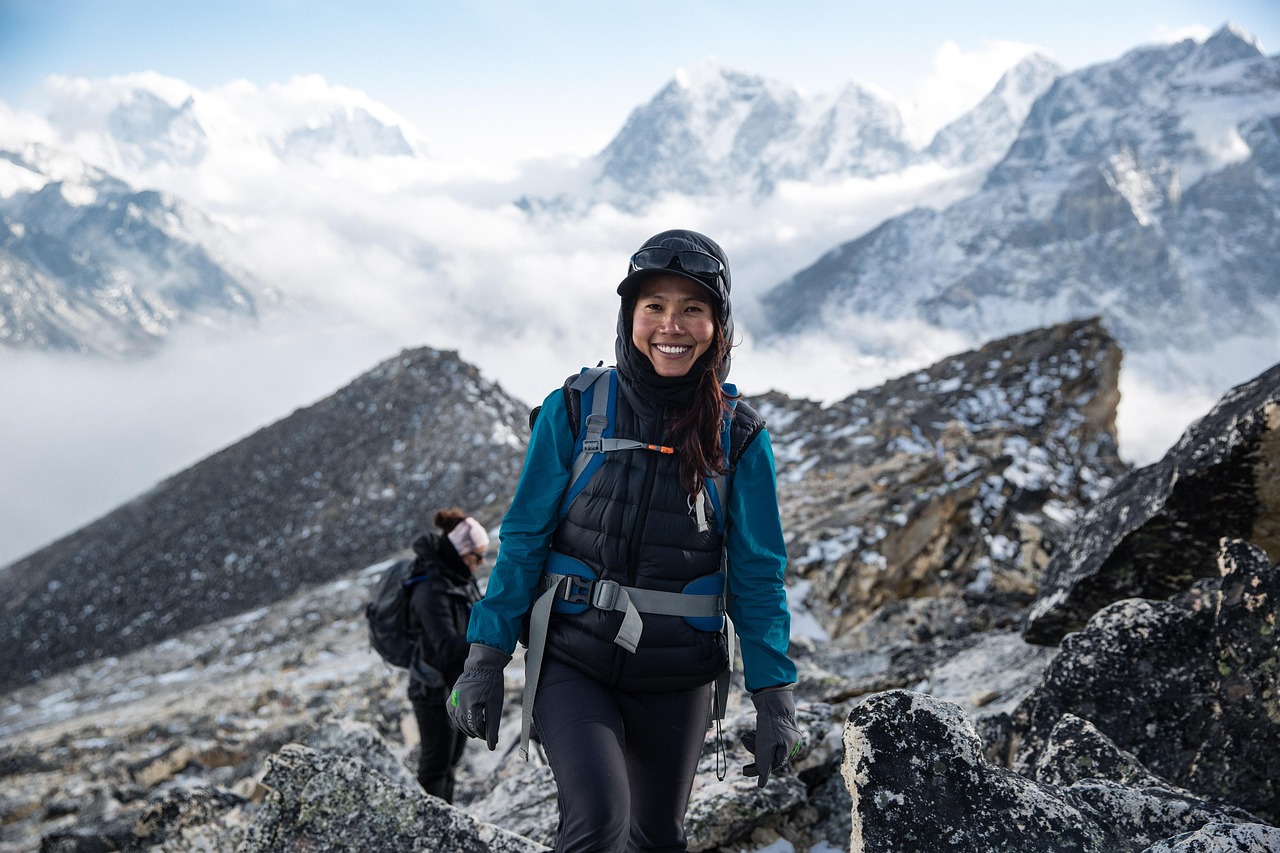
Your technical kit should focus on "The Three Layers": a moisture-wicking base, an insulating mid-layer, and a waterproof outer shell. However, the true essentials are in the details. Gaiters are non-negotiable; they prevent ants and mud from entering your boots. A buff is another secret weapon, serving as a headband, a neck-warmer, or a face shield against the mist.
The Trekking Checklist
| Item | Purpose | Selection Tip |
|---|---|---|
| Waterproof Hiking Boots | Traction and dryness | Choose high-ankle support and break them in before arrival. |
| Gaiters | Protection | Look for adjustable, lightweight versions in neutral tones. |
| Trekking Gloves | Protection | Gardening gloves work best to protect hands from stinging nettles. |
| Lightweight Buff | Temperature control | Opt for a merino wool blend for versatility. |
| Waterproof Shell | Rain protection | Ensure it is breathable (Gore-Tex) and has a hood. |
Don't forget the fuel. While the lodge provides snacks, bringing your own energy-dense favorites like roasted cashews or high-quality dark chocolate can provide a necessary boost during the final, often steep, ascent to find the gorilla family.
The Ethical Wardrobe: Incorporating Local Craftsmanship
A stylish traveler is also a conscious one. One of the best ways to elevate your safari wardrobe is by incorporating pieces that tell a story of Rwandan heritage. The Nyamirambo Women’s Center in Kigali is a fantastic resource for high-quality, vibrant accessories made from traditional Kitenge fabric.
Incorporating a brightly patterned tote or a hand-woven scarf provides a stunning visual contrast to the muted earth tones of your safari gear. Beyond the aesthetic, these choices have a profound impact. Just as Singita Kwitonda Lodge prioritized local sourcing in its construction, your choice to wear local crafts supports female entrepreneurship and keeps traditional skills alive.
Safari Etiquette: Colors and Styles to Avoid
In the world of wildlife observation, what you wear can influence the behavior of the animals you’ve traveled so far to see. This is known as the "Silence of Style." Neutral tones—greens, browns, and tans—help you blend into the foliage, allowing for more authentic animal behavior observation.
What to Leave at Home:
- Camouflage: In many African countries, including Rwanda, camouflage is strictly reserved for the military. Wearing it as a civilian is not only a fashion faux pas but can lead to legal complications.
- Bright Whites: White stands out vividly against the forest green, potentially startling the gorillas or attracting unwanted insect attention.
- Dark Blues and Blacks: In savanna regions, these colors attract tsetse flies. While less of a concern in the high-altitude forests of Rwanda, it is still a good rule of thumb for any safari.
Preparing for the Trek: Physicality and Porters
The physical demand of a gorilla trek should not be underestimated. Depending on where the gorilla families have moved, a trek can last anywhere from two to eight hours. One of the most significant ways you can enhance your experience—and your style—is by hiring a local porter at the park headquarters.
Hiring a porter is the ultimate win-win. For a modest fee, they carry your heavy camera gear and technical kit, allowing you to focus on the hike and the scenery. More importantly, this service provides 100% direct financial support to the surrounding community. In fact, 95% of trekkers cite their porter as the most valuable service for navigating the difficult terrain, often providing a steady hand on slippery slopes.
Additionally, remember that we share 98% of our DNA with gorillas. This means they are highly susceptible to human illnesses. Part of your "attire" for the final encounter will be a surgical mask, provided by the park rangers, to protect the primates from potential respiratory infections. Being physically prepared and socially responsible is the truest form of luxury travel.
FAQ
Do I really need gaiters for gorilla trekking? Yes. While they might not be the most "fashion-forward" item, they are essential for protecting your legs from stinging nettles and preventing safari ants from climbing up your trousers. Many lodges, including Singita Kwitonda, provide them, but having your own ensures a perfect fit.
What is the best way to handle the varying temperatures in Rwanda? Layering is key. Mornings are misty and cold, while the humidity and physical exertion of the trek will have you stripping down by midday. A high-quality base layer paired with a fleece or light down vest and a waterproof shell is the gold standard.
Can I wear sneakers for the trek? It is highly discouraged. The terrain in Volcanoes National Park is often muddy, steep, and slippery. Waterproof hiking boots with deep treads are necessary for safety and comfort.
Embark on Your Rwandan Adventure
Packing for Rwanda is about more than just utility; it is about preparing for a transformative encounter with the natural world. By blending high-performance technical gear with sophisticated, landscape-inspired fashion and local craftsmanship, you ensure that you arrive at Singita Kwitonda Lodge ready for both the wilderness and the world-class hospitality that awaits.