Quick Facts
- 2026 Tournament Cities: Matches take place in Tokyo (January, May, September), Osaka (March), Nagoya (July), and Fukuoka (November).
- Optimal Arrival Time: For the most prestigious experience, arrive by 3:00 PM to catch the top-tier Makuuchi division entrance and matches.
- Booking Strategy: International fans should utilize English-friendly platforms like Klook or luxury hotel concierges to bypass restrictive Japanese domestic phone verification systems.
- Trend Insight: Sumo is a centerpiece of the 2026 "Fan Voyage" trend, with interest among Gen Z and Millennial travelers surging by over 30% recently.
The Rise of the 'Fan Voyage'
For decades, sumo was often viewed by international travelers as a curious, niche spectacle—a brief stop on a whirlwind Tokyo tour. However, as we look toward 2026, the ancient sport of giants has undergone a radical transformation in the global imagination. Driven by viral social media clips of explosive matches and a growing hunger for "deep-culture" experiences, sumo has become a primary travel motivator. According to Expedia’s annual trend report, the "Fan Voyage"—travel specifically centered around sporting events—is now a dominant force in global tourism.
This shift is particularly visible among younger demographics. Recent data indicates that Gen Z and Millennial interest in localized sports traditions like sumo has increased by over 30% in 2024 alone. The momentum was further accelerated by the 2024 London Grand Sumo tournament—the first of its kind in 34 years—which triggered a staggering 40% increase in international search volume for Japan-based sumo experiences for the 2025 and 2026 seasons. In 2026, attending a basho (tournament) is no longer just an afternoon activity; it is the ultimate cultural anchor for a Japanese itinerary.
The 2026 Grand Sumo Tournament Calendar
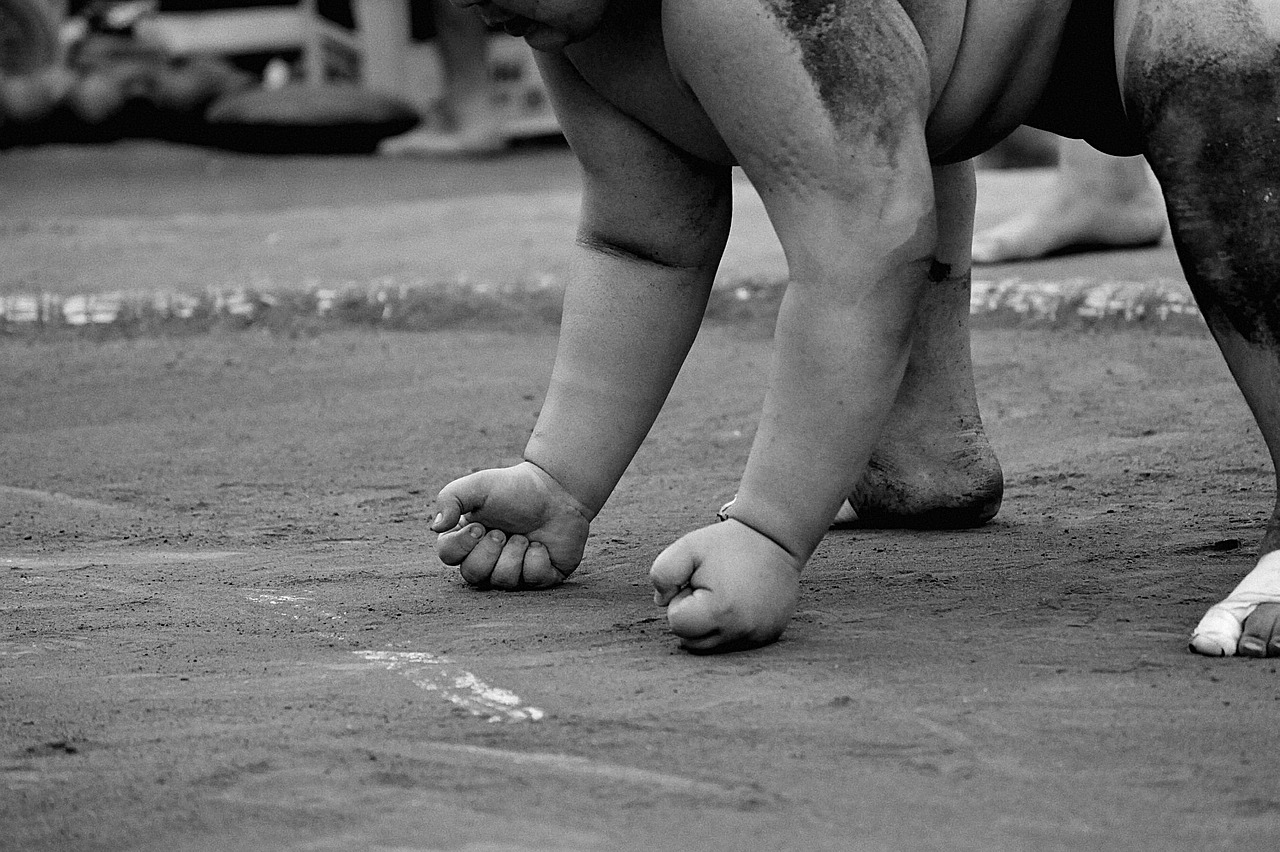
Planning a sumo-centric trip requires precision, as professional tournaments occur only six times a year, each lasting 15 days. In 2026, the schedule follows a traditional bi-monthly rotation across Japan's major cultural hubs.
| Tournament (Basho) | City | Dates | Primary Venue |
|---|---|---|---|
| Hatsu Basho (New Year) | Tokyo | Jan 11 – Jan 25 | Ryogoku Kokugikan |
| Haru Basho (Spring) | Osaka | Mar 8 – Mar 22 | EDION Arena Osaka |
| Natsu Basho (Summer) | Tokyo | May 10 – May 24 | Ryogoku Kokugikan |
| Nagoya Basho (July) | Nagoya | Jul 12 – Jul 26 | Aichi International Arena |
| Aki Basho (Autumn) | Tokyo | Sept 13 – Sept 27 | Ryogoku Kokugikan |
| Kyushu Basho (Winter) | Fukuoka | Nov 8 – Nov 22 | Fukuoka Kokusai Center |
While Tokyo’s Ryogoku Kokugikan remains the spiritual heart of the sport, the 2026 Nagoya tournament is garnering significant buzz due to the state-of-the-art Aichi International Arena, which offers a modern contrast to the sport's ancient rituals. If you are planning a spring visit to coincide with cherry blossom season, the Osaka tournament in March provides a visceral, high-energy atmosphere that mirrors the city’s famous culinary spirit.
Securing Your Seat: A Traveler’s Guide to Tickets
One of the greatest challenges for international fans is the ticket acquisition process. The official Japanese booking systems often require a local Japanese phone number and address, creating a significant barrier for tourists. To ensure a seamless experience, travelers are increasingly turning to third-party English platforms.
Where to Buy
For 2026, the most reliable method for international visitors is to use English-friendly platforms like Klook, which provide a streamlined interface and bypass local verification hurdles. For those seeking a more curated or "money-is-no-object" experience, luxury hotel concierges—specifically at properties like Aman Tokyo or Janu Tokyo—have dedicated teams capable of securing high-demand seats and providing private transport to the venue.
Book Your Sumo Tickets on Klook →
Understanding Ticket Types
- Tamari-seki (Ringside Seats): These are the most expensive and immersive seats, located directly around the dohyo (ring). Be warned: there is no divider between you and the action, and wrestlers weighing 300+ pounds have been known to fly into the front rows. No food or drink is allowed here.
- Masu-seki (Box Seats): This is the quintessential way to watch sumo. These are square, partitioned areas on the lower levels where spectators sit on cushions on a tatami floor. They usually accommodate 2–4 people. It is a social, relaxed way to enjoy the day, allowing for eating and drinking throughout the matches.
- Chair Seats: Located on the upper tiers, these are the most budget-friendly options (ranging from 3,500 to 9,500 yen). They offer a fantastic bird’s-eye view of the entire ritual and are ideal for solo travelers or those who prefer Western-style seating.
Inside the Ring: Rituals and Daily Schedule
A day at the sumo is a slow-burn experience that builds toward an explosive climax. The sport is deeply rooted in Shinto traditions, and the dohyo is considered sacred ground. Witnessing the rituals is just as important as the physical bouts themselves.
The day begins early, around 8:30 AM, with the lower-division matches. These early hours are quiet and contemplative, providing a chance to see the rising stars of the sport in a nearly empty arena. However, for most travelers, the real spectacle begins in the mid-afternoon.
The Perfect Day Schedule
To maximize your experience, we recommend following this timeline:
- 2:30 PM – 3:00 PM: Arrive at the stadium. This gives you time to browse the gift shop for unique souvenirs (like sumo-themed woodblock prints) and grab snacks.
- 3:40 PM: The Juryo division concludes, and the atmosphere begins to shift.
- 3:50 PM: The Makuuchi Dohyo-iri (Ring-Entering Ceremony). This is a breathtaking visual moment where the top-tier wrestlers enter the ring wearing kesho-mawashi—stunning, hand-embroidered silk aprons that can cost tens of thousands of dollars.
- 4:10 PM: The top-division matches begin. The intensity in the crowd rises, and the salt-throwing rituals become more dramatic.
- 5:30 PM: The final three matches of the day, featuring the Ozeki and Yokozuna (the highest-ranking wrestlers).
- 6:00 PM: The Yumitori-shiki (Bow-Twirling Ceremony). A beautiful, rhythmic finale to the day’s events.
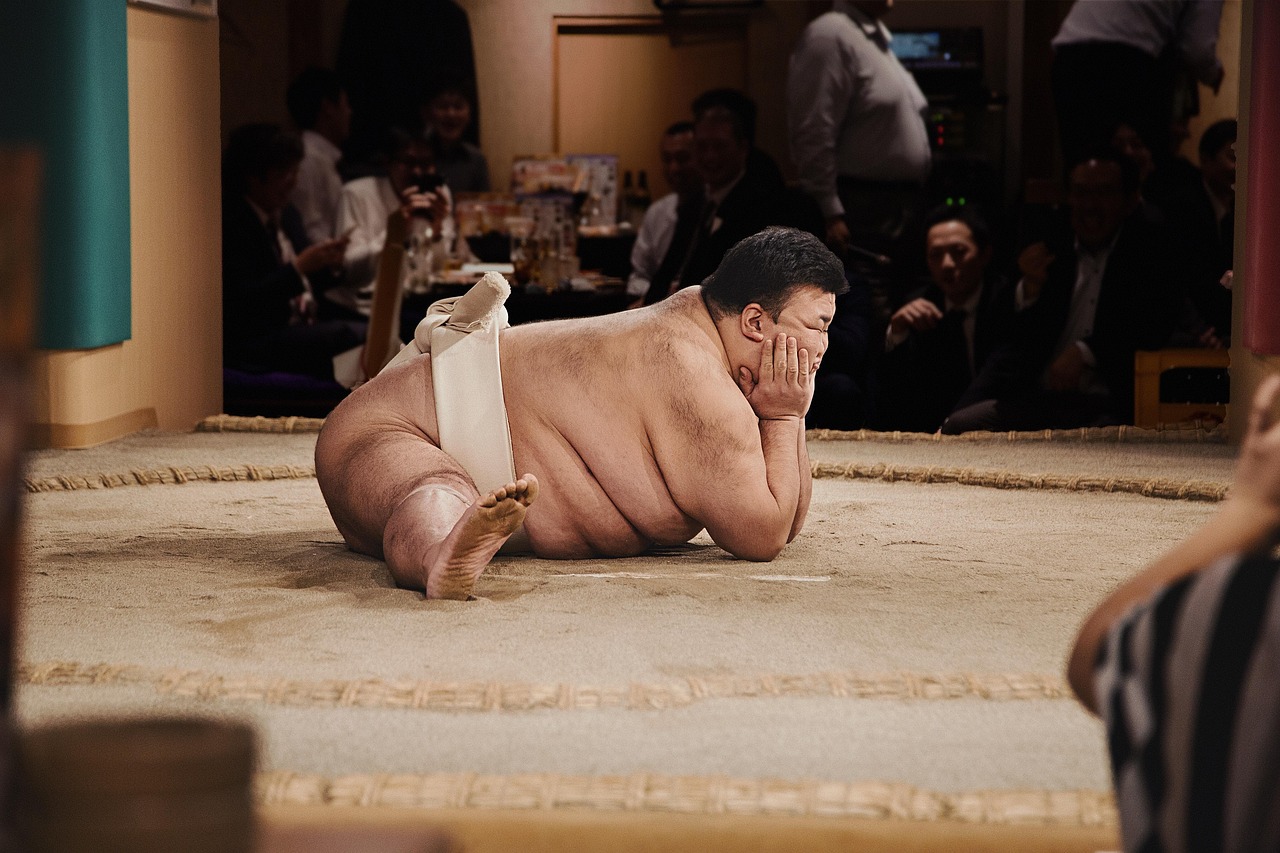
The psychological warfare before a match is visceral. Watch closely as wrestlers stare each other down during the shikir-naoshi (preparation time). They throw salt to purify the ring, slap their bodies to show strength, and stomp their feet to drive away evil spirits. When the match finally begins, it often lasts less than ten seconds—an explosive burst of power that leaves the arena roaring.
Beyond the Tournament: The Full Sumo Experience
If your 2026 travel dates don't align with a tournament, or if you want to dive deeper into the lifestyle of these modern-day warriors, there are several ways to experience sumo culture year-round.
Sumo Stable Tours
The Ryogoku district in Tokyo is home to dozens of heya (sumo stables) where wrestlers live and train. Many stables allow visitors to watch asa-geiko (morning practice). This is an intimate, intense experience where you can hear the sound of skin hitting skin and witness the grueling discipline required to succeed. Note that silence is strictly enforced during these sessions, as they are serious training periods, not performances.
Chanko-nabe: The Cuisine of Giants
No sumo journey is complete without tasting chanko-nabe. This protein-packed "stamina stew" is the staple diet of every wrestler. It is a massive hot pot filled with chicken, seafood, tofu, and mountains of vegetables in a rich broth. In Ryogoku, many restaurants are owned by retired wrestlers, serving authentic recipes that have been passed down for generations. It is surprisingly healthy and incredibly satisfying, especially on a cool Tokyo evening.

Spectator Etiquette & Pro-Tips
To ensure you respect the traditions of the sport and have the best possible time, keep these tips in mind:
- Assigned Seating Only: Even if the arena looks empty in the morning, do not sit in seats that aren't yours. Security is diligent about seating assignments.
- The 'Silence vs. Chaos' Dynamic: During the rituals and the stare-downs, the crowd is often hushed in anticipation. Once the wrestlers charge (tachi-ai), it is perfectly acceptable—and encouraged—to shout the name of your favorite wrestler.
- No Outside Food/Drink: Most venues have a wide variety of bento boxes and drinks for sale inside. Supporting the venue's vendors is part of the tradition.
- Stay Until the End: Many tourists leave after the big names finish, but the Yumitori-shiki (bow ceremony) is a rare display of grace that shouldn't be missed.
- Bring Cash: While Japan is becoming more card-friendly, many of the smaller souvenir stalls and food vendors inside the older stadiums still prefer yen.
FAQ: Common Questions About Sumo in Japan
Q: Is there a dress code for attending a sumo tournament? A: For most spectators, there is no formal dress code. However, if you are sitting in the premium Tamari (ringside) seats, it is respectful to dress "smart casual." Avoid overly revealing clothing out of respect for the sacred nature of the dohyo.
Q: Can I take photos and videos during the matches? A: Yes, photography for personal use is generally allowed from your seat. However, using a flash is strictly prohibited as it can distract the wrestlers during critical moments. Professional-grade tripods are also usually not allowed.
Q: Is sumo kid-friendly? A: Absolutely. The atmosphere is festive and exciting for children. However, keep in mind that a full day of sumo is long. Chair seats are often better for families as they allow for more movement than the confined space of a floor-cushion box seat.
Conclusion: More Than Just a Sporting Event
Sumo in 2026 is a bridge between Japan’s mythological past and its vibrant, modern present. To witness a Grand Tournament is to see a living museum in motion—a place where Shinto ritual meets raw, Herculean athleticism. Whether you are a "Cultural Super-fan" seeking the spiritual roots of the sport or a "Casually Curious" traveler looking for the highlight of your 2026 itinerary, sumo offers a visceral experience that no other sport can match.
As the "Fan Voyage" trend continues to grow, tickets will only become more coveted. Start your planning early, secure your seats through a trusted platform, and prepare to be moved by the sheer power and tradition of Japan’s national sport.