Quick Facts
- Top Destination 2025: Seoul has been crowned the world’s leading shopping city, blending centuries-old traditions with high-tech retail innovation.
- The Asian Shift: For the first time, 50% of the top ten global shopping destinations are located in East and Southeast Asia, outpacing traditional European capitals.
- Retail Futurism: Cities like Singapore and Bangkok are redefining the "mall" as a climate-controlled lifestyle ecosystem rather than just a place to buy goods.
- The Resale Revolution: Tokyo and Paris remain the ultimate hubs for vintage and pre-loved luxury, driven by meticulous authentication standards.
The New Global Shopping Map: Why the West is Looking East
The traditional retail map, once anchored firmly in the gilded triangles of Paris, Milan, and London, has undergone a seismic shift. As we enter 2025, the results of the Condé Nast Traveler shopping awards signal a definitive pivot toward "Retail Futurism." It is no longer enough for a city to offer high-end boutiques; today’s sophisticated traveler seeks an ecosystem where digital efficiency, cultural heritage, and lifestyle transformation converge.
Statistically, the momentum is undeniable. Half of the world's top ten shopping destinations are now situated in East and Southeast Asia. This isn't just about the sheer volume of luxury goods—it’s about a fundamental change in how we consume. We are witnessing the rise of "Travel for Transformation," where shoppers fly halfway across the globe not just to fill a suitcase, but to upgrade their lifestyle through skin-tech labs in Seoul or artisanal heritage in Bangkok.
The World's Top Shopping Destination: Why Seoul Wins
If you want to see the future of retail, you look to Seoul. Ranking as the #1 shopping destination for 2025 with a satisfaction score of 85.85, the South Korean capital has mastered a "dual timeline" approach that no other city can replicate. Within a single afternoon, you can navigate the 600-year-old stalls of Gwangjang Market—scented with mung bean pancakes and silk—and then step into a high-tech K-beauty "innovation lab" in Myeongdong that uses AI to analyze your skin's hydration levels before mixing a custom serum on the spot.
The city’s retail landscape functions like a live dashboard for cosmetic and fashion innovation. In districts like Seongsu-dong, often called the "Brooklyn of Seoul," industrial red-brick warehouses have been converted into "concept pharmacies" and flagship stores like Tamburins, where the shopping experience feels more like visiting a contemporary art gallery than a retail outlet.
Further south, the "dermatology corridors" of Cheongdam and the tree-lined streets of Garosugil offer a more curated, luxury-focused experience. Here, global brands treat Seoul as a testing ground, launching exclusive collections and "tech-retail" hybrids that won’t reach New York or London for another year.
Must-Visit Labs in Seoul:
- Amorepacific HQ: A cathedral of beauty where you can explore the entire K-beauty genealogy.
- Gentle Monster (Haus Dosan): A retail space that defies gravity with kinetic sculptures and avant-garde eyewear.
- Beaker: A multi-brand lifestyle shop in Hannam-dong that curates the best of emerging Korean designers.
The Asian Retail Titans: Efficiency and Experience
While Seoul takes the crown for innovation, its neighbors are perfecting the art of the "frictionless" shopping experience. The shift toward Asia is fueled by an obsession with service, climate-controlled comfort, and the integration of leisure into the retail journey.
Singapore: The Climate-Controlled Paradise
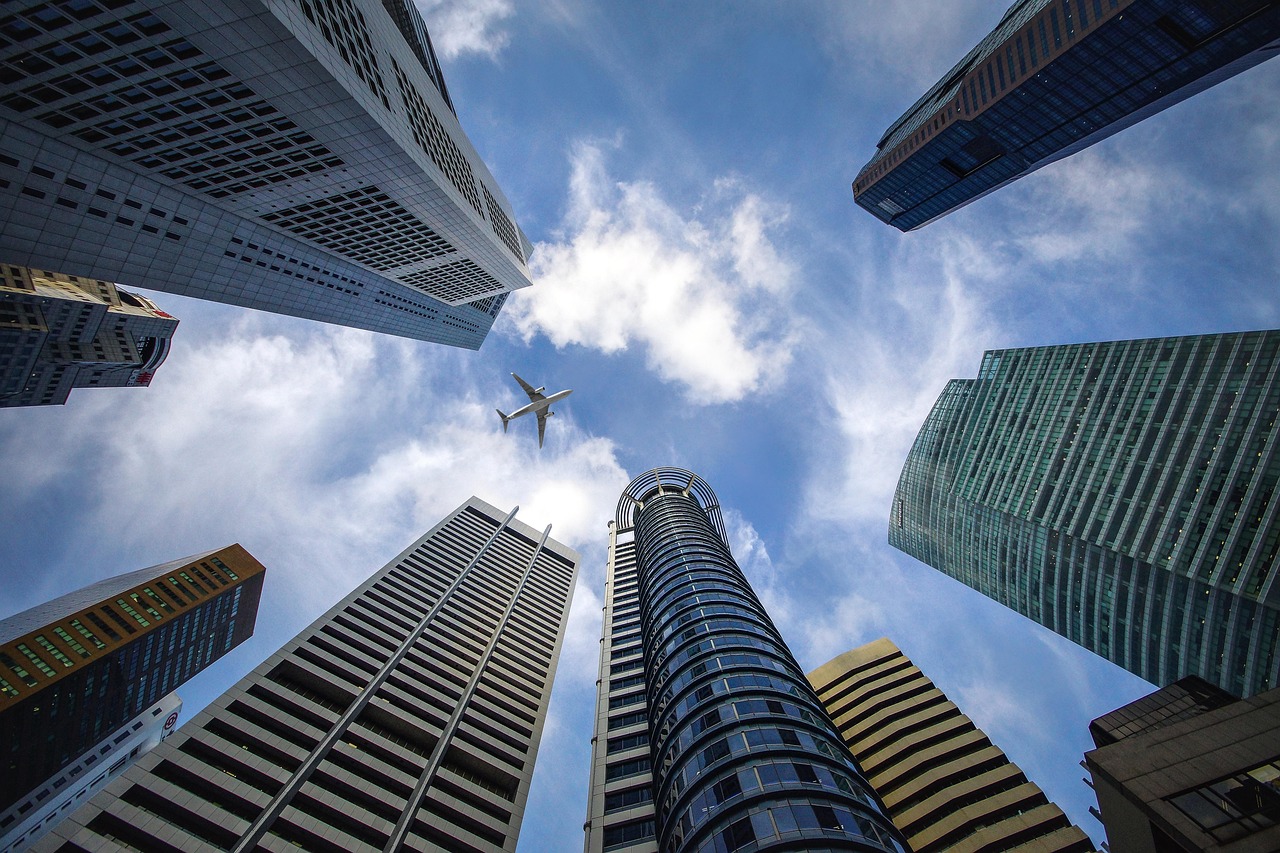
Singapore maintains a staggering reader satisfaction score of 86.47, the highest in the digital efficiency category. The city has turned shopping into a national sport. Orchard Road remains the spine of the experience, a multi-mile stretch of interconnected megamalls. However, the true "New Luxury" in Singapore is found in the contrast between the high-tech and the heritage. You can jump from the futuristic Ion Orchard to the historic Kampong Gelam, where artisanal shops offer bespoke perfumes and traditional Malay embroidery.
For those who suffer from jet lag, the 24-hour Mustafa Centre in Little India provides a sensory overload where you can buy everything from 24k gold jewelry to imported electronics at 3:00 AM.
Tokyo: The World's Most Complete Shopping Hub
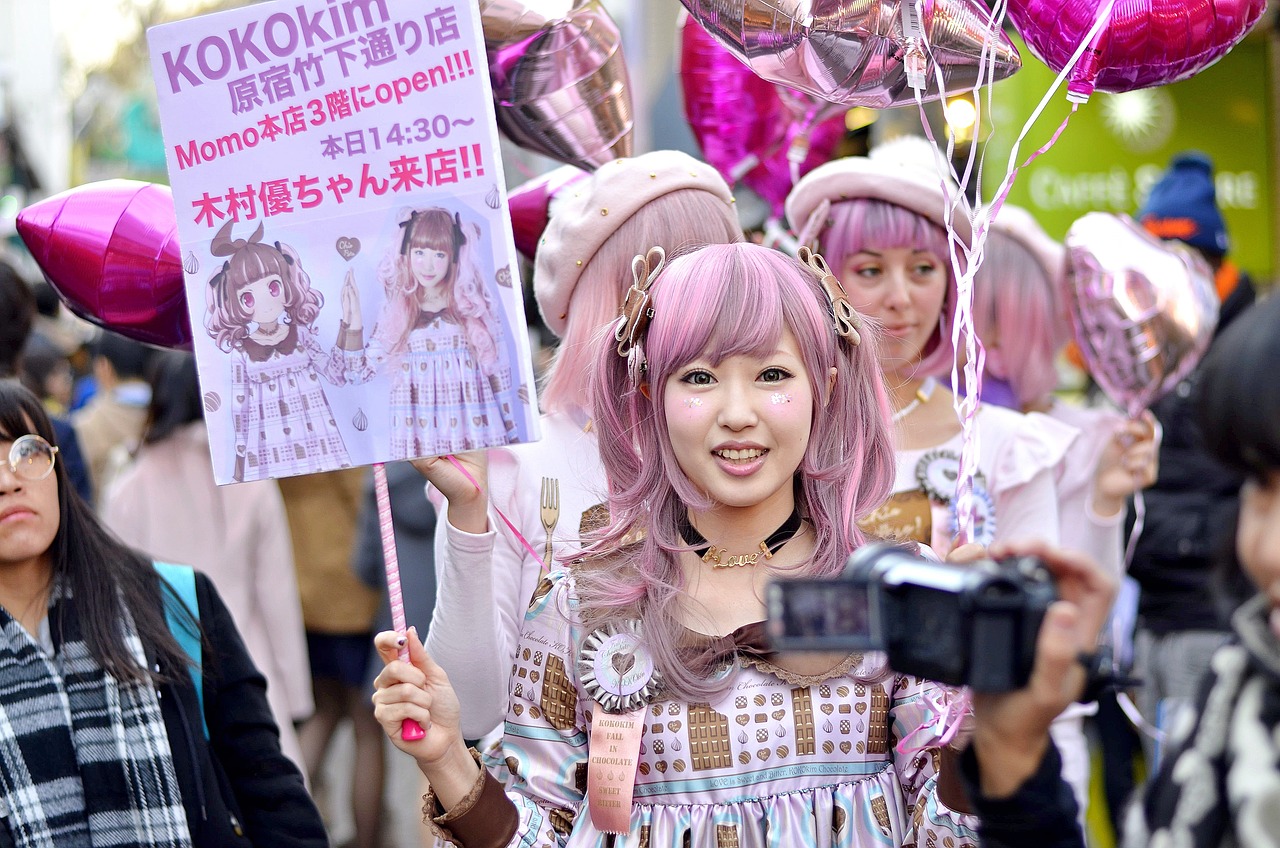
Tokyo is perhaps the only city that can satisfy every possible shopping niche simultaneously. In Ginza, architectural flagships rise like glass monoliths, housing the world’s most prestigious brands. Yet, just a few subway stops away, Harajuku and Shimokitazawa offer a diametrically opposed experience: a world-leading resale culture where vintage 1950s Americana and archival Japanese denim are treated with the reverence of museum artifacts.
One of Tokyo's greatest draws for the 2025 traveler is the "Tax-Free" advantage. With an easy-to-navigate passport-stamp system, foreign tourists can enjoy immediate 10% discounts at most major retailers, making high-end electronics and designer goods significantly more affordable than in Western markets.
Bangkok: The Sensory Overload
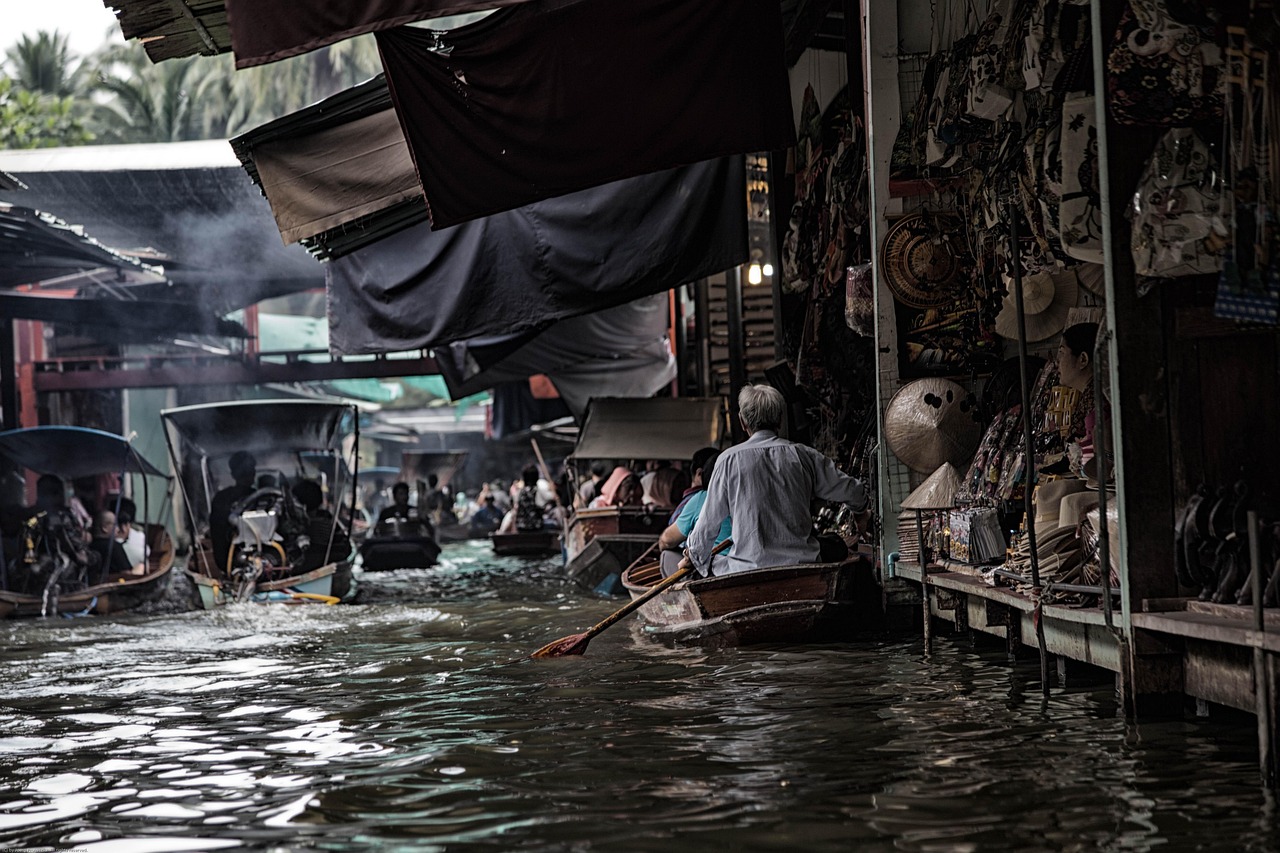
Bangkok is a city of extremes. On one hand, you have the Chatuchak Weekend Market—an sprawling labyrinth of over 15,000 stalls where you can find anything from hand-carved teak furniture to indie fashion labels. On the other hand, there is IconSiam, a "super-mall" that incorporates an indoor floating market, Michelin-starred dining, and an art gallery. Bangkok’s retail success lies in its ability to make "high-low" shopping feel seamless; the person buying a Patek Philippe at Siam Paragon is often the same person bargaining for silk scarves at a street stall an hour later.
The Top 10 Shopping Cities: 2025 Rankings
| Rank | City | Reader Satisfaction Score | Best For |
|---|---|---|---|
| 1 | Seoul | 85.85 | K-Beauty & Tech Innovation |
| 2 | Singapore | 86.47 | Digital Efficiency & Megamalls |
| 3 | Tokyo | 84.92 | Luxury Resale & Electronics |
| 4 | Bangkok | 83.15 | Artisanal Markets & Luxury Malls |
| 5 | Hong Kong | 82.70 | Tax-Free Jewelry & Watches |
| 6 | Paris | 81.45 | Haute Couture & Historic Archives |
| 7 | London | 80.90 | Bespoke Tailoring & Department Stores |
| 8 | Madrid | 79.30 | Independent Boutiques & Leather |
| 9 | Cape Town | 78.15 | Conscious Design & African Crafts |
| 10 | Dublin | 77.50 | Linen, Knitwear & Literary Finds |
The European Classics: Heritage Reimagined
Despite the rise of Asia, Europe remains the spiritual home of the "Archive." In 2025, cities like Paris and Madrid are leaning into their history, positioning themselves as the ultimate curators of craftsmanship.
Paris: The Cultural Archive
Paris has moved away from the "fast luxury" of the Champs-Élysées. Instead, the focus has shifted back to the artisanal roots of Rue Saint-Honoré and the Marais. For the vintage hunter, Les Puces de Saint-Ouen remains the world’s premier open-air archive for furniture and fashion. The draw here is the "provenance"—the story behind the object that an ultra-modern mall simply cannot provide.
Madrid: The Spirit of 'Madrileño Cool'
Madrid is the dark horse of European shopping. It lacks the intimidating formality of Paris, offering instead the quirky, analog charm of the Las Salesas district. Here, you'll find independent bookstores, family-run leather workshops, and boutiques that prioritize slow fashion over global trends. It’s a city where shopping feels like a personal discovery rather than a commercial transaction.
Strategic Shopping: A 2025 Guide by Niche
To navigate the global retail landscape effectively, you must match your destination to your specific needs. The "half-empty suitcase" strategy only works if you're heading to the right hub.
- Best for Luxury Resale: Tokyo and Paris Tokyo is the gold standard for "A-Rank" pre-owned goods, with stores like Amore Vintage and Brand Off offering exacting authentication. Paris, meanwhile, is the place for historic finds—think 1970s Hermès or archival Chanel.
- Best for Beauty & Tech: Seoul and Singapore If your goal is to "future-proof" your vanity or your home, these are the only two choices. Look for "experience centers" where you can test products in simulated environments before buying.
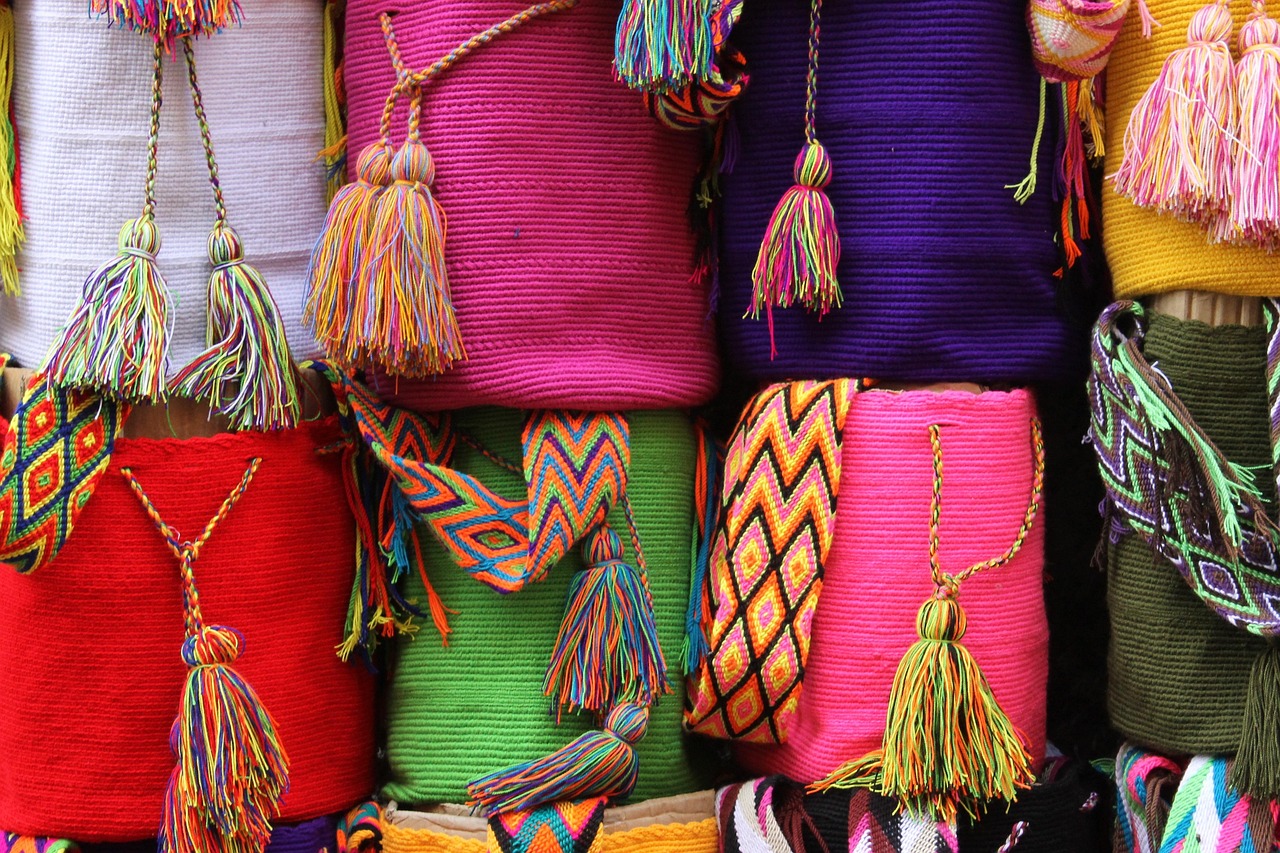
- Best for Artisanal Craft: Chiang Mai and Ubud While not in the top ten metropolises, these regional hubs feed the global appetite for conscious design. Northern Thai silks and Balinese batik are becoming the new status symbols for the ethically-minded traveler.
Conclusion: Planning Your 2025 Retail Pilgrimage
The shift toward Asia in the 2025 rankings isn't a temporary trend; it's a reflection of how our values as travelers have changed. We no longer just want to own things; we want to experience the innovation behind them. Whether you are seeking the high-tech "retail futurism" of Seoul or the storied archives of Paris, the best shopping cities in the world now offer more than just products—they offer a window into the future of lifestyle and design.
When planning your next trip, consider the "High-Low" balance. Leave room in your itinerary for the traditional markets that anchor these cities, as they provide the cultural context that makes the modern luxury malls so impressive.
FAQ
Q: Is it really cheaper to shop in Asia than in Europe? A: It depends on the category. For K-beauty, electronics, and local indie brands, Asia is significantly more affordable. However, European heritage brands (Louis Vuitton, Gucci) are often still cheaper in their home countries due to lower import duties and VAT refund schemes.
Q: Which city is best for someone who hates traditional malls? A: Madrid or Tokyo (specifically the Shimokitazawa district). These cities offer "village-style" shopping where the experience is based on walking through neighborhoods and discovering small, independent storefronts.
Q: What is the best time of year for global shopping sales? A: In Asia, the "Great Singapore Sale" (June/July) and the Lunar New Year period are peak times. In Europe, the "Soldes" in Paris (January and July) offer regulated, deep discounts on luxury goods.