Quick Facts: The World of Hamnet
- Primary Locations: Herefordshire (Weobley and Cwmmau Farmhouse), Gloucestershire (Lydney Park), and London (The Charterhouse and Durham Wharf).
- Stand-in for Stratford: The "black-and-white" village of Weobley was used to recreate the bustling 16th-century market town of Stratford-upon-Avon.
- The Family Home: Cwmmau Farmhouse in Brilley served as "Hewlands," the childhood home of Agnes (Anne Hathaway), replacing the modern-day museum in Stratford.
- Filming Timeline: Principal photography lasted exactly 63 days, running from July 29, 2024, to September 30, 2024.
- The Globe Theatre: A historically accurate, rustic replica of the 1599 Globe was constructed at Elstree Studios specifically for the film.
Introduction: Bringing Maggie O'Farrell's Masterpiece to Life
When Maggie O’Farrell’s Hamnet hit bookshelves in 2020, it didn’t just tell a story; it conjured an atmosphere. It was a sensory immersion into the damp, herb-scented, and often brutal reality of Elizabethan England. Bringing this visceral world to the screen for the 2025 film adaptation required a director with a keen eye for landscape and light. Enter Academy Award winner Chloé Zhao (Nomadland), who, alongside stars Jessie Buckley and Paul Mescal, set out to find locations that felt less like "period sets" and more like living, breathing extensions of the characters' souls.
The challenge was immense. Modern-day Stratford-upon-Avon, while beautiful, is a global tourism hub replete with paved roads, gift shops, and the persistent hum of the 21st century. To capture the "rough-hewn" and mystical quality of Agnes’s world and the burgeoning grit of William’s London, the production team bypassed the famous landmarks. Instead, they scoured the English countryside for "time-capsule" locations—medieval farmhouses tucked away in the Welsh Marches and ancient woodlands that have remained unchanged for centuries.
Quick Answer: Where was Hamnet Filmed?
The 2025 movie Hamnet was primarily filmed in the rural landscapes of Herefordshire and Gloucestershire, as well as historic pockets of London. Key sites include the village of Weobley, which stood in for Stratford-upon-Avon, and the Cwmmau Farmhouse, which served as the Shakespeare family home. For the mystical forest sequences, the production utilized the Lydney Park Estate.
In London, the Charterhouse in Farringdon provided the backdrop for Tudor-era streets, while a custom-built, historically accurate replica of the 1599 Globe Theatre was erected at Elstree Studios. The entire production was completed in a focused 63-day window during the summer and autumn of 2024.
Herefordshire: The Heart of the Shakespeare Family Home
The emotional core of Hamnet lies in the domestic sphere—the kitchen, the garden, and the sickbed. To find a setting that felt authentic to the 1580s, the production headed to Herefordshire, a county famous for its "black-and-white" timber-framed architecture.
Cwmmau Farmhouse (The Substitute for Anne Hathaway's Cottage)
In the novel, Agnes’s home, "Hewlands," is a place of wildness and herbal lore. While the real Anne Hathaway’s Cottage still stands in Stratford-upon-Avon, it has become too iconic and "manicured" for Chloé Zhao’s grounded vision. Instead, the production chose Cwmmau Farmhouse in Brilley, a National Trust property located near the Welsh border.
Cwmmau is a rare surviving example of a late medieval farmhouse. Its stone-tiled roof and irregular timber framing provided the "honest" texture the director sought. However, even this historic site required "de-modernization." The production team spent weeks removing 20th-century additions, hiding modern drainage, and covering gravel paths with mud and straw to transport the farmhouse back to the 1600s. The result is a home that feels anchored in the earth—a perfect reflection of Agnes’s character.
The Village of Weobley (Stratford-upon-Avon)
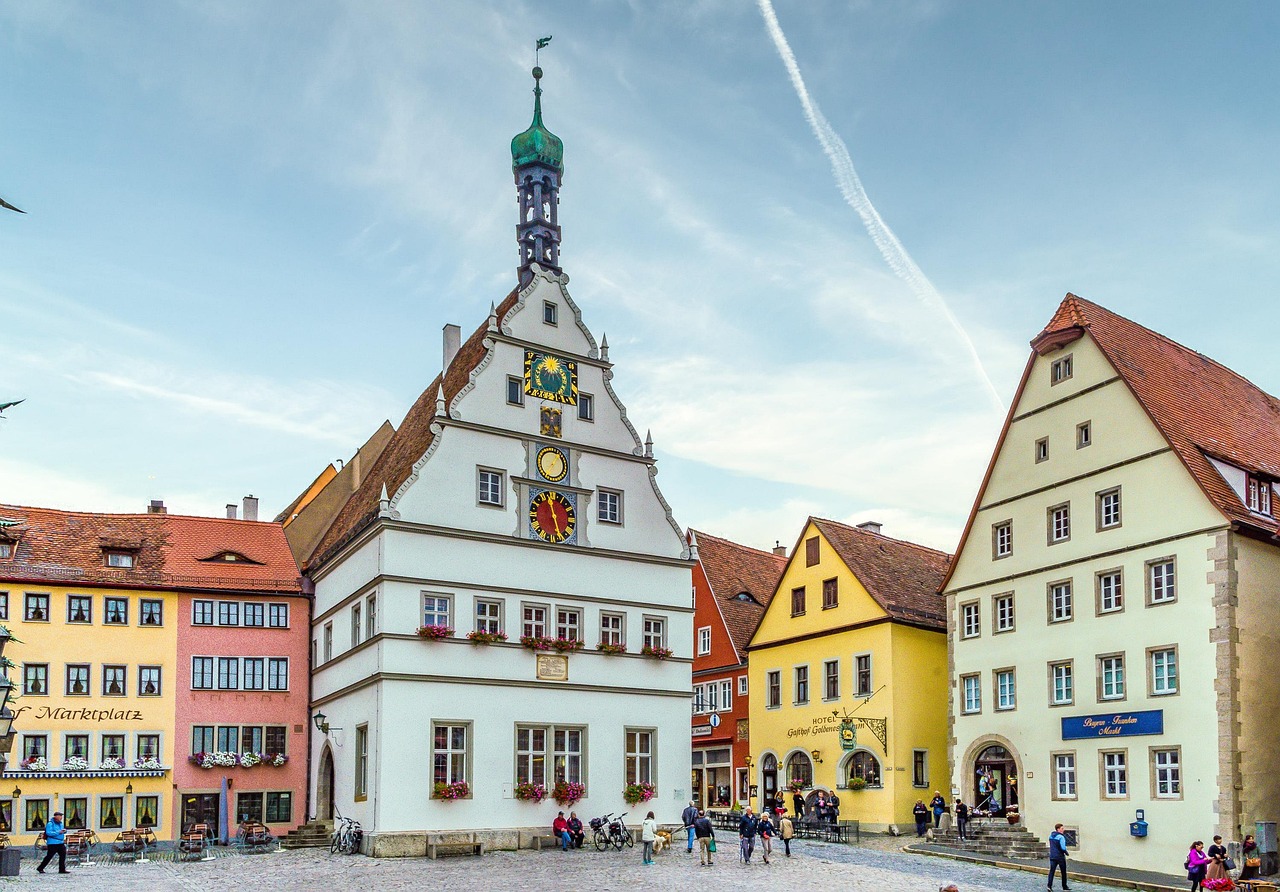
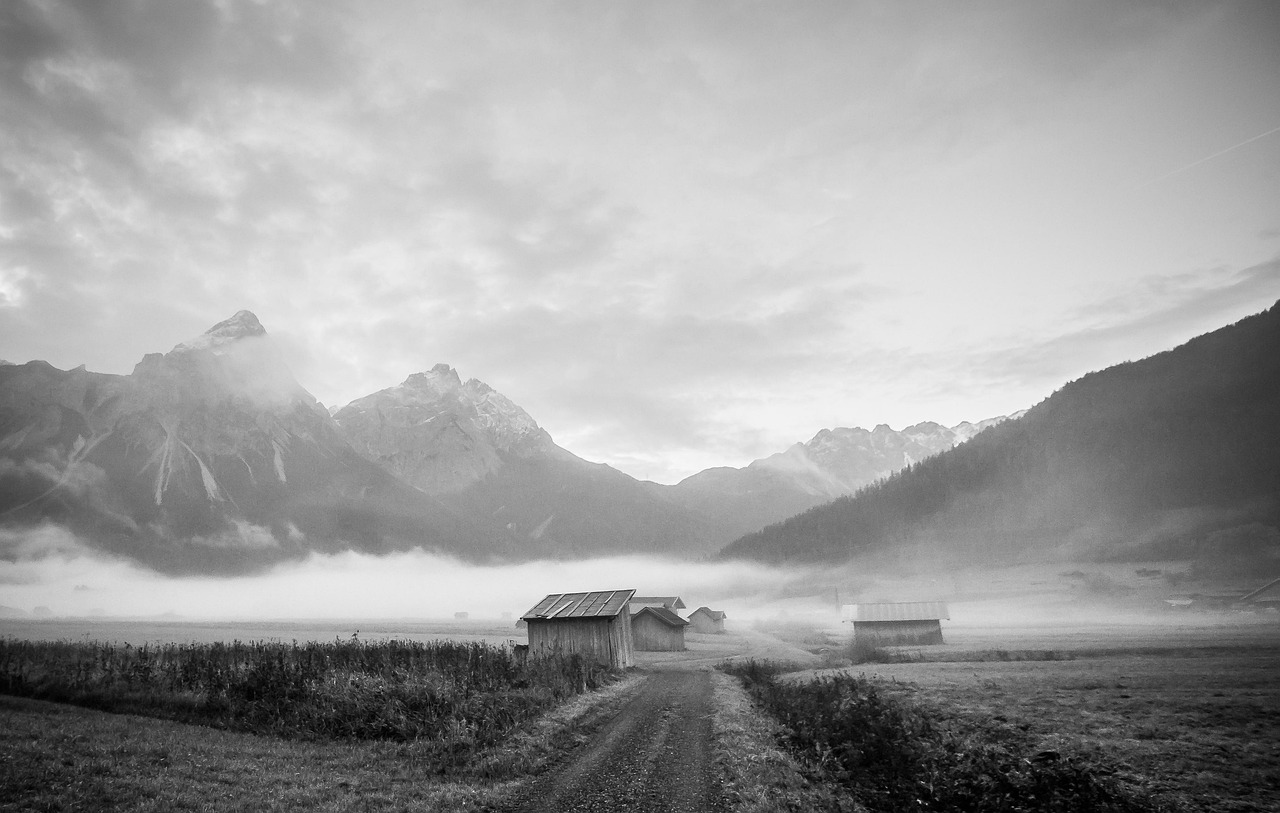
To recreate the town of Stratford, the crew moved to the village of Weobley. Known as one of the most picturesque villages in England, Weobley is famous for its concentration of preserved Tudor buildings. During the summer of 2024, the production took over the village's main thoroughfares, including Broad Street and Bell Square.
The logistics were formidable. The main street was closed to the public for several weeks as the production team covered the asphalt with layers of dirt and brought in period-appropriate livestock. Shop fronts were disguised, and local residents often caught glimpses of Paul Mescal in doublet and hose wandering past the village church. Weobley’s timber-framed houses, with their characteristic jettying (overhanging upper floors), provided the perfect sense of a cramped, growing 16th-century market town.
Gloucestershire: The Mystical Forests of Agnes
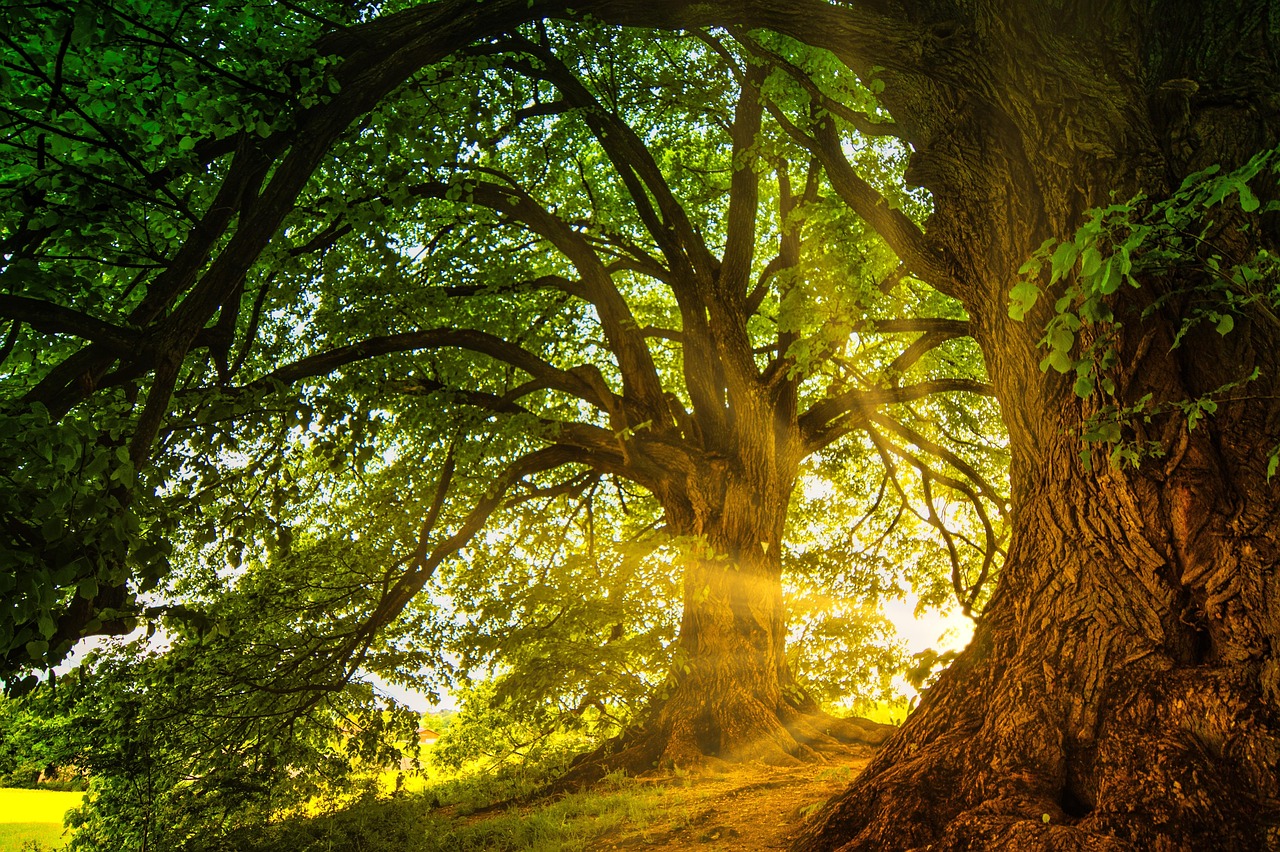
If the village represents the constraints of society, the forest represents Agnes’s freedom and spiritual power. For these sequences, the production moved to the Lydney Park Estate in Gloucestershire’s Forest of Dean.
The Lydney Park Estate is steeped in history, housing both a Roman temple site and ancient woodlands. It served as the backdrop for Agnes’s foraging scenes, where she gathers the herbs and "simples" that define her character. Most notably, the estate’s ancient trees provided the setting for the birth of Agnes’s daughter, Susanna—a scene that emphasizes the character’s deep, almost elemental connection to the natural world.
The choice of Lydney Park highlights the "Character-Centric Mapping" used by Zhao; the landscape isn't just a background, it is an extension of Agnes’s internal state, contrasting the shadowy, leaf-dappled light of the forest with the starker, more structured life in the village.
London: Shakespeare’s Professional World
As the story follows William (played by Paul Mescal) to London, the visual palette of the film shifts. The lush greens of Gloucestershire and the warm timbers of Herefordshire give way to the grey stone and river mud of the city.
The Charterhouse, Farringdon
Recreating Tudor London is a challenge for any filmmaker, as the Great Fire of 1666 wiped out most of the city’s medieval architecture. However, The Charterhouse in Farringdon remains a stunning exception. This former Carthusian monastery, which later became a private mansion and school, provided the production with a labyrinth of stony courtyards and monastic corridors. These spaces were used to depict the professional world William inhabits, including the schools and ecclesiastical settings that appear in the film’s flashbacks and London sequences.
Durham Wharf and the River Thames
The River Thames is a constant presence in the lives of Londoners in the 1590s. One of the film's most evocative scenes—a moment of quiet contemplation for William at dusk—was filmed at Durham Wharf.
Filming here required precision timing. The production had to wait for a specific spring tide to recede, exposing the "beach" of the Thames foreshore. This provided the "foetid and muddy" look described in O'Farrell's prose, emphasizing the grime and reality of the city that William chose over his rural home.
Recreating The Globe: Why the Real Theatre Wasn't Used
A common question among fans is why the production didn't simply film at the modern Shakespeare’s Globe on London’s Bankside. The answer lies in historical accuracy and the film’s specific aesthetic.
The modern Globe is a beautiful reconstruction, but it is actually based on the second Globe theatre. For the events of Hamnet, which take place around the construction and early years of the original 1599 theatre, the modern building looked too "refined" and finished.
Chloé Zhao and her production designer chose to build a historically accurate replica at Elstree Studios. This version of the Globe was designed to look "rough-hewn" and temporary, reflecting the reality of a theatre built from the stolen timbers of an earlier playhouse. The set was constructed using reclaimed wood, mirroring the thematic connection between the trees of Agnes’s forest and the timber of William’s stage. This "Substitute Reveal" adds a layer of "movie magic" authenticity that a modern tourist site simply couldn't provide.
Location Comparison: Real Sites vs. Movie Stand-ins
The production team’s choices were dictated by a need for "texture" over "geographical precision." Here is how the movie locations compare to the historical sites they represent:
| Story Location | Real Historical Site | Movie Stand-in (Filming Location) | Why the Change? |
|---|---|---|---|
| Hewlands (Agnes’s Home) | Anne Hathaway’s Cottage, Stratford | Cwmmau Farmhouse, Herefordshire | The original is a high-traffic museum; Cwmmau offered a more "untouched" medieval atmosphere. |
| Stratford-upon-Avon | Stratford-upon-Avon, Warwickshire | Weobley Village, Herefordshire | Modern Stratford is too developed; Weobley’s timber buildings are perfectly preserved. |
| The Globe Theatre | Bankside, London | Elstree Studios Set, Hertfordshire | The film needed the "rougher" look of the original 1599 structure, not the refined modern reconstruction. |
| Tudor London Streets | London City | The Charterhouse, Farringdon | One of the few sites in London to survive the Great Fire, offering authentic 16th-century stone architecture. |
Production Timeline & Insights
The making of Hamnet was a disciplined affair. Principal photography began on July 29, 2024, and concluded on September 30, 2024, totaling 63 days of shooting. This timeline allowed the production to capture the transition from the lush, high summer of the English countryside into the more somber, golden hues of early autumn—a seasonal shift that mirrors the emotional trajectory of the story.
Working under cinematographer Łukasz Żal (known for his stunning work on Ida and The Zone of Interest), the crew relied heavily on natural light. This was particularly true in Weobley and at Cwmmau Farmhouse, where the use of artificial lighting was minimized to maintain the authentic "candlelit" feel of the 16th century. Interestingly, the fees paid to the National Trust for the use of Cwmmau Farmhouse are being funneled back into the conservation of the site, ensuring that the "home of Agnes" remains preserved for future generations.
Explore Cwmmau Farmhouse via the National Trust →
FAQ: Frequently Asked Questions
Q: Can I visit the filming locations of Hamnet?
A: Yes! The village of Weobley is a public residential village that is very welcoming to visitors. Cwmmau Farmhouse is a National Trust property, though it has limited opening dates (usually a few weekends a year), so check the National Trust website before traveling. The Charterhouse in London offers regular guided tours.
Q: Did they film any scenes in the real Stratford-upon-Avon?
A: No. While the production team conducted extensive research in Stratford, the modern-day town was deemed too modernized for the "immersion" Chloé Zhao required. All "Stratford" scenes were filmed in Herefordshire.
Q: Is the forest at Lydney Park open to the public?
A: Lydney Park Estate is a private estate, but the gardens and Roman site are typically open to the public on specific days during the spring and summer months.
Experience the Magic of Hamnet
The 2025 film adaptation of Hamnet is more than just a biopic of a famous playwright; it is a love letter to the English landscape and a meditation on grief and healing. By choosing "authentic texture" over "famous landmarks," the production has created a world that feels startlingly real. From the timber-framed streets of Weobley to the muddy banks of the Thames, these locations are waiting to be explored by fans of the book and film alike.
Whether you are a Shakespeare enthusiast or a lover of historic British architecture, a trip to the Welsh Marches to see the "real" world of Agnes and William is a journey worth taking. Keep an eye out for the film’s release in 2025 to see these stunning locations transformed into the stage for one of literature's most heartbreaking stories.